Last Saturday my sister and I had several neighborhood sales to pick from. I wish these neighborhood organizations would get together and divvy up the weekends so that we wouldn’t have to choose between several good ones one week, and then have none the next.
But alas, we chose the Lynnhurst/Fulton neighborhoods because they had a nice online list and map available while the others didn’t (or at least not that I found).
And I think we chose well.
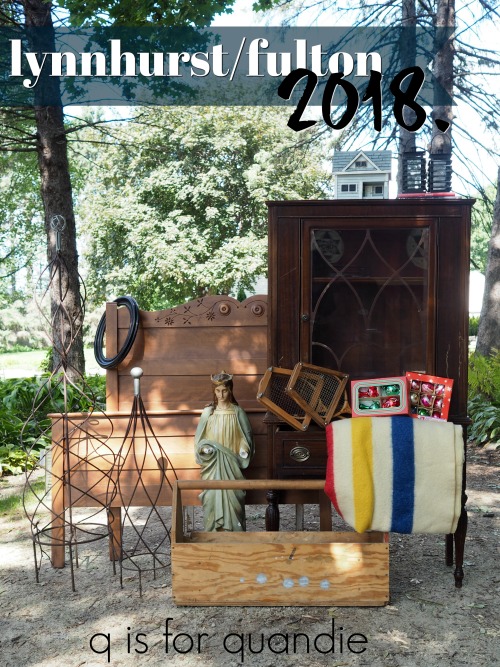
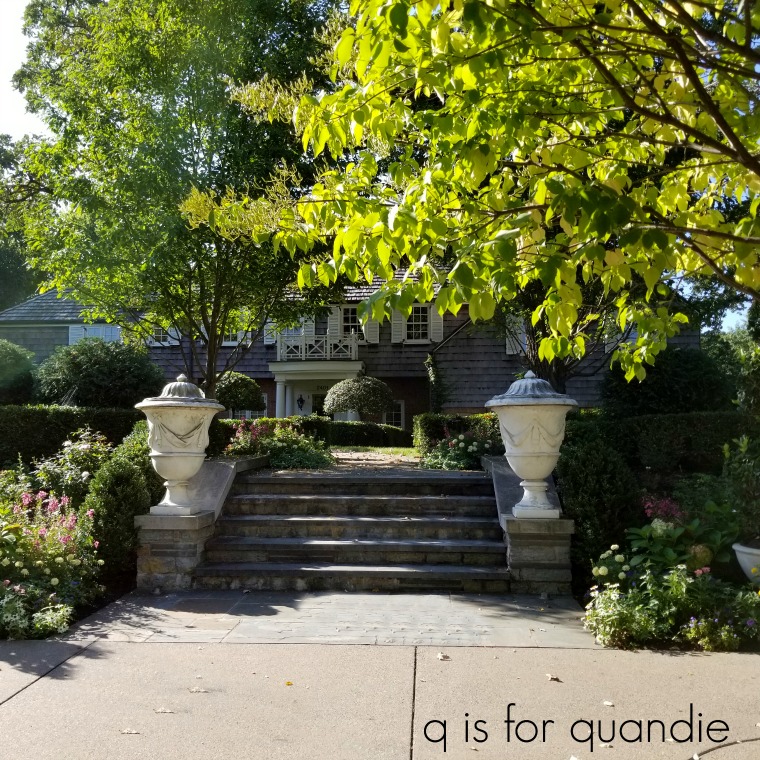
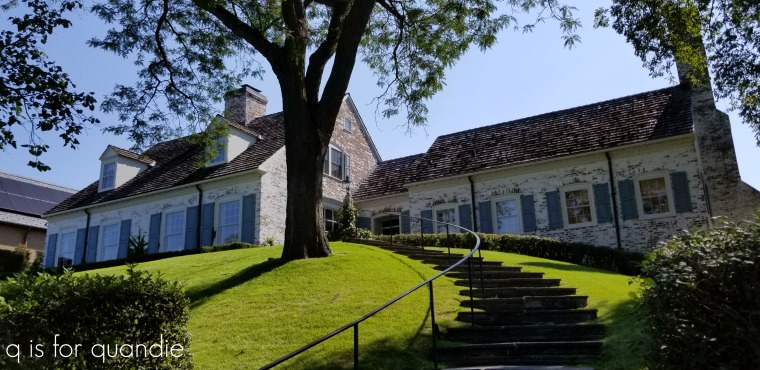
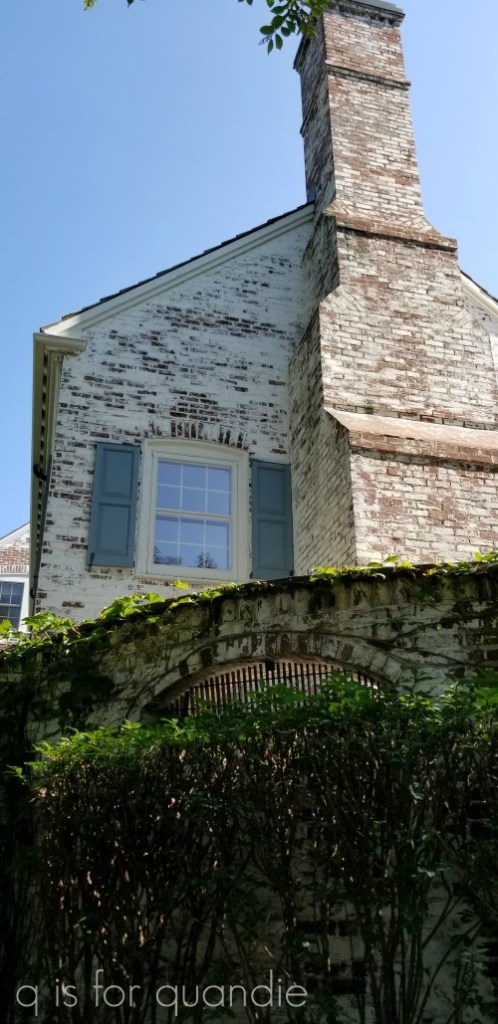
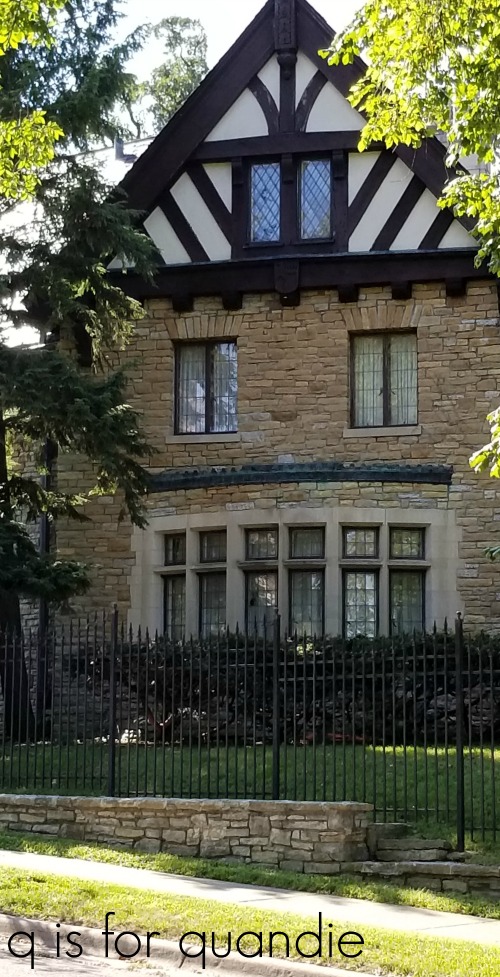
Once again we filled up my sister’s SUV, and once again there were lots of lovely houses to admire as we made our rounds.
The day started out with a bang when the second sale we went to was giving away free Mimosa’s with a $10 purchase.

What an awesome combo, Mimosa’s and garage sales. You can’t go wrong! Somehow I easily managed to spend enough for a free drink, but Debbie was driving so she had to pass.
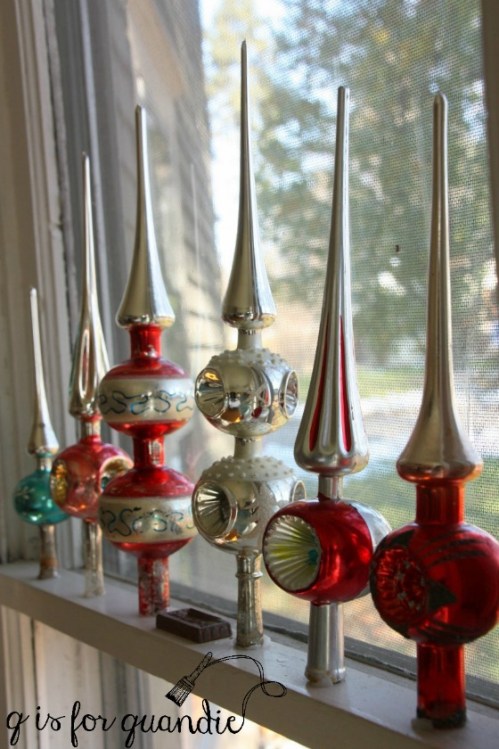
I finally got lucky and found a few vintage ornaments this time.

But I think everyone is shaking their heads in bewilderment at my purchase of the Mary statue.
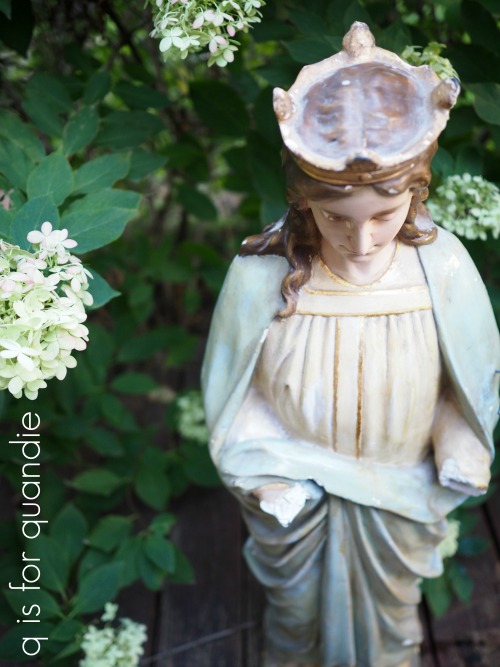
But as soon as I saw her I was picturing all of those Jeanne d’Arc Living magazines …
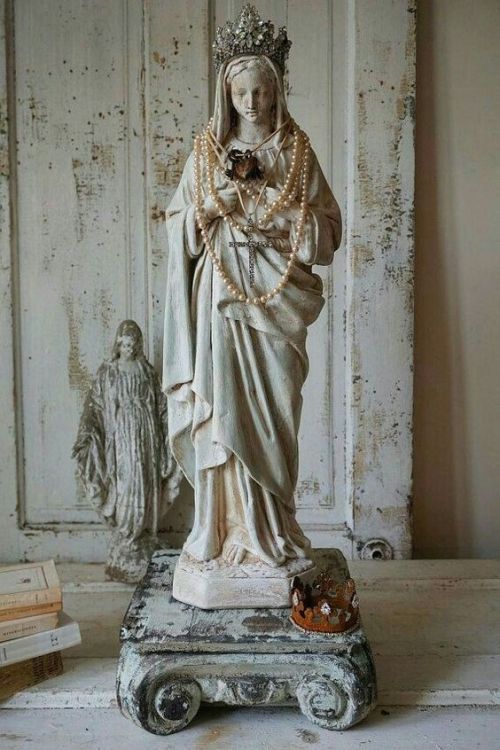
A beautiful statue of Mary seems to be a staple in those gorgeous French Nordic homes filled with brocante.
I thought she was beautiful despite her missing arms. I’m debating trying to find a way to make that look more intentional instead of just broken. We’ll see.
My sister and I each purchased a rusty metal obelisk for the garden. The only odd thing about them was that someone painted just the tops with silver spray paint …
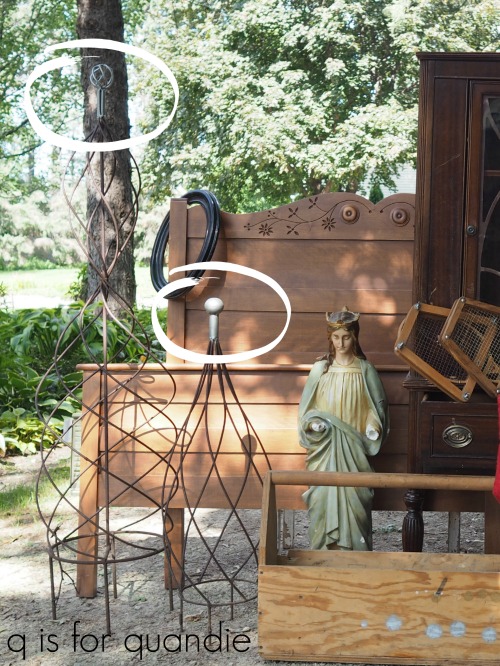
That looked kind of tacky, but I knew that would be an easy fix using the Dixie Belle Patina paint that I used on my rusty garden pedestal.

I also came home with a couple of pieces of furniture. I’m calling the china cabinet my find of the day.
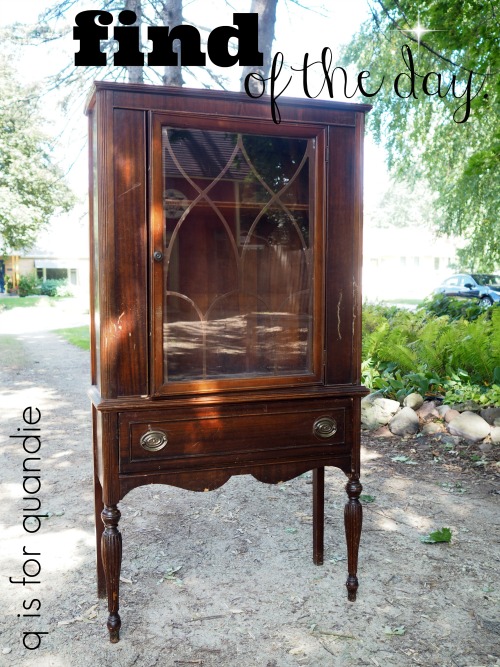
Mainly because it was an incredible bargain, and it was a bit of a miracle that we fit it into the back of my sister’s vehicle.
It needs a bit of work, but my handyman Ken has already started on it, and once he’s done I plan to give it a completely new look.
My sister and I always stop somewhere for lunch on our way home from the sales, and last Saturday was no exception. We had stopped at Applebee’s and were just starting to enjoy our peach sangria’s when my friend (and official picker) Sue texted to tell me about a sale near my house where everything was a quarter. She said they had a nice twin size headboard and foot board and I should check it out.
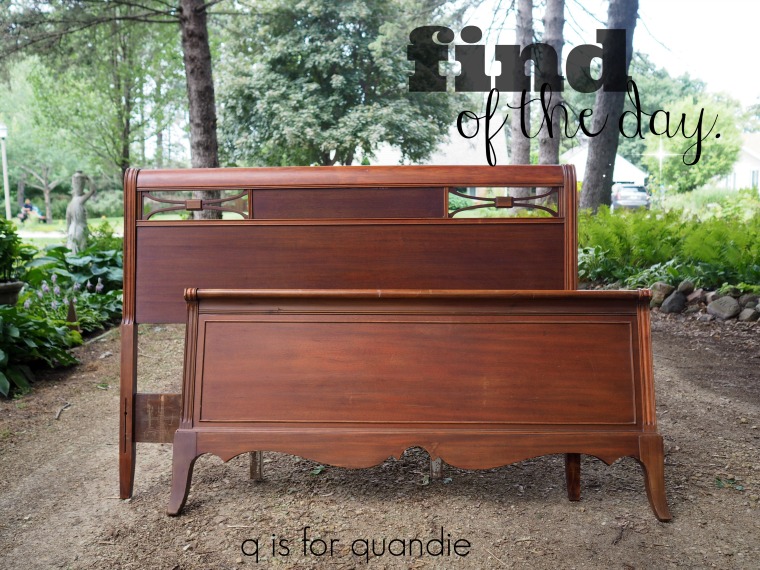
So Debbie and I stopped there on our way home and sure enough they had the bed …

And as advertised, everything was a quarter. Including this bed!
It’s missing its side rails though, so now I’m debating, do I try to find side rails that will work and keep it a bed? Or do I team up with Ken and turn it into a bench?
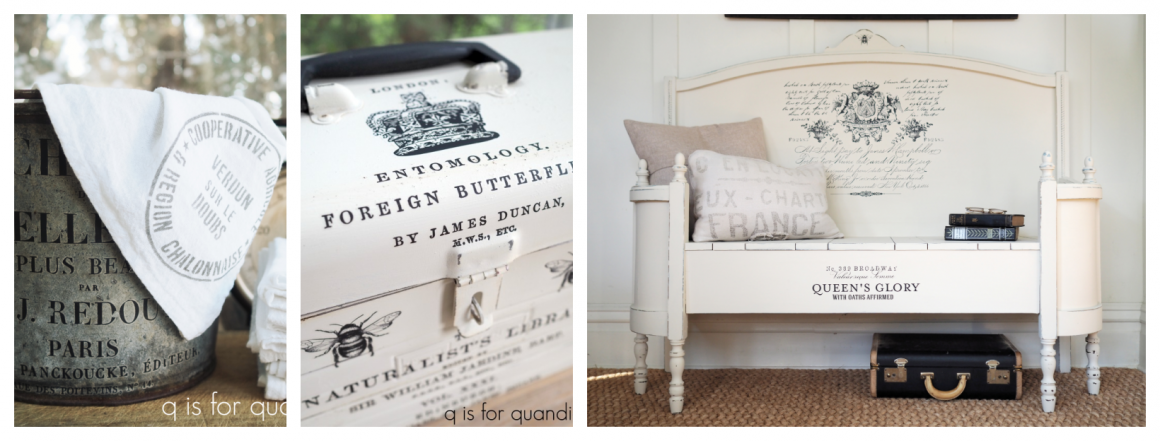
Our other bench still hasn’t sold, so I’m a little hesitant to go with another bench. But this would make a nice one, wouldn’t it? Hmmmm. Decisions, decisions.






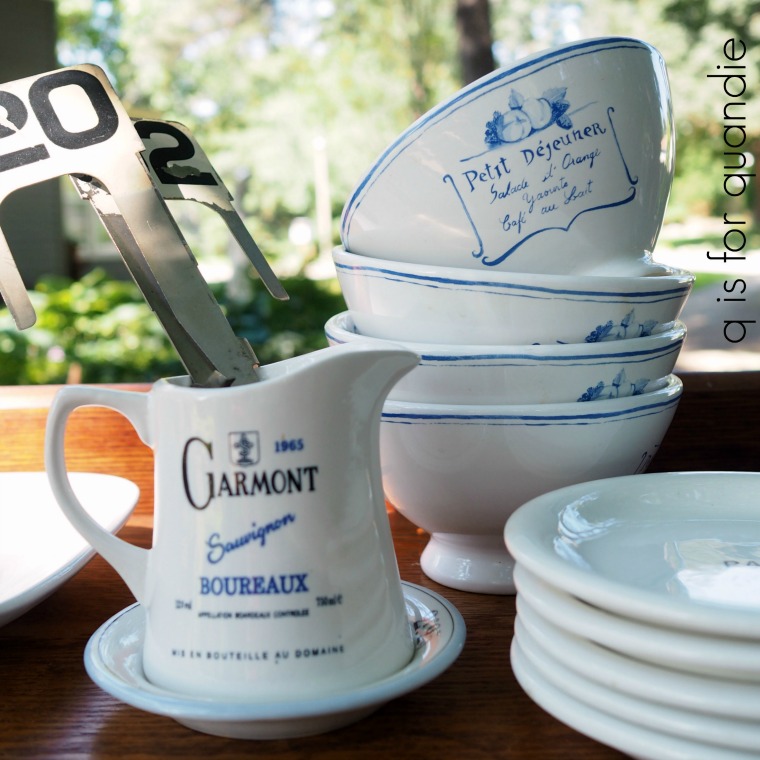
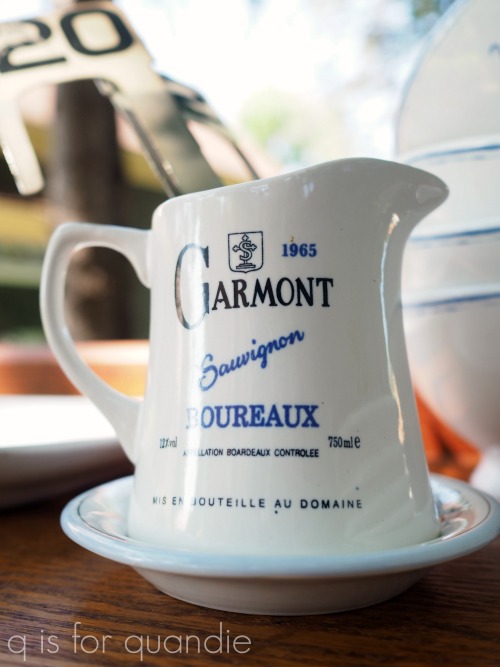
 There are no markings on the bottom of the little pitcher, so it’s hard to say if it’s authentically french or not.
 But I do think this little plate is gen-u-ine.
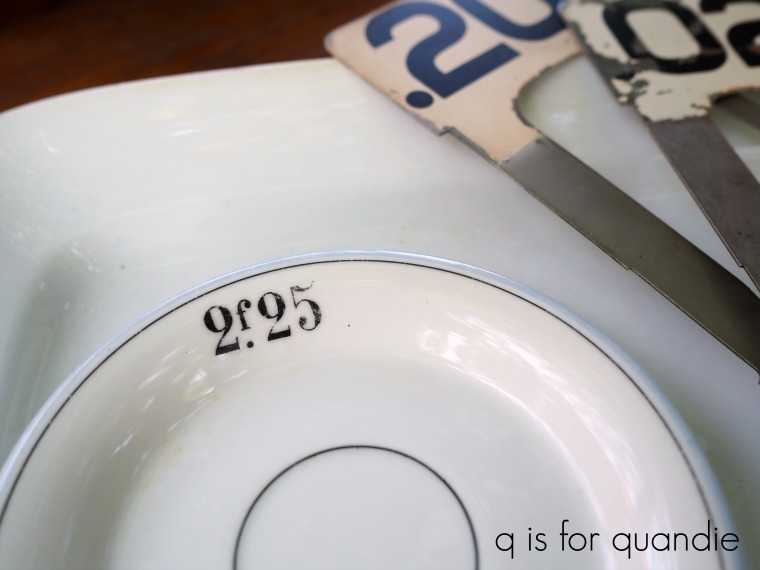 It is marked with a Paris address on the back.