Good morning from the garden!
I decided it was time to stop focusing on the negative and look on the positive side instead. In the garden, that is.
The ‘extreme drought’ that we experienced here in August and early September really did a number on my gardens. I have to admit that lately I’ve been wishing it would just freeze and get it over with already.
Ferns are especially susceptible to drought conditions, and no amount of watering with the hose was able save them.
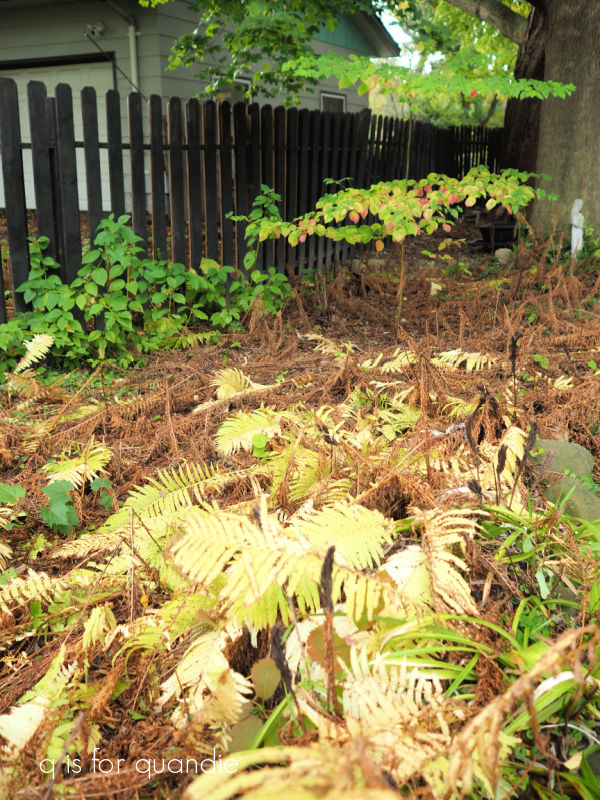
This is a good example of why it’s a bad idea to have a giant bed of ferns and little else. I’d like to dig them all up and re-do this entire area, but it’s full of tree roots (there were two huge pine trees here that we had removed several years ago) and it would be a huge undertaking. I’m not sure I have that sort of ambition these days.
Many of my hostas were hit hard by the drought as well.
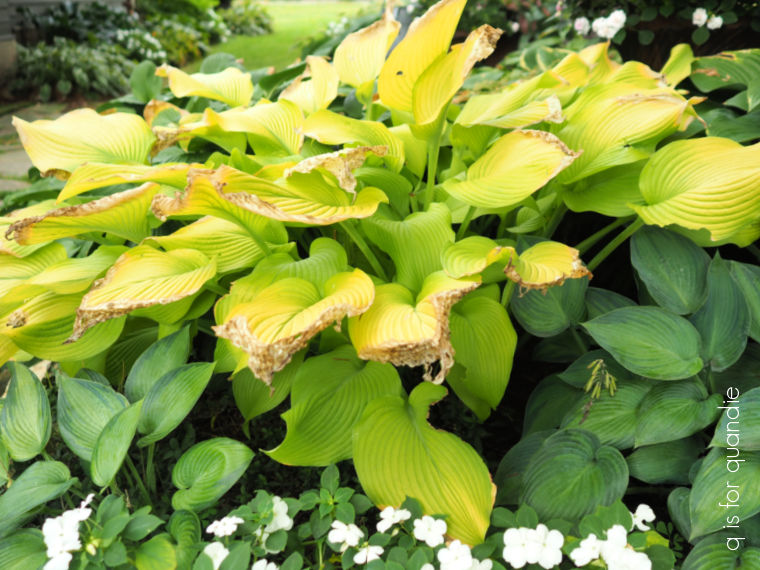
The Sun Power hosta looks terrible. However, some hostas are more drought tolerant than others. The two June hostas on either side of that taller Sun Power look just fine. Knowing what I do now, I would always opt for hostas with thicker leaves. They are more drought and wind tolerant, they suffer less damage in a hail storm and they aren’t as appealing to deer, slugs and earwigs. Just something to keep in mind if you are adding hostas to your garden.
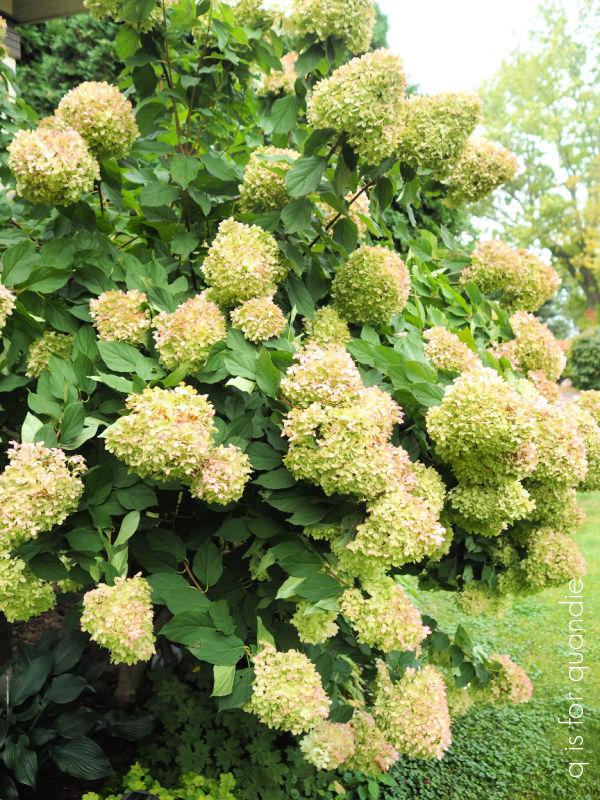
But hey, I said I was going to focus on the positive. There are still some things that look pretty darn good like the paniculata hydrangeas.
My Quick Fire Fab hedge is looking fantastic despite getting munched on by deer when the flower buds were first appearing.
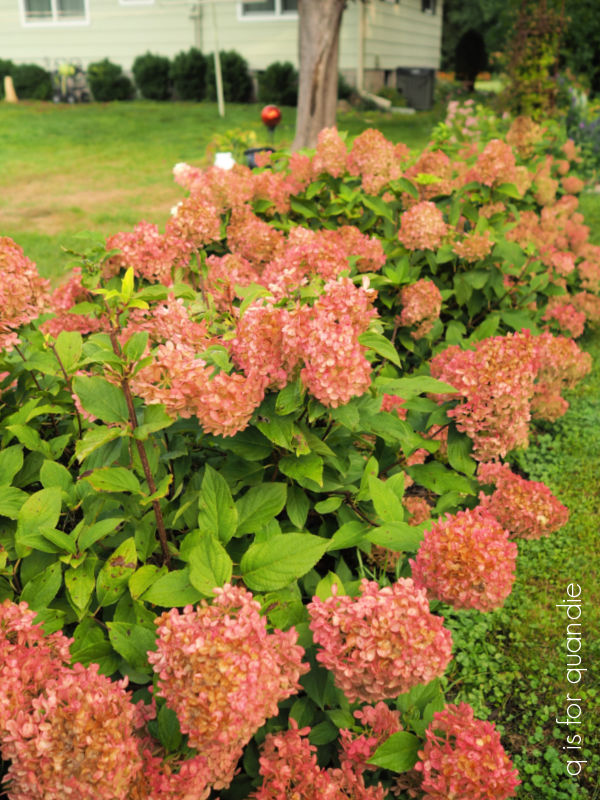
And as per usual, the Limelights are looking gorgeous right now too.
This is also the time of year when the annuals really carry the garden.
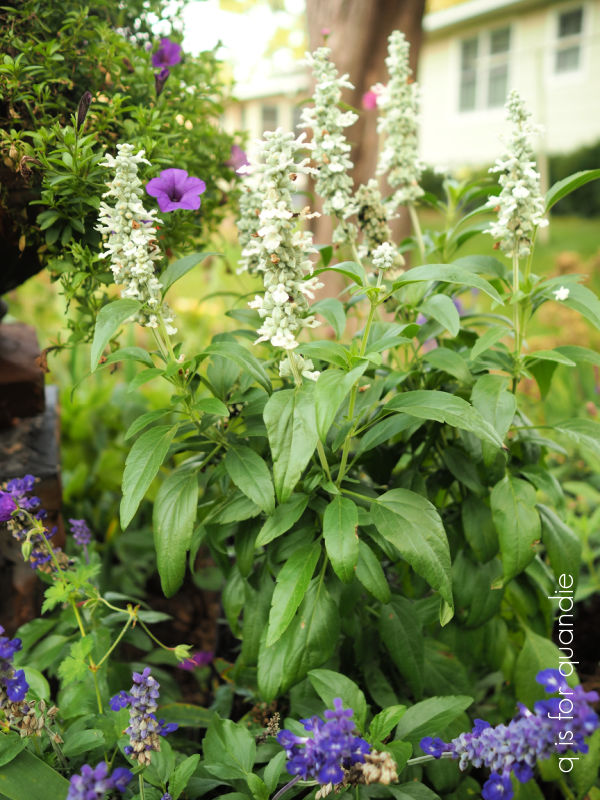
I never used to plant many annuals in the garden itself, I mainly just put them in containers. But for the last several years I’ve been popping them into bare spots.
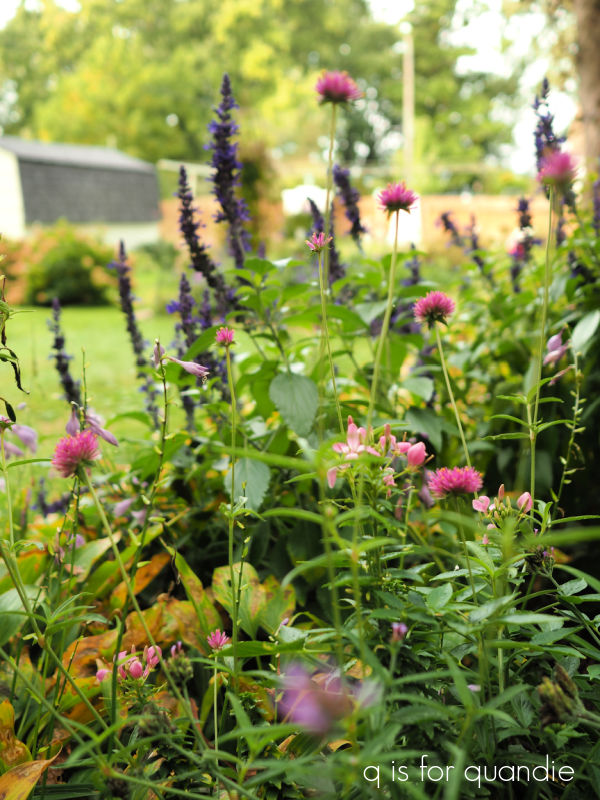
They really don’t do much for most of the summer, but by mid-August they start to come to life. I’m especially enjoying that pink gomphrena that’s finally popping up amongst the other plants.
I have a few coleus scattered about that have started to look impressive too.
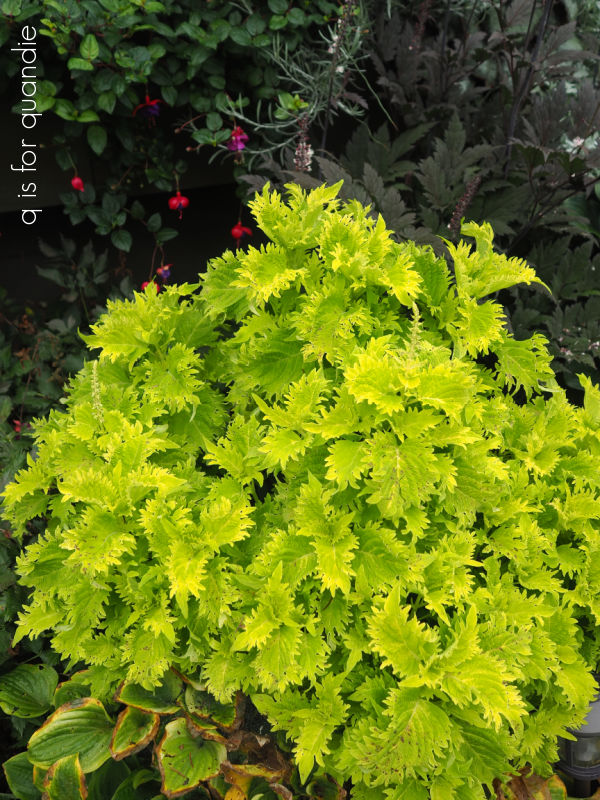
By late September, especially this year, the annuals are one of the few things still looking good in the garden.
Of course, I do still plant plenty of annuals in pots too.
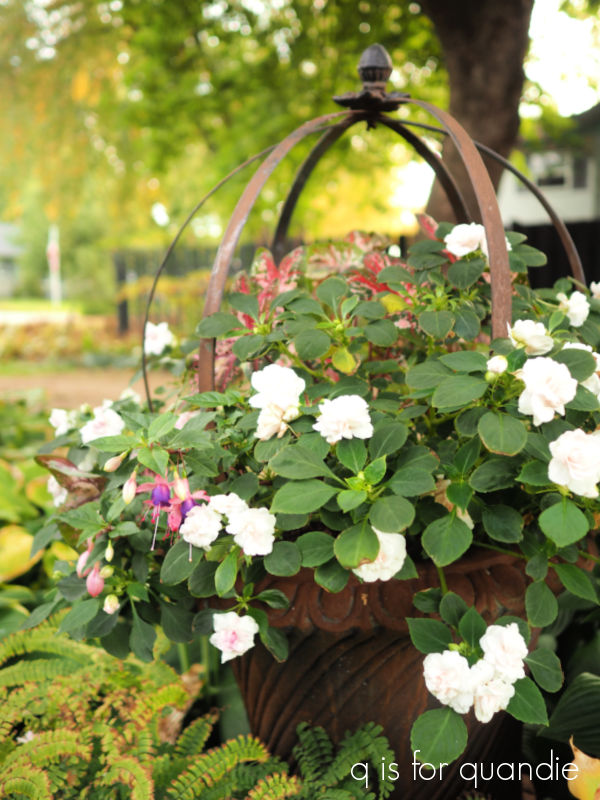
And as long as I remember to fertilize them weekly, they are still performing well.
I did change up a couple of the pots on my deck recently though. I’d had Blueberry Muffin hostas in them along with some Rex begonias and Sea Salt artemesia. I pulled out the hostas and put them in the ground so that they can get established there before winter. I potted up the Rex begonias and I tossed the artemesia.
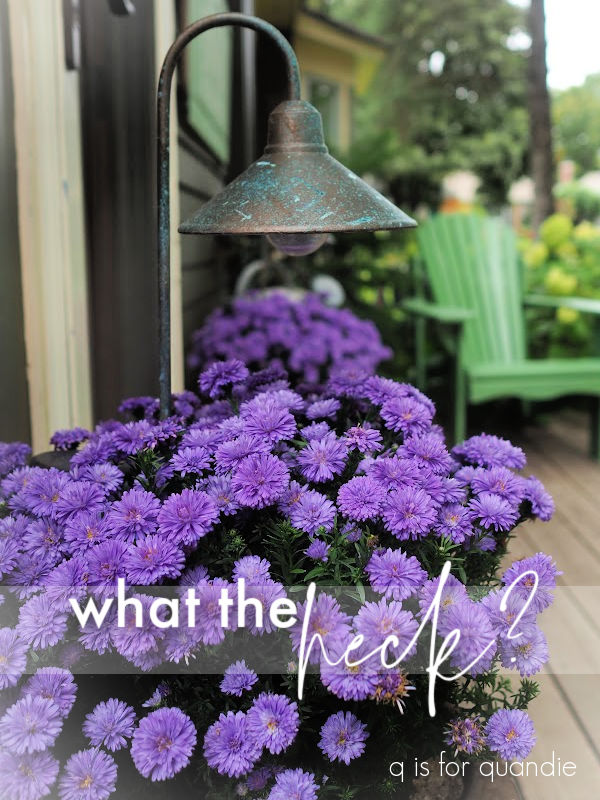
Then I popped in a couple of really gorgeous asters that I purchased at Cub (my local grocery store) for $9.99 each.
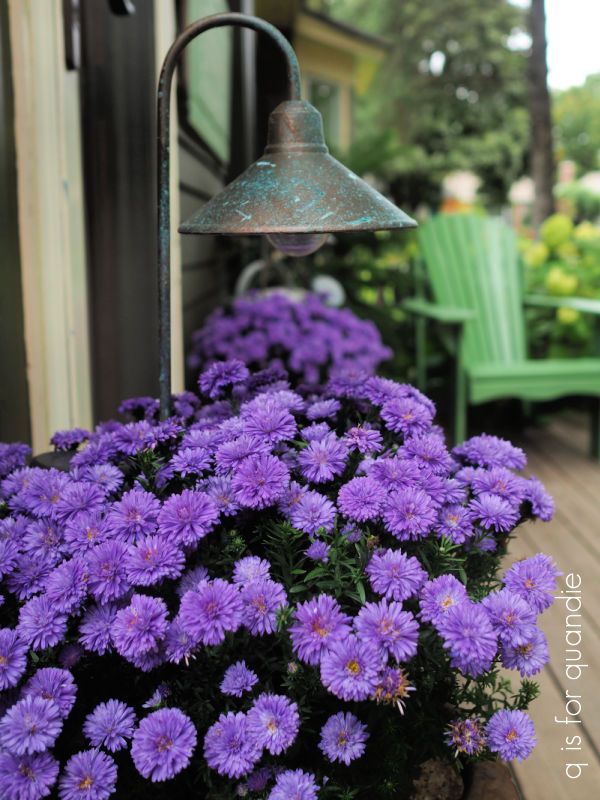
They won’t last more than 2 or 3 weeks, but at $20 for the pair they were definitely worth it. I can always switch them out for something in a more autumn-like color in a few weeks.
While I was out in the garden taking the photos for this post I discovered this …
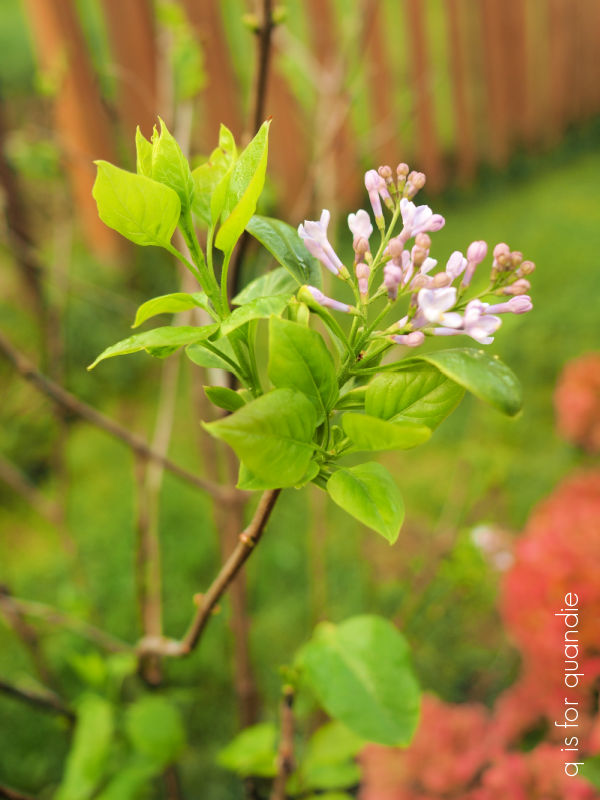
Wait a minute, what the heck? A lilac?! Blooming in September??
Apparently extreme summer stress can confuse the plant’s hormonal cycle (hmmm, I may be familiar with that feeling). It confuses cooler fall weather for spring. This won’t harm the plant, but there may be fewer flowers next spring. Yet another struggle for my less than successful lilac hedge.
Before I end this post I want to share one more plant with you, Heuchera villosa ‘Autumn Bride’.
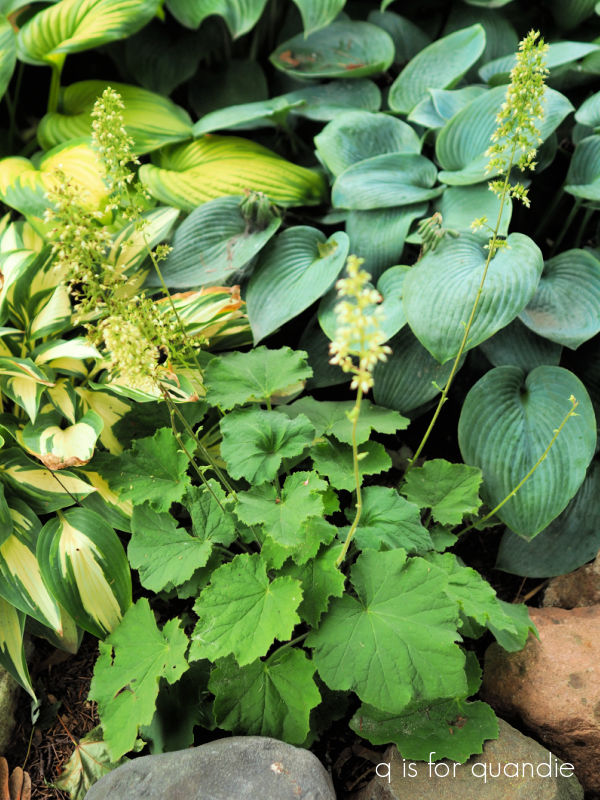
This is a new plant for me this year. I tucked just one of them into this little corner of my shade garden to see how it performs. This plant is supposed to do well in moist or dry shade, it’s deer and rabbit resistant, drought tolerant, low-maintenance and cold hardy (down to zone 3). As you can see, so far it’s doing great. It’s still blooming at the end of September. It doesn’t seem to have suffered from the drought despite not even being well established yet. In addition, this is planted in one of the areas of my garden most affected by jumping worms and the poor soil condition doesn’t seem to be a problem for it.
All of that being said, I have very mixed results with heuchera coming back in the spring. Most of my heuchera suffer from frost heaving and I end up having to dig them up and replant them in the spring, and that’s if they survive at all. However, I have it on good authority (the Impatient Gardener) that this one is especially tolerant of our severe winters (zone 5a) and it doesn’t tend to heave.
So you’ll just have to check back with me in the spring to see if that’s true for me or not.
In the meantime, I’m going to enjoy a lilac in September and those gorgeous asters while they last. I’m sure we’ll get that freeze soon enough!





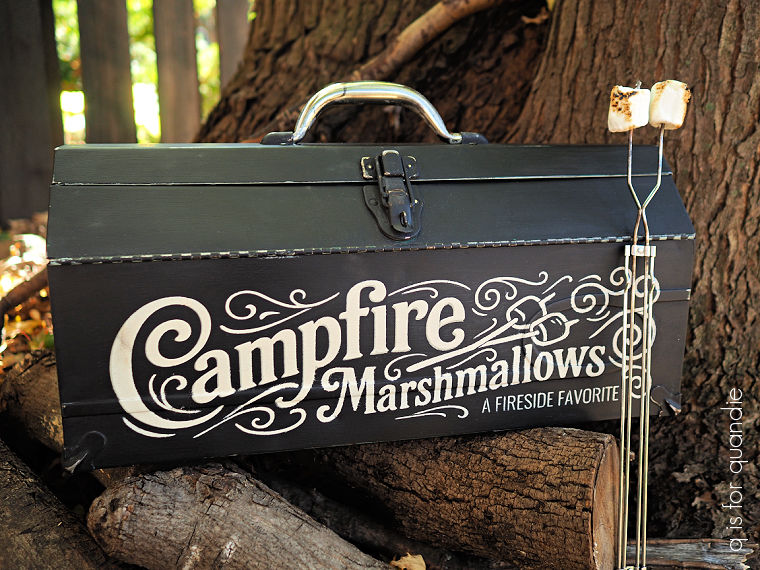
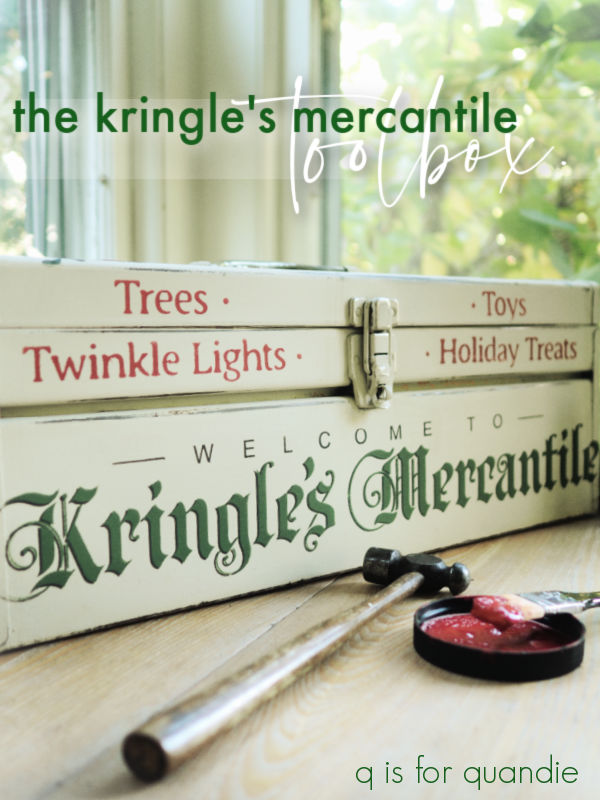
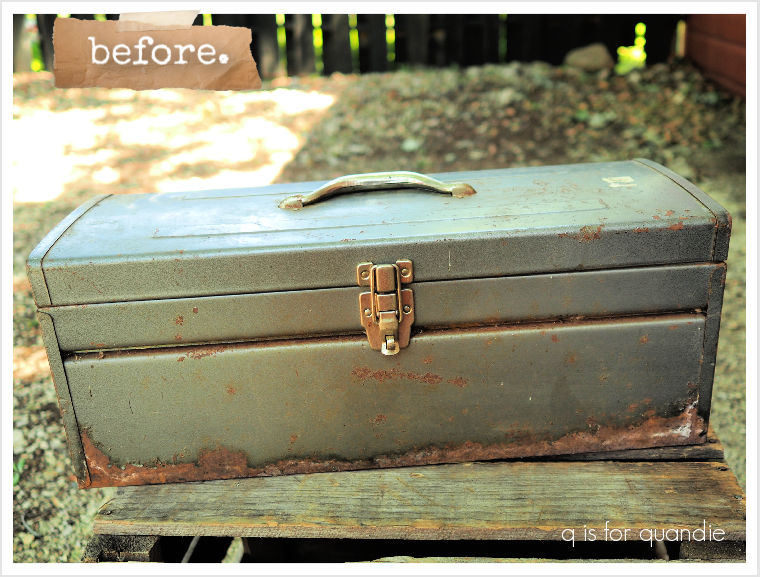
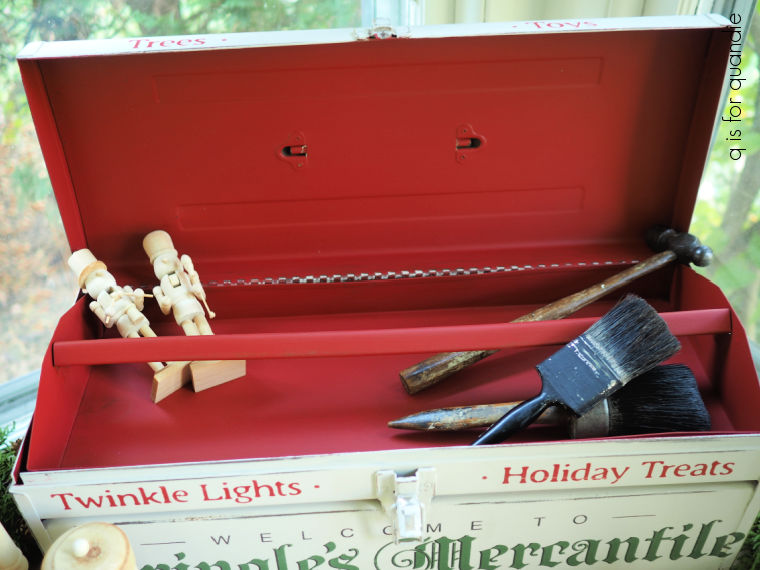
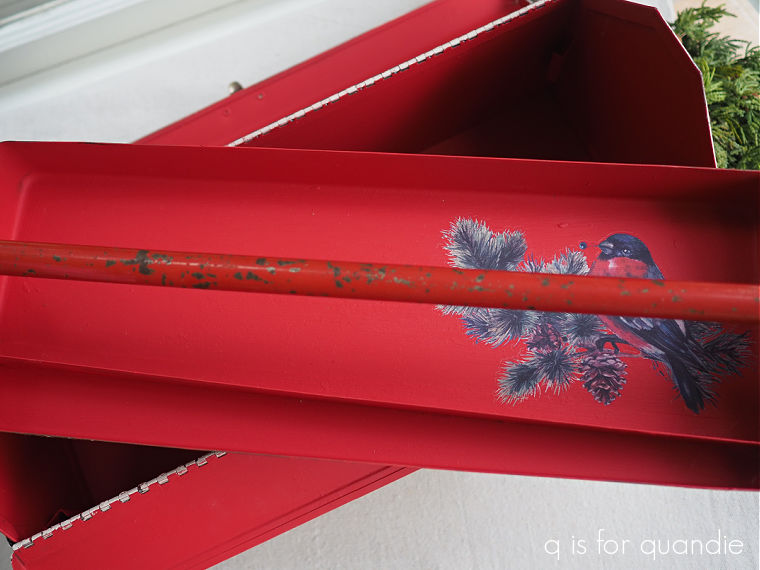
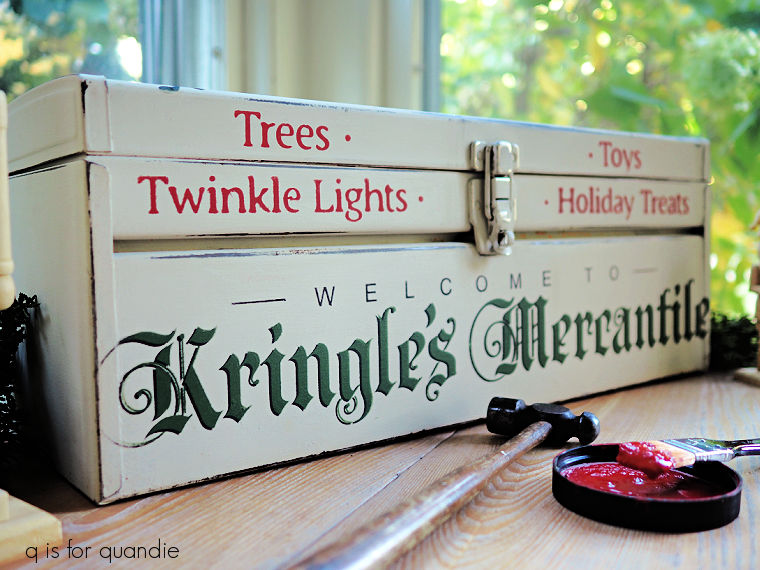
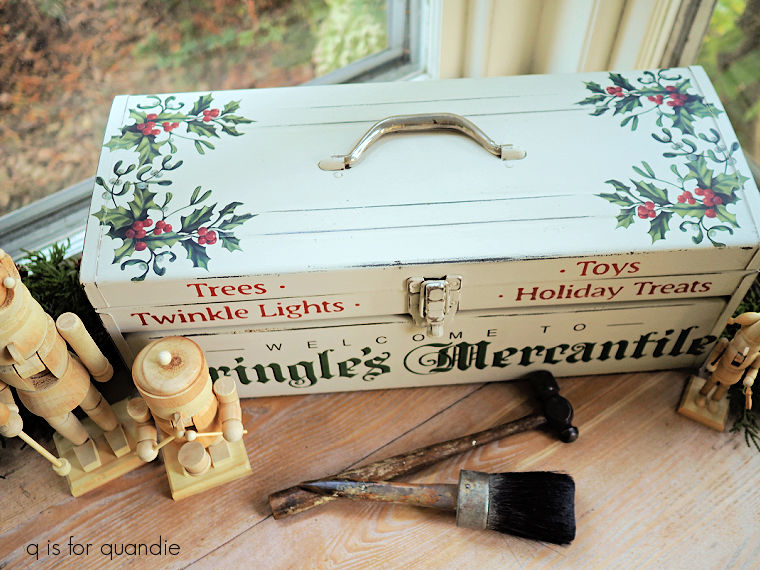
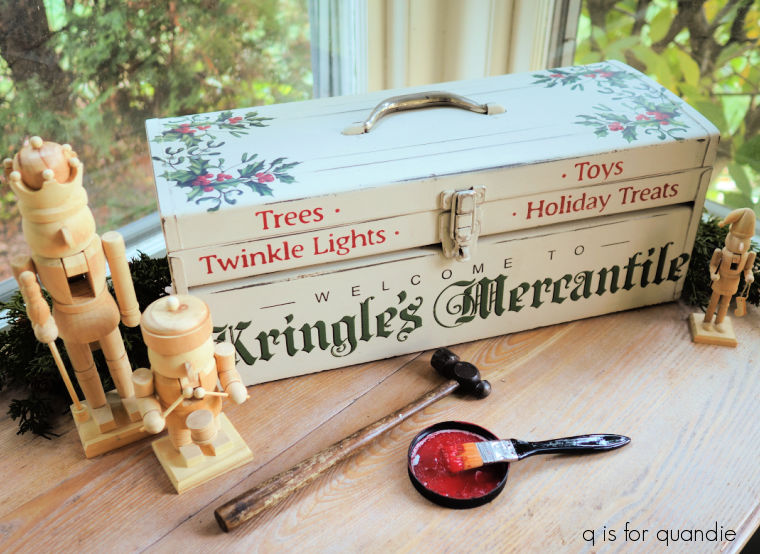






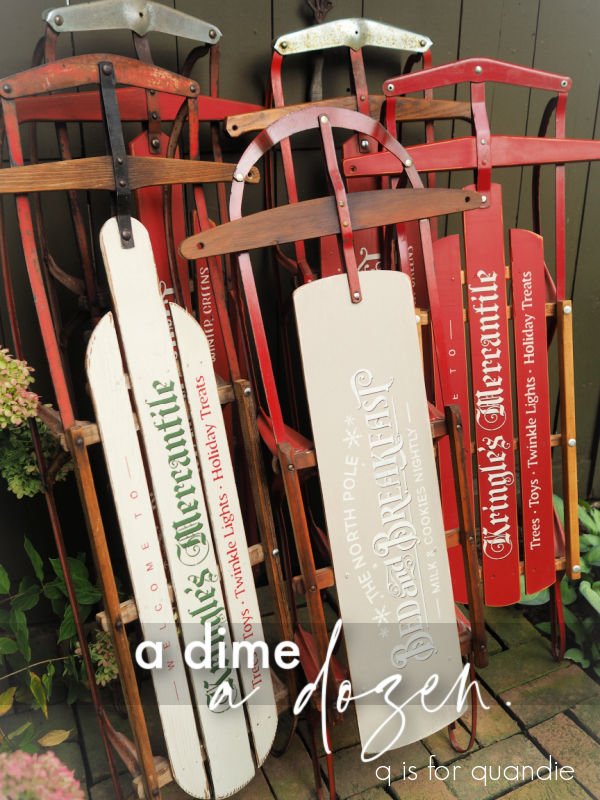
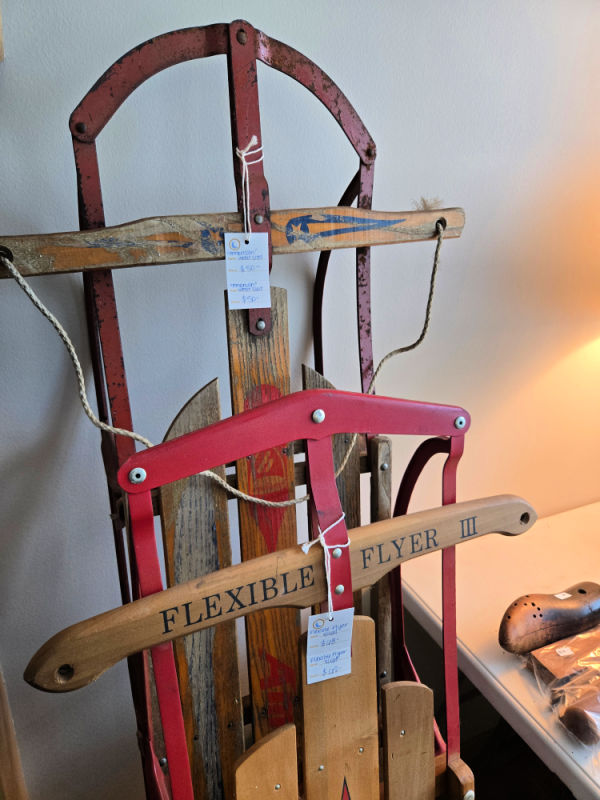
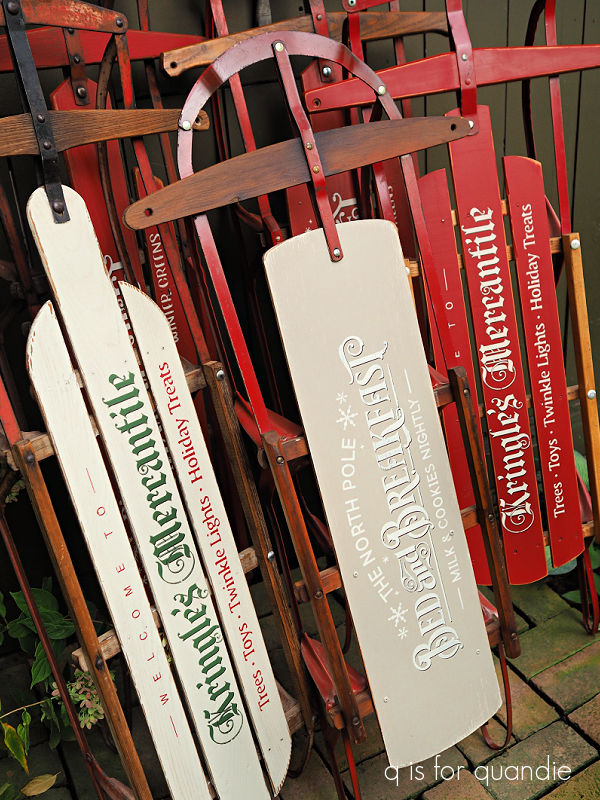
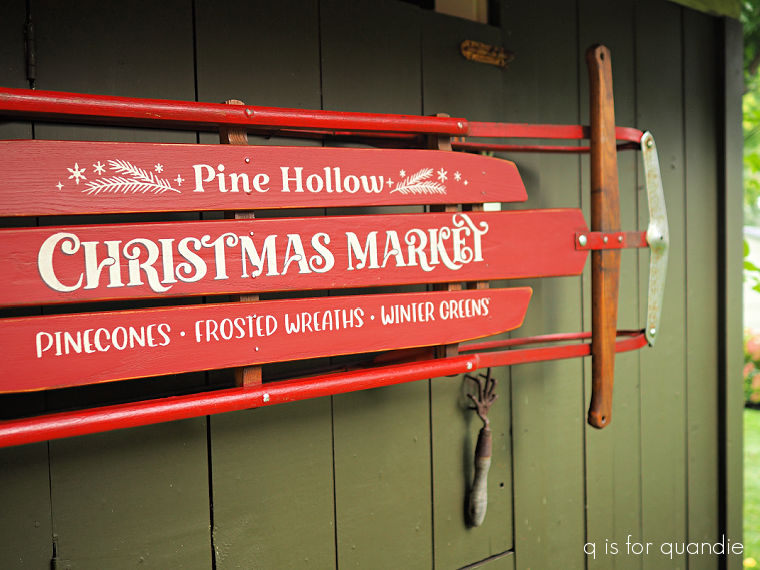
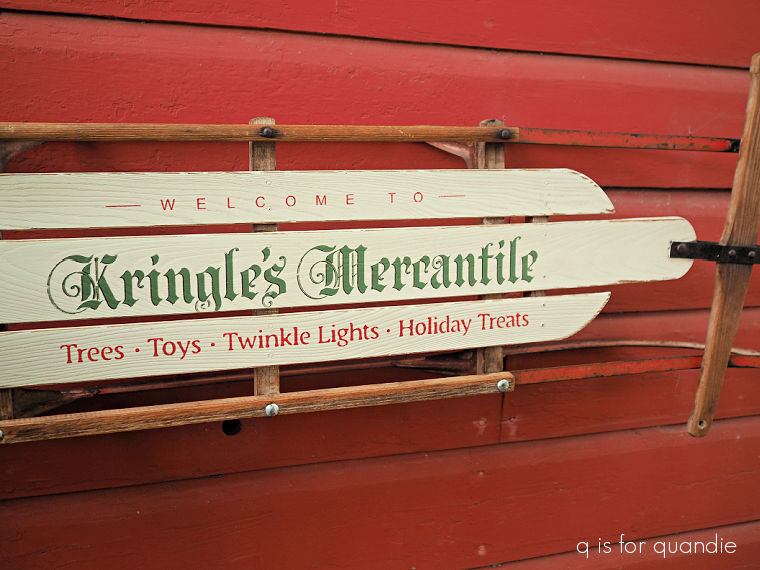
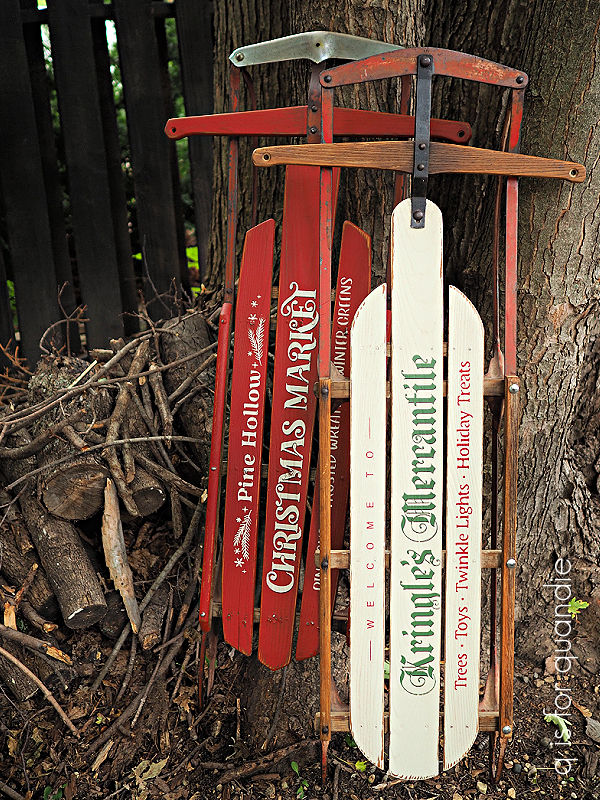

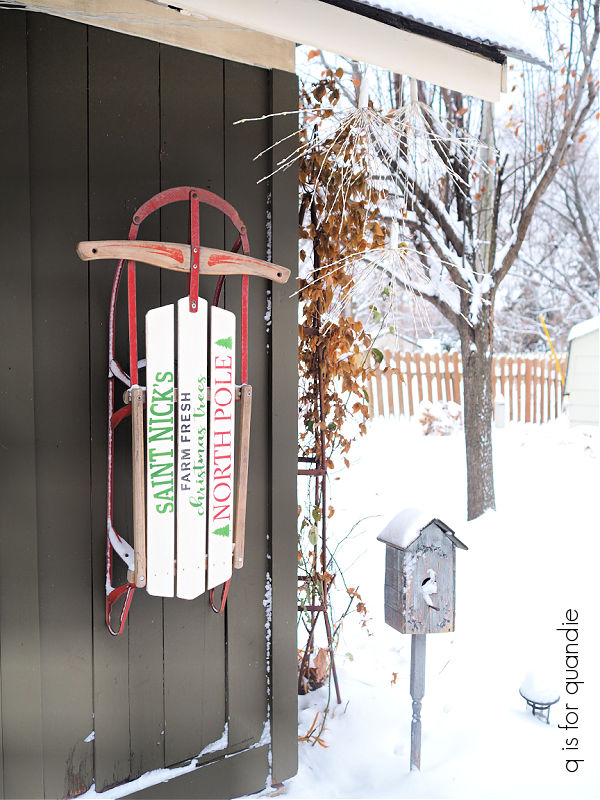
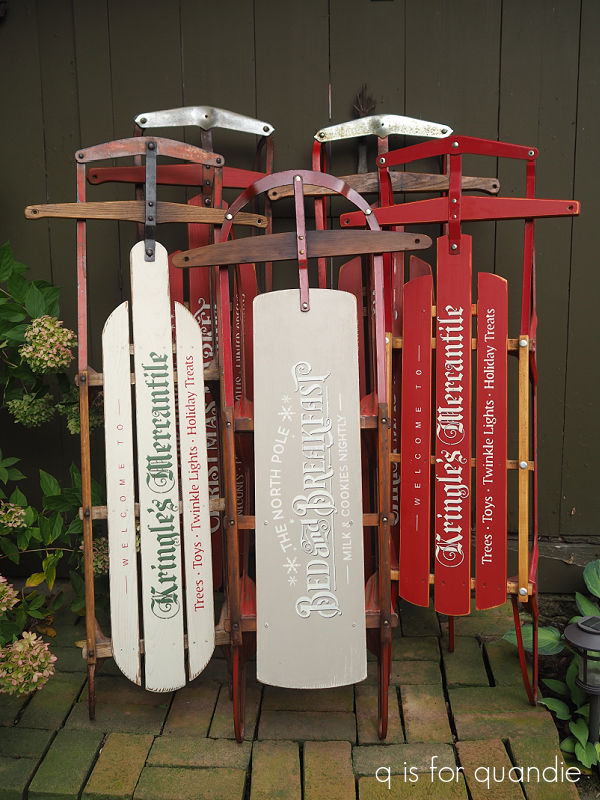
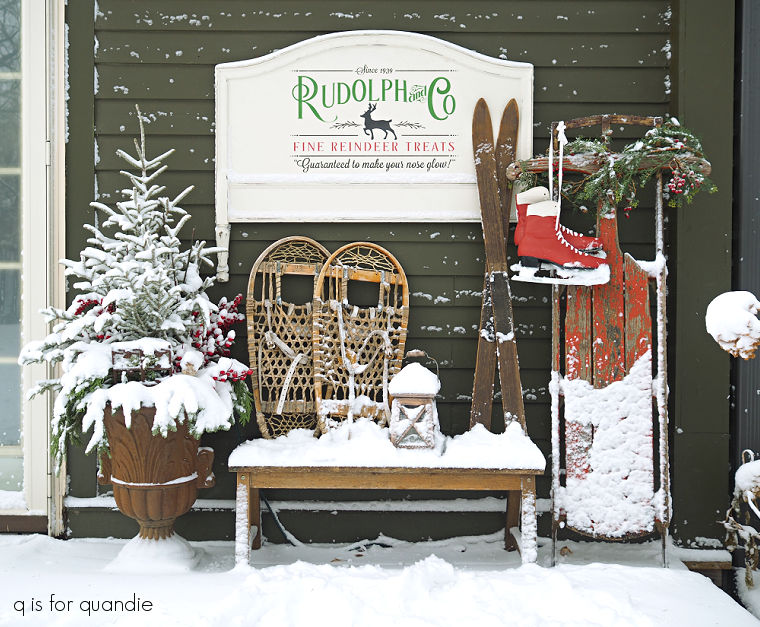 OK, to be fair, that last one isn’t stenciled. I left it in its original chippy red paint because it was just too good to cover up.