
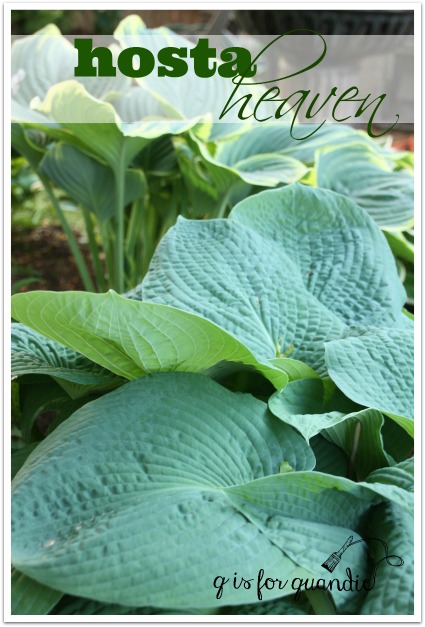
My hostas are doing amazingly well this year. This seems to be the year that many of them have started to ‘leap’. I’m pretty excited about that because it also means that soon I’ll be able to divide and thus have more plants, possibly next spring.
Over the past several years I’ve been putting in some really gorgeous varieties. Unfortunately I haven’t done a very good job of keeping track of all of the names.
I’m fairly certain that this one is Lakeside Dragonfly …
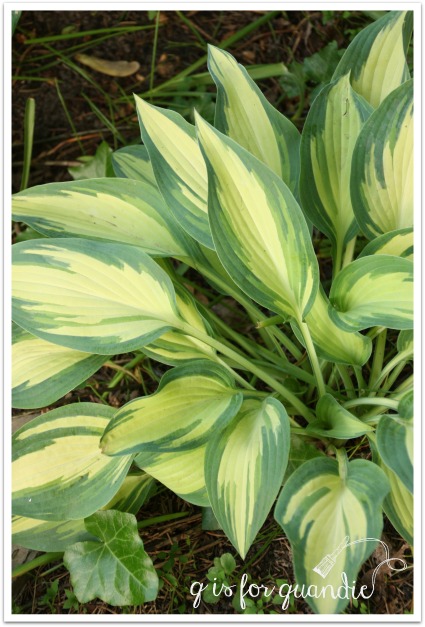
And some of you may remember this favorite that I’ve shared here before called June.
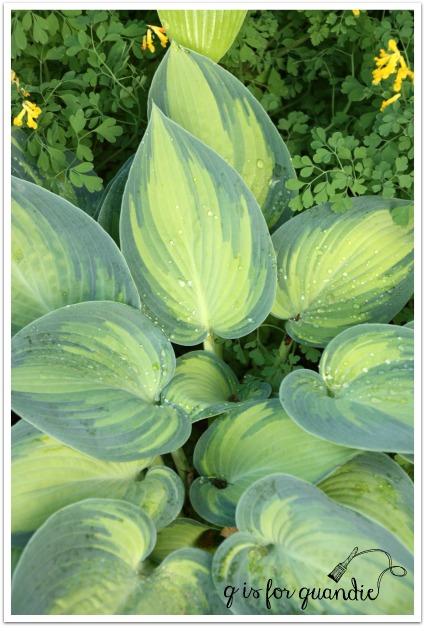
I’ve completely lost track of what this next variety is.
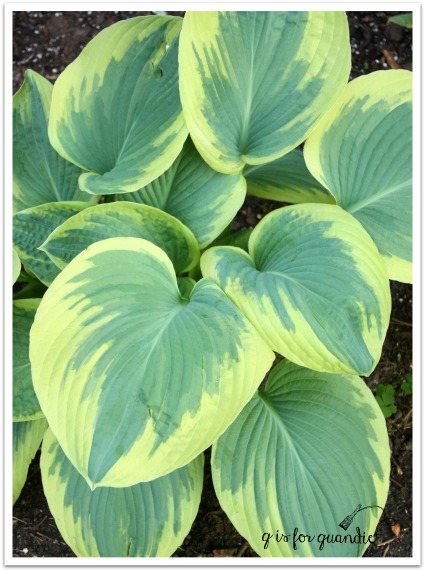
I think there are some gardening snobs out there who sort of turn their noses up at hostas. Maybe because for so many years people used them in foundation plantings without much imagination at all. They just plunked the standard dark green or variegated hostas in evenly spaced holes with rocks around them. Yawn.
But the beauty of growing hostas is what also made them perfect for those foundation plantings, and that is that they don’t require much care. You’ll want to avoid planting them in the full hot sun and you’ll want to watch for slugs, but otherwise they are pretty much care-free. Unless you have hungry deer in your neighborhood, in which case you are pretty much hosed because deer love these things.
I used to think that when the plants started getting really huge you were supposed to divide them to maintain the health of the plant. However, I recently learned that you don’t have to divide your hostas. It’s perfectly fine to let them be huge. The only reason to divide is to get more plants, but if you don’t care about that you can just leave them alone. This was great news for me since I have quite a few really large plants that I don’t necessarily want to divide.
I think the trickiest part of growing hostas is figuring out where to place them in the garden for the best effect. I’m still working on this skill.

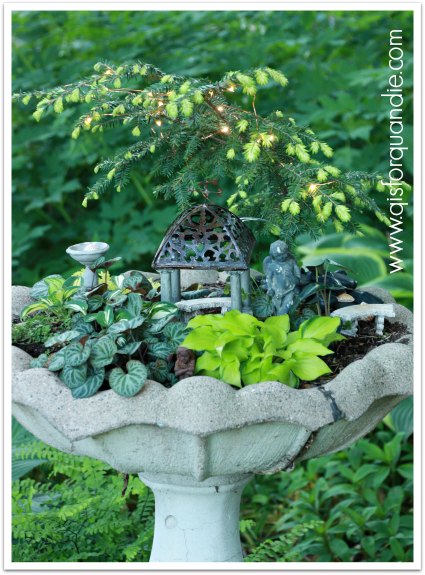
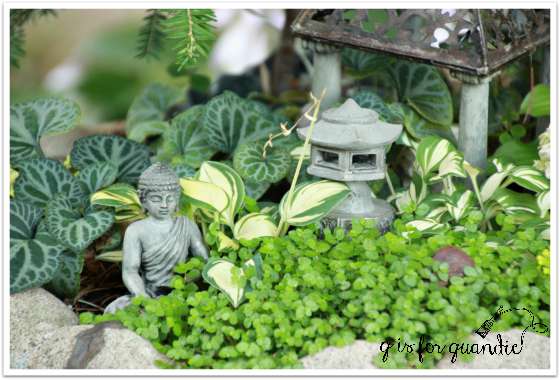
Hostas come in all sizes from tiny mini’s, like the ones in my fairy garden …
To huge ones like Sum and Substance.
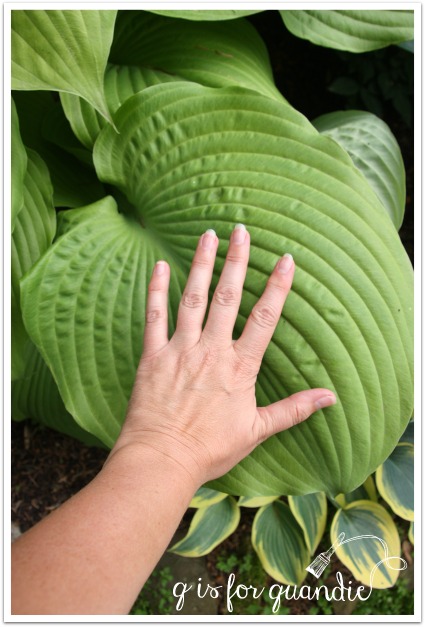
I included my hand there so you could see how big that leaf really is. And keep in mind, I have fairly large hands, not delicate lady-hands.
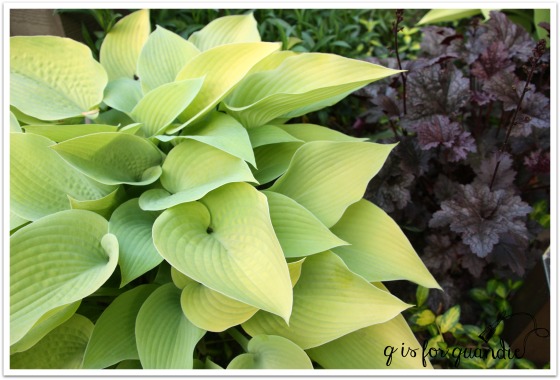
The colors can range from almost yellow like these May hostas that I’ve paired with a Purple Palace heuchera …
to blue, like this variety that I can’t remember the name of!

Hostas can be solid colored like the two examples above, or variegated like this hosta montana “Aureomarginata”.

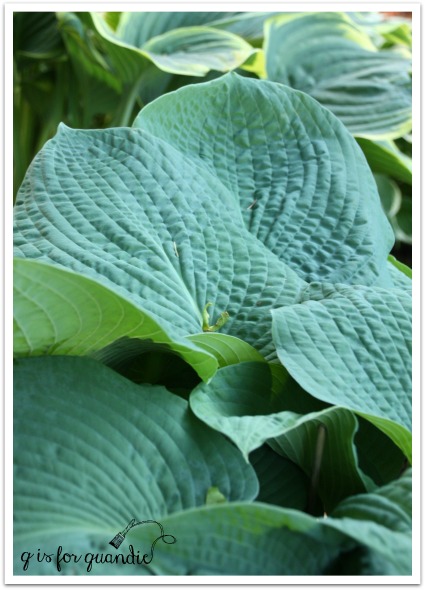
Some hostas have really puckered leaves, they remind me of seersucker fabric.
Upright hostas like this next one grow … well … more upright.
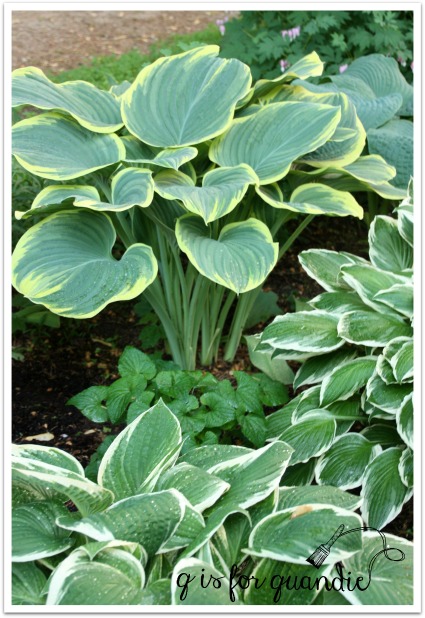
You’ll want to plant something in front of a large upright hosta like this one. I have found that these work beautifully for the center of the garden that is between my house and the driveway. Since this garden is viewed from both sides, I have the taller upright plants in the center with lower plants on either side.
Hostas ‘bloom’ in mid-summer, but I usually cut the flower stalks off mine as soon as they appear. Mostly of them are rather straggly and messy looking, although there are a few varieties that have a showier flower. There is no need to allow the flowers to grow unless you plan to try harvesting seeds. I’ve also read that removing the flowers allows the plant to focus all of its energy on growing more leaves. So I say “off with their heads!”
How about you, do you grow hostas? Do you mercilessly hack the flowers off like I do?












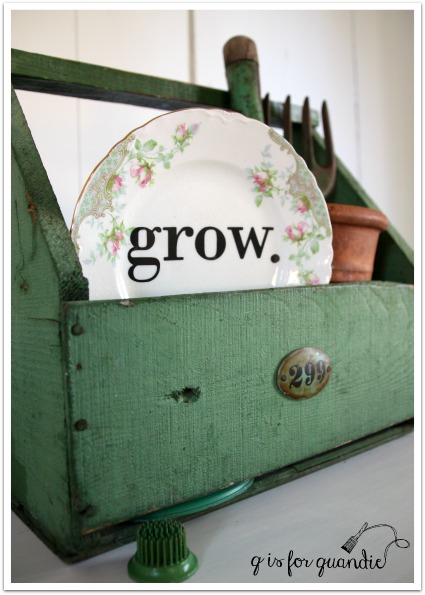



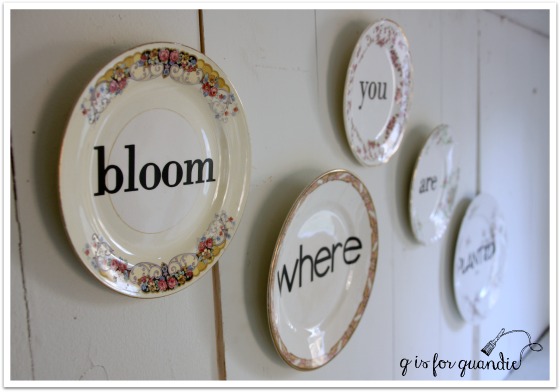



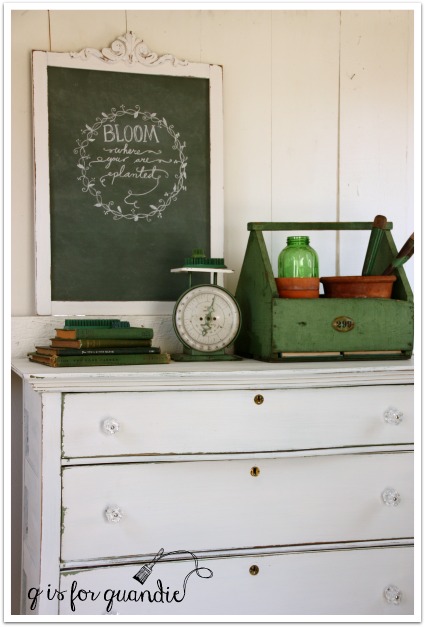
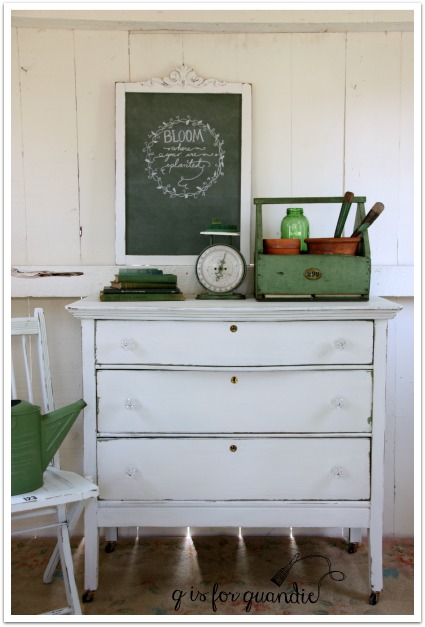
 I have lots of fab garden-y props, all in lovely shades of green.
 This green box usually resides in my pantry holding cleaning supplies.









 q is for quandie