

I am about to give you some advice about taking care of your brushes, but first I have to admit that I tend to be fairly bad about that myself. This is partly why I prefer working with the more affordable Purdy brushes. If I end up ruining one I don’t feel quite so bad about it. But it’s not hard to clean your brushes, especially with the right products.
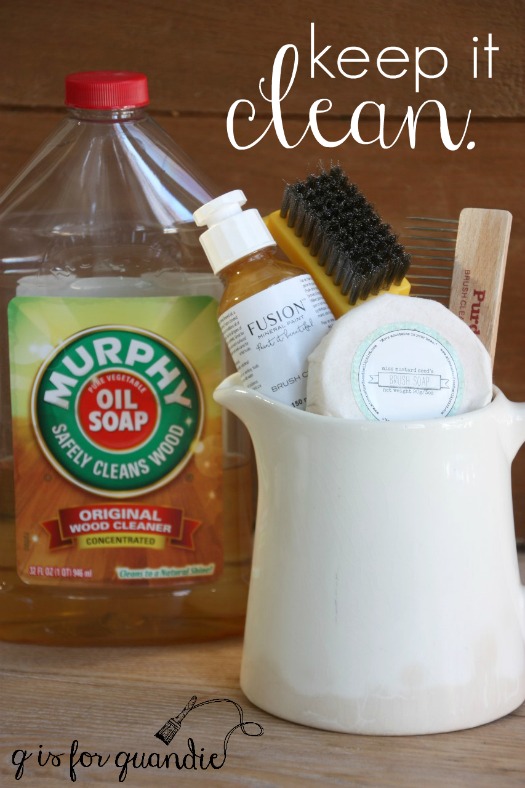
I have a few favorite non-toxic products that I keep on hand for cleaning my paint brushes.
My first go-to product for quick everyday cleaning of a freshly used paint brush is the Miss Mustard Seed Brush Soap. This soap will clean and condition your brush. A while back I wrote about the pretty ironstone covered soap dish that I purchased just for my brush soap.

This dish with the MMS soap inside sits right next to the faucet on my kitchen sink for easy brush washing. My theory is that if I have the brush soap right there ready to go I’ll be more likely to get my brushes cleaned promptly. Obviously getting your brush cleaned before the paint has time to dry and harden is the best option. To clean my brush using the MMS Brush Soap I simply rinse the brush first in running water removing most of the paint, then I swish my wet brush over the cake of soap a few times. Finally I massage that soap into the brush using my fingers and get it nice and sudsy, working it into the bristles. Then I rinse well and hang to dry.
But, I gotta be honest, that’s what happens in a perfect world.
In the real world I keep a supply of cheap plastic sandwich bags on hand (the fold over kind, not the zip lock kind) and when I am in between coats of paint I wrap my brush in the sandwich bag so it doesn’t dry out. Unfortunately, sometimes I get distracted and that brush sits in the sandwich bag overnight. When this happens I pull out some slightly more serious cleaning tools.
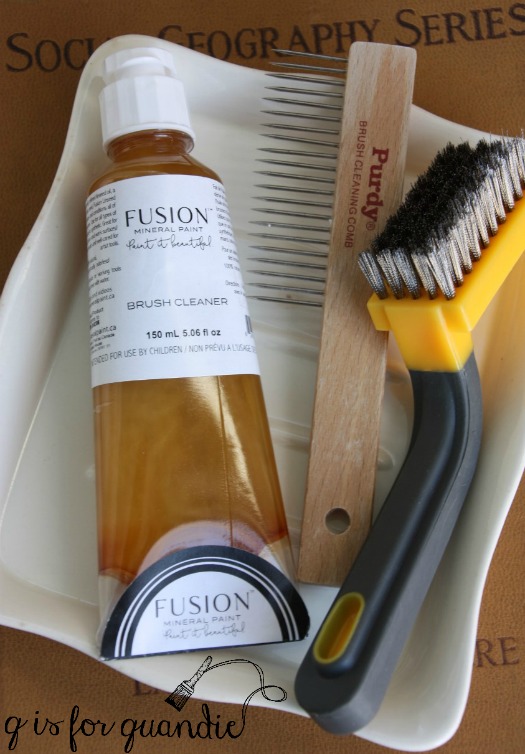
I really like the Fusion Brush Cleaner. It’s 100% natural, non-toxic, made with linseed oil and I like the mild scent. There are just two reasons I don’t just use this product every time I clean a brush. First, it doesn’t fit in my adorable ironstone soap dish and second, it’s a little hard to squeeze out of the tube. So, it’s just slightly less convenient than the MMS Brush Soap. However, when I have a bigger brush cleaning job I pull it out of the cupboard.
I just purchased that pretty new tube shown above at Reclaiming Beautiful (so locals, you can find it there if you want to try it) because the tube I had looks like this …
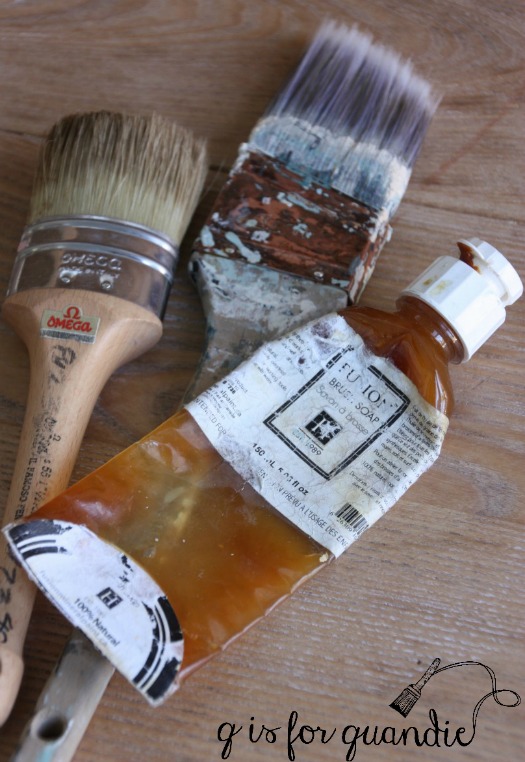
Yep, it’s almost gone and it’s totally beat up and well used and that’s because … well … I forget to clean my brushes promptly with some frequency.
To use this product I again rinse my brush under running water and then squeeze a dab of the brush cleaner onto my fingers and massage it into the brush. If your brush has lingered in a plastic sandwich bag overnight you are likely going to find some globbier bits of dried paint on it, so while the brush is still all sudsy from the brush soap you can use a small steel brush to remove hardened paint bits from the outer bristles. I got mine for less than $3 at Menards. A brush cleaning comb will help remove residue from the center of the bristles. Once clean, rinse the soap off your brush and hang it to dry.
By the way, the Fusion Brush Soap is also great for cleaning paint off your hands or off your sink. Just rub the soap on and then rinse with water. I’ve heard you can also use it to get paint out of carpet, but I don’t have any carpet so I’ve never tried that.
Now, sometimes things get really out of hand and I totally forget about that paintbrush in its sandwich bag for several days. Ugh. This is a great way to ruin a paintbrush. This is the only time I will resort to soaking a paintbrush. Soaking your brush is not a good practice. It will loosen up the glue that holds the bristles in place. Not only that, but just leaving your brush standing bristle end down in a jar for very long will bend your bristles ruining the shape of your brush.
But if you’ve completely forgotten about your brush and you are at the point of either soaking it or throwing it away, you can try soaking it in a container with a capful of Murphy’s oil soap and warm water.
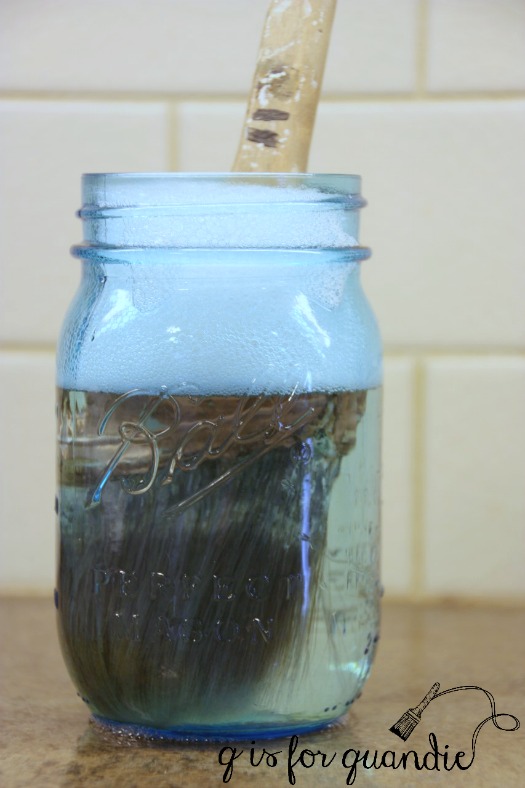
This will help, but it won’t work miracles. All of the products I’ve mentioned so far are safe, natural, non-toxic cleaners. That’s where I draw the line personally. You could resort to using things like mineral spirits or one of the toxic heavy duty brush cleaners out there but I prefer to work with products that can be washed down the drain rather than products that have to go to the hazardous waste facility when I’m ready to dispose of them.
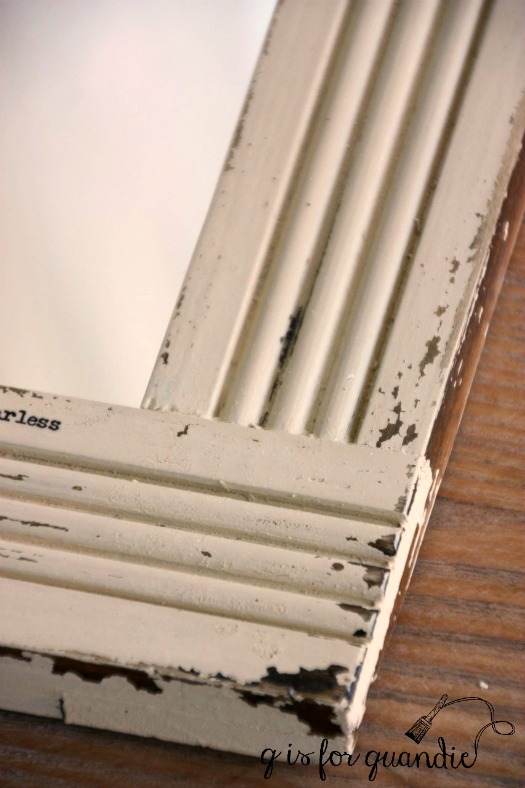
One thing I’ll note here about working with milk paint specifically is that if you don’t clean your milk paint brushes thoroughly and promptly, the paint starts building up near the metal ferrule of your brush and it will harden like concrete. Here’s an example of what that looks like …

For this reason you should especially try to be more conscientious about getting your milk paint brushes cleaned promptly. Unfortunately I do not take my own advice and I’ve ended up with a few brushes like this. This brush was a good candidate for an experiment on how well these cleaning methods work. I started with Fusion’s Brush Cleaner and my wire brush. After cleaning with those two items, that same brush looked like this …

It certainly looks cleaner and I got a good bit of the hardened paint off the outside of the bristles, but deep inside the bristles it’s still hard as concrete. So next I soaked the brush overnight in the Murpy’s Oil Soap. The next day I took it out and cleaned it again with my steel brush and some Fusion Brush Cleaner and it looks like this ….
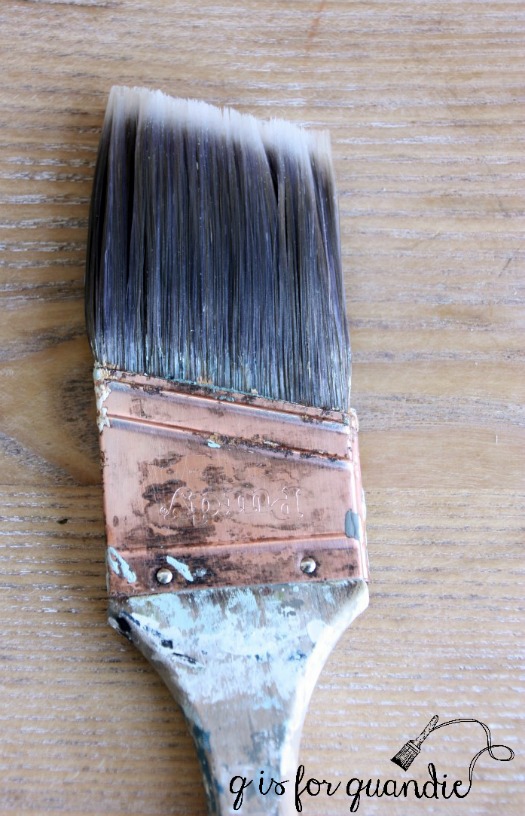
You can see that it’s gotten a little bit cleaner with each step. The metal ferrule is definitely cleaner, and the outside bristles have cleaned up fairly well. But there is still a hardened clump of milk paint inside the bristles up near the ferrule.
But this brush isn’t a total loss for me. I definitely got it cleaned up well enough to continue to use it for milk paint until it’s a complete goner.
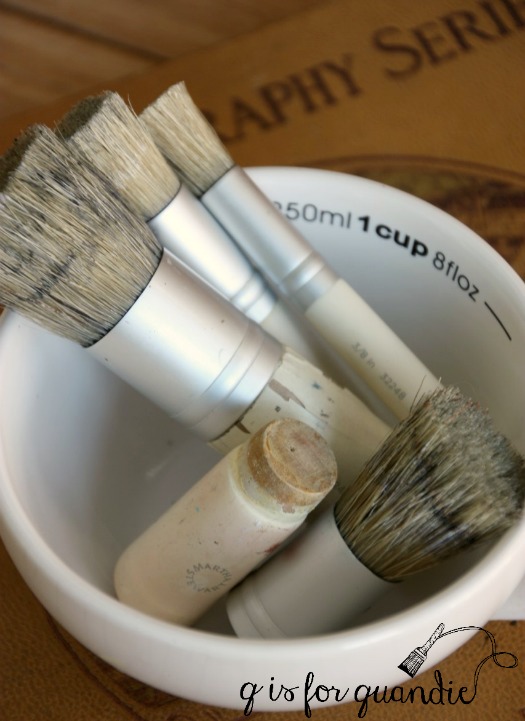
By the way, you can also use the Fusion Brush Cleaner to clean your wax brushes. I don’t bother with cleaning my wax brushes every time I use them. That’s probably a bad practice too. They do harden up a little, but if you work them a bit with a clean cloth the bristles will become pliable again and the old wax will mostly flake off. But especially for this post I decided to go ahead and clean mine.
Here they are before cleaning.
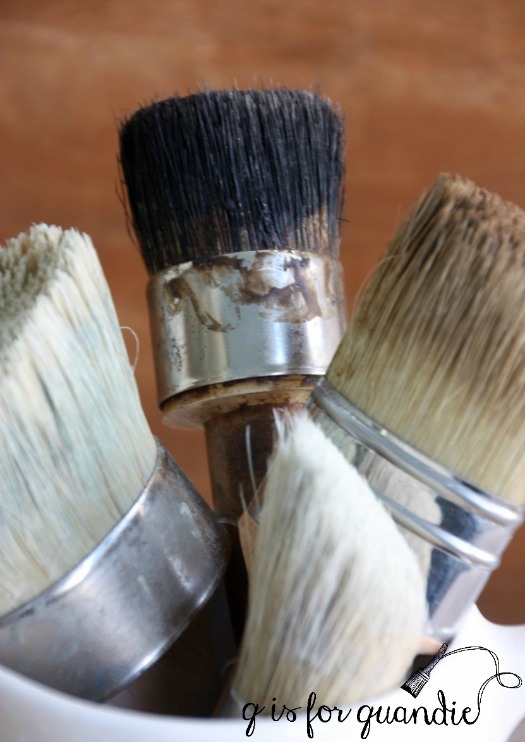
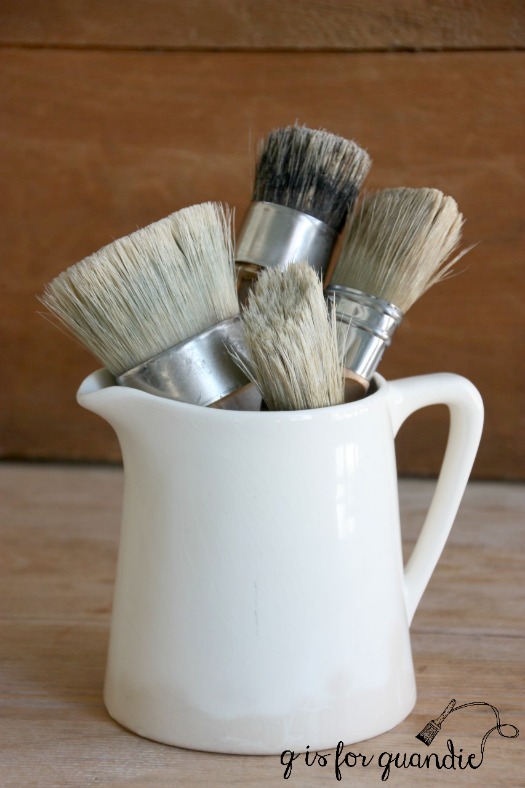
To clean them I just ran them under warm water, massaged some Fusion brush cleaner into the bristles and then rinsed. For the black wax brush I had to rinse and repeat with a second washing. Here are my nice clean wax brushes.
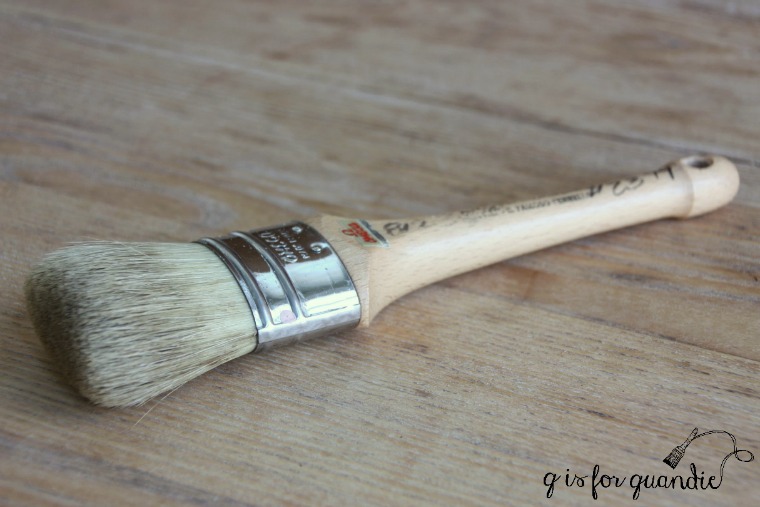
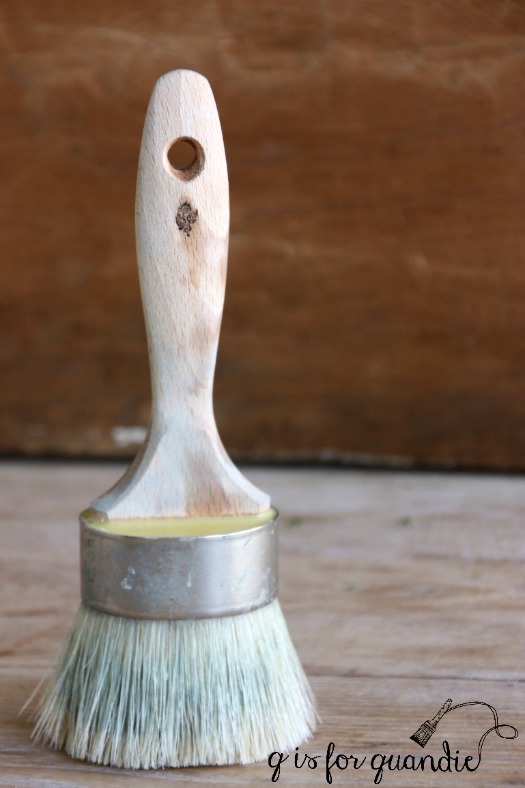
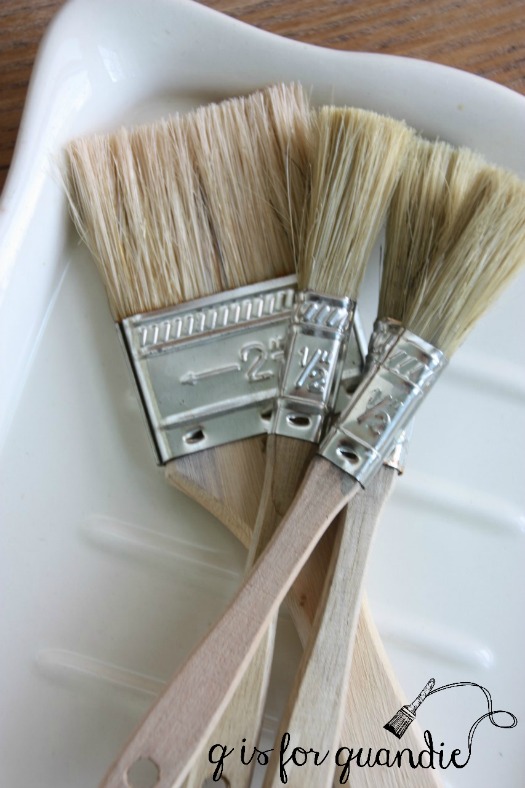
Once your brushes are clean, you should always hang them to dry. That’s why they have that hole in the handle. Hanging them to dry serves two purposes. First, any excess water can drain out of the brush rather than being trapped in the ferrule. Second, the bristles won’t get misshapen.
Finally, once dry you should go ahead and put them back into the protective sleeves that they came with (if indeed they came with one). Yeah, don’t throw those sleeves away! This is the best way to protect your brush and help it keep its shape when you’re not using it.

If all else fails and you’ve ruined your brush but you just hate to throw it away, you can always add some rub-on graphics to your ruined brush and hang it on the wall as decor 😉
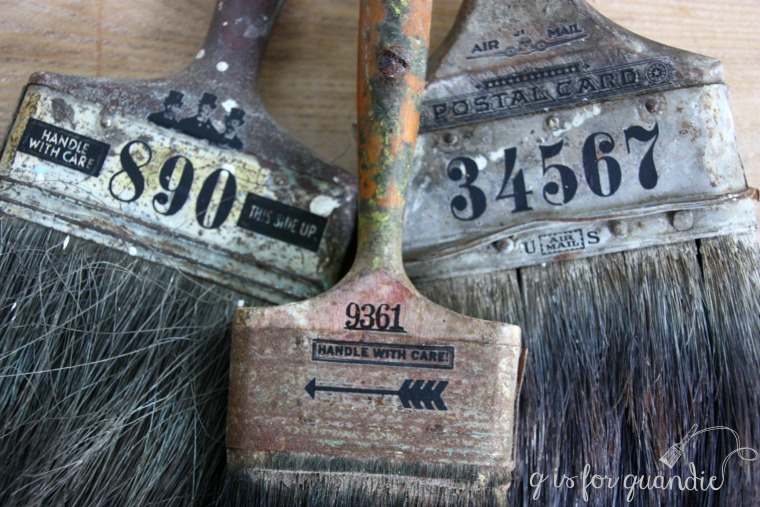
To summarize, do as I say, not as I do and clean your brushes promptly. Or, go ahead and do as I do and don’t lose sleep over the occasional ruined brush. We all need an excuse to periodically buy a fresh new paint brush, right?








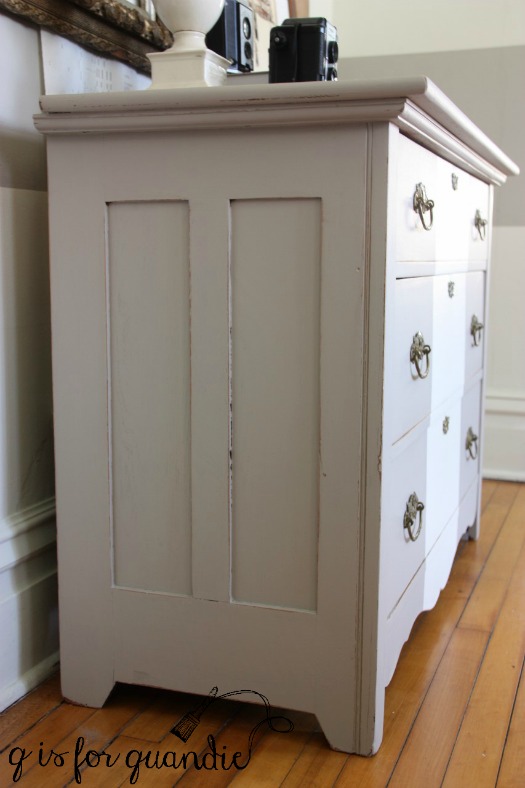

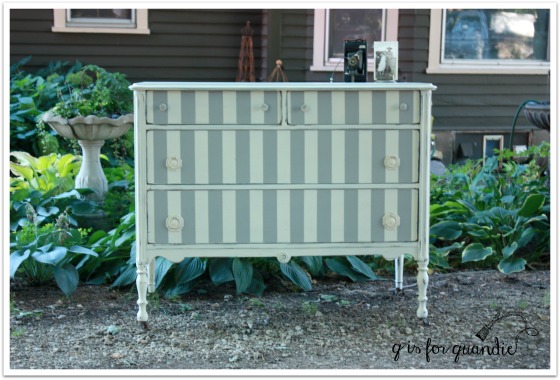
 When I posted the farmhouse chippy cabinet on Monday, I mentioned that I ran out of paint and had to request more from Homestead House to complete my project. When I sent in that request I included a photo of my original chippy mess and explained that I had it nearly under control, but had run out of paint!

















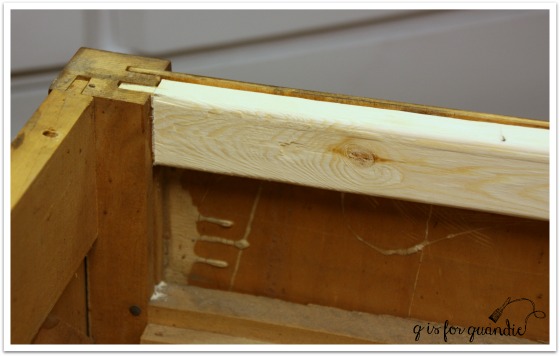
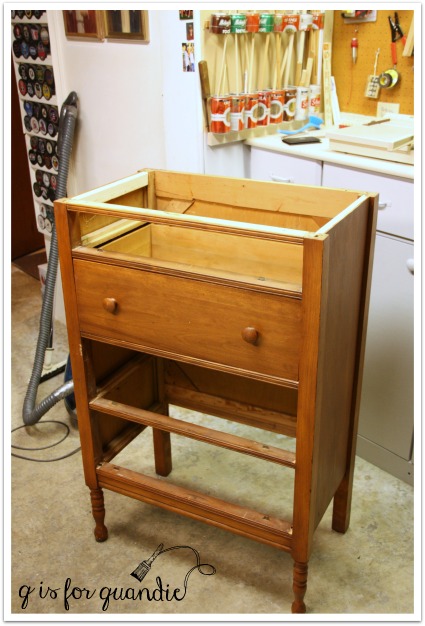
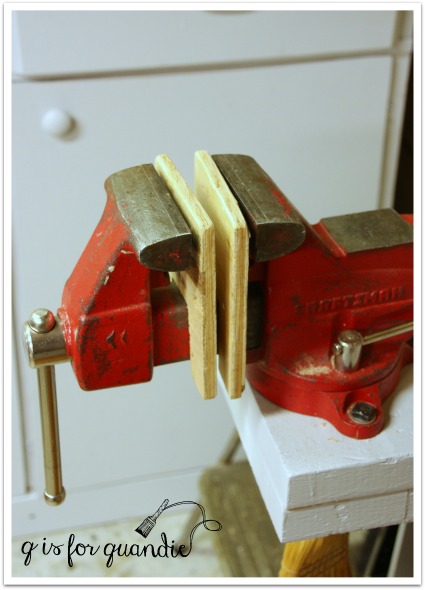
 The problem with this dresser was that it was what I like to call a bit wonky. I judge wonky-ness by putting my hands on the top of the dresser and trying to wiggle it side to side. It shouldn’t wiggle or have any give. But this one did. When a dresser is wonky, I send it over to Ken and he shores it up.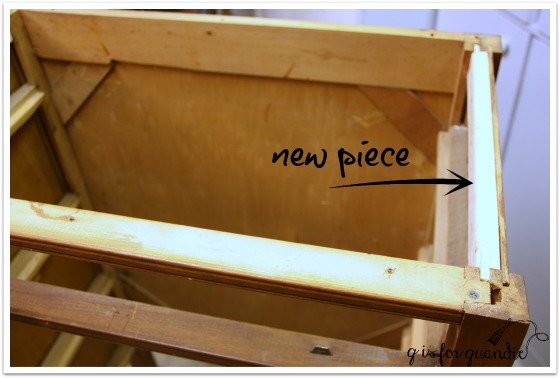


 Each can is labeled with the dowel size.
 Gold Medal soda? Does anyone remember that brand? I believe it was local to Minnesota.
 It’s ingenious, right? Plus it’s environmentally sound because he just used old cans that would have been thrown away, not to mention it’s pretty thrifty. Ken was recycling before it was cool.
 He custom built the wood cabinet with cubby holes of the precisely right size for them.






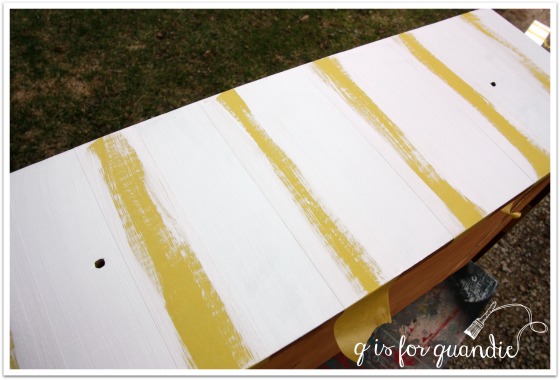
 I like the delicate surface frog tape for taping over fresh paint (see, it even says that on the label!).
 Now, here’s a little secret. The wide frog tape is 1.88″ wide (why, oh why, did they do that?), so I put 2.12″ between each stripe. Why? Because I can’t wrap my head around the math involved in 1.88″ wide and what that equals on the measuring tape (what would that even be? can any of you tell me?). Instead I make my marks every 4″. And I have found that visually the stripes do not look like they are different widths.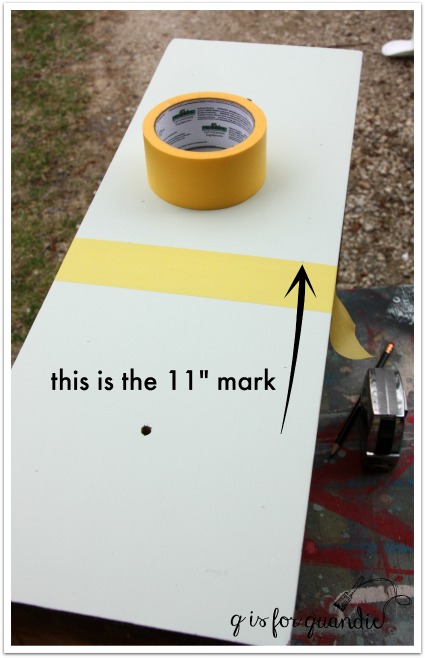



 q is for quandie