stone hill farm, part 3.

As promised, today I’m back with the final leg of my Stone Hill Farm tour.  Although everything at John & Kim’s house is amazing, I feel a little bit like I’ve saved the best for last.  You’ll have to let me know if you agree.

stone hill farm

Kim and John are blessed to have several outbuildings at Stone Hill Farm including a barn, potting shed, outhouse, grainery and a small creamery that they have turned into the chicken coop.

Let’s start at the chicken coop.

chicken coop

While Debbie and I were there the chickens were out and about.  Those darn birds would not hold still for a photo!

chickens

Kim says these chickens lay about a dozen eggs a week, and they love corn on the cob which is how she bribed them to come together for a photo.

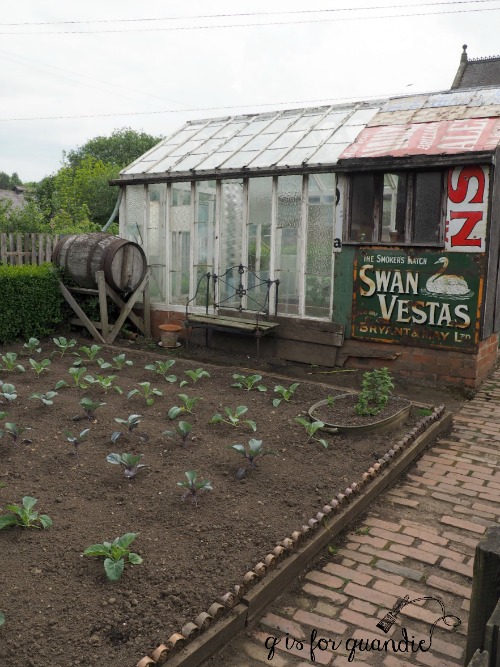
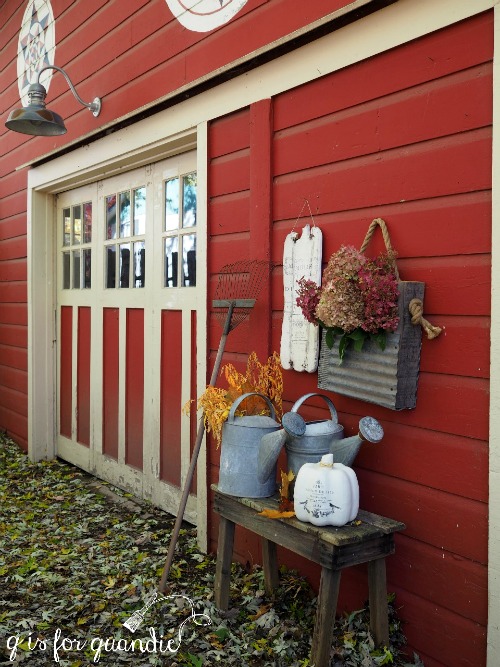
Kim’s potting shed has to be one of the most darling I’ve seen (the smaller building on the left is the outhouse).

tool shed

Seriously, could this be any more adorable?

motel chairs

Kim has it set up so perfectly.

shed door

shed window

The outhouse is a crack up.

outhouse

It’s big enough to seat three!

3 holer

 There is a pretty little garden between the potting shed and the house that is enclosed by a white picket fence.

watering cans

garden gate

enclosed garden

tea pot planter

John built a pizza oven at one end of the garden and now he and Kim have lots of pizza parties.

pizza oven

They can serve everything up on this outdoor buffet that John built from salvaged barn wood and metal roofing.

outdoor buffet

Never mind pizza, this looks like the perfect spot for a morning cup of coffee to me.

deck dining set

Let’s head out towards that fabulous barn next.

barn distance

flowerssilo

weathervane

barn side

Before we leave John & Kim’s beautiful property, I have one more thing to share with you.  It’s out past the barn, and then beyond this fence.

fence

Here they are …

hops 1

Any guesses at what you’re looking at?  Nope, it’s not a maze.  John grows hops.  He’s also the president of the Hop Growers Association of Minnesota.

To give you a better idea of the height of these hop vines, here’s a photo that includes John.  Yep, those babies go way up there.

John and the hops

In addition to the hops, John & Kim also have a vegetable garden, a pumpkin patch, an orchard that has pear, plum, apple and cherry trees and they have some bee hives too.

vegies

Are you getting the impression that they like to keep busy?!

Well, this concludes the tour of John & Kim’s home and farm.  I hope you’ve enjoyed it as much as I have.

 Remember, the Barn Chic Vintage sale starts this morning 9 a.m. at 2946 Oakgreen Avenue N in Stillwater (cash and checks only, fyi).  The sale runs from Thursday to Saturday 9 – 5 each day, rain or shine (or ridiculous heat and humidity).

If you come home with some fun goodies, I hope you’ll share them in a comment!

On another note, I’m blogging a second home tour over on the Reclaiming Beautiful blog today.  It’s another lovely home in Stillwater, but this one belongs to Monique, one of the owners of Reclaiming Beautiful.  Her 1892 home is located ‘in town’ rather than out in the country and it has a charm all of it’s own.  I hope you’ll pop over there and check out that post too!
hosta heaven.

hosta heaven

My hostas are doing amazingly well this year.  This seems to be the year that many of them have started to ‘leap’.  I’m pretty excited about that because it also means that soon I’ll be able to divide and thus have more plants, possibly next spring.

Over the past several years I’ve been putting in some really gorgeous varieties.  Unfortunately I haven’t done a very good job of keeping track of all of the names.

I’m fairly certain that this one is Lakeside Dragonfly …

hosta lakeside dragonfly

And some of you may remember this favorite that I’ve shared here before called June.

hosta June

I’ve completely lost track of what this next variety is.

hosta

I think there are some gardening snobs out there who sort of turn their noses up at hostas.  Maybe because for so many years people used them in foundation plantings without much imagination at all.  They just plunked the standard dark green or variegated hostas in evenly spaced holes with rocks around them.  Yawn.

But the beauty of growing hostas is what also made them perfect for those foundation plantings, and that is that they don’t require much care.  You’ll want to avoid planting them in the full hot sun and you’ll want to watch for slugs, but otherwise they are pretty much care-free.  Unless you have hungry deer in your neighborhood, in which case you are pretty much hosed because deer love these things.

I used to think that when the plants started getting really huge you were supposed to divide them to maintain the health of the plant.  However, I recently learned that you don’t have to divide your hostas.  It’s perfectly fine to let them be huge.  The only reason to divide is to get more plants, but if you don’t care about that you can just leave them alone.  This was great news for me since I have quite a few really large plants that I don’t necessarily want to divide.

I think the trickiest part of growing hostas is figuring out where to place them in the garden for the best effect.  I’m still working on this skill.

hosta bed

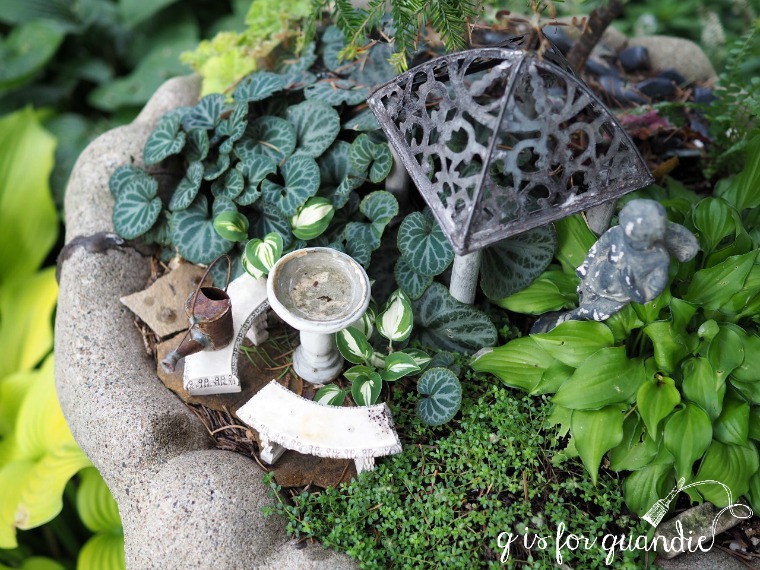
Hostas come in all sizes from tiny mini’s, like the ones in my fairy garden …

fairy garden 2

To huge ones like Sum and Substance.

sum and substance leaf

I included my hand there so you could see how big that leaf really is.  And keep in mind, I have fairly large hands, not delicate lady-hands.

The colors can range from almost yellow like these May hostas that I’ve paired with a Purple Palace heuchera

hosta May

to blue, like this variety that I can’t remember the name of!

hosta blue

Hostas can be solid colored like the two examples above, or variegated like this hosta montana “Aureomarginata”.

hosta montana Aureomarginata

Some hostas have really puckered leaves, they remind me of seersucker fabric.

hosta with puckered leaves

Upright hostas like this next one grow … well … more upright.

hosta upright

You’ll want to plant something in front of a large upright hosta like this one.  I have found that these work beautifully for the center of the garden that is between my house and the driveway.  Since this garden is viewed from both sides, I have the taller upright plants in the center with lower plants on either side.

Hostas ‘bloom’ in mid-summer, but I usually cut the flower stalks off mine as soon as they appear.  Mostly of them are rather straggly and messy looking, although there are a few varieties that have a showier flower.  There is no need to allow the flowers to grow unless you plan to try harvesting seeds.  I’ve also read that removing the flowers allows the plant to focus all of its energy on growing more leaves.  So I say “off with their heads!”

How about you, do you grow hostas?  Do you mercilessly hack the flowers off like I do?

peony season.

Peony season is way too short!

pink peonies

I wish we could make it last longer.  Unfortunately they are predicting a hot and humid weekend coming up for us in Minnesota, and really hot weather tends to zap the peony blossoms.  Heavy rain spells doom for them as well.  So, I decided I may as well cut some and bring them in to enjoy.

peonies and watering can

I just picked up a new peony to add to my cutting garden.  It’s called Raspberry Sundae and is the one on the bottom here …

new peony

Isn’t it yummy?  I love the pale pink fading away into white and then into a pale creamy yellow towards the center.  I like to buy peony bushes when they are blooming so I can see what the flower will really look like.  The photos on the garden center tags can be extremely misleading.

peonies in watering can 2

Peonies can also look quite different once they open fully.  I purchased this one a few years back without realizing that it was a Single.

single peony

I much prefer Doubles.

I’ve had the white peonies (these are Doubles) for quite a few years now.

white peony

 The medium pink peonies (in my first photo) were here when we purchased our house.  That means they are at least 30 years old or more.  Imagine that!  I’ve moved them a couple of times, although peonies do not like to be moved.

I put in a hot pink peony about 3 or 4 years ago.  This one looks gorgeous out in the garden with those vibrant pops of pink.

hot pink peony

For the most part, aside from this bright pink version, I don’t think peonies look that good in the garden.  They are gorgeous for the very short couple of weeks that they are blooming, but after that they are pretty boring. Mine are very susceptible to powdery mildew too, which looks pretty awful.  I’ve tried all kinds of different remedies for it, none of which worked.  But I’ve read that although the powdery mildew can weaken the plants, it won’t kill them.  It mainly just looks ugly.  For that reason, this year I’m planning to move several of my plants to my cutting garden out behind the carriage house once they are done blooming.  They can look ugly all they want to back there.

Moving peonies can mean a year or two without many blooms.  That’s OK, I can steal some from nnK next year.  Shhhhhh, don’t tell her, but I stole these for a photo shoot last week …

nnk's peonies

You’ll see more of them on Friday when I post the pink dresser!

How about you, are you a fan of peonies?  Have you got any tips for getting rid of that pesky mildew?  If so, I’m all ears.

garage sale gardening.

garage sale gardening

I am a big fan of what I like to call garage sale gardening.  In other words, I have gotten quite a few of the plants in my gardens at garage sales on the cheap.  Why pay nursery prices when you can get good quality perennials for much less?  Personally, I usually find that garage sale plants thrive better and mature more quickly than nursery plants, maybe because they are coming from already firmly established plants.  They are also pretty much guaranteed to be suitable for my area.

The biggest tip I have for you when it comes to garage sale gardening is this; most of the perennials you’ll find at garage sales can be invasive.  If you think about it logically, the reason the seller has extras to get rid of is because the stuff is multiplying easily.  Invasive doesn’t have to be a bad word though (although sometimes it is, so do some research before planting).  It just takes a little effort to keep many of these plants under control though.

Such is clearly the case with the sweet woodruff (Galium odoratum) that I purchased a couple of years ago.  That’s it pictured in my title photo, but here’s a closeup …

sweet woodruff

I put in just a couple of small plants and a few years later I have a lovely carpet of sweet woodruff in the shade garden under my pine tree.  If you have pines and find that nothing much will grow under them, this stuff is perfect for you (U.S.D.A. zones 4 – 8).  This plant requires almost zero care, it needs extra watering only in times of drought.  However, it does spread quite easily via runners.  If you want to remain in control, you can utilize spade edging to keep it inside its borders.  Spade edging is done by driving a spade into the soil on the edge of the flower bed where you are growing sweet woodruff. This will sever the runners. Remove any sweet woodruff plants growing outside your spade line.

Let’s take a step back and see how sweet woodruff looks in the garden.

sweet woodruff in garden

Isn’t it pretty?  and it makes a great companion for hostas as you can see.

Another invasive plant that I purchased at a garage sale is cranesbill or perennial geranium.  Not to be confused with the annual geraniums that we all know and love, which aren’t actually geraniums at all but are technically pelargoniums.

cranesbill

My cranesbill is pink, but it also comes in a lovely blue shade.  This stuff likes to take over.  Here’s an example …

cranesbill takeover

It’s going to continue to expand and completely take over that gorgeous hosta in the back of the photo unless I do something about it.  It’s an easy one to beat back into submission though, just cut it back and yank the excess plants out of the ground.  It seems a little brutal at first, but it’s the only way to keep this stuff under control.  That being said, this plant also needs next to no care (zones 4 – 9).  You can cut it back or deadhead it to encourage continued flowering, and this is one perennial that will bloom multiple times over the summer which is nice.

Another invasive plant that I love is the Anemone.  I got mine from my friend Sue, so I’m not positive but I think they are Anemone sylvestris.

anemone

These also require little care and spread like mad.  Are you sensing a theme here?  I don’t really like to work too hard at my gardening.  If a plant is fussy and requires coddling, it doesn’t last long in my garden.

Irises are also a good multiplier.  I purchased these mini irises at a garage sale.

mini iris

Personally I don’t think irises are very attractive in the garden one their bloom is over (which is pretty quickly).  The nice thing about these mini’s is that they are only about 1′ tall.  I’ve got them inter-planted with Palace Purple coral bells which will fill in and disguise the iris plants later in the season.

Another garage sale plant in my garden is the variegated sedum in front of these tulips.

sedum

This plant isn’t invasive, but it does need to be divided every few year resulting in excess plants.

Most of my bleeding heart plants also originally came from my friend Sue’s garden.  If you didn’t see it, I posted a tour of her garden two years ago {here}.

bleeding heart

She often sells excess plants at our own Carriage House sale in both pink and white.

bleeding heart 2

Bleeding heart spreads by re-seeding itself.  You’ll find little baby plants coming up all over.  I usually just yank them out.  Again, you have to be heartless sometimes (pardon the pun).

You’ll find that garage sale gardening is not going to net you the newest fanciest versions of perennials.  Such as this gorgeous Dicentra spectabilis ‘Gold Heart’ …

bleeding heart

So I admit, on occasion I do head to the nursery to splurge on things like these.  But I can also tell you that this plant is still tiny compared to my other bleeding hearts.  It has yet to ‘leap’.

One other thing to be cautious about with garage sale plants is whether or not they are poisonous.  Whenever I bring home a new plant, I try to research it a bit before putting it in the ground.  If you have pets or small children that might ingest your plants, just keep this in mind.

One last potential downside to garage sale gardening is that sometimes the seller doesn’t know the names of their plants.  Such was the case with the two blooming plants in this next photo so I don’t know what either of these are.  Do any of you?

unidentified

The pale blue/lavender-ish flowering plant is one of my favorites though.  It’s covered in the prettiest flowers in spring.  In fact, all of the photos that I’m using in this post were taken last Saturday in my own garden, so it’s blooming now.  It was a balmy 38 degrees (that’s Fahrenheit people) and gusty, giving us a windchill of 30.  I’d already moved all of my supplies out to the Carriage House and suddenly it was too cold to paint our there, so I had to resort to taking photos of my gardens.

Anyway, as you can see in this next photo, this guy is stepping a little outside his boundaries at the moment too.

unidentified boundaries

As soon as he’s done blooming I’ll pull out the plants that are outside the flagstone edge of my garden bed.  Hey, do any of my local readers want some?  I’d be happy to share, just leave a comment if you’re interested, first come, first served.

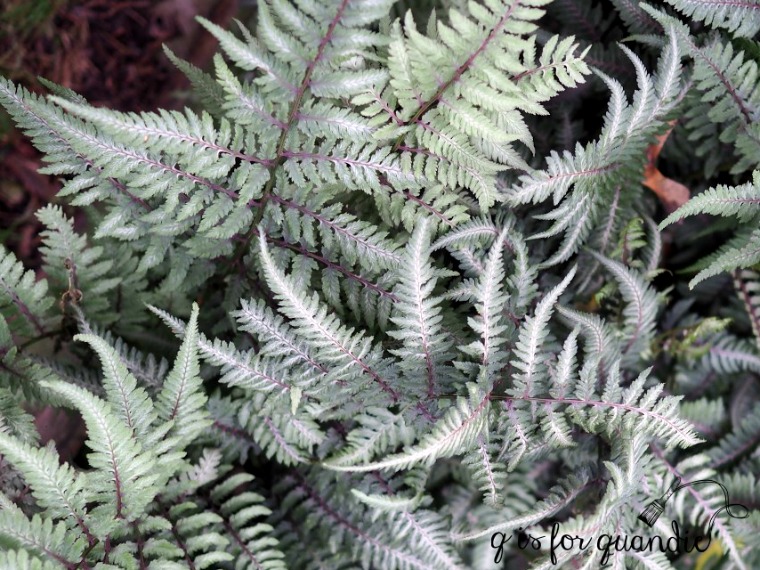
I also have a ridiculous amount of ferns.

ferns

These are great for naturalizing in a wooded area.  They look gorgeous in spring and summer, but will die back in early fall especially if it’s particularly dry.

Anyone?  Free to you if you can come help me dig them out, and b.y.o.c. (bring your own container to put them in, in a pinch a plastic garbage bag works fine if you take them home and plant them within a day or two).

Also available to share:  orange day lilies, yellow iris, siberian iris, the aforementioned cranesbill and sweet woodruff.

Although I’ve mentioned several cons to garage sale gardening, I think the pros far outweigh them in most cases.  If you’re looking for inexpensive, easy to grow plants for your area, consider checking out some garage sales!

throwback thursday no. 6

Today for throwback Thursday, I am taking you back to the summer of 2009 and the North St. Paul garden tour.

garden tour 5

I find that there is nothing more inspiring than a garden tour.  You can get tons of ideas for your own garden this way.

garden tour 6

They don’t have to be big ideas, they can be something as small as a clever combination of plants in a planter.

garden tour 10

Or just a perennial that you’ve never seen before and you want to try yourself.

garden tour 8

I planted some Jack Frost Brunnera in my own garden after seeing it on this tour.

garden tour 12

Or perhaps you’re looking for grand ideas.

garden tour 2

This garden even came complete with a painter in residence.

Perhaps you want to add a water feature.

garden tour 4

Or maybe put in a Japanese garden.

garden tour 11

Then again, maybe you just want to admire the beautiful gardens!  Being on a garden tour gives you permission to peek into some of the loveliest of backyard gardens that you would otherwise never see.

garden tour 1

What I love about a local garden tour is that the homeowner/gardener is almost always available to answer questions and share tips about gardening with you.  They are always proud as can be of their gardens (and rightly so) and happy to share their knowledge with you.

garden tour 3

Another plus is that no one is trying to sell you something.  This isn’t like a garden show at a trade center where there are people trying to sell you on a particular brand of mulch, type of herbicide, or landscaping material.

garden tour 7

You can also get a good feel for what kinds of plants grow well in your specific area.

We have a multitude of local garden tours offered during the summer in the Twin Cities.  Some of my favorite garage sale neighborhoods also host garden tours, such as Tangletown and Bryn Mawr.  Many local garden clubs also plan tour events.  There are garden tours that specialize in water gardens as well.  So many options!

Take time to check out a garden tour near you this summer, but meanwhile, I hope you enjoyed this throwback Thursday post!  Check back tomorrow when I will remind you that I do still paint furniture on occasion!  Hope to see you then.

the lilac hedge fail.

First things first, I picked three names to win some Touring cards from Monday’s post.  Congrats to Mary (Moore), Wendy and Melanie!

Now, on with today’s post.

lilacs

Since I seem to usually share only my successes with you guys, today I decided to share a failure, my lilac hedge.  I just thought I’d keep it real and let you all know that not everything I do turns out well.

When we bought our house 28 years ago or so, there was an unruly hedge along the back property line.  I have no idea what kind of shrub it was, it didn’t flower or look pretty in any way whatsoever. It did however provide tons of privacy.  We could barely see any of the houses behind us.  In fact, in over 20 years I had never even met the lovely woman who owns the house just behind me.  This photo gives you some idea of how it looked back there behind the photo cottage.  It was tall and full, but also very straggly and unkempt.

old hedge

After many years of trying to prune it into some sort of shape, I finally gave up and we pulled it all out.  That year I met Claudia, whom I now secretly call the ‘neighbor behind the hedge’, and realized that she’s a lovely person and had lived back behind there the whole time!

I have to admit though, as soon as we pulled the hedge out I got a sick feeling in my stomach.  I felt like we had exposed ourselves to the world.  What was once a private oasis was now a wide open view of suburbia.  Ugh.  But I knew that I had to start somewhere with a new hedge and I reminded myself that gardening takes a lot of patience.  I told myself that it would only take 3 or 4 years before we had some privacy again.

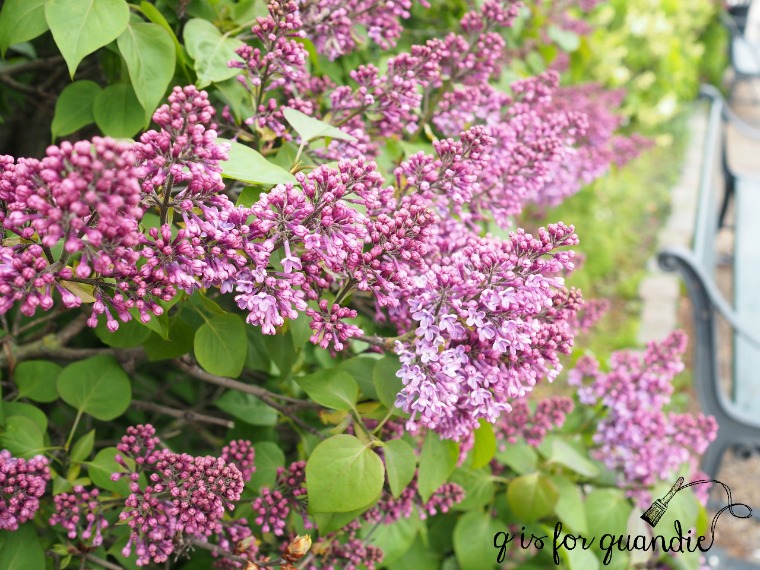
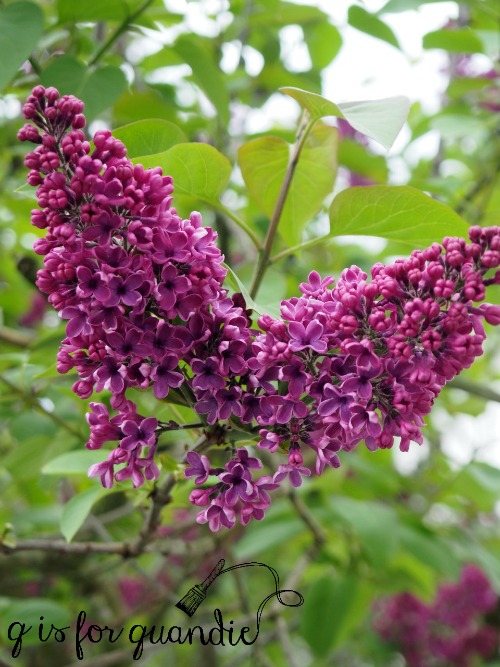
I decided to put in lilacs.  I wanted something that would flower, and also something that would grow just as large as the last hedge.  I also wanted something old fashioned and not too formal or fussy.  Lilacs seemed like the perfect choice.  This all took place b.b. (before blog), so I wasn’t thinking about how lovely they are to photograph, but that has been a bonus.

lilacs 2

I selected a few different lilac hybrids for my hedge, some really dark purple, some pale pink, some more of a wine color.

lilac 3

I planted them as per instructions and initially they did well, but of course were short and spaced rather far apart.  After their first winter, I had a couple of shoots that died off.  I cut them back in the spring and kept hoping for lots of new growth.  But then the next winter I had more branches that died off.  I cut those back, and now my plants were fairly misshapen.  I continued to hope that they would fill in during year 3.  You know the adage, first year they sleep, second year they creep, third year they leap.

Unfortunately I am now on year five and my hedge looks likes this …

lilac hedge

It is not a pretty sight and it certainly isn’t giving me any privacy.  This past winter even more branches died back, and the plants on either end of the hedge are almost completely dead.

The branches that are still alive are covered in flowers though!

lilacs 4

I need to decide what to do at this point.  Do I attempt to prune them properly again this year and see if I can get them to fill out?  Do I replace the dead ones on the ends with new lilacs?  Or do I try something different like some Limelight hydrangeas or maybe a Viburnum?

I hate to give up on them when they provide such lovely flowers for furniture photos shoots!

lilac 6

But they sure aren’t living up to my expectations.

If any of you have any lilac advice, I am all ears.


bloom where you are planted.

bloom where you are

I’m ending out the week with another garden themed post.  I have tulips, scilla and crocuses coming up in my garden.  Just you never mind that we got a snow storm on Wednesday!  It’s mostly melted now, so it’s safe to start thinking about what annuals to plant this year, what perennials need to be divided, which garden beds need to be revamped, and what new things can I use to ‘decorate’ my gardens.

Along those lines, I’ve dropped off a load of garden decor items at Reclaiming Beautiful, including a whole new crop of plates with words.

grow plate in box

I did a few of these last year and they were a big hit, so I’m doing more.  If you’d like more details about how I create these, check out {this post}.

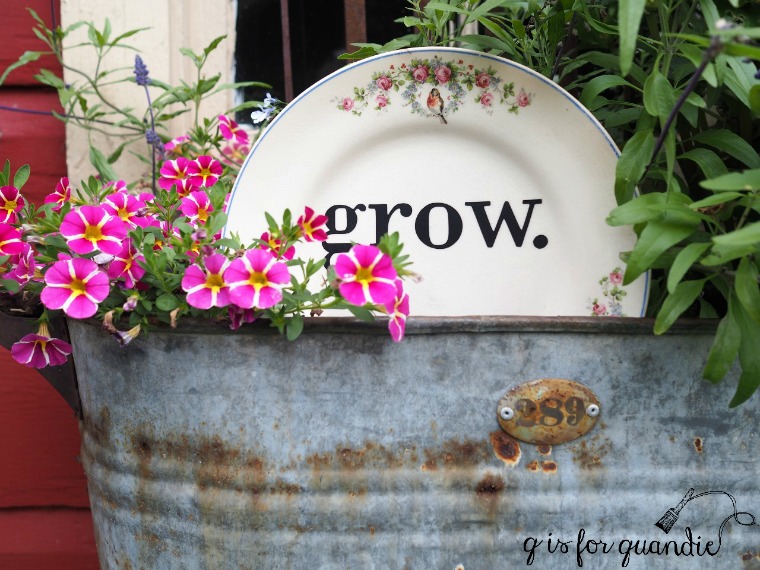
 You can tuck these plates into a wooden crate with some vintage garden tools for display in your potting shed or on your porch.  Or you can add them to a planter, like this example.

grow plate

 I kept this plate in my boiler pot window box all summer and the vinyl letters held up just fine.  I’ll be putting it back out again this year.

I found some sweet plates at an antique shop in Buffalo, MN a week or so ago when we went out there to see my niece’s school play, The Wizard of Oz.  These were perfect for turning into garden plates.

bloom plate

But these plates that I purchased at the Macalester Groveland neighborhood garage sale last year are my absolute favorites.

grow close up

Isn’t the detail on these plates just gorgeous?  And I just love the colors.

grow plate detail

How about hanging this larger platter outside your front door?

welcome plate

I’ve also done up a couple of garden quotes on plates …

bloom plates 1

earth laughs

After I took these photos, I switched out the font I used for the “flowers” on that last plate.  I wasn’t loving how that one turned out.  I don’t have a photo to share though, I forgot to take another one before I sent them off to the shop.

In addition to the plates, I’ve also added ‘grow.’ to this old enamelware pot.  I used a large nail and a hammer to pound some holes into the bottom of it so that it has drainage.  You could plant some bright red geraniums right in the pot.  Or perhaps you’re more partial to petunias!

grow pot

And this enamelware plate is probably my favorite of all.  I really was thinking about keeping this one.

enamelware grow plate

There’s just something about the rustic, farmhouse style simplicity of this one that appeals to me.  I can picture it added to a planter made out of an old galvanized tub, can’t you?

Are you starting to think about spring gardening where you are?

the potting shed.

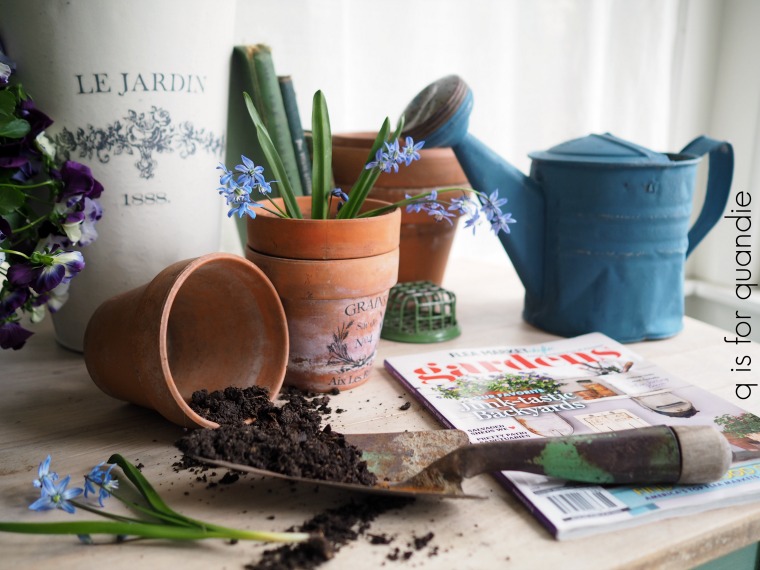
Back in the day long before it became the photo cottage, the summer house in my backyard was known as the potting shed.

photo cottage

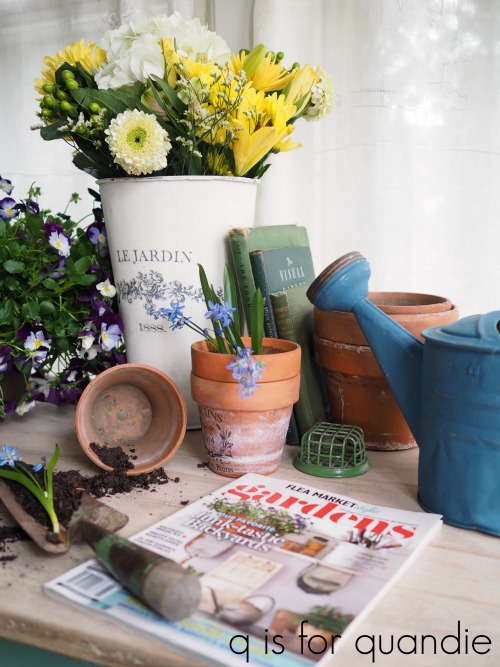
I actually had it all decked out with a workbench for potting up plants.  In reality, it did not make a very efficient potting shed.  Potting plants is messy work, I’m better off doing it right outside where I can just brush the dirt away onto the lawn.  Still, it was fun to stage today’s piece out there as though it still were a potting shed.

the potting shed

If I didn’t get so much use out of the photo cottage as is, I’d be tempted to turn it back into a potting shed now.

green garden booksI have lots of fab garden-y props, all in lovely shades of green.

green scaleThis green box usually resides in my pantry holding cleaning supplies.

green garden box 2

But the real reason for this post is the dresser.  This is another one that Mr. Q picked up for me via Craigslist.

porch swing before

This was an interesting piece.  The style says ‘old’, and inside it looks old, but there were some things that were throwing me off.  For one thing, the casters are new.  The drawers pulls are new too.  And the finish was very plastic-y and shiny, like new.  Someone worked really hard to take the “old” out of this piece, which I found to be a little bit sad.  Obviously it was up to me to put the ‘old’ back in!

I got off to a bit of a false start with this one.  I painted it with Little Billy Goat’s Porch Swing, which is a lovely green (in fact, a very similar green to the wood box with the handle in my photos).  But it did not work out.  I’m still doing some research into where I went wrong, and when I have some answers I’ll share that with you.  In the meantime, let’s just say I knew I had to go back to the drawing board.  I decided to paint over the green with white milk paint.  I purposely added some wax around the edges first so that some of the white would chip away to reveal the green.  This is the same mix of MMS whites that I used on the chalkboard frame from Monday, by the way.

potting shed dresser close up

Perfection!  In the end, maybe this was meant to be.  Just a hint of green rather than a sea of green.

potting shed dresser angle

As you may have noticed, I replaced the brass drawer pulls with some glass knobs.  These are the 1 1/2″ glass knobs from D Lawless Hardware.  They are the larger size glass knobs, and I think the scale of these was just right for this piece.

potting shed dresser 2

potting shed dresser 3

I took about six hundred photos of this thing.  Some with the window …

potting shed dresser 4

Some with my false wall in place.  If you don’t know about my false wall, you can read about that {here}.

potting shed dresser 1

I think this dresser would be perfect in a farmhouse style kitchen, or maybe on a covered porch.  Or perhaps beside the bed in place of a nightstand.

potting shed dresser collage

This one is for sale (local sales only, no shipping available), so if you’re interested in more details feel free to leave me a comment or shoot me an email at qisforquandie@gmail.com.

winter window boxes.

I’m so ahead of myself this year!  Last year I waited too long to get my winter window boxes done.  As a result, the dirt was frozen solid so everything had to be sort of placed on top of it.  That really doesn’t work well at all, so this year I was determined to not let that happen.  Maybe I overcompensated just a little, but the weather was so lovely last week that I decided I would get a jump on them.

winter window box 1

 I think the trick to a gorgeous window box is to fill it chock full, and here is how I make that happen.

I start by placing in my twig lights, spruce tops and some filler evergreens.  I purchased the evergreens from Bachman’s (my local nursery).  I spent about $60 for enough evergreens for my front window box, my two galvanized boiler window boxes, a planter on my deck and some small planters that hang on the mailbox post that I share with nnK.

window box layer 1

Those twig looking things are my twig lights.  Each end has a little light on it.  Last year I wasn’t able to use them because the boxes were too frozen to poke them in the dirt.  I mentioned this to one of the clerks at Bachman’s and she recommended using a drill (to drill a hole in the frozen dirt) should this happen again.  Great idea!  But easier in the long run to just get this done before the dirt freezes solid!

Once I have a base of greens I fill in with lots of hydrangeas.

window box layer 2

It would cost me an arm and a leg to purchase enough stuff to fill in this huge window box, so I sort of wander around my garden looking for dried plants that might add some interest, like these alium flowers …

window box allium

I don’t know what these are called, but they grow from the ferns.

window box ferns

I also added some dried Astilbe flowers.

window box astilbe

As Christmas gets closer, I’ll add some more festive yuletide touches to the window box, but for now it just has a simple wintery appeal.

I used a similar process on my galvanized boiler turned window box that is hung on the side of the Carriage House.

boiler window box 1

I went with a bit more color in this one though.  With the exception of the spruce top and the ornamental kale, everything in this arrangement was salvaged from my garden (well, or nnK’s garden across the street).

boiler window box close up 1

I have used hydrangea, sedum, lavender, foam flower and burning bush.

boiler window box close up 2

I also tucked my garden cranes in this year.  I purchased these at a garage sale several years ago.

boiler window box cranes

I put away most of my garden planters for the winter, but I add a winter arrangement to this large planter so I have something nice to look at when I come home every day.

deck planter

That planter, by the way, is faux.  It looks like concrete, but really it’s a Styrofoam like material that is very light.  I purchased it at a garage sale (naturally).

This year I decided to add some birch logs to this arrangement.  It’s all the rage you know, and I have to say I really love the look.

deck planter close up

This arrangement is mostly evergreens with a few hydrangeas in the front.  I purchased those tall brush-like things last year and last spring they were still in good enough condition to put away for use again this year.  This year I’ll save the birch logs to re-use as well.

You can see that my ironstone platter with my house numbers on it is holding up really well.  This is another plate that I did with my Cricut and some vinyl.  It has been hanging outside since June and the vinyl isn’t peeling at all.

Well, I hope I’ve inspired you to go gather some things from your garden and put together some winter arrangements whether inside or out.

mums the word.

This year’s summer window box was kind of a bust.  I tried something new and it was a fail.  I used a couple of annuals that were new to me, unfortunately I didn’t even keep track of their names.  By mid-August, it just looked like I had a bunch of weeds growing in my window box.

summer window box

Ugh!  Terrible, right?

So when I heard an ad on the radio saying that the mums were in at Bachman’s, I went to Menard’s to see if they had them too.  Mainly because Menard’s is usually a bit cheaper and I can get there on my lunch hour.  Sure enough, they had rows and rows of them.  The larger ones were only $3.99 and since I needed 9 of them that seemed like a do-able price.  So I grabbed a bunch of mums, threw in some celosia (at $6.99 each) and called it good.

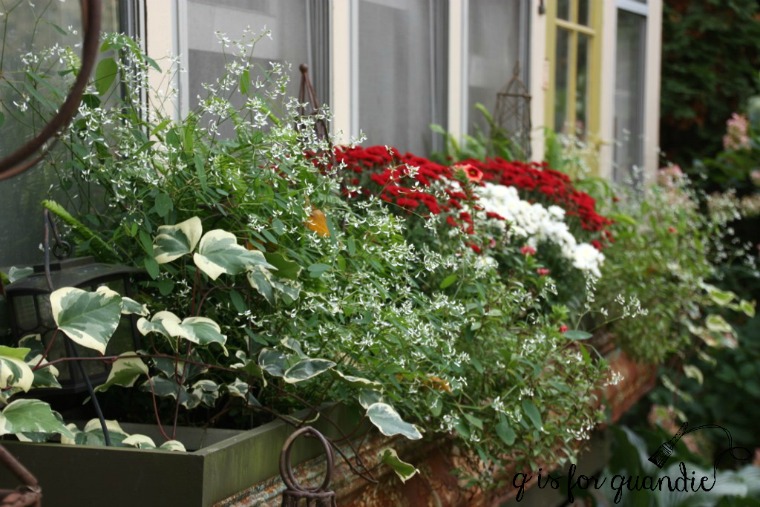
I ripped everything out of the window box except the euphorbia, planted the celosia together in the middle and filled in with the mums.

window box 1

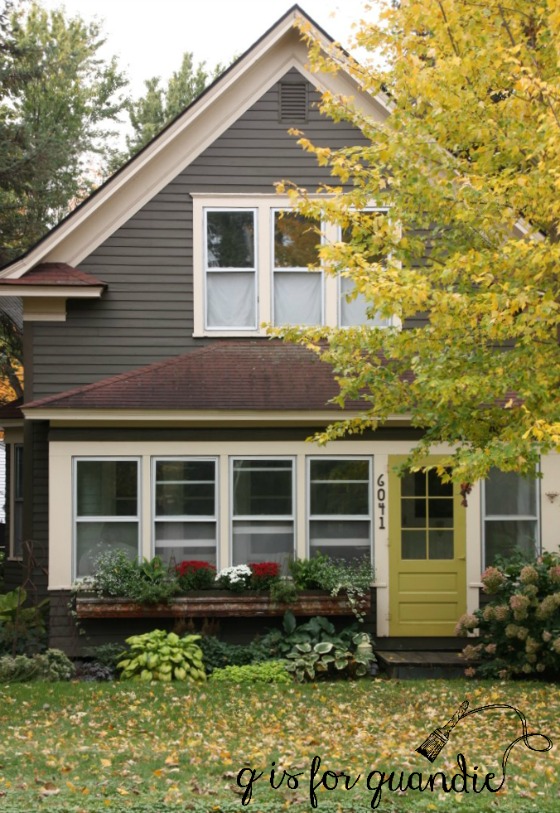
I’ve added a fab pop of color to the front of my house with this combination!  I didn’t go overly ‘fall-ish’ with my color choices since it is still rather early in the season.

window box 2

And sadly, these mums aren’t going to last much more than a month or so, if that.

window box 3

But they are a huge improvement over the ‘weeds’.

I still think I liked last year’s monochromatic fall window box better though.  Remember it?

fall window box title

Which one do you prefer?