Good morning from the garden!
I was so excited when I saw that the St. Anthony Park Garden Tour was taking place this year. This tour is put together by the St. Anthony Park Garden Club and usually takes place every other year, however, like so many things, it was halted during Covid. So it has been 4 years since the last tour.
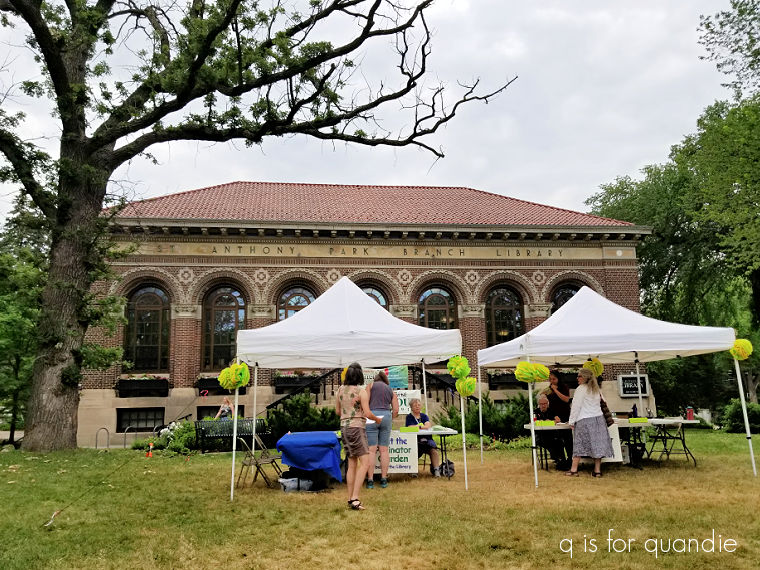
St. Anthony Park is a neighborhood in St. Paul, Minnesota. I’ve gone to their neighborhood garage sales many times over the years, and the last time I did that was back pre-Covid as well.
The neighborhood was developed in the late 19th century as a streetcar suburb (ie. you could commute to the city via streetcar) for the wealthier residents of Minneapolis/St. Paul (wikipedia). It’s full of large 100 year old homes and each one is unique (unlike more modern developments).
Last weekend my sister, niece and our friend Annie all joined me for the tour. There were 11 gardens in total, but I’m just going to share some of the highlights with you.
The first garden we visited was really colorful.

Isn’t that a pretty combination of sedum and heuchera?
The back yard slopes down into a ravine and is filled with flowering plants that are bursting with yellows, reds, oranges and purples.

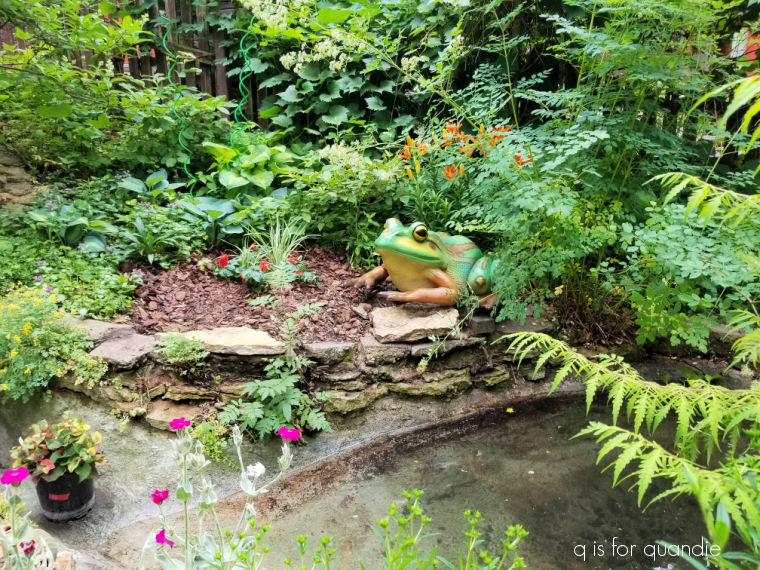
There is also a little pond that is guarded by a very colorful frog.
In contrast to that fairly wild look, this next garden was somewhat formal and very tidy, and I absolutely loved the house itself.
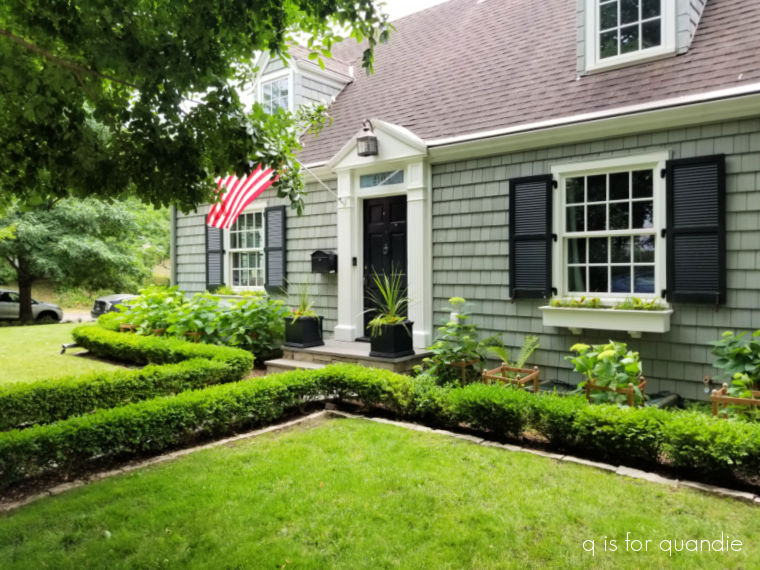
I’m not normally a fan of the combination of grey and black, but it was certainly working on this place.
I also came away from this house with an awesome idea for making some supports for my peonies.
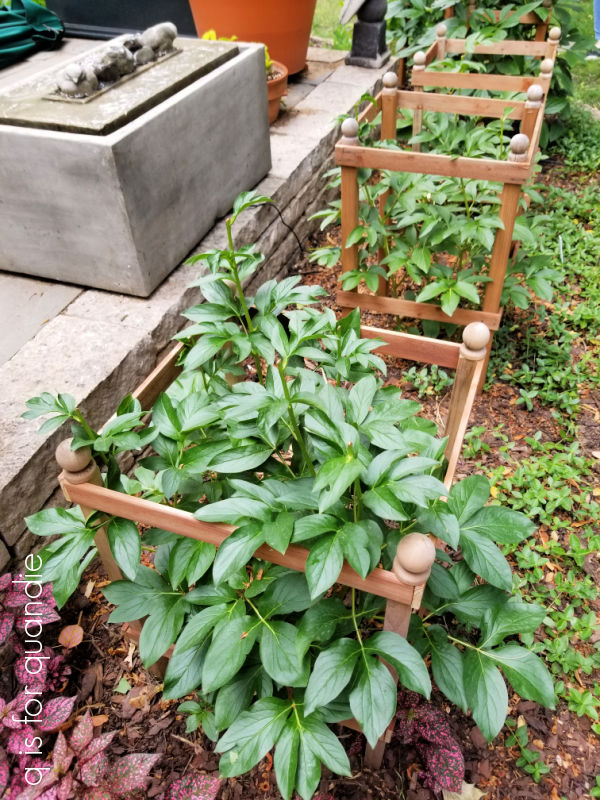
I spent a bit of time this spring searching for attractive peony cages that weren’t too expensive (since I have about 10 peonies), and I came up empty handed. But these would be fairly simple to make. They are just furring strips, 2″ x 2″ strips on each corner and 4 wooden finials. My sister and I are going to attempt to make some of these for our gardens.
The next garden I want to share was the most difficult to get to because it involved heading up this staircase.
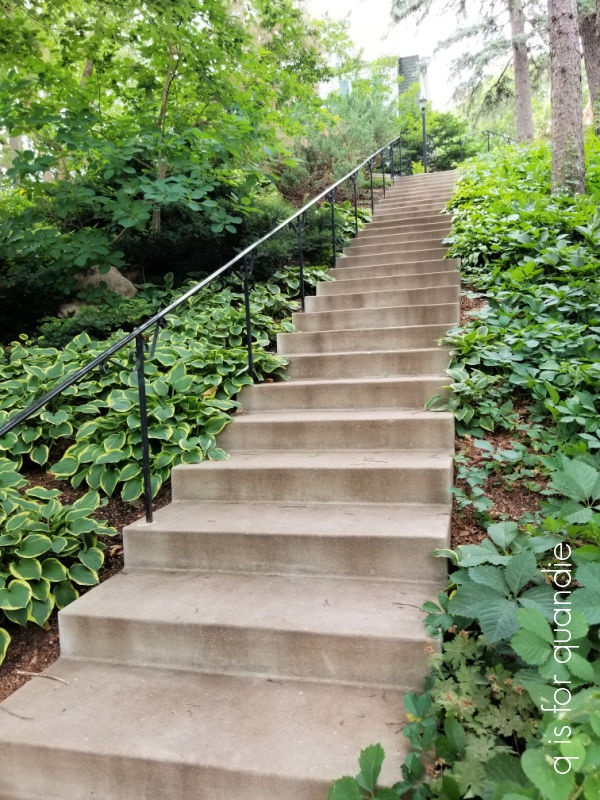
This is the path between the street and the house. However, there is an alley behind the house and I’m betting that the homeowners barely ever use this staircase, especially not in the winter!
But these home owners definitely took advantage of their sloped location, because here’s what they also have out behind the house.
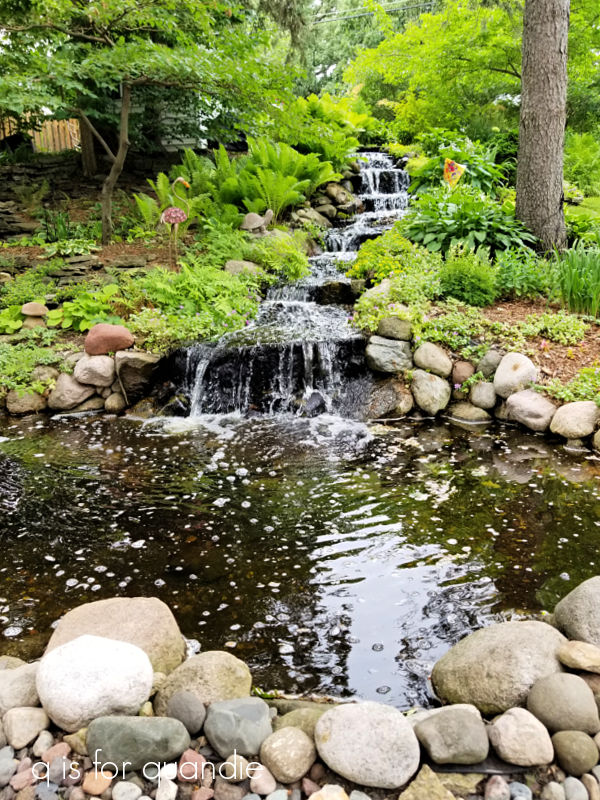
That stunning waterfall was worth the hike up that staircase.

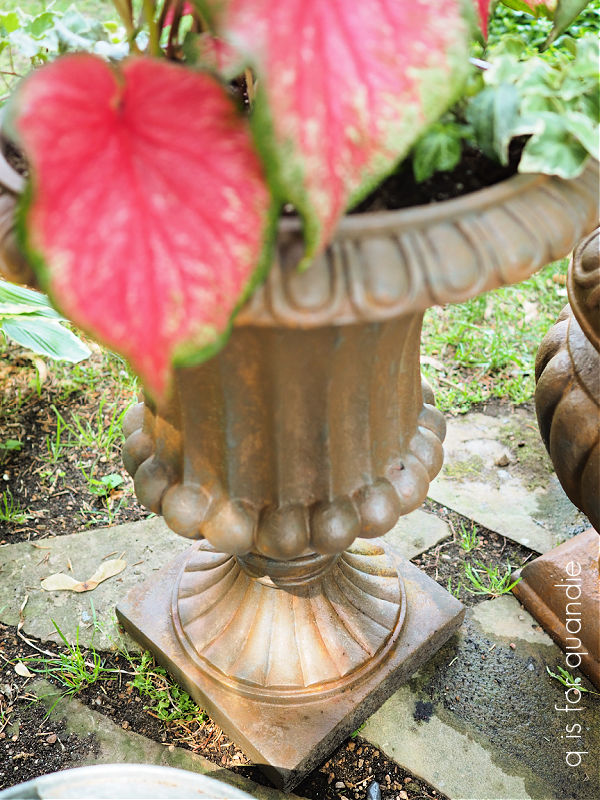
I totally coveted the iron planters in this next garden.
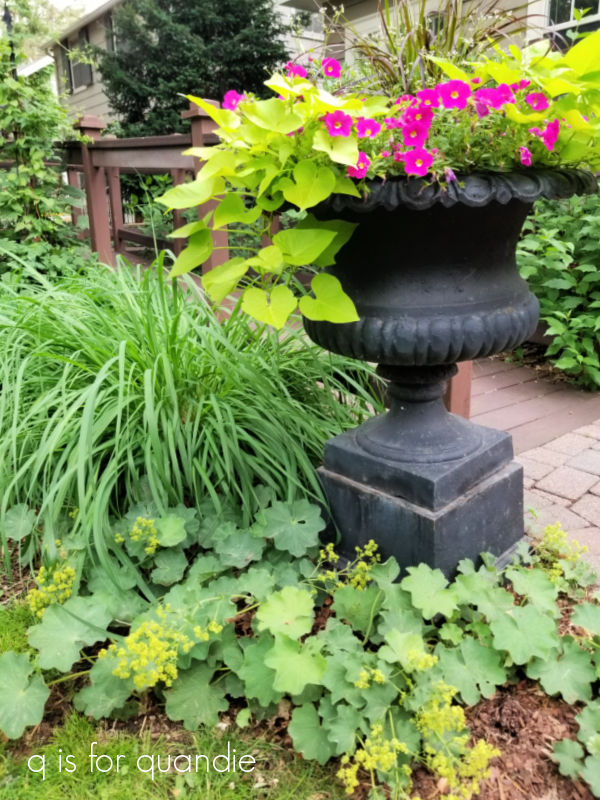
I have to admit that I probably won’t ever have the real thing in my garden, but instead I’ll just stick with my faux rusty urn planters.
If you’re into a more modern look for your planters, the pair flaking this porch should be right up your alley.
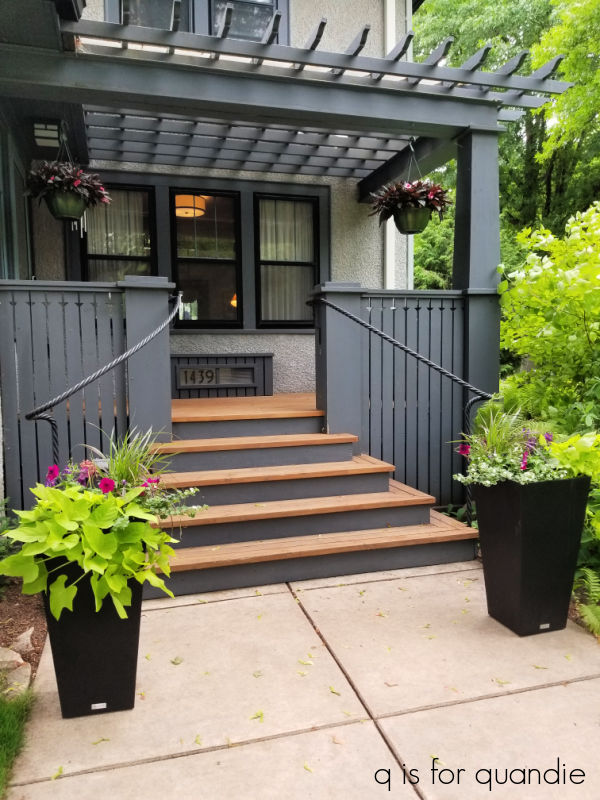
And just take a moment to admire that porch, especially that twisted wrought iron railing on the steps.
One of the gardens had an interesting combination of ground covers planted in a small bed.
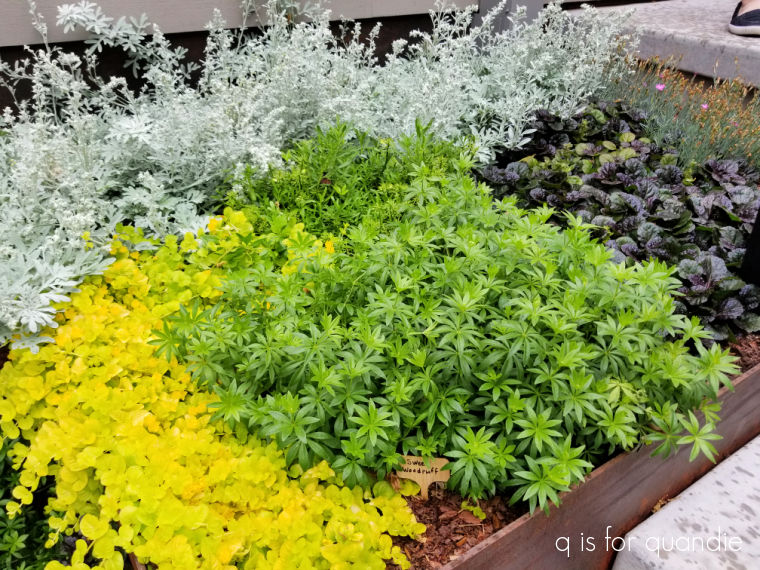
It certainly is a pretty combination of creeping jenny, sweet woodruff, ajuga, dianthus and I’m not sure what that plant with the silver foliage in the back is. It almost felt like this was a spot where they were testing out different ground covers to see how they would do. It was a fairly small area, and as you can see the plants have totally filled it out. Now they are probably going to start fighting for space.
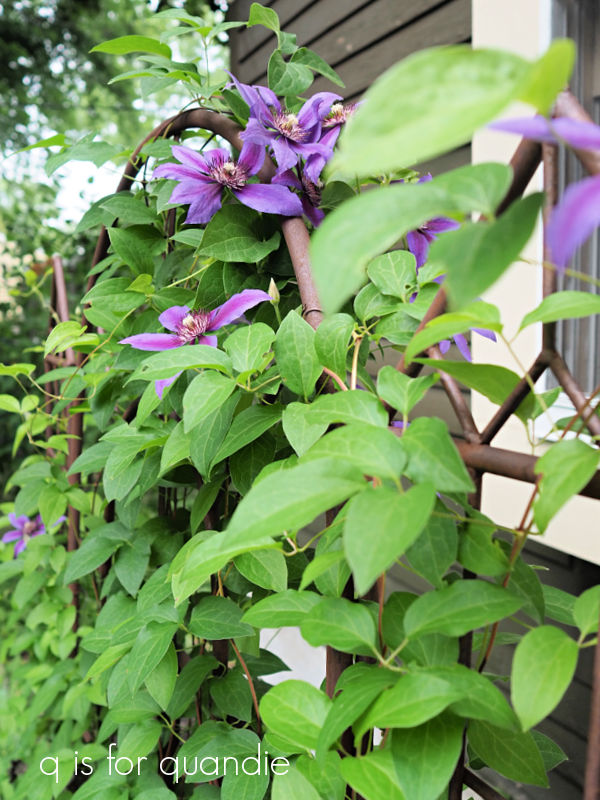
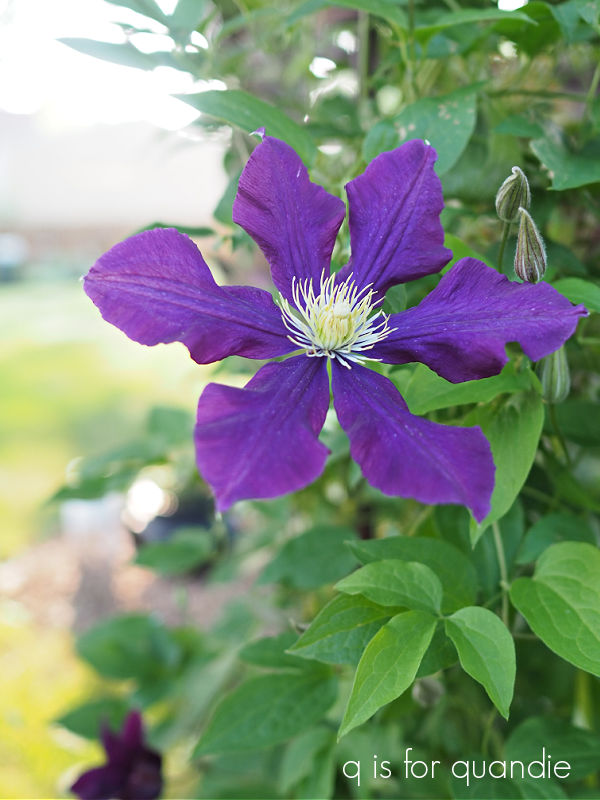
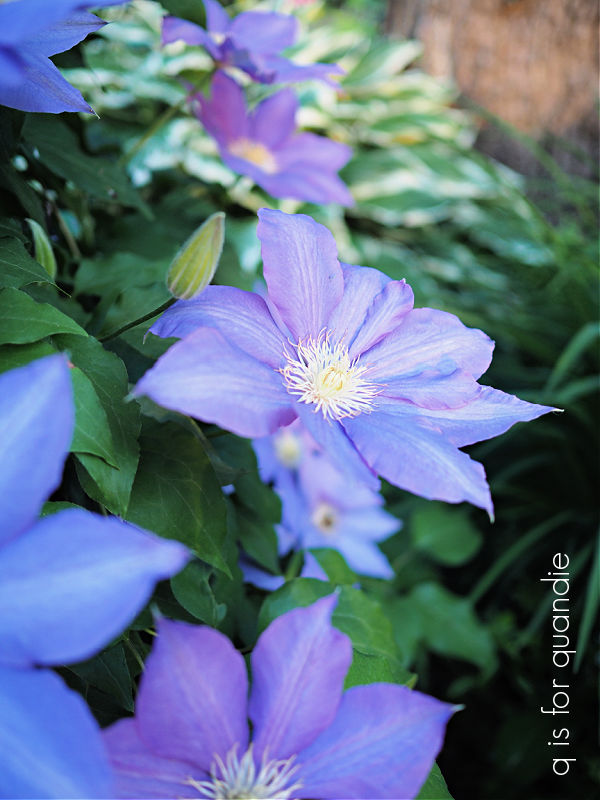
I wanted to be sure and share this clematis with you guys …
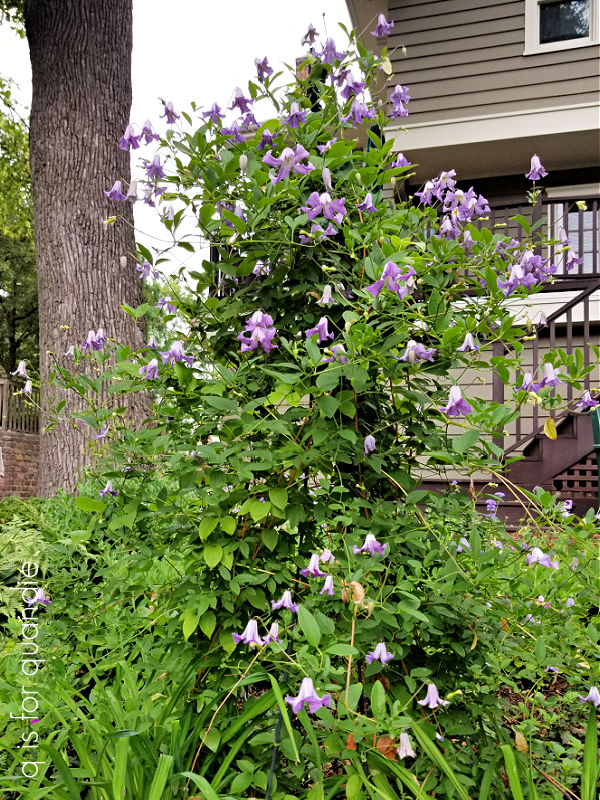
The home owner was fairly sure that this is a Betty Corning. I just planted this variety in my own garden, and I am hoping it will be as prolific as the Roguchi that I planted last year. If this one is any example, I think it will be spectacular.
I’ve saved my favorite garden for last. First, lets just check out the house.
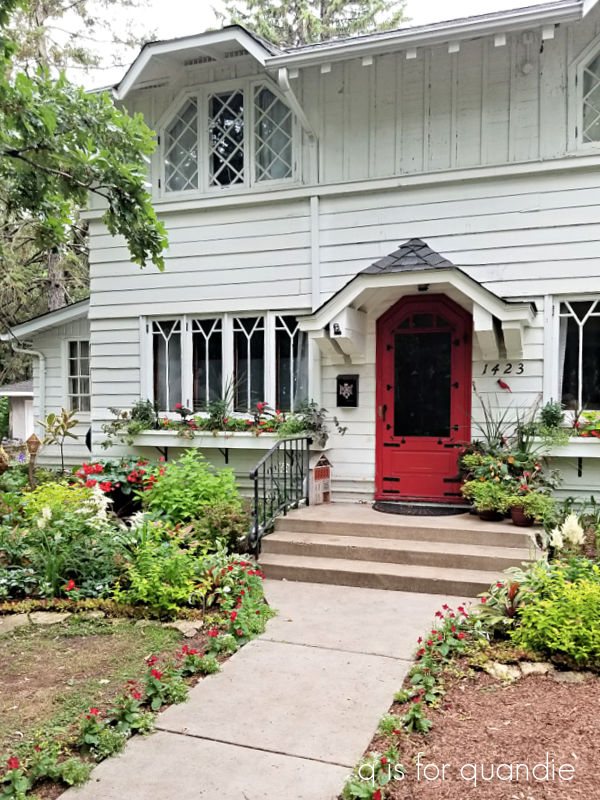
Aren’t those windows fabulous? See what I mean about all of the houses in this neighborhood being totally unique?
But the real showstopper for me was the sloped front border which is divided in half by the sidewalk. I chatted with the owner of this garden, Shawna, and she explained that the two sides are meant to be mirror images of each other.
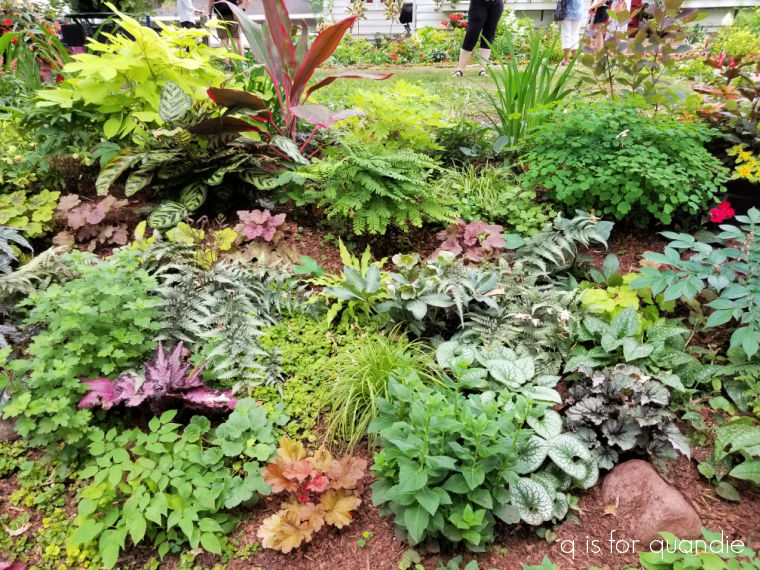
They are filled with shade loving plants chosen for their beautiful foliage colors, textures and shapes.
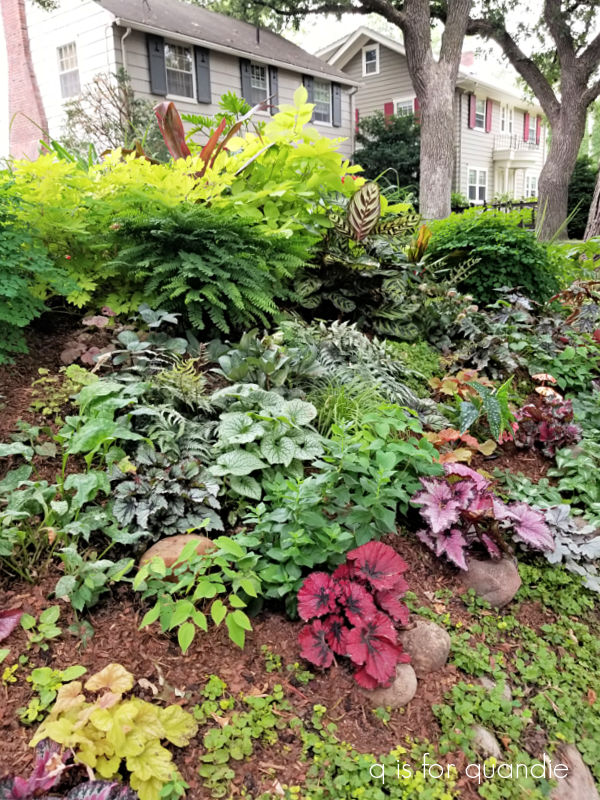
Shawna also explained that she gardens year ’round, which is quite the feat in Minnesota. She brings many of her rex begonias and other plants indoors for winter. She also told me that her indoor plant real estate is limited, so she also just takes cuttings from many of her plants and propagates new plants for the next year that way.
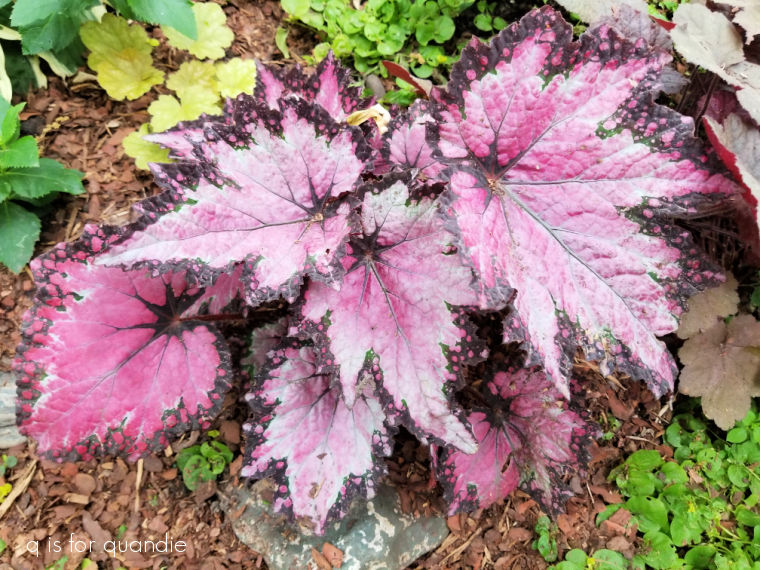
You can certainly see why she wants to save them.
In addition to these beautiful plants, she also had some really lovely copper garden ornaments scattered here and there.

And isn’t that carpet of sedum alongside her dry creek bed just fantastic? Let me get you a little closer to that …

We all really enjoyed the tour, it’s always inspiring to see what other gardeners are doing. I’ve been keeping an eye out for other garden tour possibilities in my area, there used to be lots of them (again, pre-Covid) and so far I haven’t seen too many coming back. If any of you locals know of any, please leave a comment and let me know!
But before I let you go, I want to share what I’m calling the ‘plant of the day’.

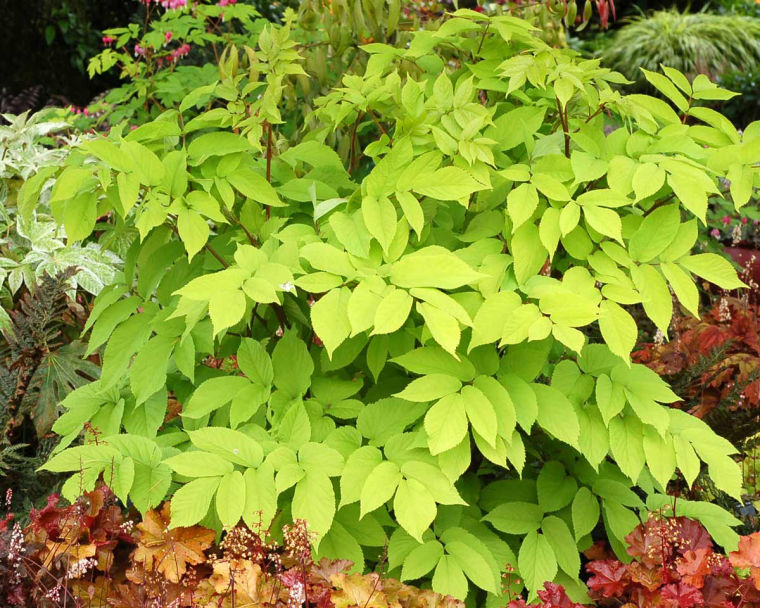
That honor goes to the Aralia cordata ‘Sun King‘.
Ironically, somehow I didn’t manage to get a decent photo of one, even though I would say that almost every garden we toured had one … well, more than one actually. They were everywhere. I borrowed this photo from the internet so that you can get a good look at this plant.
I had seen it more than once recently on gardening YouTube videos (sorry, can’t remember which ones exactly), so when I saw them in these gardens they really jumped out at me.
The ‘Sun King‘ was the 2020 perennial of the year, and I can see why. It provides a vibrant pop of chartreuse in a shady garden. It grows 4′ to 6’ tall and wide. It dies back to the ground in winter, but is fast growing and fills out quickly in the spring. It’s hardy in zones 3 to 9, so can easily handle my zone 4b. It’s also deer resistant.
One of the gardeners I spoke with mentioned that the color is definitely brighter if it gets some sun, but it will grow in full shade.
So now I’m off to figure out the best spot in my garden for the one I found at Abrahamson’s Nurseries in St. Croix Falls (but if you locals are looking for one too, don’t count on them, my neighbor and I bought the last two that they had!).
Do you have garden tours where you are? Leave a comment and let me know!


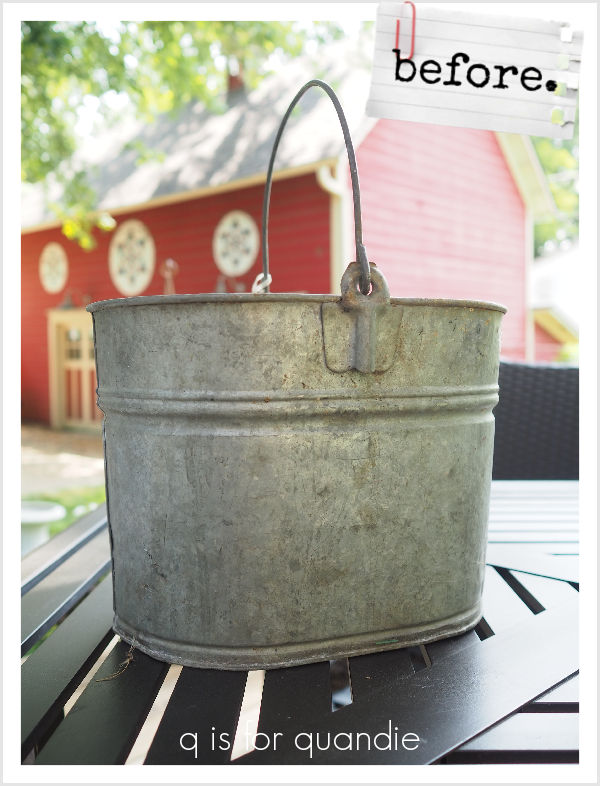

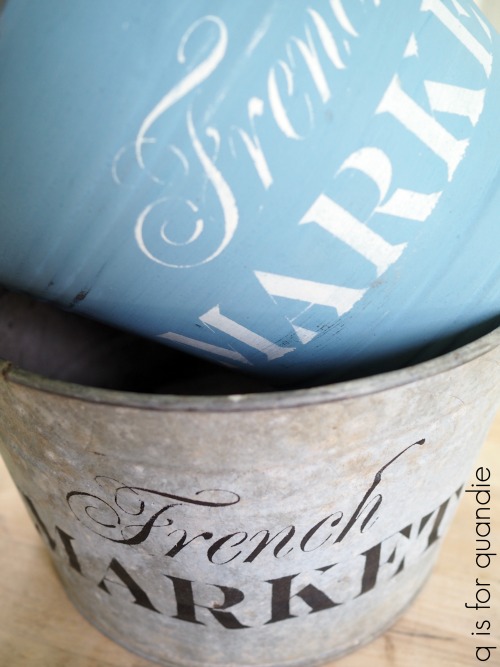
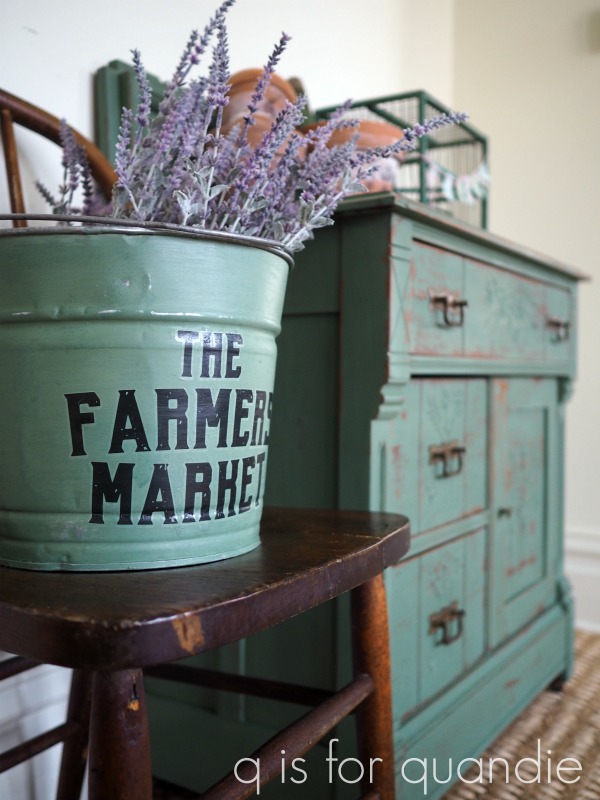
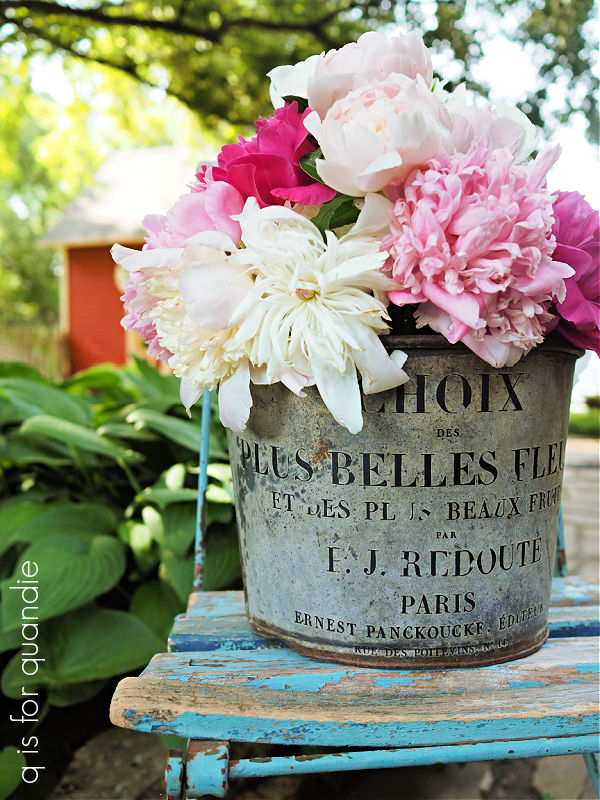
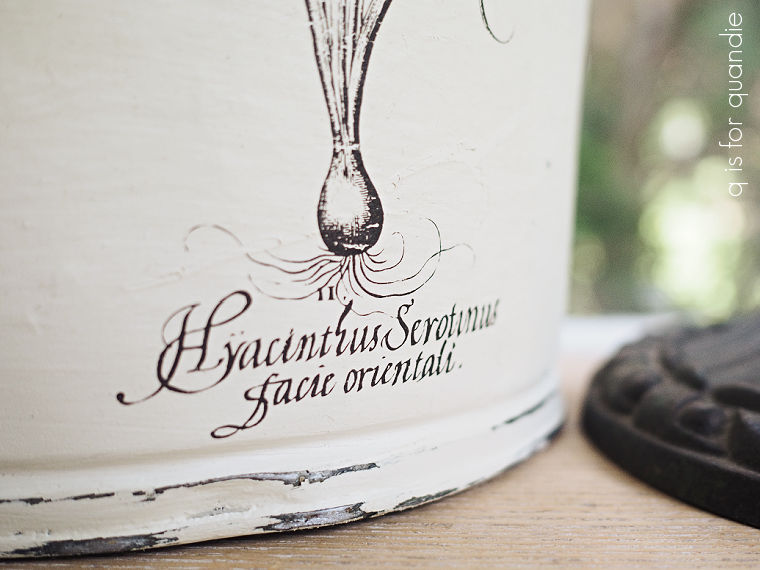
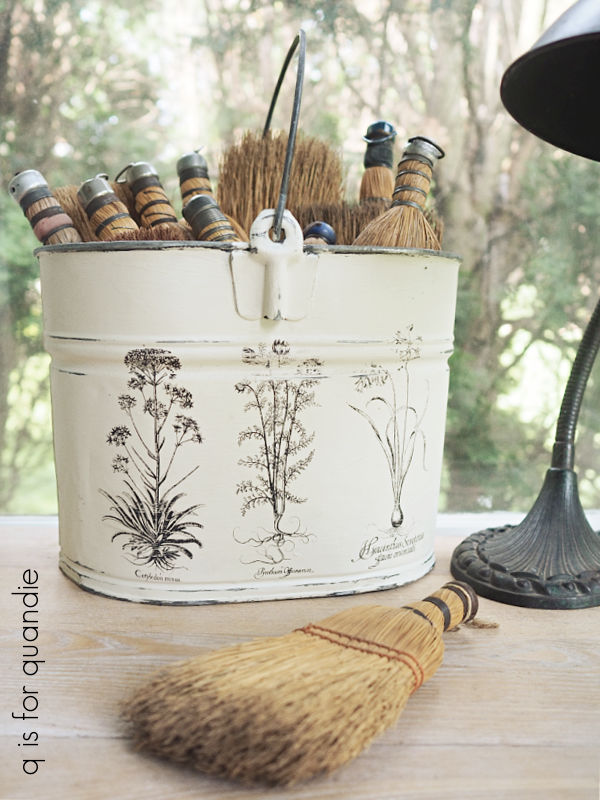













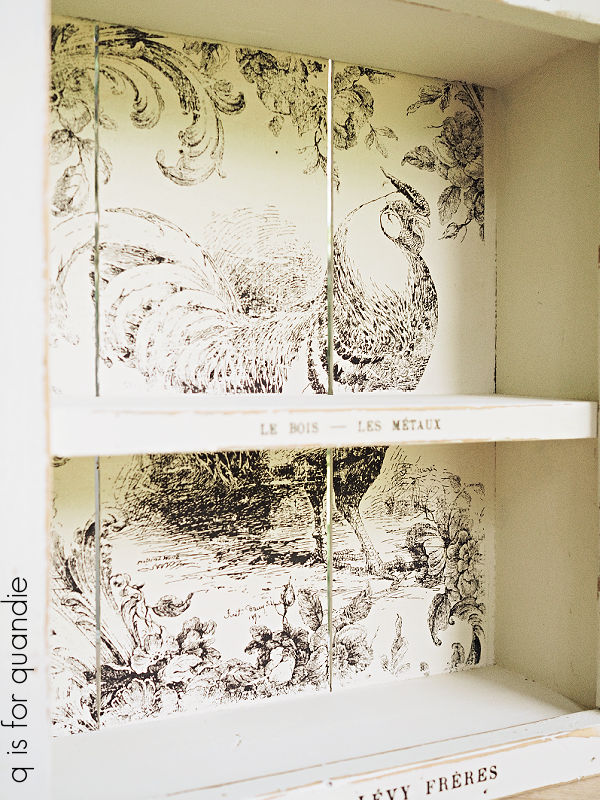
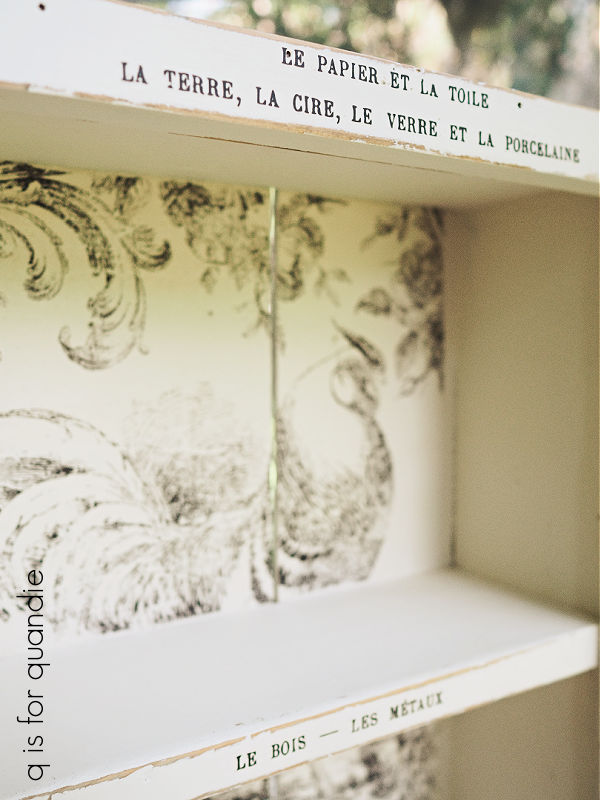

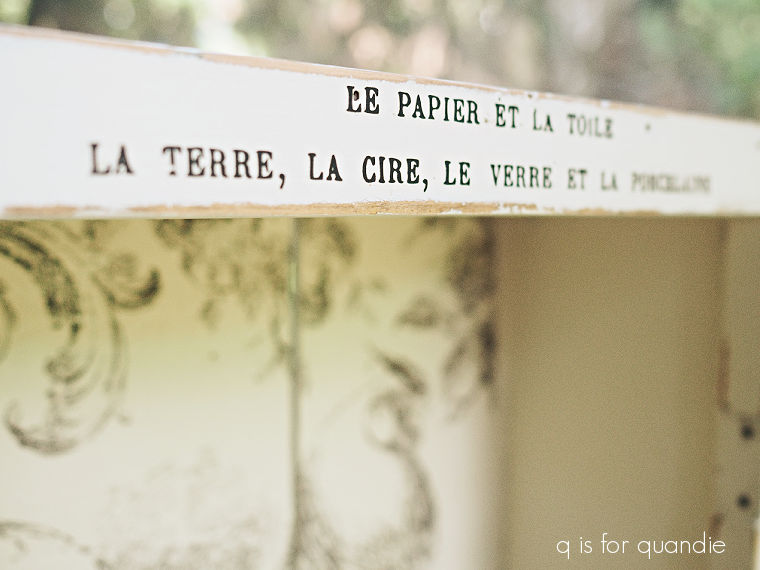
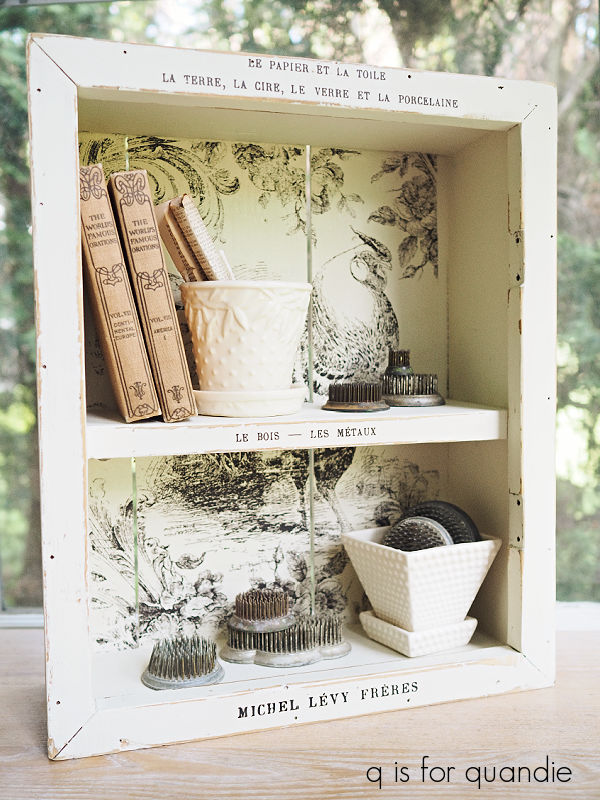
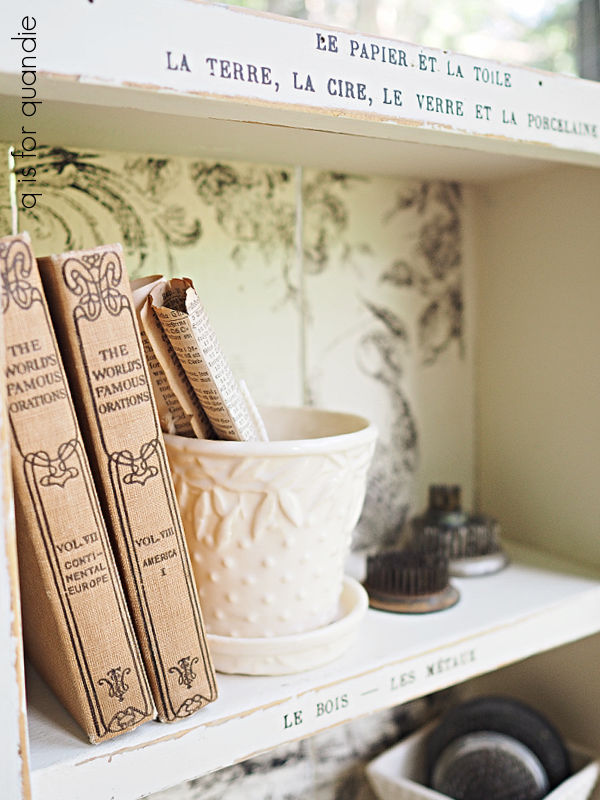
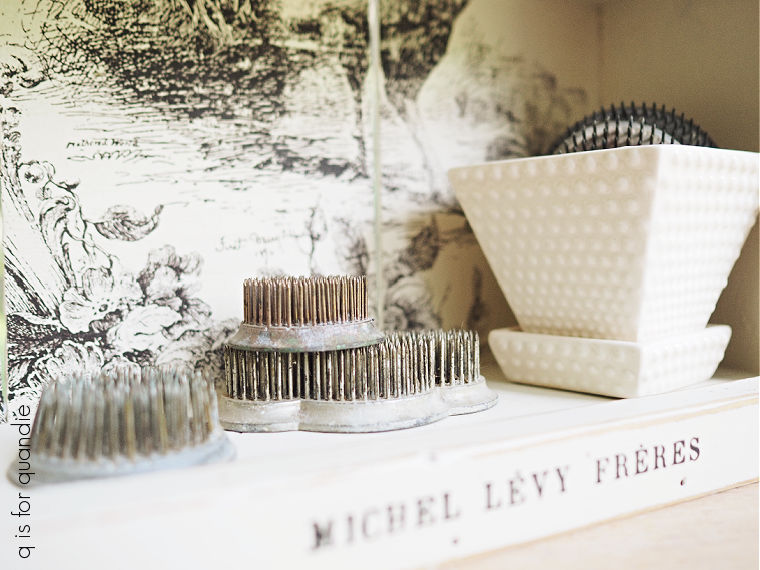













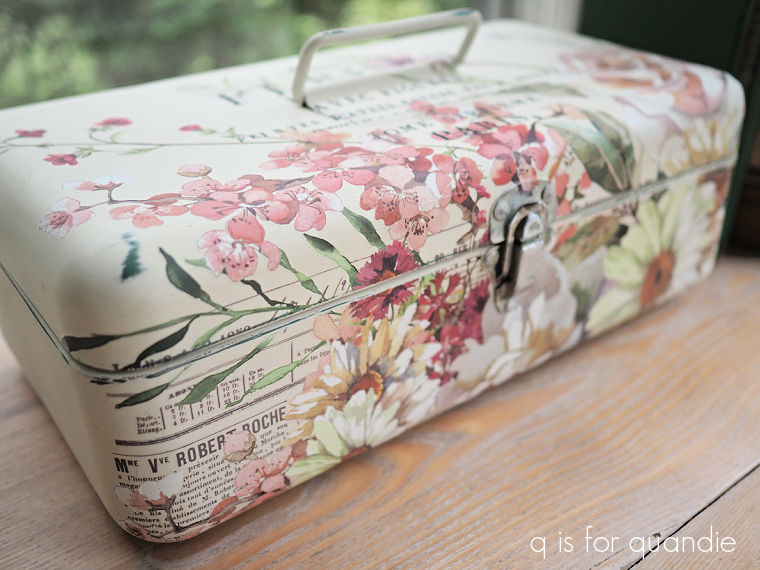
 Next I layered on some wording from the I.O.D. Label Ephemera transfer.