what’s blooming this week?

Good morning from my zone 4b garden!

It feels like we’ve gotten a bit of a late start this year, but then again, I’m pretty sure I say that every year.

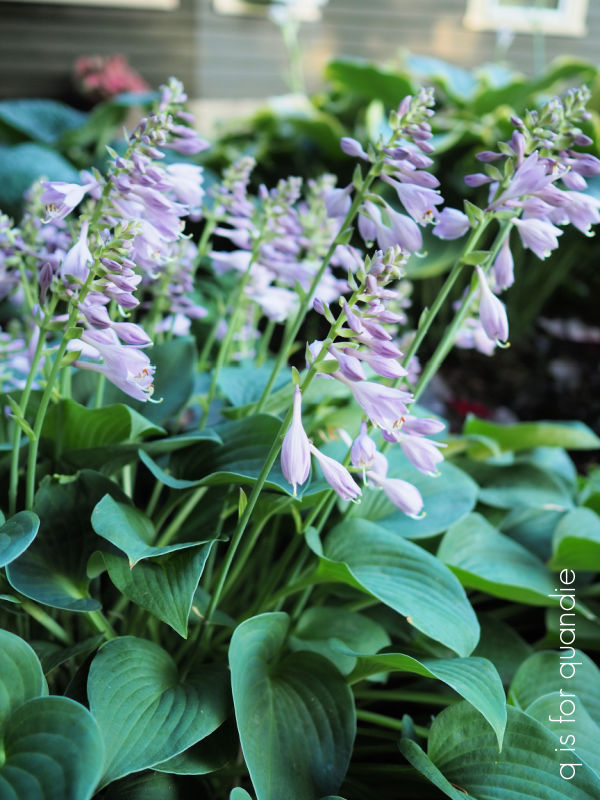
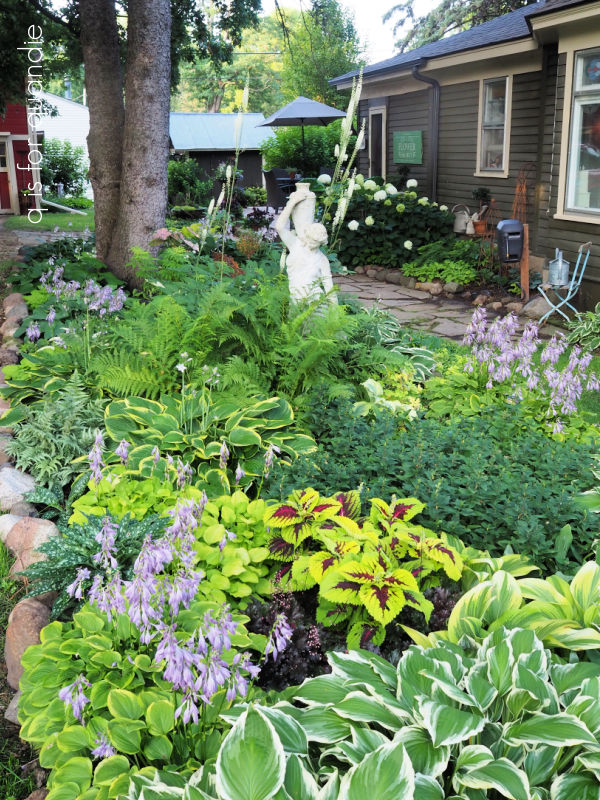
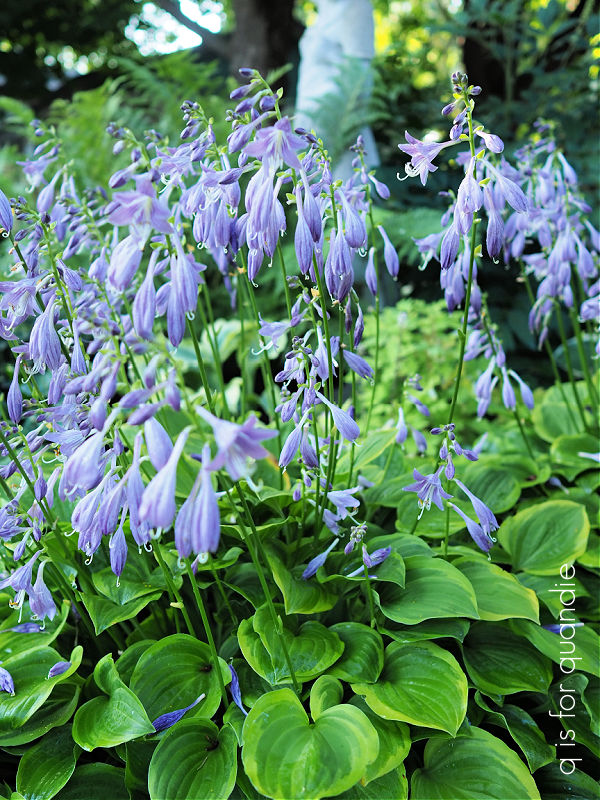
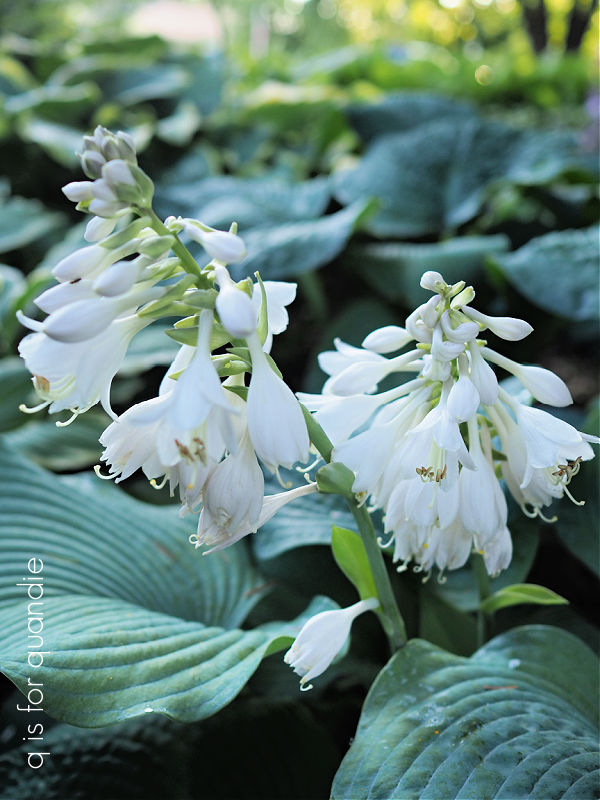
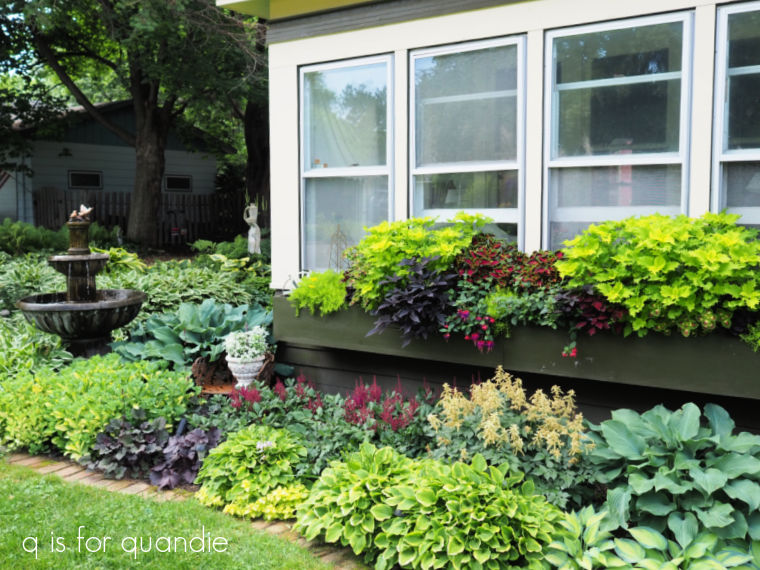
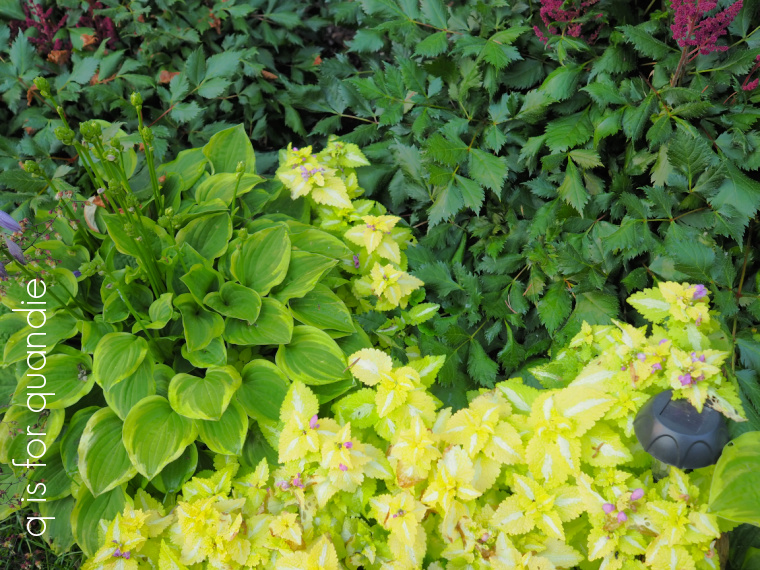
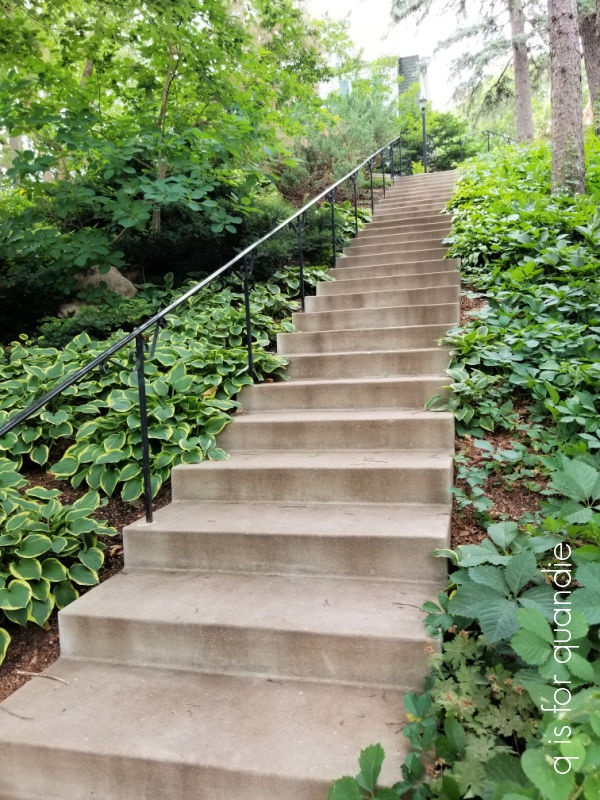
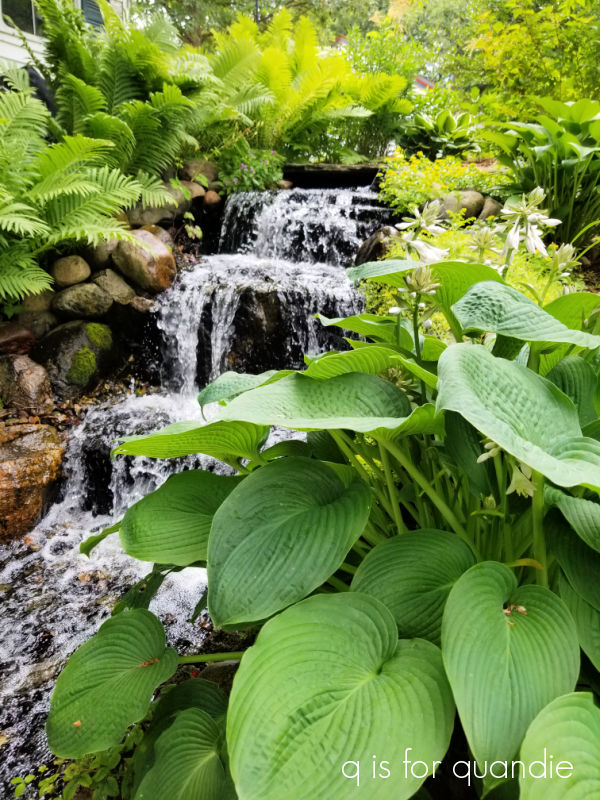
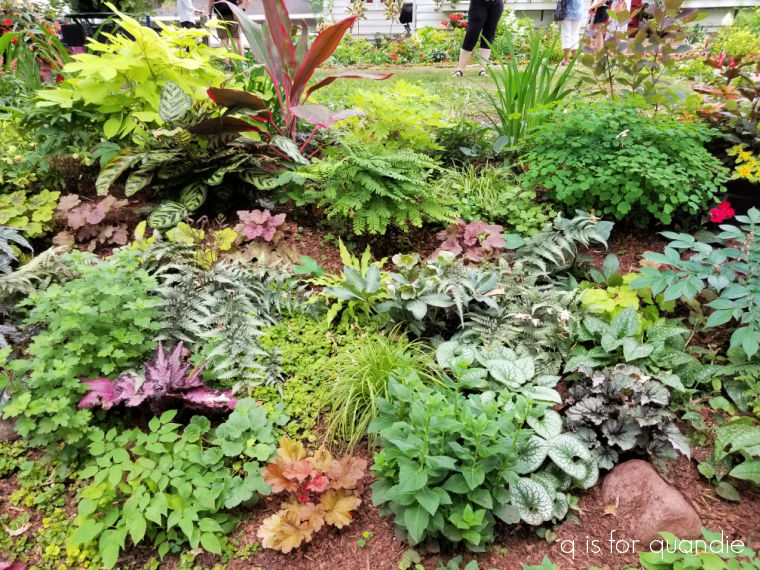
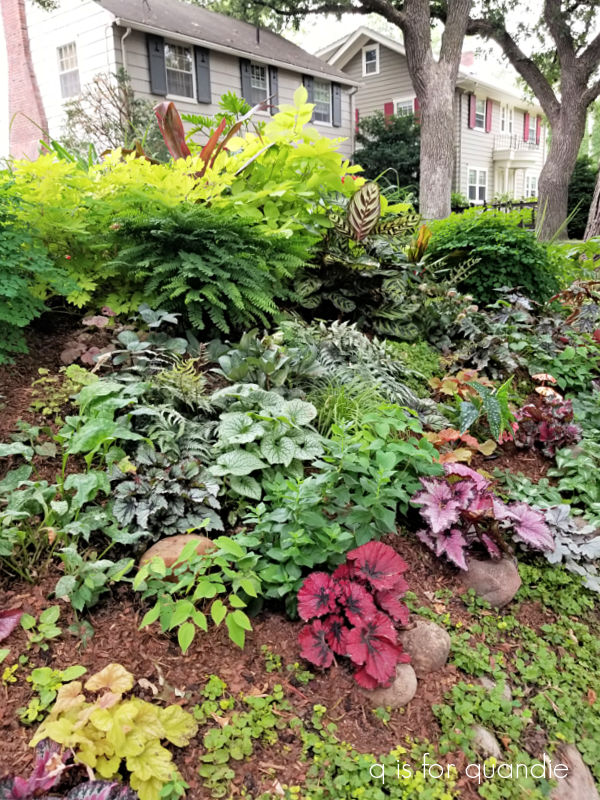
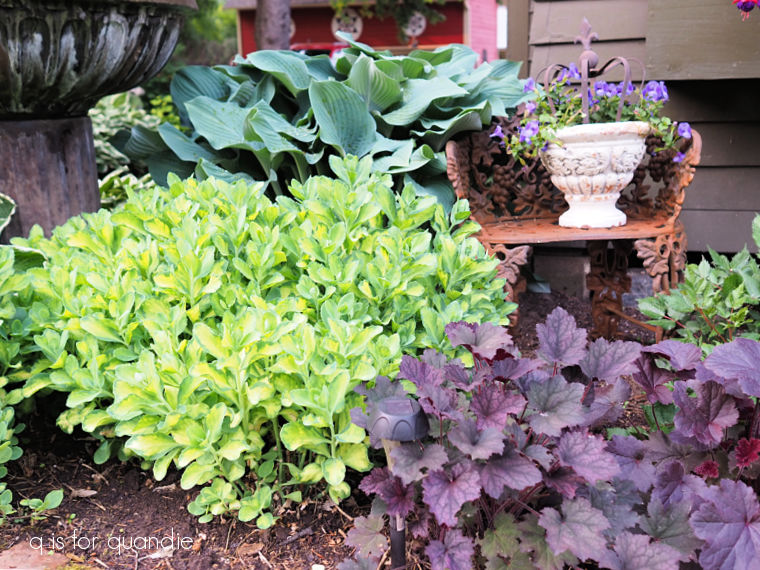
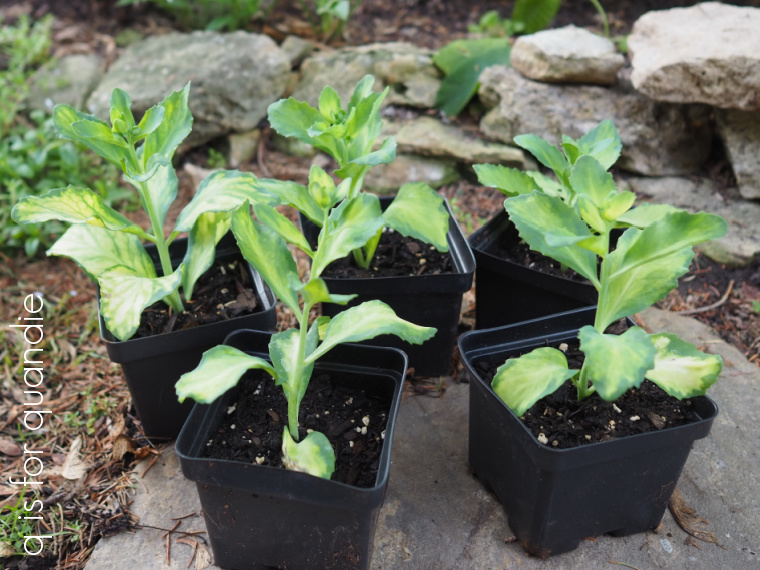
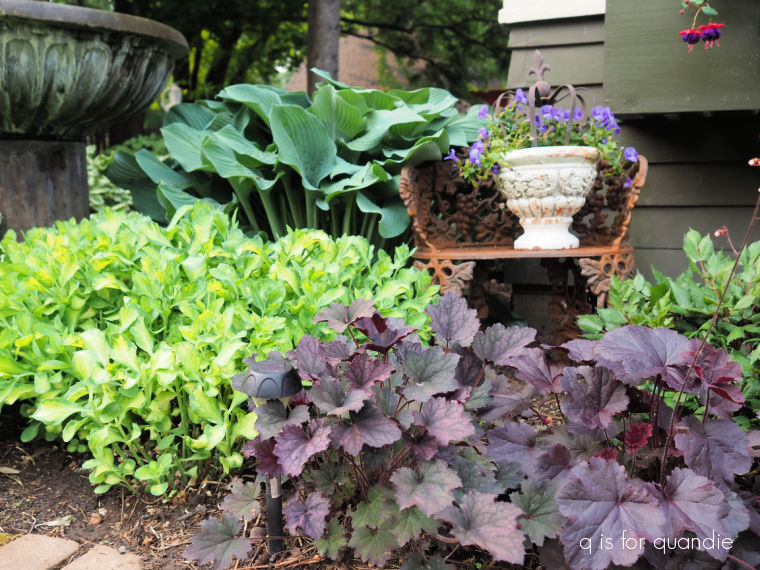
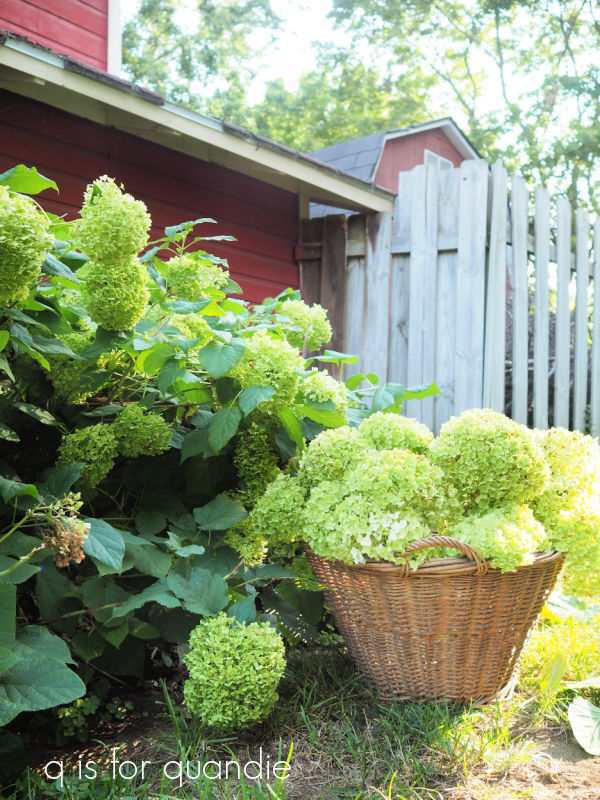
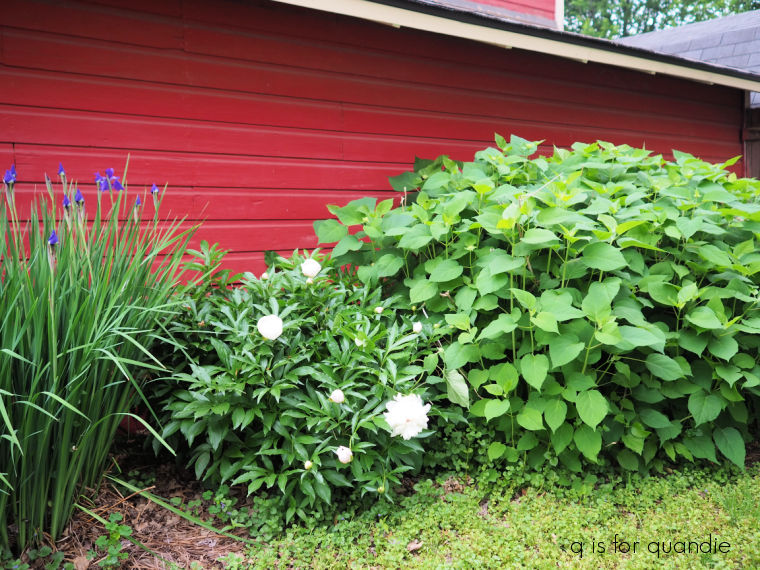
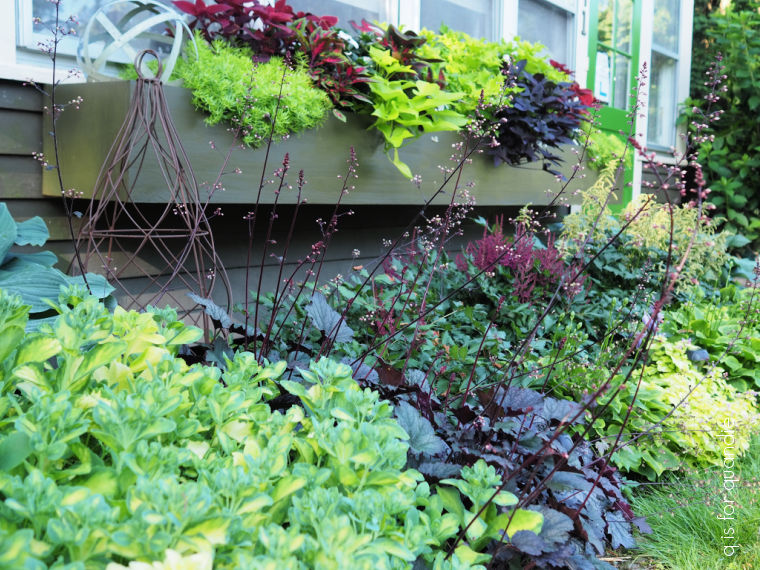
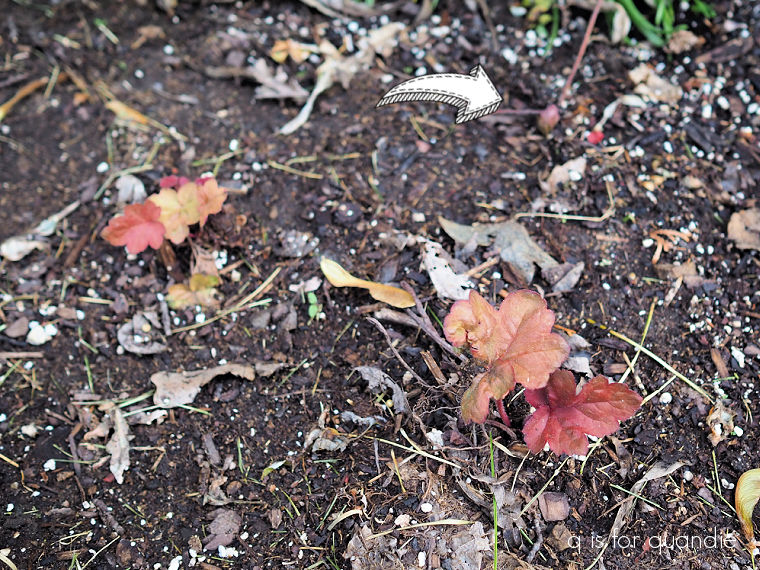
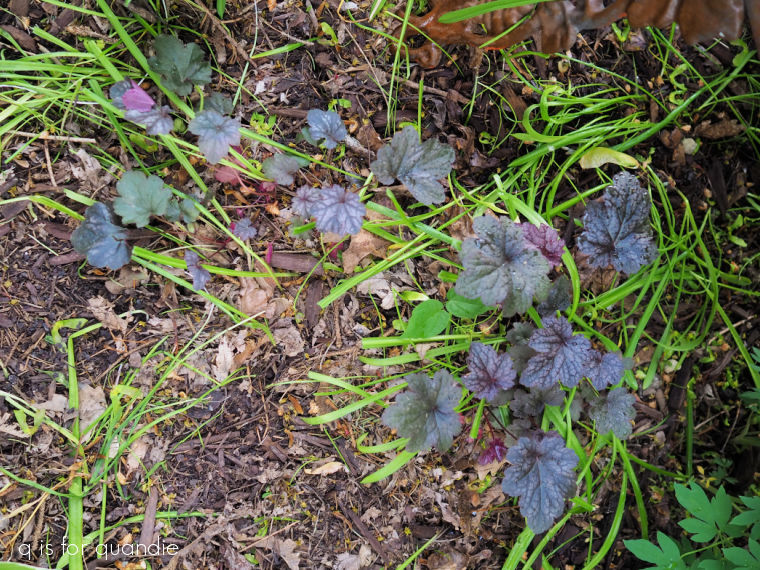
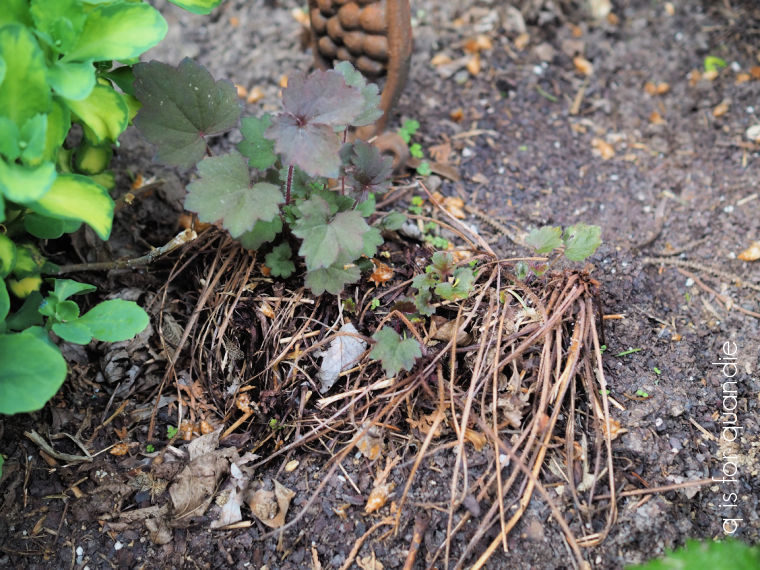
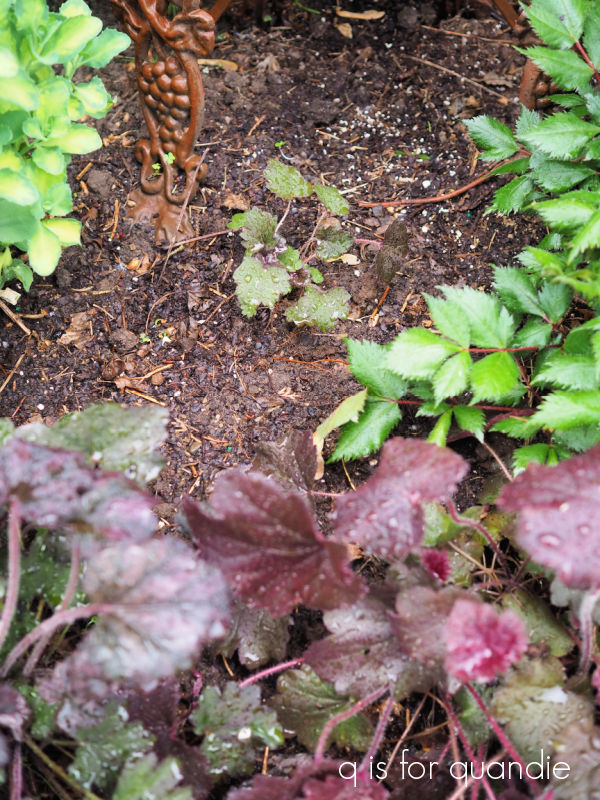
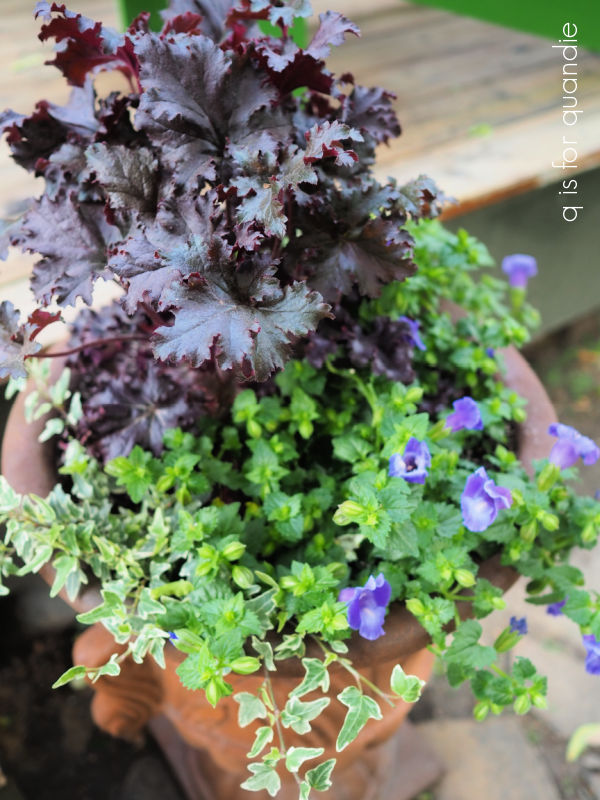
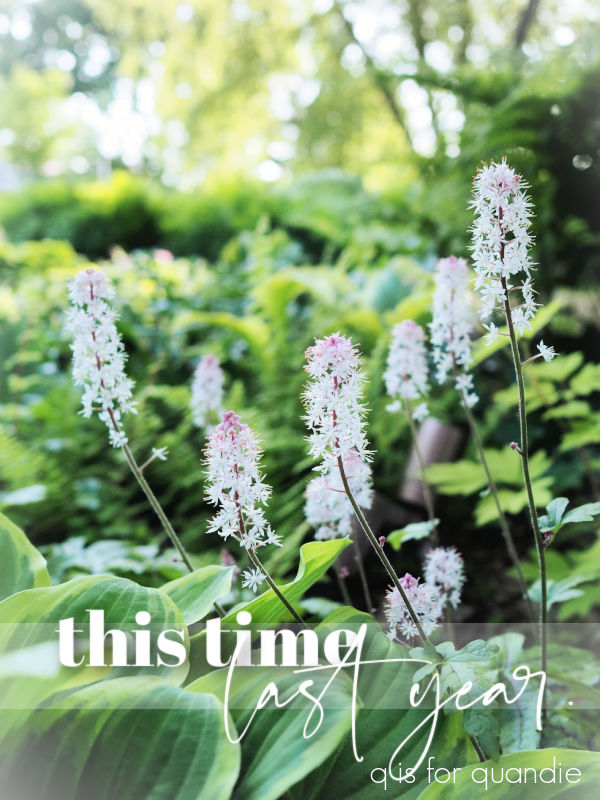
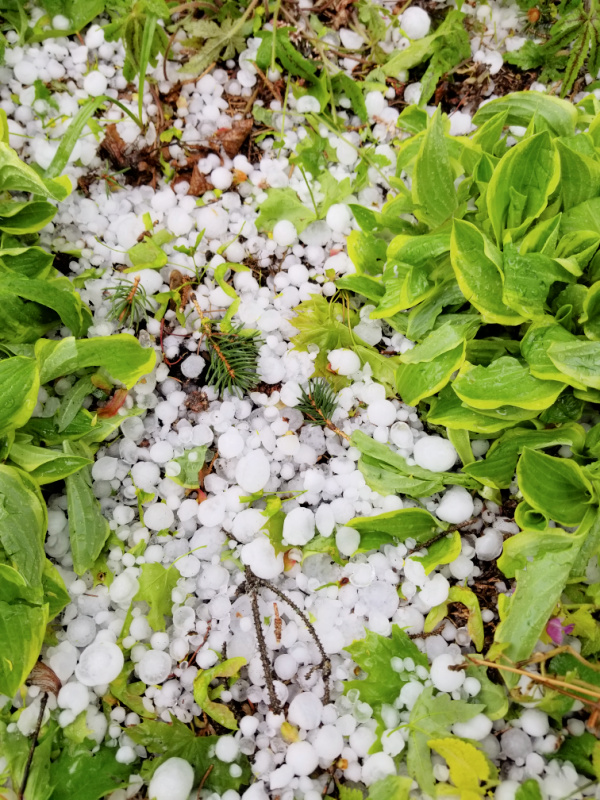
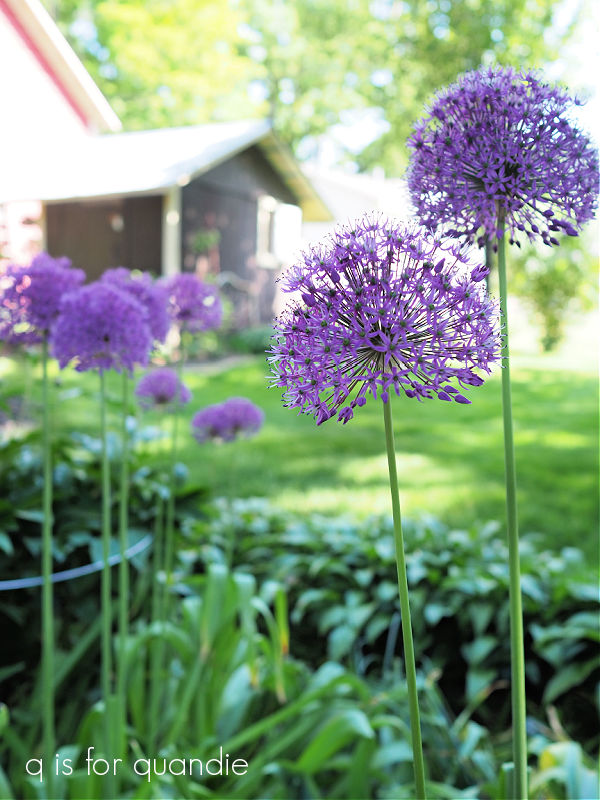
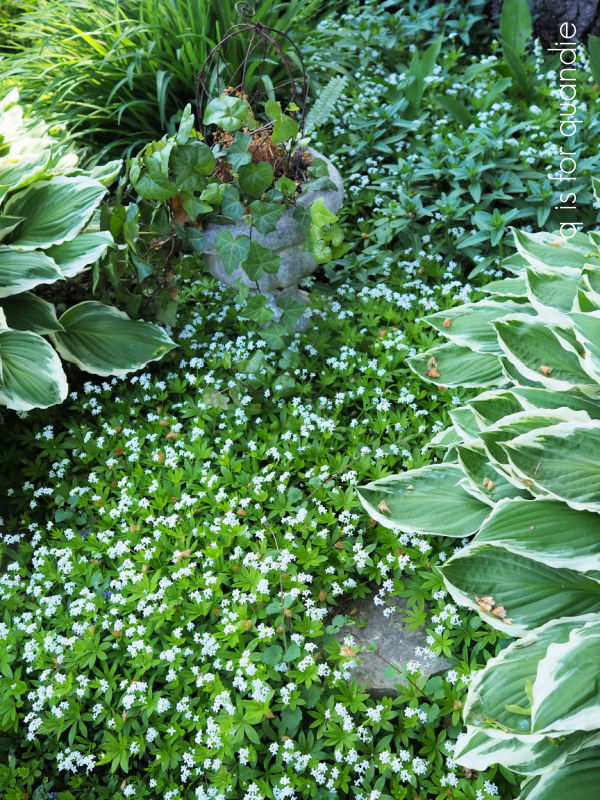
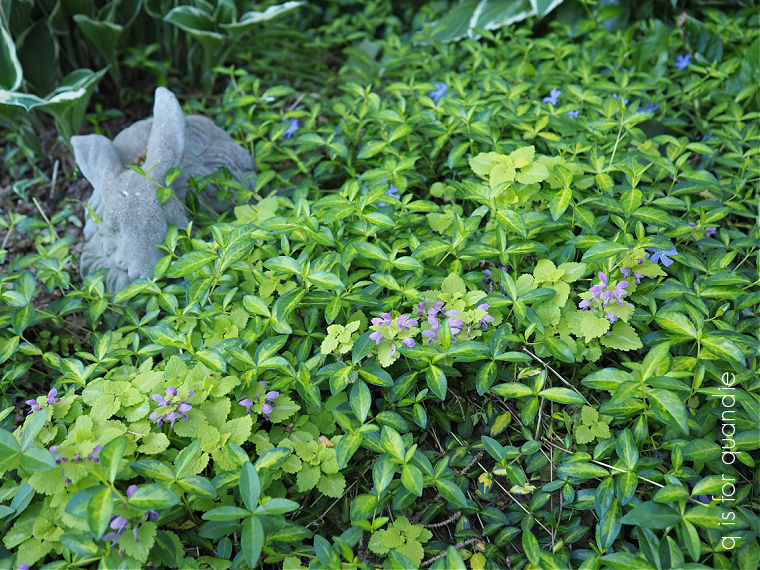
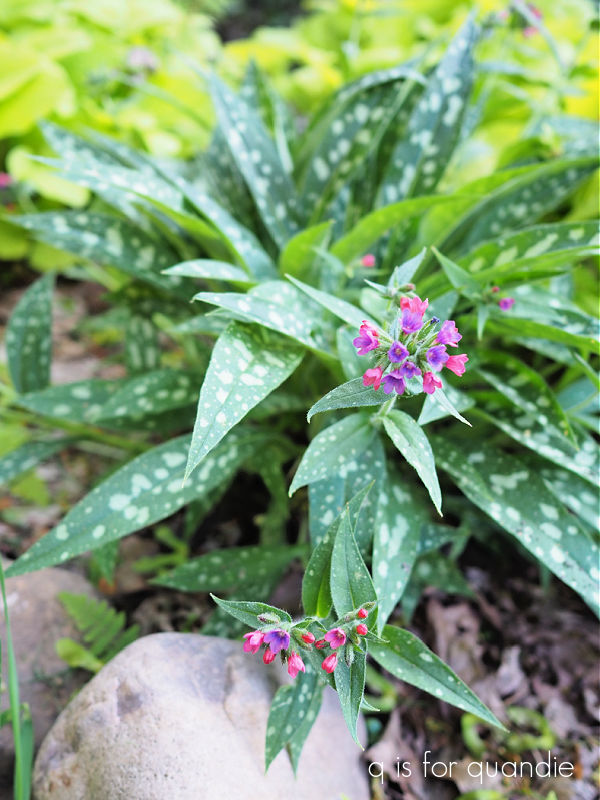
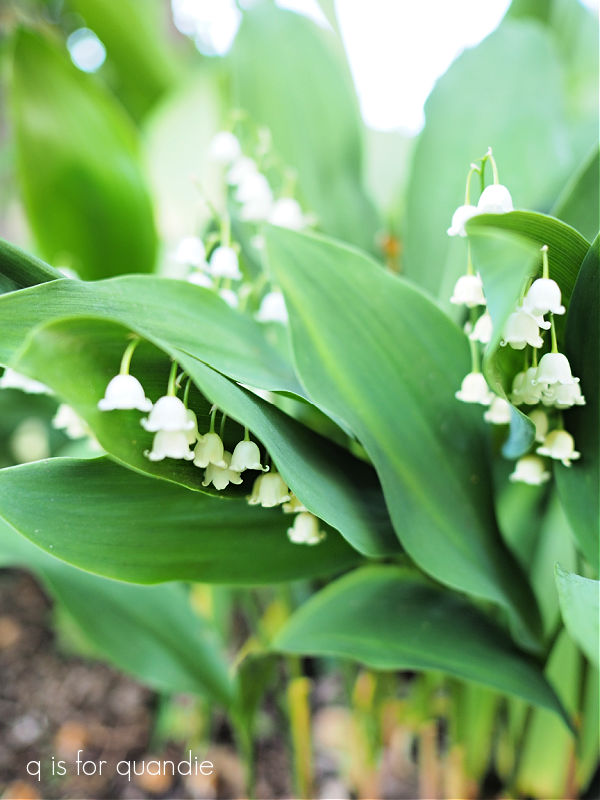
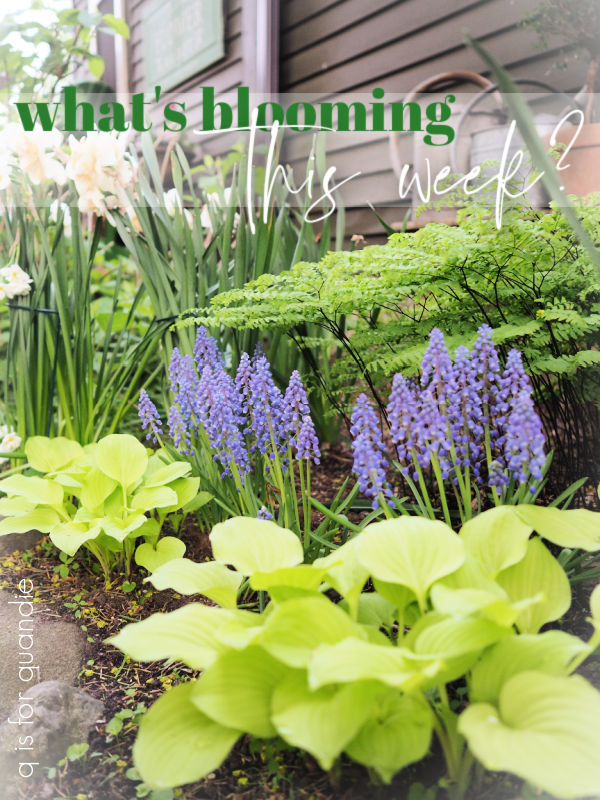
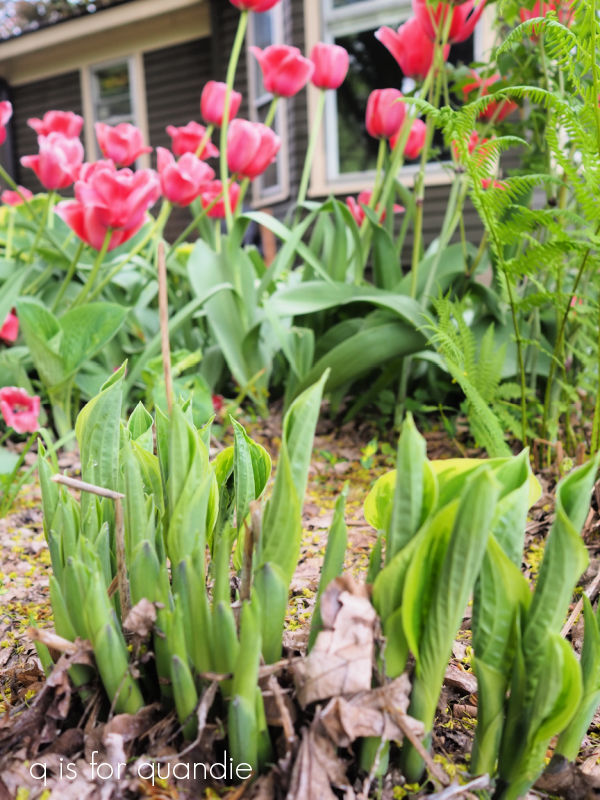
As you can see above, most of the hostas are starting to fill in, although there are still a few that are only pointy shoots just coming out of the ground …

While I wait for all of the foliage to fill in, I’m enjoying lots of early spring flowers.

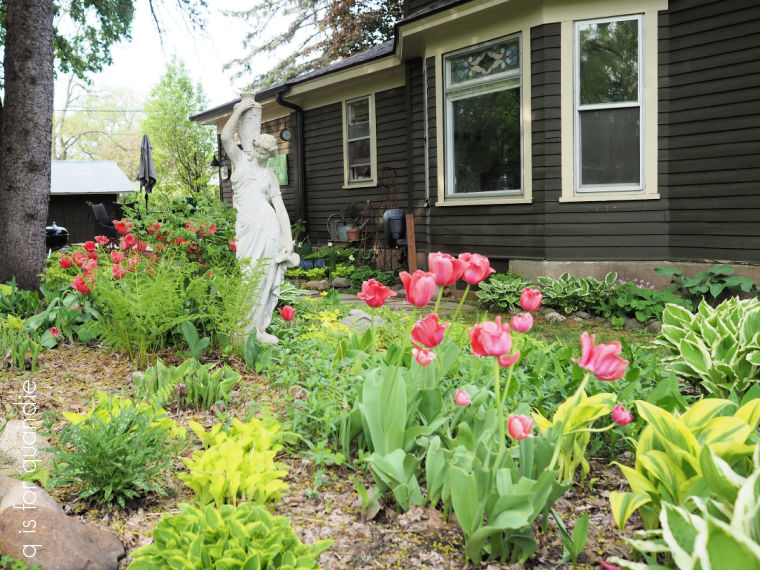
The tulips were still looking great earlier in the week, but they’ve pretty much gone over by now.  I’ll be cutting off the flower stalks this week, but leaving the leaves to store up energy for next year.

I planted Darwin Hybrid Pink Impression tulips, and I specifically chose a Darwin Hybrid because they are more likely to naturalize, ie. they will bloom again next year and even potentially multiply.  Overall though, daffodils, scilla, crocus and muscari are better at naturalizing than tulips.  So we’ll take a wait and see approach with that one.

Speaking of muscari, I added some this year.  Here they are with some lovely Maidenhair Ferns (one of my favorites, I love how delicate they look) behind them, and the pop of a small lime green hosta in front (I wish I knew the name of that one, but I’m not sure which one it is).

Normally I would plant the muscari as a bulb in the fall, but I found these for sale in pots and decided to see if planting them now would work.  The employee at the nursery where I purchased them said it would, but I’m not sure she knew her stuff.  I do hope they come back next year though, because they are lovely in that spot.

It’s interesting to see how much of a difference in bloom times there can be even in a garden as small as mine.  The daffodils that I planted on the east side of the house in a very sunny spot that is rather protected from wind started blooming two weeks ago, while the very same variety planted in a spot with less sun only just opened this week.

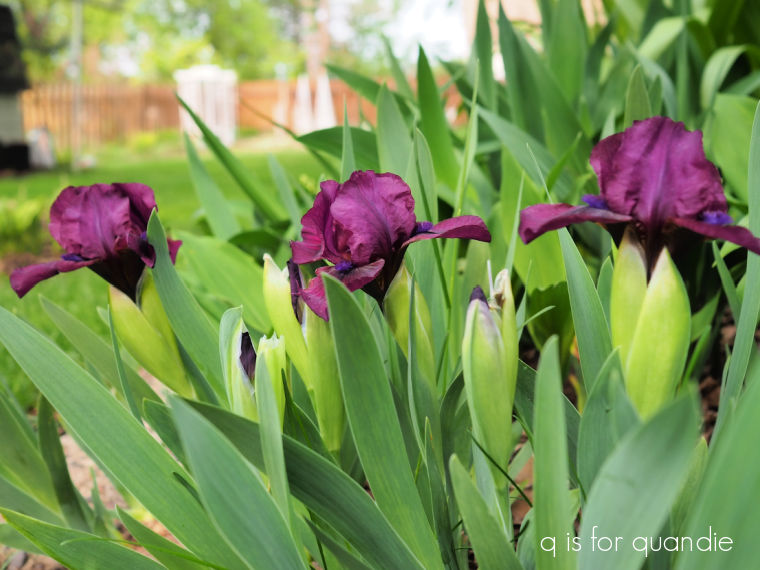
This fabulous rich, wine colored dwarf iris is blooming this week too.

It’s hard to tell from that photo, but these are only about 8″ tall.  I love them for that reason, the other bearded iris in my garden often require staking.

Someone gave these to me, so once again I don’t know what variety they are, but they certainly look like ‘African wine‘.

Another favorite of mine that is blooming right now is the Brunnera.  I have some Jack Frost which has the silver veining on the leaves, but I also have some that have solid green leaves.  The thing is, I’m pretty sure I planted all Jack Frost but some have reverted back to solid green.  Do any of you have any experience with that?

Either way, I just love the delicate froth of pale blue flowers that shoot up this time of year.

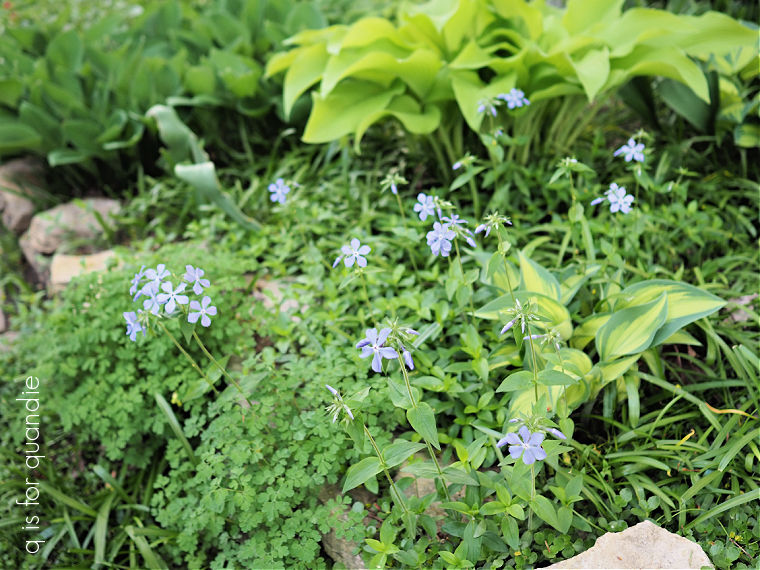
Speaking of blue flowers, my wild blue phlox is also blooming now.

I purchased this plant at a garage sale, and I didn’t know what it was.  But I posted about it here last year and one of you identified it for me.

It will eventually be overtaken by those hostas, but for now it looks rather sweet.

Now, I know I’ve called a number of the plants in my post today a favorite, and everything can’t be a favorite, but I do love the lilacs too.

They have just come into full bloom, and I think our cool weather this week is making them last (it was 44° when I woke up yesterday).  Even the flowers I cut and put in that watering can have stayed fresh looking for days (and usually I have trouble with preventing lilacs from wilting in a vase).

If you’ve followed me for long, you know that I have struggled for years to create a lilac hedge along our back property line.  In fact, earlier this week I dug out two more spindly, pathetic looking plants and replaced them with new ones.

However, the center of the ‘hedge’ has gotten to at least 8′ tall and is covered in flowers.

Now, if only either end would catch up.  I suspect it will be several years yet before these lilacs provide proper privacy, but I’m feeling optimistic.

That’s about it right now for blooms.  But before I go I thought I’d share my fern glade.

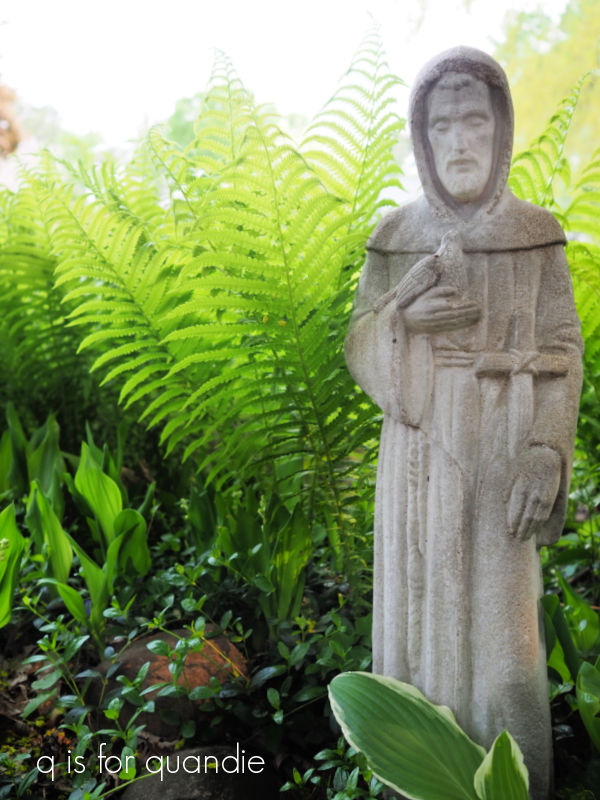
I’m fairly sure these are Ostrich ferns.  I planted them at least 25 years ago or more.  At the time that patch was under pine trees and it was only good for growing weeds.  The pines are all gone now, but the area is still in full shade from nearby trees.  It’s also a low spot in our garden, so it gets very wet in spring.  In other words, perfect for ferns.  These will take over and become almost impossible to eradicate though, so keep that in mind if you decide to plant some.

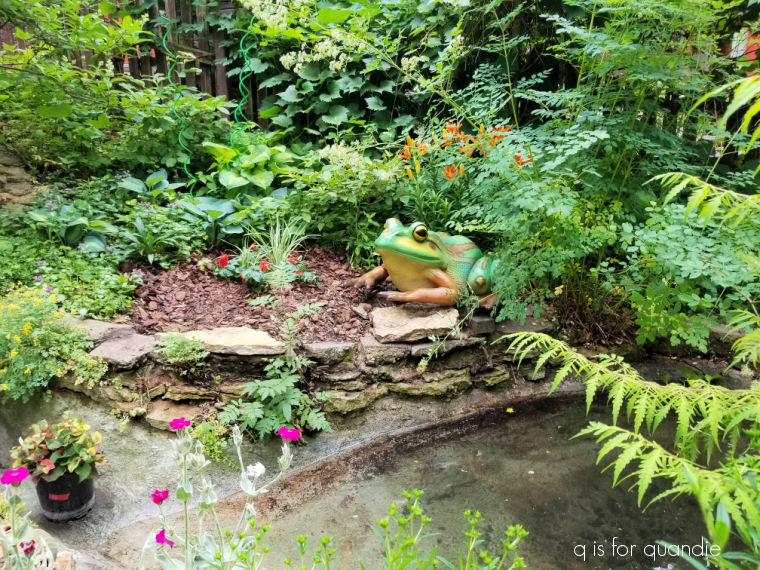
They are  are presided over by St. Francis.

It’s always amazing how fast these ferns shoot up out of the ground.  They look just gorgeous this time of year.  I wish they would last through to the first freeze, but they usually start dying back to the ground in late August, especially if we have a dry summer, and then start to look quite awful.  Also, in recent years, they’ve been plagued by the Japanese beetles too.  According to the internet, Japanese beetles aren’t attracted to ferns.  But they sure do like mine.

So tell me, what’s blooming in your garden this week?  Are your plants way ahead of mine?  Leave a comment and let me know.


the festival topiaries.

As promised, today’s ‘Sunday mornings in the garden’ post is brought to you from Disney World’s Epcot.

Normally when my sister and I go to Disney, we like to go in the fall.  The weather is perfect in late October to early November, and the crowds aren’t super awful then either. But this year we decided to go for my sister’s birthday, which happened to be during Epcot’s Flower and Garden Festival.

The mouseforless.com says that “more than 500,000 plants, trees, and shrubs are planted for the festival; 250,000 of those are annual blossoms installed for the festival.”

In other words, it’s a massive amount of plants and tons of color.

I really thought I’d be able to share all of my photos in one blog post, but as I’m working on it I realize that it’s far too much for just one so I’m going to break it down into a couple of different posts.

There are around 25 themed gardens featured for the festival ranging from the Bouquet Garden in the France pavilion to the Shishi-odoshi Garden in the Japan pavilion (and I’ll share more on those in my next post).  There are also a butterfly house, food booths featuring plant based and/or themed food and drink, and a Garden Rocks concert series.  We saw Kool & the Gang and that was super fun.

In addition, there are over 100 topiaries.

But they aren’t what I think of as legit topiaries.  When I say ‘legit topiary’ I am thinking of living shrubs that have been strategically pruned to form a shape.  In my mind, these are the kinds of topiary that Disney was originally known for having in their parks, like these examples in front of It’s a Small World in Disneyland.

Large shrub topiaries can take up to 10 years to create though, so I can understand that they aren’t very practical if you need over one hundred of them.

They had a Topiary Heritage Garden in the United Kingdom Pavilion where they had placards explaining the different types of topiary being used in Epcot, with examples of each.

Standard Form topiary are created by training a woody plant to a long, single stem topped with a round head of foliage.  I think the double globes of foliage below also count as standards, but don’t quote me on that.

The spirals fall into the category of Free Form topiary.

They did have an example of a shrub topiary in the Topiary Heritage Garden, but there were a couple of gardeners trimming it up while we were there so I didn’t snap a photo of it.

Almost all of the topiary at the Food & Garden Festival are what is called Sphagnum Topiary though.  They are created using heavy steel frames that are then fitted with sphagnum moss and fast growing vining plants.  They also will use dried plant material to create details like faces or clothing items.

For example, I’m betting that Miss Piggy’s lavender gloves and shoes, as well as her face, legs and arms are made out of dried plant material.

I’m sorry, I just can’t help but feel like that’s cheating.  How much of these are even real growing plants?

However, although these topiaries feel rather ‘fake’ to me, they are pretty cute.

And this is Disney after all, their goal is to create magical illusions, right?

And I do rather love the ‘fluffy’ ears on Lady …

But tell me, what do you think?  Are you a fan of the sphagnum moss topiaries, or do you find them a little too ‘fake’ looking?  Leave a comment and let me know.

the first flowers.

Before I headed off to visit my mom a couple of weeks ago, I mentioned that I hoped my scilla wouldn’t bloom while I was gone.

I needn’t have worried, because it held out and I enjoyed it for the full week and half between that trip and leaving for Florida yesterday.

These are always the first flowers of the season in my garden.  Scilla siberica, or squill, is a bulb that blooms in late winter to early spring.  In my zone 4b garden they usually bloom anywhere from the middle to the end of April and I’m always so excited to see them after a long, cold winter.

I have two colors of scilla in my garden, white and blue.  The white ones were already in the garden when we purchased our house 30 years ago.

As you can see, up close they have a little bit of a blue streak to them.  From a distance they mainly look white though.

I prefer the blue ones, so I planted some of those myself a few years back.

They are such a gorgeous, vibrant shade of blue.

Scilla is perfect for naturalizing, ie. it will spread over time filling in the space where it’s planted.

  Some consider it to be invasive, so keep that in mind.  If you decide to plant it, be sure to put it somewhere that you won’t mind having lots of it.

Over time, mine has crept out into the lawn in some spots.

It also pops up randomly, rather far away from where it was originally planted.  I’m not at all sure how it does that.

The brilliant thing about scilla is that after it blooms it dies completely back to the ground.  In the garden, it starts dying back as the perennials around it start to fill in, so it’s perfect.  And in the lawn, by the end of May you won’t even know it was there.

Another huge plus to scilla is that it’s deer and squirrel resistant.

Speaking of which, I have decided to give up on tulips.  You’ll remember that I planted a bunch of new ones last fall, and here’s what I found out in the garden the other morning.

Not only have the deer munched them right down to the ground, they’ve literally pulled two of the bulbs right out of the dirt.  Argh!

I know I could do things to thwart the deer, like spray smelly deer repellant on the garden after every rain or enclose the tulips in chicken wire, but neither of those solutions are appealing to me.  I’d just as soon forgo the tulips and plant other bulbs that the deer won’t eat, like daffodils, alliums or more scilla.

How about you?  Do you have scilla in your garden?  Or are you able to grow tulips without deer eating them all for breakfast?  Leave a comment and let me know.


planting outside of my comfort zone.

I had planned to get out to the botanical garden at Ethel M’s while I was out at my mom’s house last week.  I thought it would make a great ‘Sunday mornings in the garden’ post.

If you aren’t familiar with Ethel M chocolates, first of all they are named after Ethel Mars.  She was Forrest Mars Sr.’s mother, and he is the founder of Mars, Inc.  So many brands are under the Mars umbrella, including Snickers and M & M’s, but Ethel M is their fresh-crafted gourmet chocolate line and they make them in Henderson, NV.

You can tour the factory to see where they are made, and to try a free sample.  But I go for the botanical garden outside.

I have to admit, I’m not really a big fan of desert scenery.  I tend to prefer a much more lush look.  But the Ethel M garden shows how beautiful cacti and other desert plants can be.

All of that being said, I didn’t actually get out there this time.  All of those pics are from my visit last year.  My mom came down with bronchitis just before I arrived last week, and she wasn’t feeling up for much.  So I basically spent the week laying low with her.  Honestly, I was quite lazy and didn’t accomplish much.

However, I did do some planting for her.

She has a few pots on her patio, and I tend to plant those up with annuals each time I visit.  When I was out in February I put in some pansies.

They were still looking OK, but with hot weather just around the corner for her, I knew they weren’t going to last much longer.  I wanted to replace them with some moss roses, which did extremely well for her last summer, but they weren’t available at her local Lowe’s yet.

So I left most of the pansies in place and decided to plant a few things right in the ground for her this time around.

Here’s the thing, my mom lives in a townhome.  They have a rock landscape with irrigation spots here and there for specimen plants.  As plants have died over time, it seems that her HOA is not replacing them.  So there are lots of spots that have a functioning irrigation drip, but no plant.

I’m not usually a rule breaker, technically my mom is supposed to get approval to do any planting in the ground.  But … well … I didn’t have time to wait around for approval.  I planted anyway.

The first challenge for me was figuring out what to plant in her zone 9a, which is a long ways from my own zone 4b garden.  I started out with the yellow lantana.  There are already several of these in the ground in her complex, so I figured they were a safe bet.  I also thought maybe the HOA wouldn’t notice them since they would just blend in with existing plantings.

I grabbed that plant in the back of the photo above with the bright pink flowers because I thought it might attract hummingbirds.  My mom has a hummingbird feeder just outside her sliding glass doors and she loves to watch the birds.

It’s a Chiapas Sage which grows best in full sun and is drought tolerant so I’m hoping it will do well, and draw in lots more hummingbirds.

I also grabbed a gardenia while shopping.  When my family lived in Florida we had a gardenia and my mom loved it, so I thought I’d give it a go.

I wasn’t sure it would do well in the ground with their once a week drip irrigation, so I decided to put it in one of her pots where it would be easy for her to water.

The tag said it would do best with 3 to 4 hours of morning sun, but with protection from the intense afternoon sun.  I was able to place the pot in the perfect location on her patio for that.

I had to laugh when digging through the boxes of stuff in my mom’s garage looking for plant food because I found some vintage garden tools.

She was never much of a gardener, so I was surprised to find this.  If I came across it at a garage sale I’d probably pick it up to use as a photo prop!  Who knows when the last time was that this tool was actually used.  I may have to sneak it into my suitcase the next time I visit.

For now, I’m keeping my fingers crossed that everything I planted survives.

How about you, do you ever garden outside of your zone?  Leave a comment and let me know.
 

the first gardening task of the year.

I can now positively say that spring has finally sprung, and so have my alliums.

Just before I left to visit my mom in Vegas we had several days with temps in the 70’s and it really started to feel like summer is on the way.

Between you and me, I’m taking full credit for the weather warm up.  Every time I plan a trip somewhere warm in the winter, Minnesota gets unseasonably warm temps while I’m away.  As soon as I booked my ticket to Vegas, the forecast went from 1′ of snow to sunny and 75.  You’re welcome Minnesota!

Now that gardening season is upon us, I’m going to resume my ‘Sunday mornings in the garden’ series.  So for those of you who are gardeners, be sure to keep an eye out for Sunday morning blog posts.

The very first gardening task I take on each year is pruning my hydrangeas.  This is a job that can be tackled pretty early on in the season (even late winter if you’re so inclined), but I usually save it for our first warm sunny day when it’s still too soon (and too muddy) to do much else in the garden.

After a long, snowy winter the blooms that I left on for winter interest are looking pretty tired (and yes, that is still a big patch of snow and ice in front of the potting shed, will it ever melt?).

There are a few general rules I keep in mind while pruning my panicle hydrangeas (Limelight, Little Quick Fire, Strawberry Vanilla, etc, etc).

  • reduce the overall height of the shrub by about 1/3.
  • remove any dead, broken or weak branches.
  • remove any branches that are rubbing on other branches.
  • prune just above a leaf node.

All of that being said, in my experience you don’t really have to worry too much about rules when pruning panicle hydrangeas.  A couple of years ago I totally hacked at the Limelight hydrangea in my front garden.  I took it down to about 2′ (from probably about 7′ or so).  I left only the thickest stems, and I didn’t even look for leaf nodes.  Yet it still came back gangbusters, and was right back to 7′ tall two years later.

Since panicle hydrangeas bloom on new wood, pruning them will maximize the number of blooms you get.

  I like leaving a little more height on the hydrangea next to our deck because once it leafs out it creates a nice little privacy screen.  It doesn’t look like much now, but here’s how it will look from this spot in August.

I also prune my arborescens variety hydrangeas (I have Annabelles) in the spring.  They also bloom on new growth, so pruning will encourage blooms.  However, one major downside to this variety of hydrangea is that the stems are often not strong enough to support the flower heads.  The first big rain after they bloom will turn your bush into a floppy mess.

A few years back I read an article that recommended pruning your Annabelles by no more than a couple of inches below the flower heads, leaving the strong old wood stems in place to help support the flowers.  You can also remove weak, broken or dead stems all the way down.

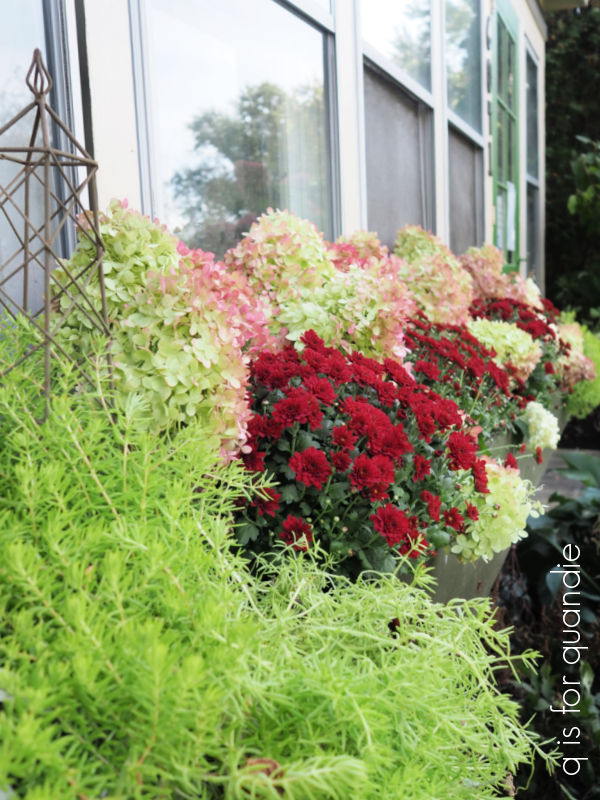
I’ve also given the Annabelle under my kitchen window a little extra support with an old brass headboard.

It was looking quite straggly after the long winter, but I cleaned it up a bit.

Personally, I wouldn’t recommend adding an arborescens hydrangea these days.  Even though some of the newer versions claim to have solved the flopping problem, they haven’t eliminated it entirely.

I actually inherited this Annabelle with the house, and since we moved in I’ve divided and moved it.  There is a big chunk of it out behind the carriage house in my cutting garden, which can be another good idea for this variety.  Place it in a spot where you will just be cutting the blooms off, but it doesn’t have to look good in situ.

So now I’ve checked the first gardening task of the year off of my to-do list.

I’m hoping that I don’t miss the blooming of my scilla while I’m out at my mom’s.  The flower buds were just appearing before I left, but they weren’t open yet.  They do usually bloom in mid to late April, and have even been known to be blooming in the snow as they were in 2020.

I think they’ll hold off this year until I get back.  Fingers crossed.

I also have lots of daffodils, tulips and allium coming up.  Luckily they are willing to pop right up through the snow.

You may remember that I put in a lot of bulbs last fall, so I can’t wait to see how they do.

It feels so good to be back out in the garden!  I’m really looking forward to spending lots more time out there again this year, and sharing lots of tips with you guys along the way.

So tell me, are you back out in the garden yet this year?


that four letter word.

I’m just sharing a quick Sunday morning post from the garden today.

I thought it might be fun to give you guys an update on the ‘winter interest’ in my garden.

For the most part, it’s buried under several feet of snow.

And so much for my Christmas decorations, they also got kind of buried.

Well, except for the ones that are hanging higher up on a wall.

They still look good.  Which is lucky because there is a huge snow bank in front of that scene, so I won’t be getting in there any time soon to take them down.

Cossetta (my statue) has snow nearly up to her waist.

Fortunately, she is impervious to the cold so she’s perfectly fine.

In other words, like much of the northern half of the country, we’ve gotten a lot of snow already this year.  I found one source that says we’ve gotten over four feet so far, and another that says 45″.  I’m not sure which one is correct, but they are close enough.  It’s a lot.

Since I like to look on the bright side, how about I list the benefits of that four letter word, snow.

  • It’s picture postcard pretty.
  • It covers up a multitude of sins.  Suddenly every yard looks beautiful and you can no longer see the debris that your neighbor piles up next to your fence.
  • It adds a layer of insulation to the garden, so subsequent sub-zero weather is not as damaging to dormant perennials.
  • It provides lots of moisture to the ground when it eventually melts.
  • People who enjoy winter sports like snowmobiling, skiing and snowshoeing are in heaven.
  •  It lights up the sky at night.  Have you ever noticed that?  It’s never too dark to see outside at night when there is snow cover.
  • It provides a reason to get outside and get some fresh air and exercise (because you have to shovel off the walkway).
  • You might get a snow day from school or work (although since Covid those have mostly become ‘e-learning’ or ‘remote work’ days).

Can you think of any I’ve missed?  Are you enjoying the snow where you are?  Or are you blessed with warm, sunny weather?  Leave a comment and let me know!


a beautiful white Christmas.

Merry Christmas dear readers!

Since Christmas just happens to fall on a Sunday this year, I thought I would take advantage and bring you a holiday greeting from the garden.  Once again, not technically my garden, but a garden.

The Sunken Garden in the Marjorie McNeely Conservatory at Como Park does a different holiday display every year.  This year they went all white.

Well, white and green anyway.

Of course there were lots of white poinsettias, plus other flowers that I think of as typical Christmas plants like paperwhites …

and amaryllis.

They also used plants that I think of as typical summer annuals in our area like euphorbia and dusty miller.

Plus, there were plants that I think of as potted plants like the little lemon cypress trees, and white kalanchoe.

I find an all white color scheme very serene and peaceful.

I’ve often thought about adding a white garden to my yard.  White flowers really pop in a shady area, or in the moonlight at night.  Some options for white flowers in a shade garden include impatiens (of course), white bleeding heart, lily of the valley, astilbe, snow drops, bloodroot, sweet woodruff, foam flower and anemones.  There are so many to choose from!

But if you’re not a lover of the all white look, you might enjoy last year’s red, orange and yellow theme at the conservatory a bit more …

What do you think?  Are you a fan of the serene all-white look, or do you prefer a lot more color?

Leave a comment and let me know.  But in the meantime, happy holidays to you and yours.  I hope you are enjoying a serene and peaceful holiday season, or possibly a vibrant, colorful one … whichever one works best for you!
winter interest in the garden.

I’m sure many of you are familiar with the movie A Christmas Story.  You know that scene where Ralphie wakes up on Christmas Day and looks out the window to find it has snowed over night to create a magical winter wonderland?  I always feel that same sense of magic when I wake up to find that it snowed overnight, as I did last Wednesday night (and Thursday night, and Friday night).

This was the view from our bedroom window when I got up on Thursday.

I’m not sure my photo does it justice, it really was magical.  It got even better on Friday.

So I thought this might be a great time to bring you a Sunday morning in the garden post, winter version.

Most of the garden vloggers that I watch on YouTube have been talking about adding winter interest to the garden lately.  I have to admit that I’ve never really given ‘winter interest’ much thought in the summer when I’m planting.

So most of my winter interest plants are totally coincidental.  The many hydrangeas that I’ve planted for their fabulous flowers, also look quite pretty after a snowfall.

Even my dismal failure of a lilac hedge adds some decent winter interest.

Otherwise, most of the ‘interest’ in my winter garden comes from the trees.

Or the garden ornaments.

Things like statues, trellises, and obelisks are a quick and easy way to add interest to the winter garden, although not necessarily the cheapest way.

Another recommendation for adding winter interest is to leave attractive seed heads on plants like echinacea (coneflower), astilbe and bee balm.  I have those perennials, but in our climate they pretty much first get battered by a heavy snow, and then buried in it.  They work better for autumn interest rather than winter interest here.

We need to rely on sturdier options in Minnesota like evergreens, or shrubs with winter color like winterberries or red twig dogwood.  They can stand up to a couple feet of snow.  And the red of the winterberries and dogwood look especially amazing in the snow.
But until I get some red things planted, I will have to just admire how the red paint job on the carriage house really pops in a snowy landscape.

How about you?  Do you have any recommendations for adding winter interest to a garden?  Or perhaps you enjoy living in a perpetually green climate.  Leave a comment and let us know!

a tropical garden for Christmas.

Welcome back to Sunday mornings in the garden.  Once again, this post is not coming from my own garden which is currently buried under a couple of inches of snow.  Instead, this one is coming to you from Puerto Vallarta!
As I’ve mentioned, my neighbor’s family invited me along on their family vacation to Mexico.  Yep, I’m very lucky when it comes to neighbors.  I think I won the good neighbor lottery.
So I spent a week at Velas Vallarta with my neighbor Karen and her parents.  The resort was gorgeous, and so was the weather.

  We had 7 days in a row of mid-80’s and sunshine, not a drop of rain or a cloud in the sky.  Perfection.

We basically spent the bulk of our time looking at this view while a very nice waiter named Edwin delivered pina coladas and nachos.

Most of the time it felt like we practically had the place to ourselves because the resort was only about 50% occupied.  The week immediately following Thanksgiving week is not very popular apparently.

We did venture out to the beach a couple of times.

And we also ventured out to the marina to do some shopping.

But I said this was going to be a garden post, and that’s because the grounds at Velas Vallarta were just beautiful.

Not only that, but many of the plants had markers so it was a lot like being in a botanical garden.

I enjoyed finding out what the various plants were called, like the Washingtonia Robusta or Mexico Fan Palm.

And the Musa X Paradisiaca or the Banana!

There were two flowering plants that stood out as my favorites.  First up, the bougainvillea.  This is one of my mom’s favorite flowers, and she would have loved how they were spilling out of a multitude of planters on the balconies at this place.

But I think I liked the Blue Sky Vine even more.

They had long pergolas around the several swimming pools that were covered in this vine and provided perfect spots for shady lounging.  There was one small problem in that they really attracted the bees, and Karen got stung twice in the pool.  Ouch!

I have to admit, I find it difficult to feel properly Christmas-y in the tropics.  But the resort was doing their best to add some holiday vibes.  One morning I woke up to find that they had planted poinsettias in the garden the previous day.

They’d also put up a huge tree in the lobby.

It was decorated with these beautiful silver lanterns.

Still, it took coming home for me to get back into a holiday mood.

As much as I enjoyed that gorgeous warm, sunny weather in Mexico, I need a little snow on the ground to feel like Christmas.  How about you?  Do you enjoy a tropical Christmas?  Leave a comment and let me know!

gardens around the world.

Good morning from the garden.  Unfortunately, I came home from Florida last weekend to a garden that was pretty much completely done.  All but the most hardy of perennials have died down to the ground, and most of the leaves are off the trees.  So I’m not sharing my own gardens today, instead I thought those of you who are gardeners would enjoy seeing the gardens of Epcot’s World Showcase.

For anyone not familiar with Disney World, Epcot is one of the four theme parks there.  The back half of Epcot is devoted to the World Showcase which features 11 areas themed to specific countries situated around a large lagoon.

Back in the day, Disney offered a guided tour of the gardens in the World Showcase and Mr. Q and I did that tour.  I loved it.  You got to go into the World Showcase in the morning before it was open to the public.  This was back when the World Showcase didn’t open until 11 a.m.  (this was also before the Norway ride became the Frozen ride, ahhh, the good ol’ days).

Anyway, unfortunately they no longer offer this tour.  But I did get a lot of insight back then into how they use landscaping to enhance the feeling of each country’s pavilion.  The attention to detail at a Disney park is always impressive, and no more so than in the World Showcase.

The garden in Canada is modeled after the famous Butchart Gardens in British Columbia.

It’s filled with big swaths of flowering annuals, as well as colorful coleus.  If you want constant color in your garden, annuals are the way to go.  But you’d better have a Disney sized budget for that since you have to replace them every year.

It inspired me to consider putting a few patches of coleus into the ground in my gardens next year though.  The only problem with that approach here in Minnesota is that it takes most of our short growing season for the coleus to fill in, and by the time it starts looking spectacular our first frost is only weeks away.  So maybe not.

But Florida can definitely pull it off.

By the way, here’s a quick q tip for you.  If you want to explore the World Showcase without hoards of people, these days you’ll want to head there immediately when the park opens.  Everyone else will be getting in line for rides.  You’ll have about an hour to make your way around the lagoon (roughly 1.2 miles) before the crowds catch up with you.

The shops and dining locations may not quite be open yet, but you can explore the details of each ‘country’ while having it practically to yourself.

Next up is the U.K. pavilion, and it’s definitely one of my favorites.

It’s so dang charming.

A formal sort of hedged garden is right up my alley, and they have them in spades in the U.K. pavilion.

Hedges and topiary, I need to add both in my own garden.  I’m putting them on the wish list.

There was a liberal use of annuals for color again, and also big masses of caladium.

The light green on the left and the pink on the right are both caladium.

We cross over the Channel into France next.  The landscaping here feels even more formal than the U.K. with more hedging and topiary.

But aside from the hedge garden above, the France pavilion doesn’t have much else in the way of gardens (it does have a lovely water feature, but I neglected to take a photo of that).

The next country you’ll encounter on the way around the showcase is Morocco.

Once again, there aren’t any large garden beds in this pavilion.  But really, the tilework is so impressive that you wouldn’t want to detract from it with gardens.  Plus, Morocco has a dry Mediterranean climate which isn’t really conducive to lush, green gardens.

Here’s a quick bit of trivia about the Morocco pavilion.  It was sponsored by King Hassan II and is the only Epcot pavilion sponsored directly by a country’s government rather than a corporate sponsor.  The King sent Moroccan artisans over to design and create the tile mosaics.

Next we head into Japan.

You just know that this pavilion is going to have some gorgeous gardens.

And specifically a lovely koi pond.

I love the simplicity and serenity of a Japanese garden.

Just a sidebar, if you’re interested in Japanese gardens be sure to watch Monty Don’s Japanese Gardens series (available on Prime).

The next country on your way around the world is Italy.  Once again, it’s a gorgeous pavilion with architecture borrowed from Venice, Rome and Tuscany.

They don’t have any formal garden beds in this pavilion, instead they seem to rely heavily on terracotta pots.

There certainly are some gorgeous pots though.  That one in the back of that trio above has an annual in it that I used myself this past summer.

I believe it’s Evolvulus Blue Daze and it performed really well for me.  I need to make a note to plant it again next year.

I was a little surprised to find that they had hostas growing in containers as well.

To me they look a bit sad though, don’t you think?

Germany has a very unique garden, it’s a model railroad garden.

There are several trains running around the tracks at all times.  The plants seem to mainly consist of small, pruned evergreens.  But I did notice that they have quite a few of the Berberis thunbergii ‘Concorde’ that I have in my fairy garden.

That’s it in the lower right corner of the photo above.

Next up we have China.

The garden in China is mainly dominated by a beautiful pond filled with water lilies.

Again, very peaceful and lovely like Japan.

Norway doesn’t have a very structured garden area, but they do have a building with a sod roof which is quintessentially Norwegian I think.

As is the lefse that my sister purchased at the Kringla Bakeri Og Kafe in the Norway pavilion.  I’m not much of a lefse fan myself, so I went with the Verden’s Beste Kake, which was delicious.  We enjoyed our treats in the seating area under that sod roof.

The royal sommerhus also has a sod roof.

The last country on our journey around the world is Mexico.  I was hoping to find an orchid garden in this pavilion, but apparently they only do that during the Flower & Garden event.  So really the pavilion just features lots of tropical foliage.

It’s certainly pretty, but definitely not my favorite.  I have to say I’m not really all that into tropical foliage.  I have no desire to plant things like hibiscus, or orchids.

Any of you familiar with Epcot have probably noticed something missing in my post.  I completely skipped over the American Adventure pavilion.  Ooops!  Well, aside from flowers in red, white and blue, there wasn’t much to write home about in that one.

Looking back at all of these pavilions, the U.K. gardens are definitely my favorite with Canada as a close second place.  How about you?  Which would be your favorite?  Have you ever toured the gardens of the World Showcase?  Leave a comment and let me know.