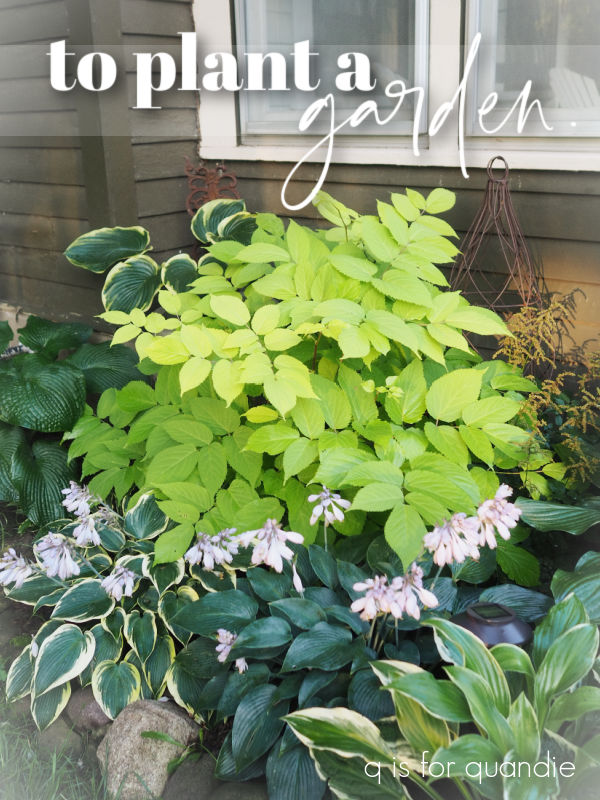
oh, hail no.

Good morning from the garden!

Just when everything was really starting to look good, mother nature stepped in to remind me who’s boss.

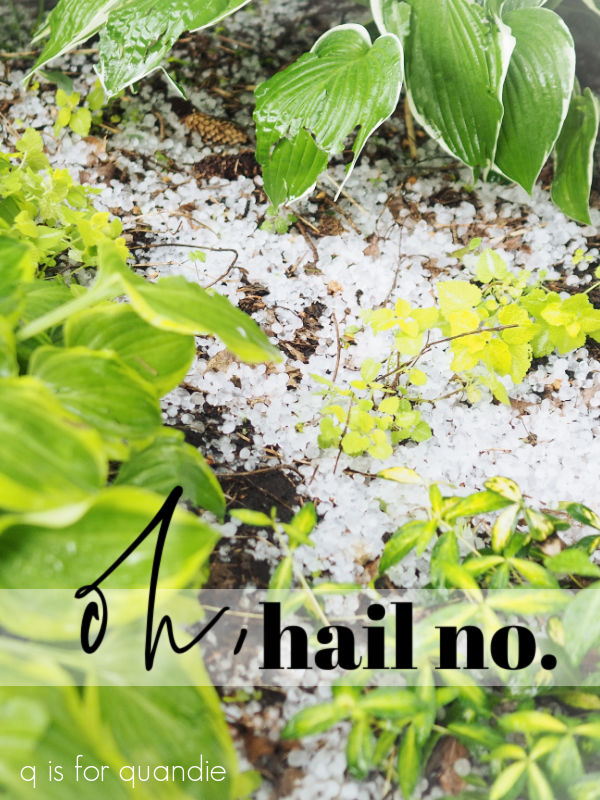
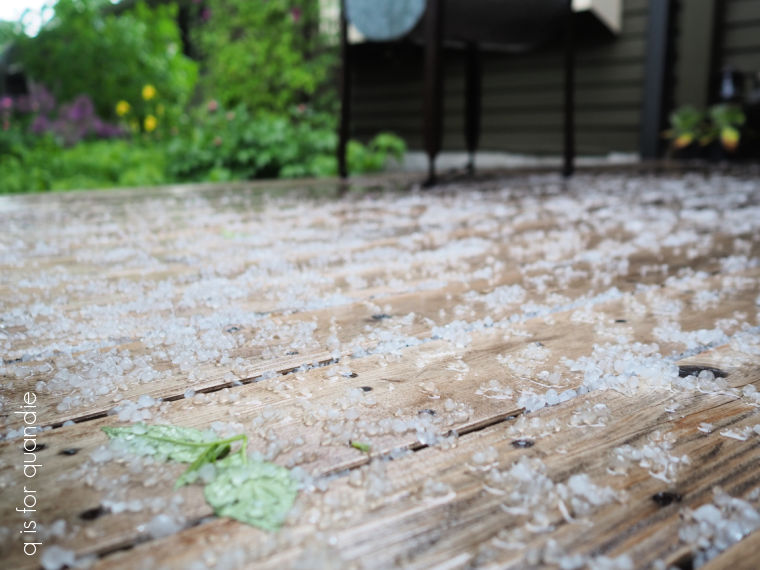
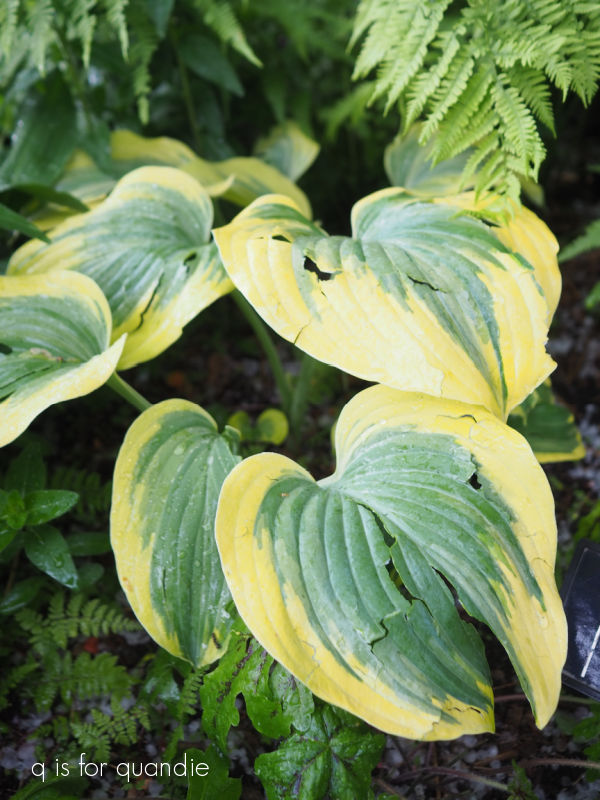
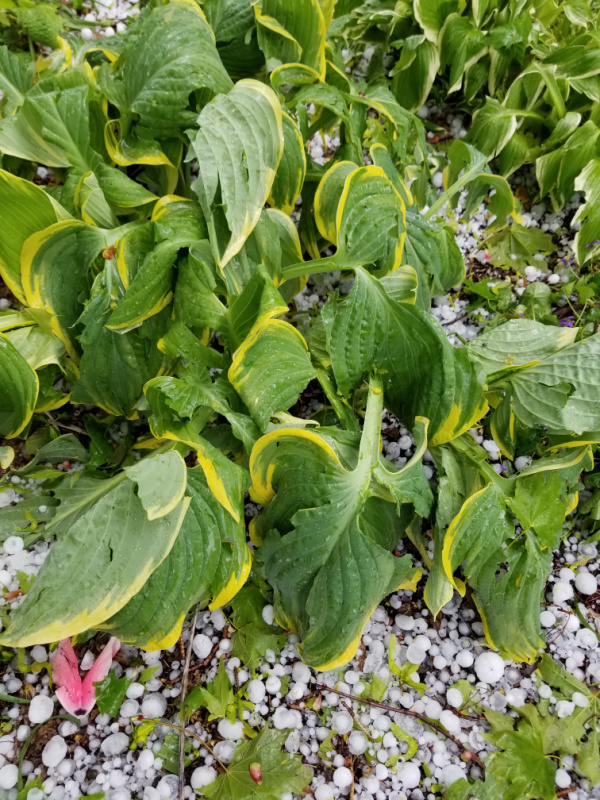
We only had about 5 minutes or so of hail on Memorial Day, but it was enough to do some damage.

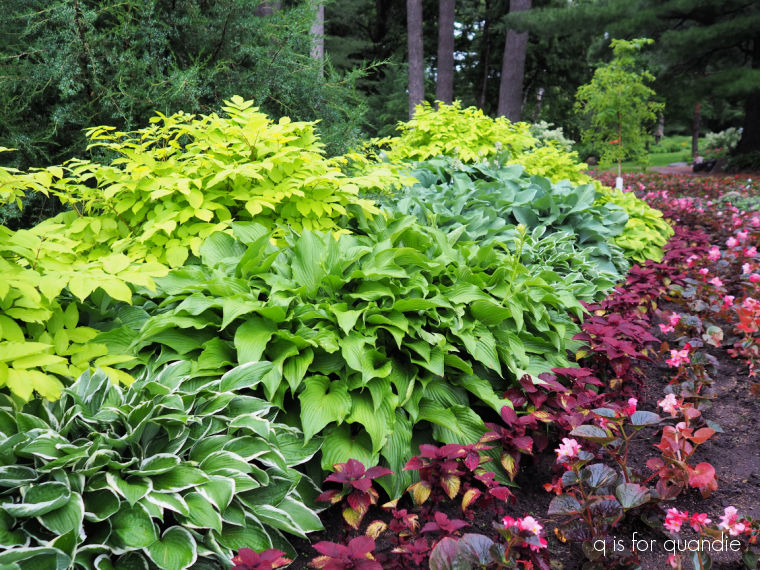
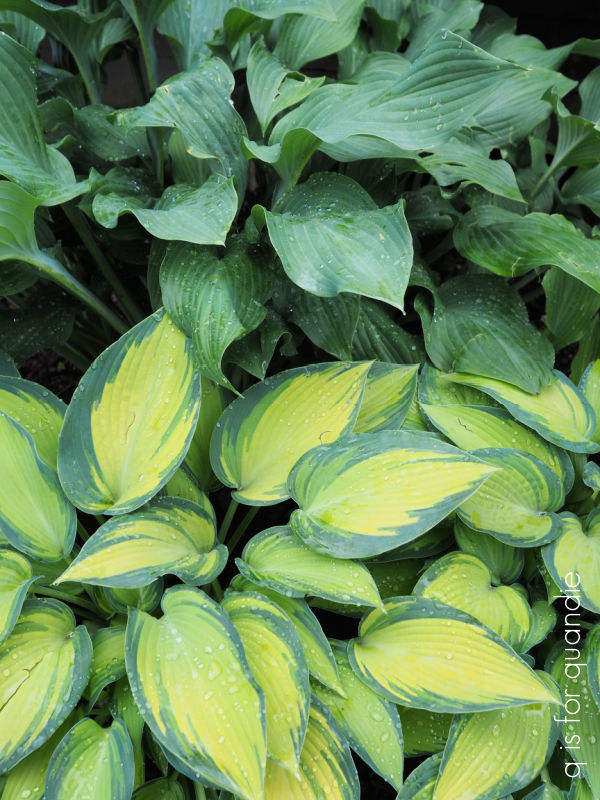
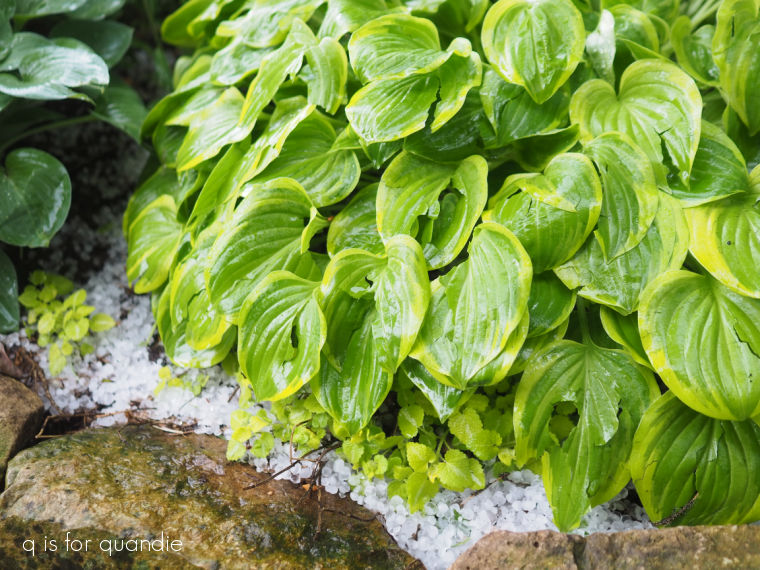
Especially to my poor hostas.

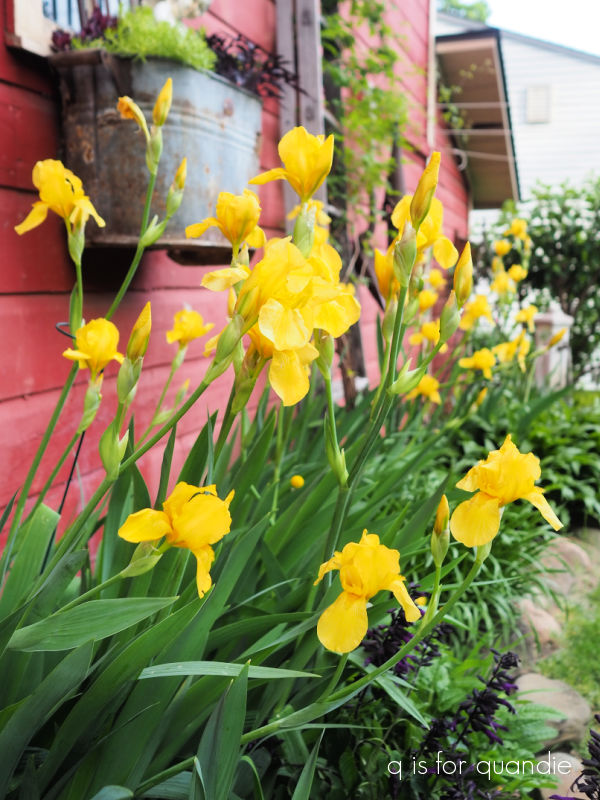
My irises, which had literally just opened that morning, took quite a beating as well.

But I easily removed the damaged blooms and there were lots more buds waiting to take their place.

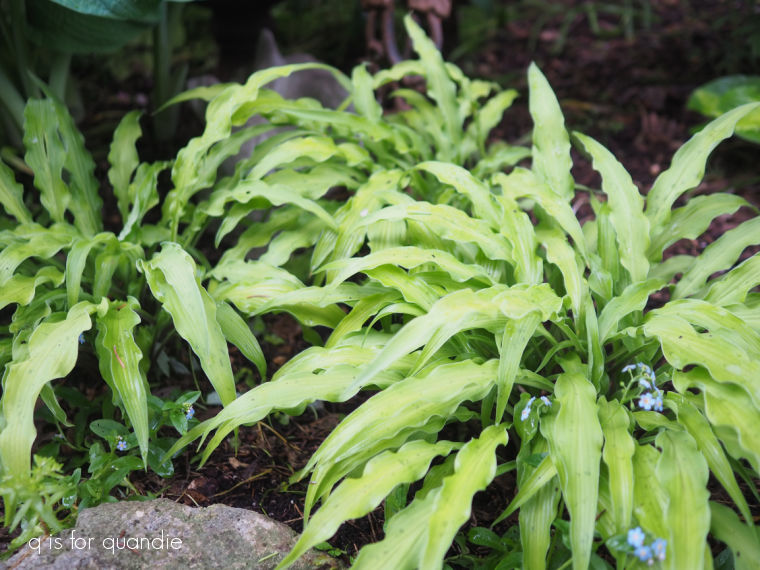
That was about the worst of the damage though.  Some things came through relatively unscathed, like my Curly Fries hosta …

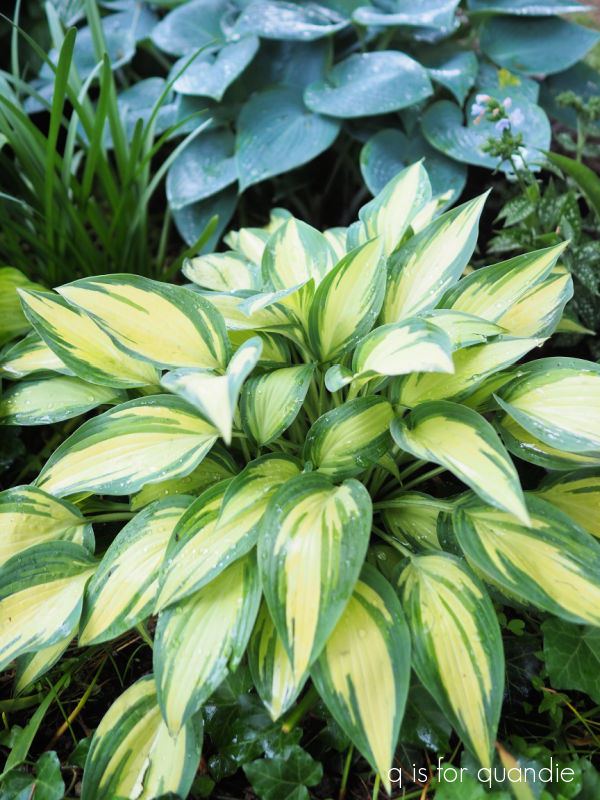
and my favorite Lakeside Dragonfly hosta.

Hostas that are sheltered by the trees overhead fared better than those out in the open, as did those with both smaller and/or thicker, more robust leaves.

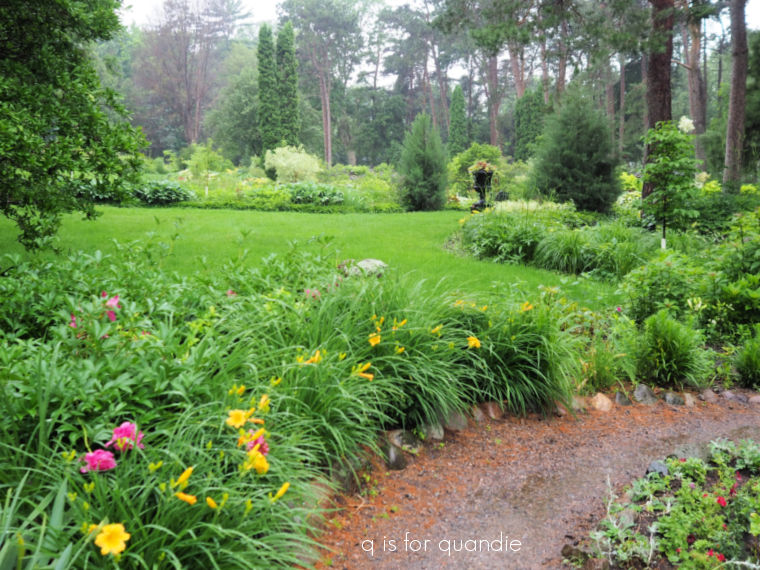
Quite a few plants weren’t bothered by the hail at all, like the lungwort …

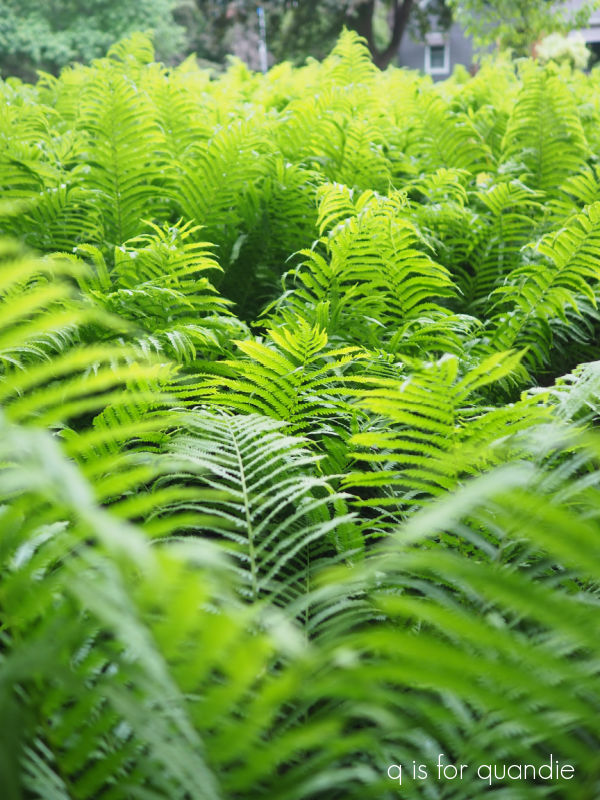
and the ferns.

The variegated sedum wasn’t damaged at all either.

Speaking of which, it’s time to get out and give this sedum the chelsea chop.  If you aren’t familiar with that process, check out this post

My plan this year is to pot up the cuttings and then give them away at my upcoming occasional sale.  For those of you locals who may be interested, I will be potting them up with fresh potting soil so no need to worry about jumping worms.

All in all, I can’t be too mad about the hail.

It definitely wasn’t as bad as the hail storm we had back in May 2022.

That hail was much larger, and pretty much decimated my hostas.

But in the end we got a new roof out of it, so it was truly a blessing in disguise.  We badly needed our roof replaced anyway.

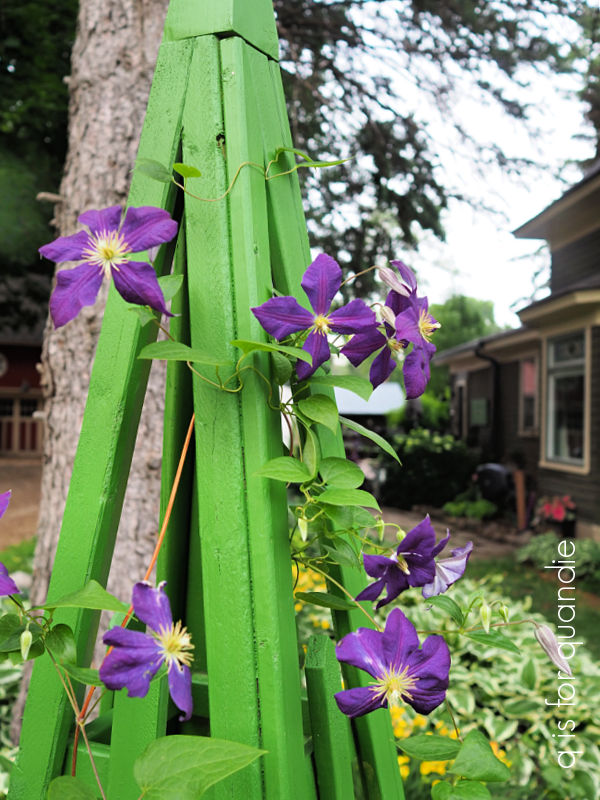
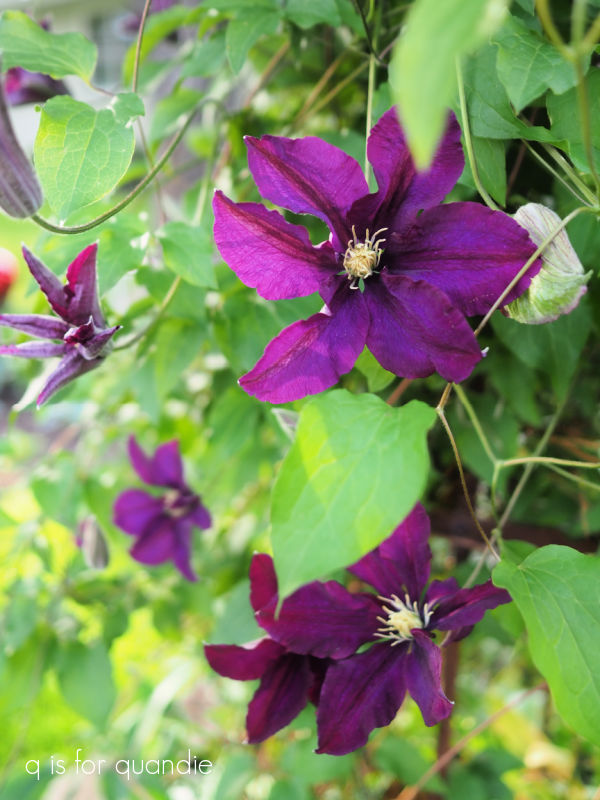
This time around, things have mostly bounced back quickly, and lots of stuff is blooming now such as three of my prettiest clematis …

Unfortunately, the names of all three of these have been lost to time.

I should have written them down.  I am trying to get better about that.

The one above is looking particularly good this year, it’s covered with blooms.  Last year it had a rather poor showing, possibly because the rabbits had chewed on it quite a bit the winter before that.

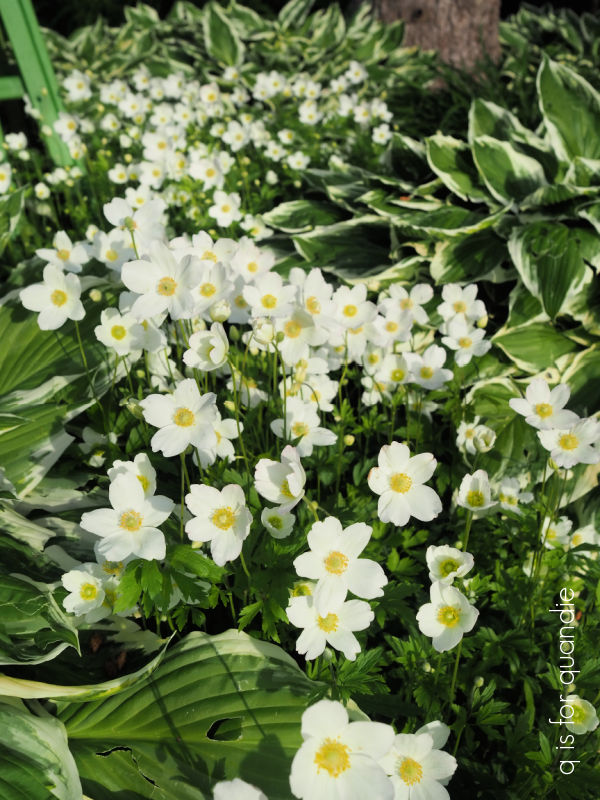
The anemones are looking quite good this week too.

My friend Sue gave me this plant quite some time ago, but I’m pretty sure it is Anemone sylvestris.  They will spread like mad if you let them, but mine are planted in between some quite vigorous (and huge) hostas that keep them in check.

Before I let you go, I want to share my new favorite YouTube garden channel.  It’s called Garden with Marta.  She is located in Poland, but her vlog is in English (her command of English is so impressive).  Both Marta and her garden are absolutely charming.  In her most recent vlog, she is also chelsea chopping her sedum so be sure to check that out!

What have you got blooming in your garden this week?  Are you trying the chelsea chop this year?  Leave a comment and let me know!

a late spring garden tour.

Good morning from the garden!

I’ve had a few requests for a full garden tour, so this morning I thought I would attempt it.

My gardens are broken down into … hmmm … let’s see … 8 areas.  There is the front garden, the fern garden, the shade garden, the carriage house garden, the potting shed garden, the cutting garden, the fairy garden and the sunny perennial border.  Phew!  You may want to grab your favorite beverage because this may be a long one.

The front garden.

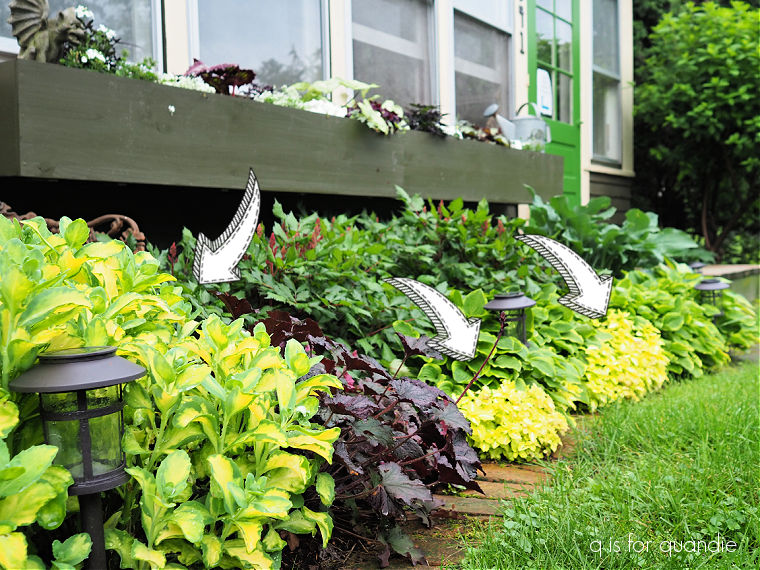
Let’s start out in the front garden.  This is just the bit of garden that runs along the front of our house, and it’s where the long window box is.

The box doesn’t look too impressive at this time of the year, but it should fill in quickly.

This area faces north and is very much shaded by the house for most of the day.  This is always where the very last bit of snow melts in the spring, and where plants take the longest to emerge from their winter slumber.

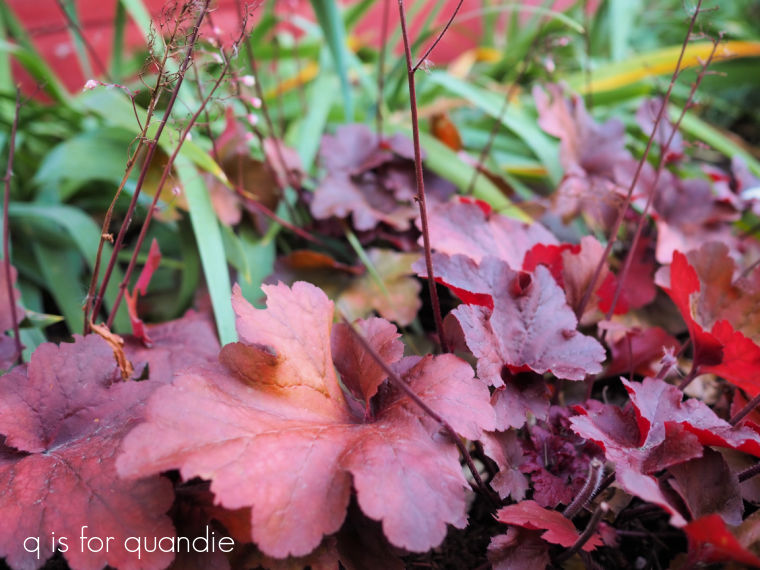
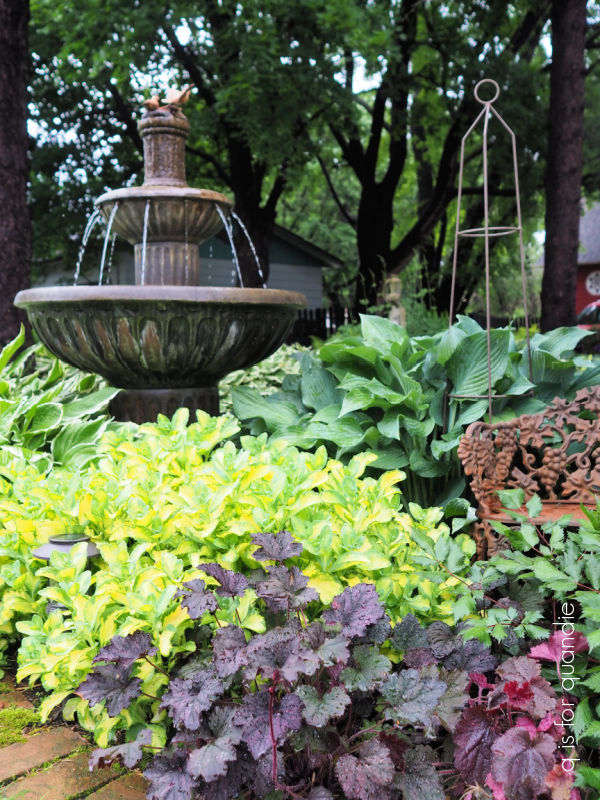
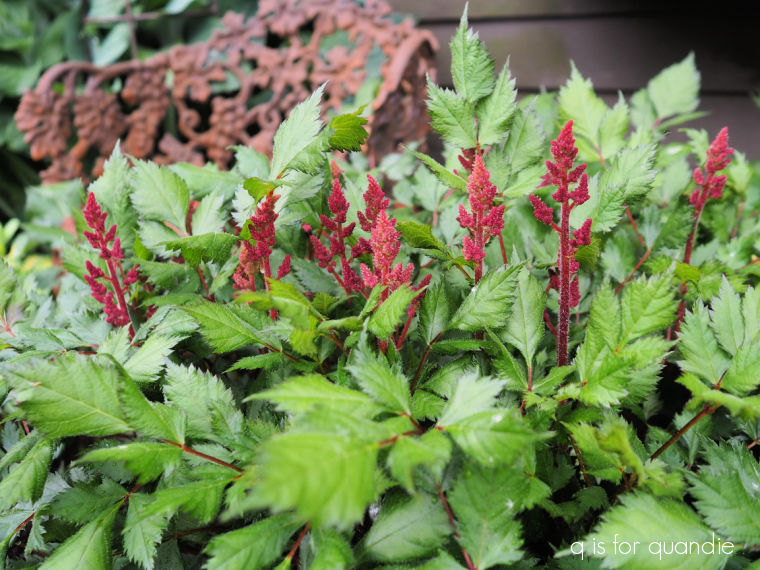
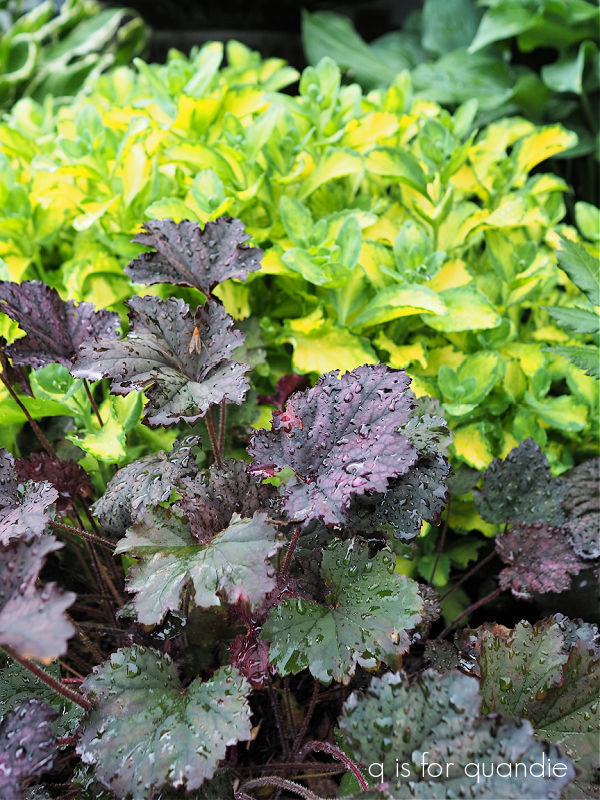
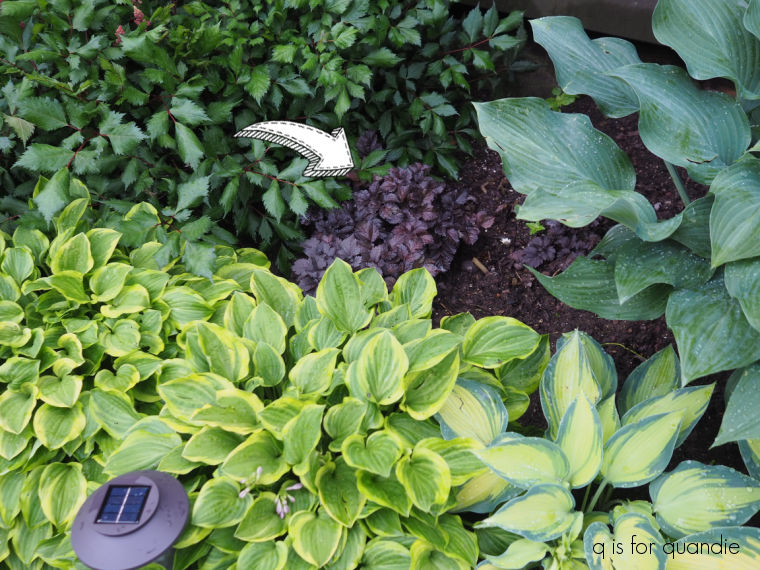
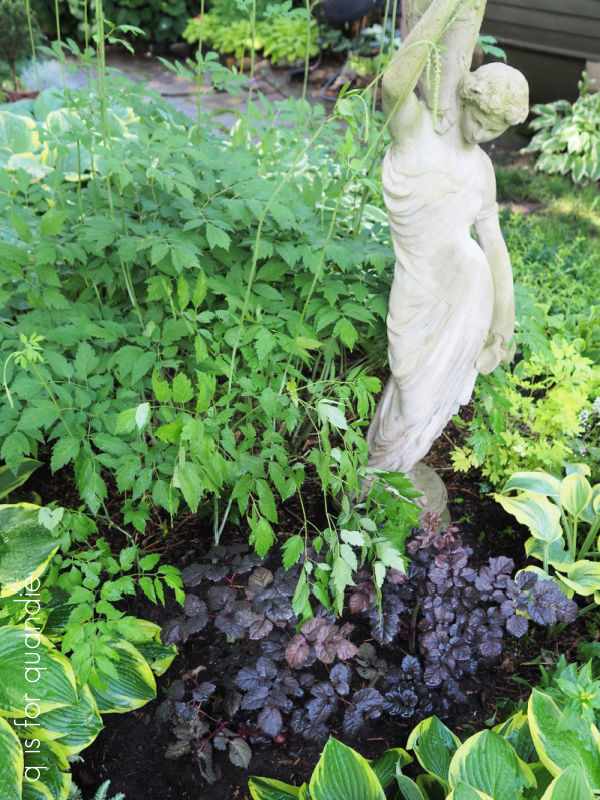
But things are starting to fill in nicely now.  This space is filled with a variegated sedum, a purple astilbe that loves this location, some dark purple heuchera and plenty of hostas.

The heuchera looks the best it ever has for this early in spring, I suspect due to our very mild winter.  Last spring I had decided to give up on heuchera because it did so poorly over winter, but it’s back in my good graces now.

This garden also contains our fountain, and my rusty chair.  My neighbor/handyman Ken gave me a set of this grape cluster iron furniture back in 2022.  It was painted a crisp white when I got it, but I like something a little more subtle.  So I gave the pieces a makeover with Dixie Belle’s patina paint.  This chair and the bench both have broken legs, so no one can actually sit on them.  I also did not seal the rusty finish, so rust would rub off onto your clothing if you did sit on them.  So I tuck them into the garden where no one will make the mistake of trying to actually use them.

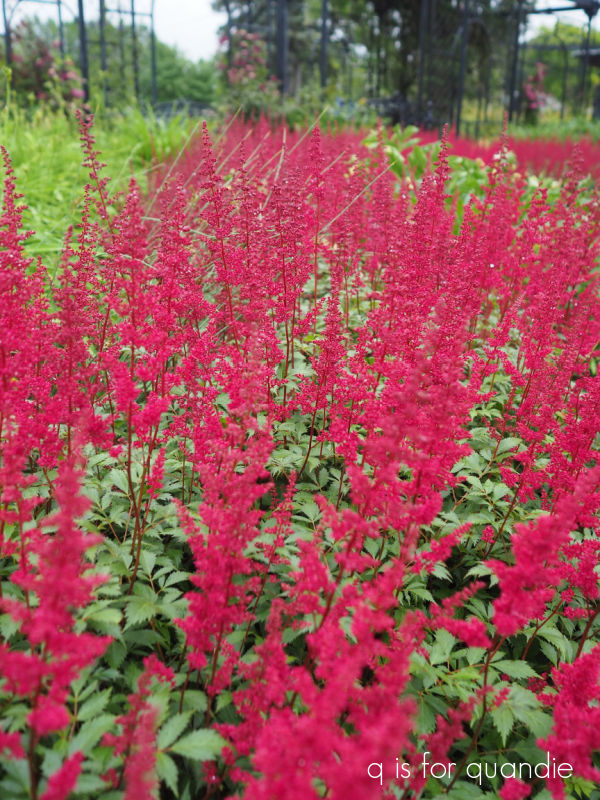
There were a few tulips and daffodils in this space that looked good earlier this spring, but right now I’m mostly still waiting for things to fully emerge.  The big star of the show in this garden is the astilbe.  I divided it last year and found that there weren’t as many blooms, but I’m hoping it rebounds this year.  When it blooms in mid-summer, it should look like this …

The fern garden.

Our driveway runs alongside the house all the way back to the carriage house.  The fern garden is on the east side of the driveway.

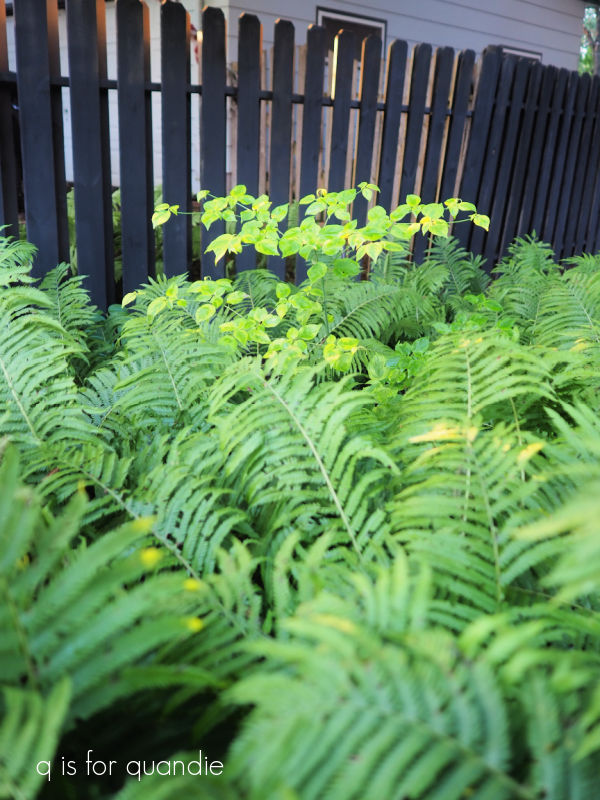
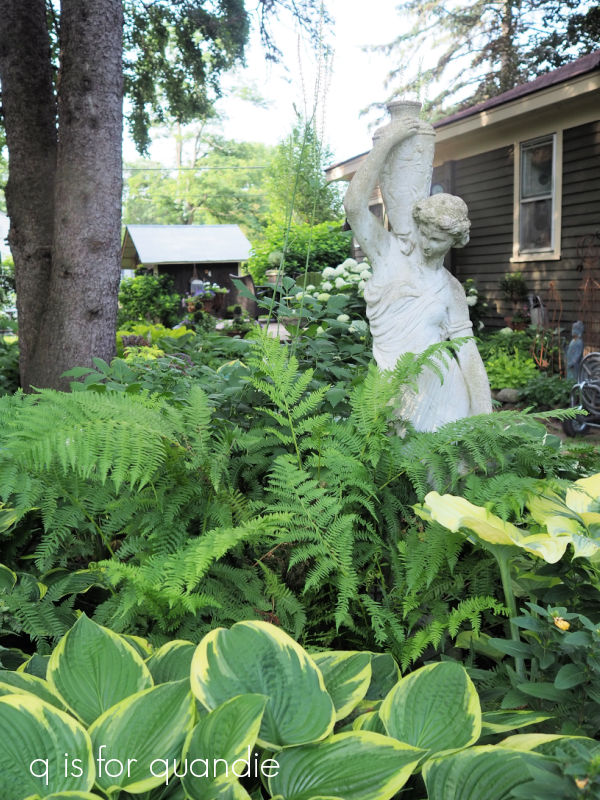
The ferns look gorgeous right now, especially with my newly blackened fence behind them, but if we have a dry summer they will start to fade by mid-August and then they don’t look so good.

But I’ll enjoy them while they last along with some vinca vine and lily of the valley, both of which are currently flowering.

The shade garden.

On the opposite side of the driveway is my shade garden.

I have to admit that this is my favorite, and thus it gets the most attention from me.  It’s filled with all kinds of shade loving perennials including bleeding heart, brunnera, maiden’s hair fern, japanese painted fern, lungwort, and more.

It’s also home to quite a few hostas including a few of my favorites like Lakeside Dragonfly

Sun Power (on left) and June (on right).

Autumn Frost is one of my newest hostas, and it’s looking really good so far.

My garage sale find statue, Cossetta, also lives in this garden.

Right now the foam flower, or Sugar & Spice Tiarella, is in bloom.

I have these sprinkled throughout the front of the shade garden and I like the way they repeat here and there.

There are some foundation gardens alongside the house that I consider part of the shade garden as well.

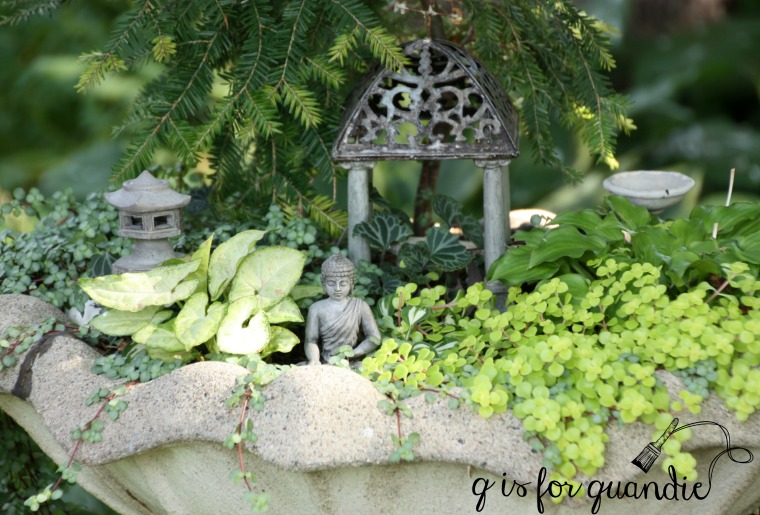
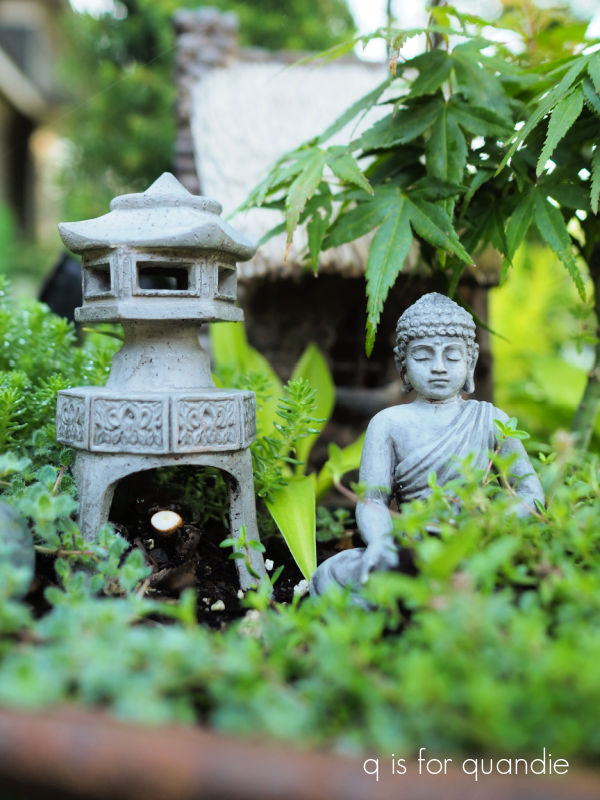
You may remember that I used the Bronze patina paint with the green spray on the buddha and the Japanese lantern in the background.

The carriage house garden.

I call the garden that runs along the side of the carriage house the carriage house garden (creative, right?).  I struggle a bit with this one because it is shady all morning, then gets hit with the blazing sun in the hottest part of the day.  Most plants prefer the exact opposite of that, morning sun and afternoon shade.

It also is backed by that red wall of the carriage house, shades of pink looks positively awful next to it and it has taken me about 35 years to accept that.

But this is the first year that it’s starting to come together.  It looked awesome a couple of weeks ago with grape hyacinths, bright yellow daffodils, and that new white azalea.

Right now the only things blooming are a handful of alliums, but the yellow iris are going to open up any day now.

Wait, I take that back.  There is also a fabulous cranesbill, or perennial geranium, blooming at the far end.

This plant was a garage sale purchase back in May 2022, this is its third year so it’s time to leap (first year sleeps, second year creeps, third year leaps).

Here’s how big it was when I brought it home.

So while I still want to caution you to be careful about those jumping worms, you gotta love a garage sale plant.  You can always count on them to be hardy in your area, and prolific (which is why the seller has extra to part with).

The potting shed garden.

Again, another creative name, the potting shed garden comprises the beds around the potting shed.

This garden is mostly shaded on the east side, but gets afternoon and evening sun on the west side.  I popped a few allium in on both sides last fall to see if they would grow, and they seem to have done quite well.  I think I may move these elsewhere and replace them with white allium for next year.  Wouldn’t white allium just pop against my dark green paint color?

The bugleweed, or ajuga, is in full bloom on the east side right now.

And over on the west side the geranium macrorrhizum, or Bigroot geranium is full of flowers now too.

If you need a plant that will grow in sun or shade, will fill in any available space, requires absolutely no maintenance, then this is the plant for you.  It does wilt a bit in hot afternoon sun, but it recovers quite quickly.  It’s very easy to pull out if it spreads more than you want it to.  I have a lot of it, as you’ll see when we get to the perennial border.

As for growing just about anywhere, along the west side of our house we have only about 8′ or so of fully shaded space between our house and the property line.  The previous owners of our house put down plastic and then rock, and planted a row of arborvitae that has gotten massive.  After all of this time enough dirt has accumulated amongst the rocks that I have to weed that area.  So a couple of years ago I decided to see if this geranium would grow in the rocks.

The answer is a resounding yes!  it will.  Quite happily in fact.  And it looks so much better than weeds.

So if you have a problem area in your garden, keep this plant in mind.  Also, if you’re local, keep me in mind.  I have plenty to share if you want to try it.

The fairy garden.

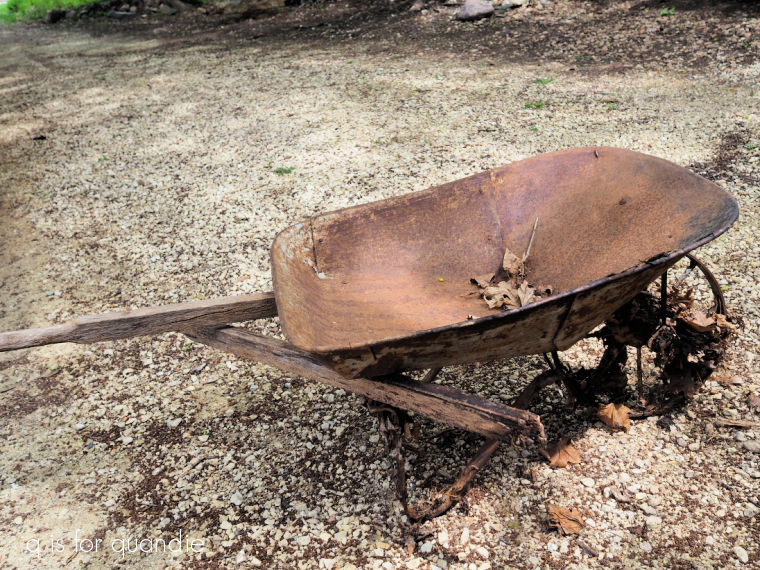
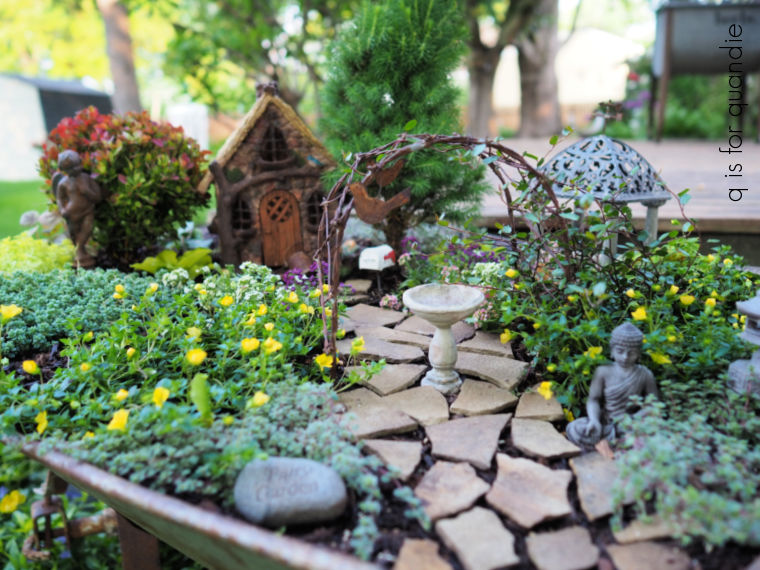
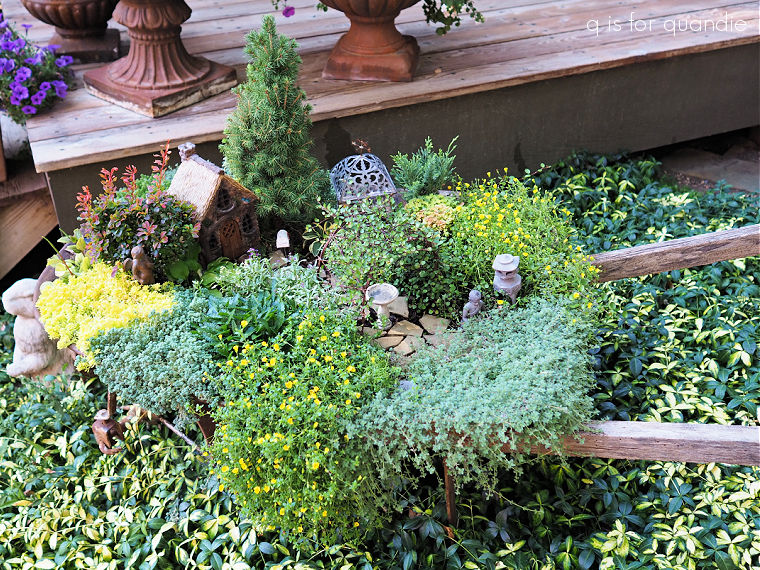
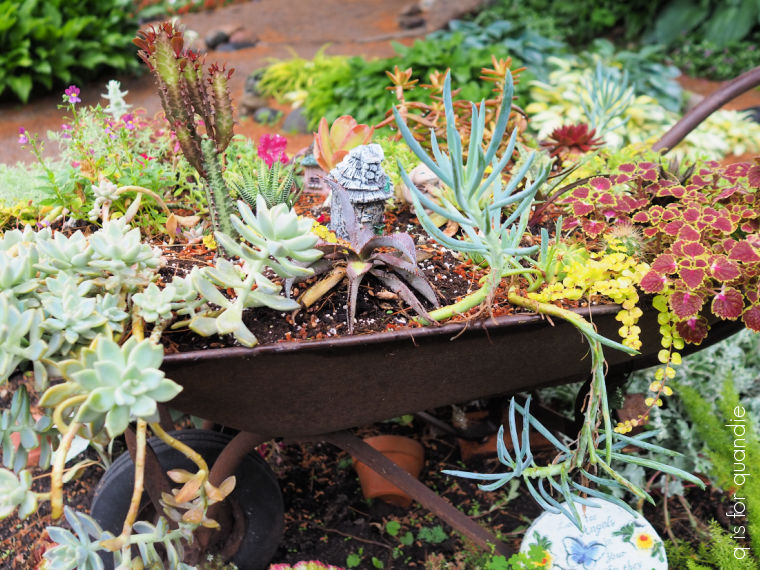
My fairy garden is planted in an old rusted out wheelbarrow that is nestled in a bed of variegated vinca.  Last year it was ended up totally overgrown, so I decided to be a little more minimal with the plants this year.

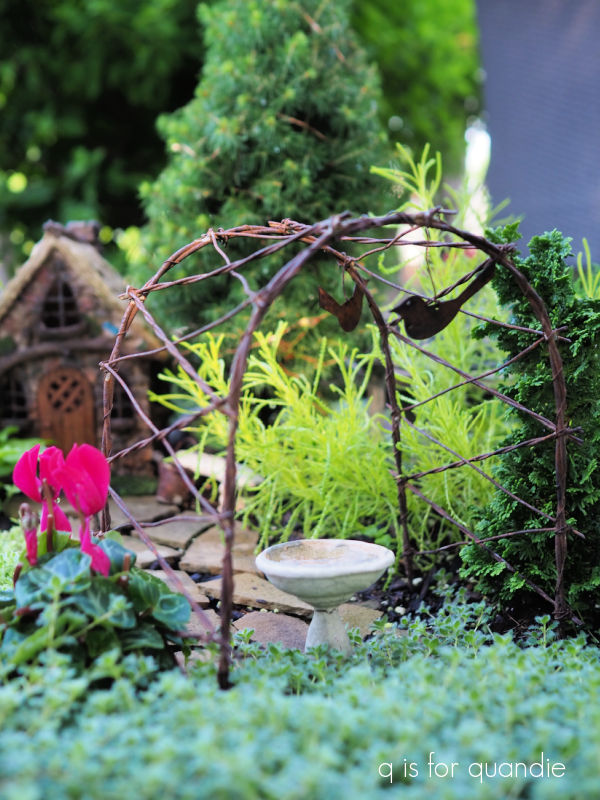
Usually I plant a wire vine on that arch, but it totally takes over and requires a lot of maintenance to keep it from completely covering it and the path beneath it.

So this year I’m going to leave that out.  Instead I added a couple more miniature hostas compliments of my neighbor nnK (sorry, don’t know the names of them), and I also added a tiny Japanese maple tree to the left of the fairy house.

nnK’s mom, Judy, planted one of these in her fairy garden last year and it did not survive the winter, so I’m taking a bit of a gamble with that one.  Especially since I paid $25 for it a Abrahamson Nursery.  I may pull it out of there in the fall, put it in a pot, and try to overwinter it somewhere more protected.  Japanese maples do require a period of cold dormancy, so I can’t bring it in as a houseplant.

The sunny perennial border.

This garden is directly behind the house and it used to be my sunniest space.  Over time the trees in handyman Ken’s yard next door (yes, that is his house in the background) have grown so big that they shade this bed most of the time except around high noon.  As a result, I’ve been struggling with this one over the past several years.

Can I just point out that the grass in our area is looking particularly fabulous at the moment.  We’ve had plenty of rain mixed in with lots of sunshine and the grass is flourishing for now.  I’d love to keep it looking this good all summer, but if we get dry weather again this year all bets are off.

I have a border of small green hostas along the front edge of this garden that do really well here.  I also have a big mass of that Bigroot geranium in the middle section.

Right now the alliums are definitely the stars of the show, I just wish they would last longer.

There are three clematis in this bed, two on the trellis …

and one on the obelisk.

They are all loaded with buds, but only one of them has started to open so far.

I do have a couple of pink peonies in this garden.

Fortunately they will be done flowering before the self-seeding red bee balm takes over in mid-summer …

The cutting garden.

The cutting garden is hidden away behind the carriage house.  There used to be nothing but weeds back there, but then one day I realized that it was the sunniest spot that I had left for a garden.  Why not use it to grow peonies?

So now I have about 6 peonies back there, plus some siberian iris and a big Annabelle hydrangea.

None of them are blooming quite yet, but the peonies should be opening soon.  Here’s a picture from June 11 of last year that shows them all in bloom.

Since the cutting garden isn’t visible from the house, or really anywhere in our yard, I don’t feel bad at all about cutting all of the blooms and putting them in vases where I can appreciate them.

That about wraps it up for this morning’s garden tour.  I hope you enjoyed it!  And now I’m off to do some work out there.  It seems as though there are always tasks waiting to be done in a garden!

thinking outside the box.

Good morning from the garden!

If you’ve followed me for a while, you’ll know that I have a large window box that goes across almost the entire width of our front three-season porch.  Our house faces north-west-ish, so it’s basically full shade in that spot although it does get some evening sun.

I’ve tried lot of different looks over the years, but so far there is really no contest for the most successful plant for this shady window box, it’s definitely coleus.

It absolutely thrives, and it creates quite a dramatic show along with some sweet potato vine and lemon coral sedum.

In fact, it’s almost too successful as it grows high enough to block any breezes that might want to try to get through those windows.

Quite honestly, it almost feels like cheating to just fill up the window box with coleus and sweet potato vine and call it good.  It’s a little too easy, and it also seems a bit … well … uninspired.

So sometimes I try to change it up, think outside the box a little (pardon the pun).

Unfortunately that can lead to what I consider to be window box fails.  Last year is a good example of that.  I tried experimenting with some new things, and the combination really didn’t work.

The silver of the Dusty Miller and the Dichondra Silver Falls just wasn’t me.  I put in some lovely coral pink begonias that ended up being totally swallowed up by other more vigorous plants, as did the Streptocarpus Ladyslippers™ Deep Blue Vein.  Although those did become some really pretty houseplants.

The very worst year for the window box had to be 2015 though.

Oh my gosh, does that look like a hot mess or what?  That was the year I tried angelonia.  I don’t know what I was thinking.  They clearly require full sun, and I definitely don’t have full sun here.  Plus, I combined the angelonia with a purple annual salvia and some Diamond Frost euphorbia, all of which have a delicate, airy look about them.  I definitely needed to add something more substantial to the mix.

I did have some success in 2017 when I decided to go with a deep coral pink sort of color scheme.

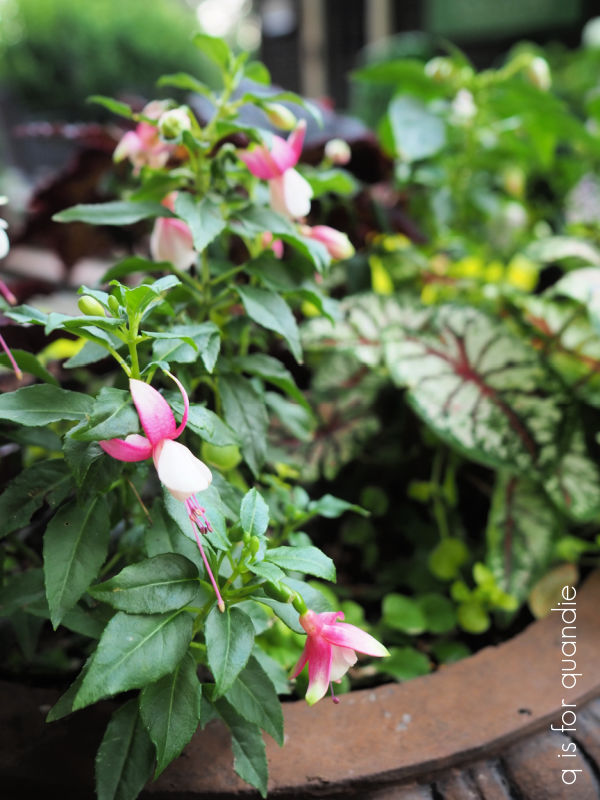
The New Guinea impatiens did well, and paired nicely with some fuchsia.

But when the cooler purple astilbe that is in the ground right below the window box was in bloom, it didn’t really pair well with those colors.

I did enjoy the monochromatic white color scheme that I tried back in 2014.

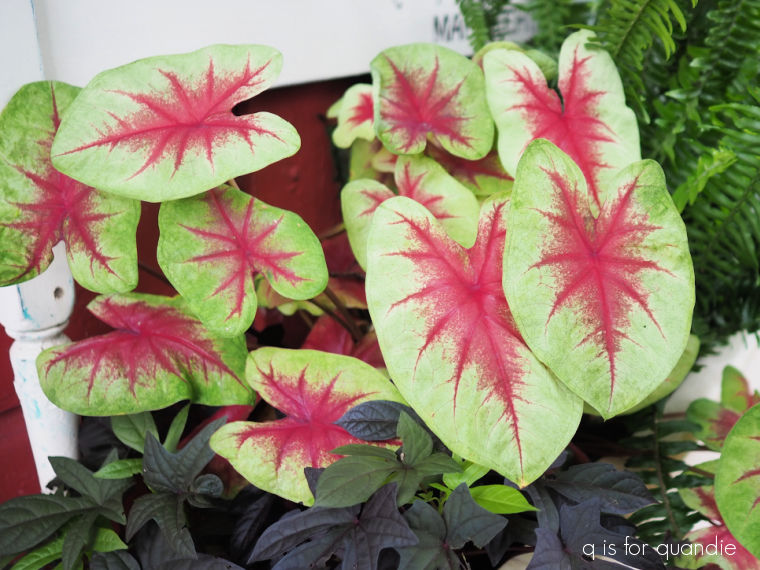
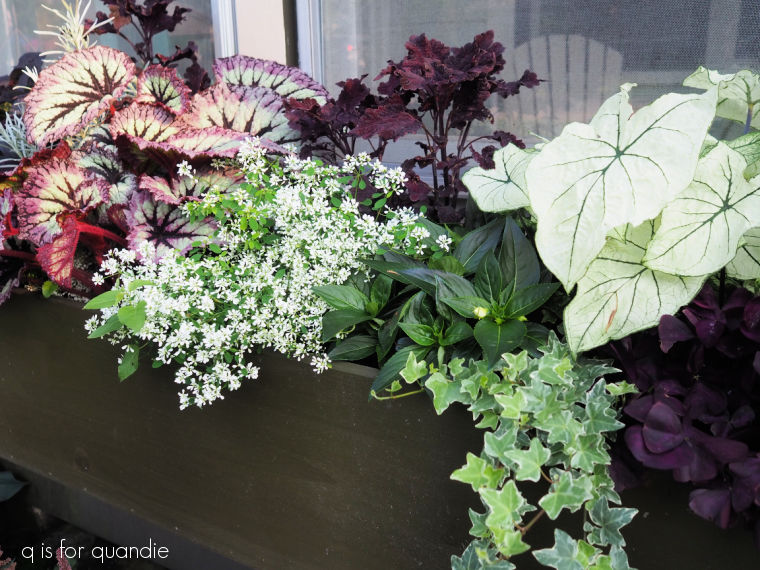
That year I used white impatiens, euphorbia, jester’s crown ferns, a swedish ivy and a gorgeous white and green caladium.

And when fall came around I pulled out the impatiens and replaced them with white mums.  Then I popped in a couple of white pumpkins, and added some cut Annabelle hydrangea blooms for a less traditional autumnal look.

As much as I love that look, I will admit that it doesn’t have the same impact from the street as the brighter coleus combinations.

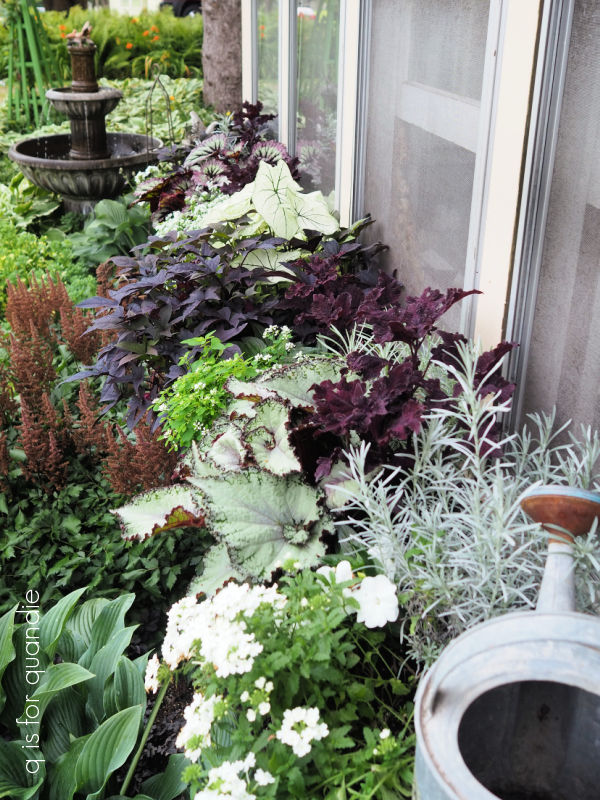
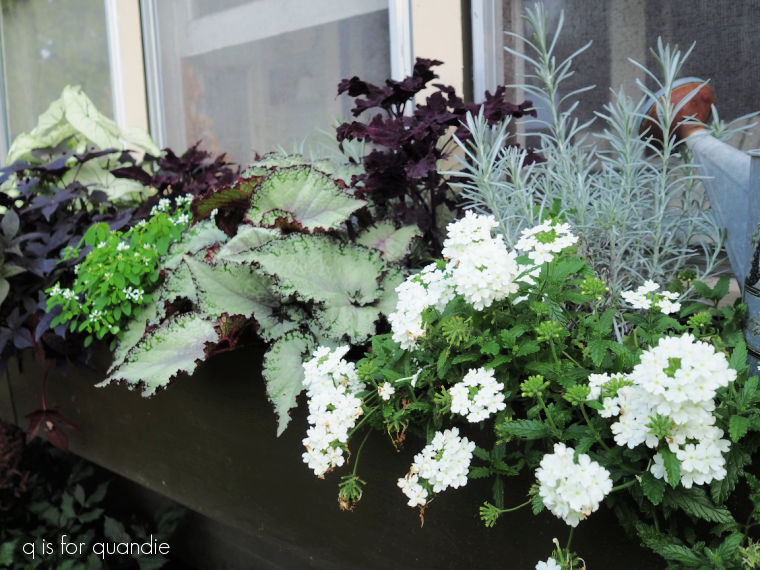
Once again this year, I was in the mood to do a bit more experimenting instead of falling back on the tried and true coleus/potato vine combo.  After checking out what was available at a few of my favorite nurseries, I ended up with a ‘black and white’ theme.

First of all, you have to know that gardeners call colors by the wrong names.  Anything called ‘blue’ is typically really purple, while ‘purple’ is often a hot pink or magenta color.  And ‘black’ is really a very deep purple.

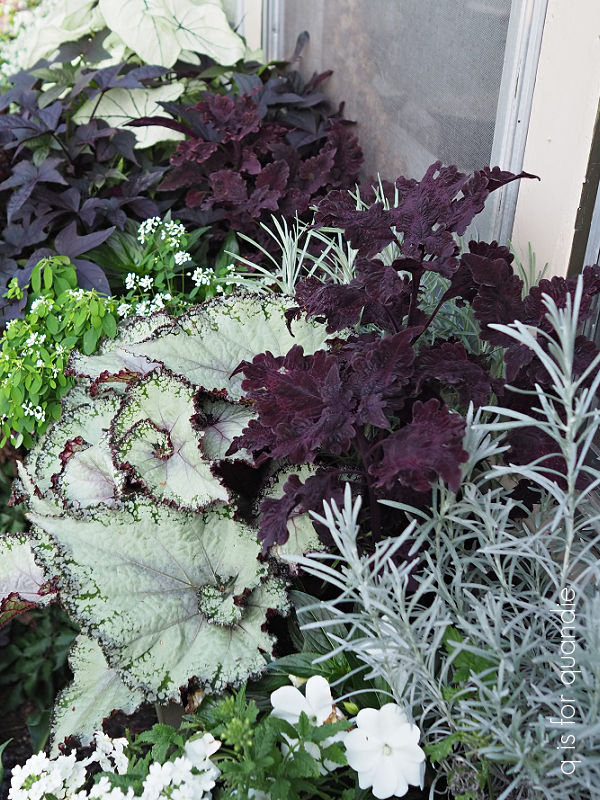
I based my ‘black’ on this coleus that I found at the Amish farm that my neighbor nnK and I visit every spring to buy plants.

It didn’t have a label, but I think it may be a variety called Black Coral.

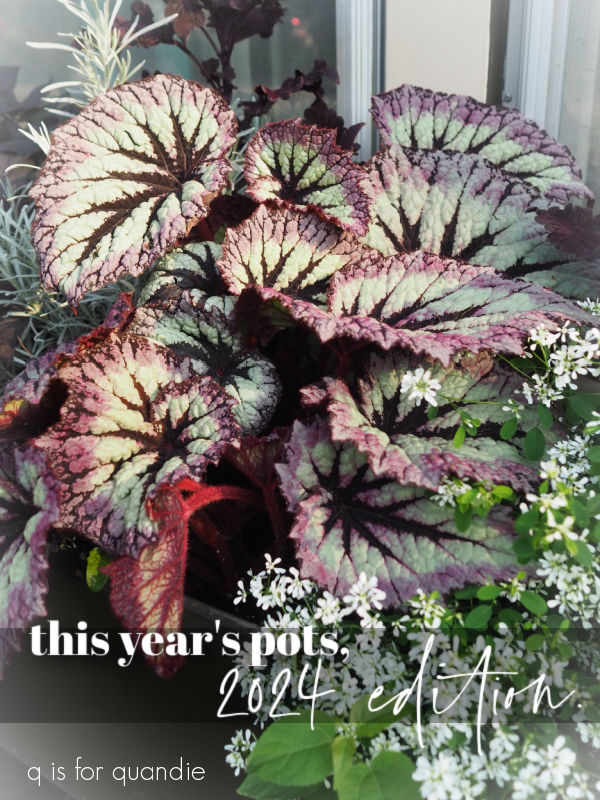
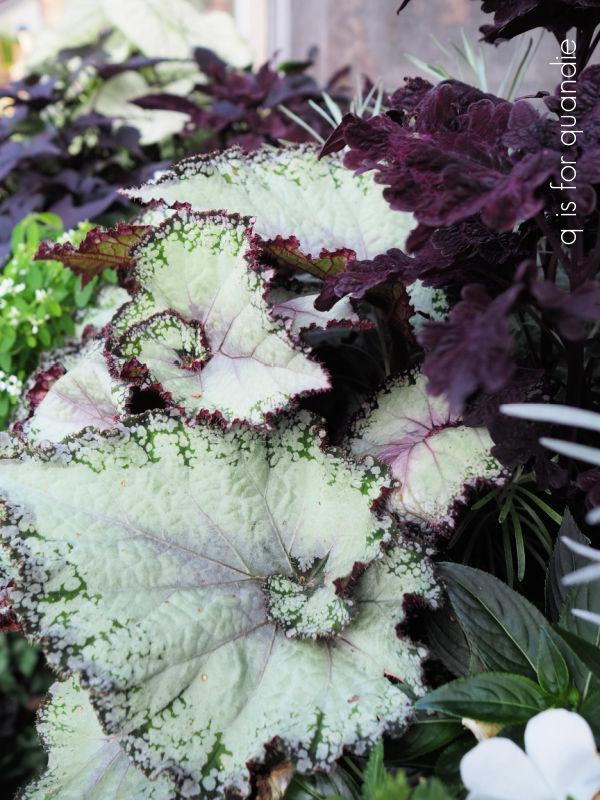
I know it doesn’t look too exciting at first, it’s not bright, it’s not wildly variegated.  But I next found this rex begonia to add to the mix, and it is pretty exciting.  Paired together, I think this is going to make a fantastic combination.

Once again, no label, but I think the begonia may be Curly Mint.

I also added this rex begonia to the mix …

Both of the begonias have that rich plum color that ties in with the ‘black’ coleus.  I’m just hoping that they won’t be overpowered by the more vigorous growth of the coleus.

For the ‘white’ component in my window box I went back to that white caladium that I loved so much.

I also added a bunch of white New Guinea impatiens, and some Diamond Snow euphorbia.

The Diamond Snow euphorbia is supposed to be a more dense and compact, less ‘airy’, version of the Diamond Frost that I usually use.  And again, I’m hoping this one won’t overpower the other plants.

Finally, I also threw in a Firehouse White trailing verbena.

I may have trouble getting the verbena to bloom in this shady location, but I thought I’d give it a try.  For now all of those blooms are compliments of the greenhouse that grew it (Country Sun in Stillwater, FYI).  Also, you do need to deadhead trailing verbena to encourage more flowers, so we’ll just have to wait and see if I keep up on that.

I added some more ‘black’ to the mix with this Charmed Wine Oxalis from Proven Winners.

It will have white flowers when it blooms as well, so it’s perfect for my black and white theme.  However, I grow it mainly for it’s foliage, it won’t bloom profusely.  Much like the Streptocarpus I mentioned from last year, Oxalis can be taken inside and wintered over as a houseplant.  I may give that a try in the fall.

Finally I put in a couple of Blackie sweet potato vines.  I guess I couldn’t fully escape the coleus or the sweet potato vines.

Now, I just have to be patient and wait for all of these to fill in.  I’m guessing that’s going to take at least a month or so.  Gardening is not a hobby for the impatient.

I’ll try to remember to give you all an update on how my black and white window box turned out at the end of summer.

How about you?  Have you ever tried a black and white theme?  Or do you have another combination that you love for containers?  Leave a comment and let me know.

practicing jumping worm safety.

Good morning from the garden, and Happy Mother’s Day to all of you mothers out there (wait a minute, that sounded a little wrong)!

Earlier this week I mentioned having purchased some plants while out garage saling last weekend.  I have always been a big fan of what I call garage sale gardening.  So many of the plants in my garden came from garage sales, such as the Bigroot Geranium (or Geranium macrorrizum) that grows like mad in just about any conditions.

So when I saw some of the plants on my ‘wish list’ being sold for $5 each at a sale in Tangletown last week, I couldn’t resist.

For one thing, I found a Sweet Autumn clematis.  You may remember seeing this growing on the side of our carriage house (the vine with the little white flowers on the left below).

It was spectacular in the fall, but last spring it didn’t come back.  I find that this happens sometimes with clematis, possibly due to clematis wilt, I’m not really sure.

Anyway, I picked up a new one for $5 and we’ll try again.

But, that brings me to today’s q tip!Have you heard about jumping worms?  They are a non-native earthworm that strips the nutrients from top soil.  And according to Ramsey County they are an emerging problem in our area.  They can be introduced to your garden in mulch, compost and potted plants.

For that reason, I am now hesitating to continue recommending buying plants at garage sales because it puts you at risk of bringing home jumping worms.

However, garage sale perennials can still be a good bargain, so if you have jumping worms in your area (check with your local University Extension program if you don’t know) you should practice some jumping worm safety if you purchase plants at a garage sale, or even at a garden club plant sale for that matter.

Here are some recommendations from the U of M Extension:

  • Accept only plants from gardeners that have looked for jumping worms and use these practices to prevent their spread:
    • Plants and materials do not come from an area known to have jumping worms.
    • There is no reason, like soil that looks like coffee grounds, to suspect there are jumping worms at the site that produced these plants or materials.
  • Remove soil from all plants before transporting them to limit the spread of weeds and worms. This helps to remove earthworm cocoons (egg cases) or weed seeds.
  • Completely submerge plant roots in water and wash away remaining soil. Actively look for worms. Protect clean roots for transportation and sale.
    • Water is sufficient to remove soil and other materials from the roots.

I questioned the person I purchased plants from and she said they were not grown in soil from her garden, but in a potting medium (sorry, my eyes glazed over at the exact details).  So they should be jumping worm free.

OK, let’s move on from the worms.

The garden has just exploded over the last week, so I thought I’d share some of my favorite spots with you this morning.

Remember the tulips that the deer like to eat?

I saved a couple of patches of them by enclosing them with chicken wire and they look amazing right now.  Unfortunately, only a handful of the patch of 100 that I planted in fall of 2022 came back this year.  I had chosen Darwin Hybrid Pink Impression tulips specifically because that variety is one that will naturalize.  But apparently not for me.  However, I’d also planted 100 new ones this past fall and those look fantastic.

In the end, I have come to realize that I need to treat tulips as an annual in my garden, and an annual that has to be protected from deer at that.  I tell myself that they just aren’t worth it, but right now they look so good that I know I’ll be tempted to plant them again this fall!

The Double Sherborne Narcissus that I planted last fall are also looking good.  They add a bright pop of yellow next to the red carriage house.

I’ve mixed in some muscari (grape hyacinth) and I love the combination.

In the background of that photo you can see the azalea that I added a few weeks ago.

I can’t take any credit for all of those flowers since this shrub was already covered in buds when I purchased it at Home Depot.  This particular azalea is supposed to be hardy in zones 5 thru 9, and my area was bumped from 4b to 5a last year.  Will it survive our winter?  That remains to be seen.  I plan to protect it over winter for a few years until it gets established.

The Sugar and Spice tiarella (foam flower) that I put in last year is just starting to bloom.

As is the Raspberry Splash lungwort.

Aren’t those color gorgeous?

The star of the garden this week has to be the Phlox divaricata, or wild blue phlox.

It has created a lovely patch of bright blue.  I have it planted ‘under’ a Sun Power hosta.  You can just barely see the Sun Power in the early stages of emerging behind the phlox.

I love this combination because although the phlox looks gorgeous right now, after it blooms it looks fairly weedy.  But that’s when the hosta takes over and fills in the space and I just cut back the phlox.

Last, but certainly not least, the lilacs are just starting to pop.  We’ve had some cool nights recently (in the 40’s Fahrenheit), and I think that is slowing them down a little.

Also, I’m finding that they last a lot longer in a vase if I cut them before the flowers are completely opened up.

So tell me, do you have jumping worms where you are?  Have you gotten many plants at garage sales?  And what’s blooming in your garden this week?  Leave a comment and let me know.


impatiently waiting.

Good morning from the garden!

I know it’s only late April, but I have been patiently waiting all winter for spring to arrive.  Since returning from my mom’s house, where it was in the 80’s and sunny, I’m officially now impatiently waiting.

I’ve also been watching many of my favorite garden YouTube channels (Garden Answer, Hello Garden, The Impatient Gardener and Dig, Plant, Water, Repeat), and most of them are far ahead of my formerly zone 4b/now zone 5a garden.  With the exception of The Impatient Gardener, because she’s in Wisconsin.  But I have a serious case of spring garden envy when I see these videos with hostas already completely leafed out, crabapples in full bloom and masses of tulips and daffodils flowering.

I’ve done pretty much all I can in the garden for now until I can plant annuals, which around here is not until mid-May at the earliest.  However, our average last frost date is May 21, and the official recommendation is to wait until the last week of May to plant.

I rarely follow that advice though.  I definitely can get some pansies in way before that, which is why I went ahead and planted some up this week.

Pansies are pretty cold-tolerant so they will be OK unless we get below 20 degrees or so.  If I see any cold nights in the forecast, I can just cover them up with some old sheets to protect them a bit.

There are a handful of bulbs blooming in my garden already too.  Remember those leucojum’s I planted last fall?

They’ve come up and are pretty sweet.  I’m hoping that they multiply for next year.

They’ve turned out to be deer resistant too, which is nice.  Especially since once again the deer have munched most of my tulips down to the ground.  I have a couple of groupings that I managed to protect with chicken wire, but the deer got to all the rest.  Please remind me to quit trying to grow tulips, it’s just not going to happen for me.

That being said, I have a handful of tulips that the deer missed that are blooming now …

It looks as though grape hyacinths are also a safe bet.  I was pretty excited to see them coming up and blooming for me.

You may remember that I purchased them already potted up and blooming in about mid-May last year.

After using them as a photo prop, I decided to pop them in the ground and see what happened.

They were perfect right between my Maiden Hair ferns and those small lime green hostas (that I don’t know the name of).

Unfortunately, their normal bloom time appears to be much earlier than mid-May (ie. now), and the hostas and ferns are barely even out of the ground yet.  So the grape hyacinths stand alone this year.

I have just one variety of daffodil blooming this week …

The rest of the daffodils in the garden are up, and they have buds, but they seem far from opening.

Daffodils are also deer resistant, so maybe I need to add more of them this fall as well.

I do have a few perennials that are already blooming including variegated vinca and bleeding heart.  My fern-leaf bleeding heart is particularly pretty right now.

This type of bleeding heart is a workhorse in the garden because it will keep blooming all summer, unlike the more traditional bleeding heart which blooms early and then pretty much dies back and looks terrible for the rest of the season.

Maybe I should quit feeling sorry for myself.  My gardens may not be completely up and filled out yet, but they are getting started.  What’s up and/or blooming where you are?  Leave a comment and let me know.

a harbinger of spring.

Good morning from the garden!

Actually, as I mentioned on Friday, I’m not really in my garden this morning.  I’m out visiting my mom.  But I just had to get some photos of the first flowers of spring before I left town so I whipped up this quick post for you before I left.
OK, OK, it’s still quite early for a Minnesota garden, but my scilla (Scilla siberica or Siberian squill) are blooming like crazy.
I have two different varieties of scilla, the bright blue one shown above and a white one with blue streaks.

Personally, I love this early harbinger of spring.  But some people consider it invasive and I even read one blog where the author called it ‘nasty’!  That feels a bit extreme to me.

But, I do get it.  This stuff will spread everywhere, and even into your lawn.

I will admit, I do have them popping up everywhere.

But I don’t mind, and in fact, I actually rather like it.  They die back down to the ground quite early in the season and then it’s like they were never there.

And I absolutely adore the carpet of color that I get just outside my kitchen window every April while other plants are barely even popping out of the ground.

This spot in particular is full of hostas, which are notoriously late breaking dormancy.  By the time the hostas start coming up, the scilla will be done.  By mid-May, this section of garden will look like this …

If you look closely, you can see the foliage of the scilla is starting to die back.  However, my other plants surrounding it, like brunnera and primrose are filling in.

By July you’ll never even know the scilla was there.

As for the scilla in the lawn, that gets mowed over with the first mowing of grass and after a couple of weeks you don’t even see them there anymore either.

I do see two problems with the scilla takeover.  First, it is a little bit of a chore to pull out the yellowed foliage if that’s what you want to do (and I usually do because it is a bit unsightly at that point).  Second, if you are trying to cultivate other very early native spring plants the scilla will compete with them for space.

To me they are worth it for their early spring show though.

Some years they even start to bloom before the snow melts.

Fortunately that was not the case this year!

I hope to find some daffodils blooming by the time I get home from my mom’s house, but as for the tulips, those darn deer are at them again this year.

When will I learn?  When fall bulb planting season arrives again this year, someone needs to remind me ‘no more tulips!’

As much as I love the look of them …

they aren’t worth the headache of trying to protect them from deer.

Last fall I planted some leucojum (a.k.a. summer snowflake), which are new to me.  They are deer resistant and should bloom around the same time as tulips.  I’m looking forward to seeing if they do well for me or not.  If I like them, I’ll put more of those in the ground this fall instead of tulips.  I’ll be sure to keep you posted.

In the meantime, I hope you are enjoying some spring blooms in your garden today!


gardening in March?!

Good morning from the garden!

I don’t think I’m back to regular weekly ‘Sunday mornings in the garden’ posts quite yet, but due to our crazy mild winter I was actually out gardening this week.  I can hardly believe it myself.

Gardening in early March, in Minnesota!  Who woulda thunk it?

I am a full month ahead of schedule with pruning the hydrangeas!  Last year I pruned them mid-April, and there were still patches of snow and ice on the ground.

Since I’m so far ahead of schedule this year I’ve decided to take my time and focus on cleaning up one garden bed at a time.  So far I’ve finished the front garden under the window box, the shade garden alongside the house, and now the garden next to the carriage house.

That is the ‘after clean up’ photo, in case you weren’t sure.

The right corner of that flower bed contains a Vanilla Strawberry hydrangea, a Tiger Eye Sumac and that amazing Roguchi clematis.

I started my clean up with the hydrangea and followed the general panicle hydrangea pruning rules:

  • reduce the overall height of the shrub by about 1/3.
  • remove any dead, broken or weak branches.
  • remove any branches that are rubbing on other branches.
  • prune just above a leaf node.

This photo doesn’t do these trimmings justice …

But they were all at least 3′ long, if not more.

The Roguchi clematis went next.

In case you’re new here and haven’t heard me go on and on about this variety, let me just say that right now it’s my favorite clematis.  It blooms from May through October and is absolutely covered in flowers that whole time.  The flowers aren’t particularly showy, but they are pretty sweet.

Clematis plants belong to one of three pruning groups, and these groups have different rules.  This one belongs to group 3, which means that you want to prune it right down to about a foot or two from the ground.  In my opinion, this is the easiest sort of pruning job for clematis.  Just prune all of the stems right above a leaf node, about a foot or so from the ground and then discard everything from above that point.

So all of this …

came off and got discarded.

As for that Tiger Eye Sumac, you may remember that I pretty much thought it was dead last year.  It normally doesn’t die back to the ground, but last year it did.  We cut all of the dead limbs off assuming it was a goner, but then it sent up new shoots from the ground.

Unfortunately those ground level shoots seem to have been a rabbit magnet this winter.  The easy way to tell rabbit damage from deer damage is when the damage only goes up to maximum rabbit height.

I’ll just have to wait and see how the Tiger Eye does this year.  I may dig it out and plant a new one in another spot.  It’s competing with the hydrangea in this location anyway.

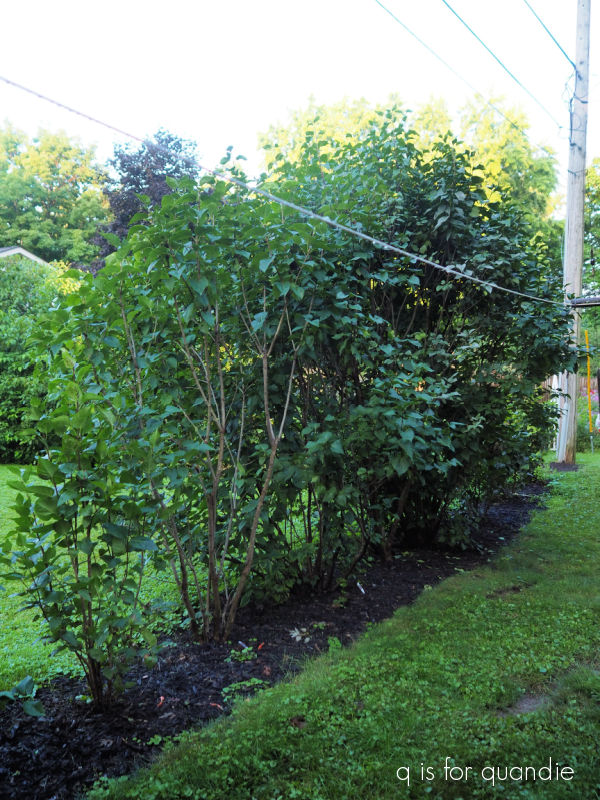
But speaking of rabbit damage, you may remember my ongoing struggles with creating a lilac hedge.  I started this hedge in 2011, and after much trial and error, I think only one of the original lilacs I planted remains.  All of the others died off and have been replaced.  Currently I have a tall section of hedge in the middle, with two newly planted sections on either end.

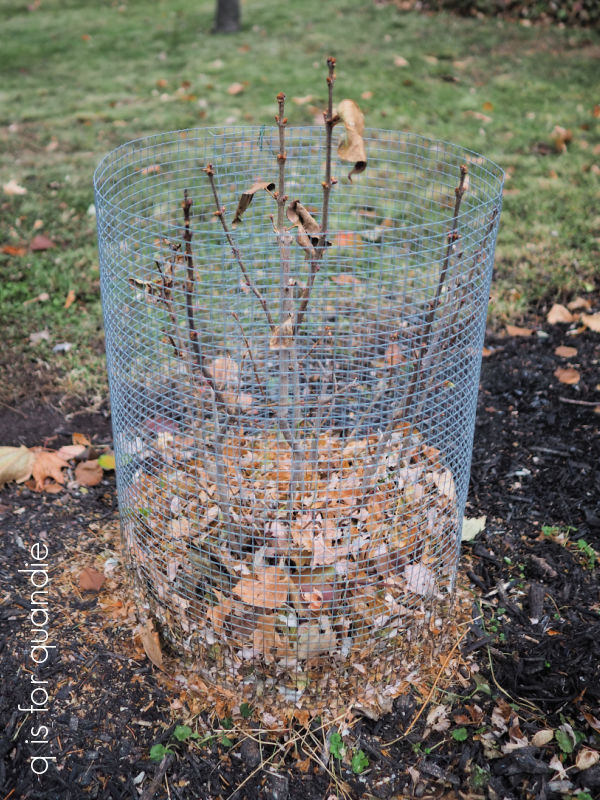
This past fall I decided to go above and beyond with protecting the newer plants from the rabbits by enclosing them with chicken wire filled in with chopped leaves.

And it worked like a charm!  The rabbits weren’t able to get to them, and now they are chock full of buds.  I’m so hoping that their growth really leaps over the next couple of years and they catch up with the rest of the hedge.  Maybe I will finally have a lilac hedge after all!

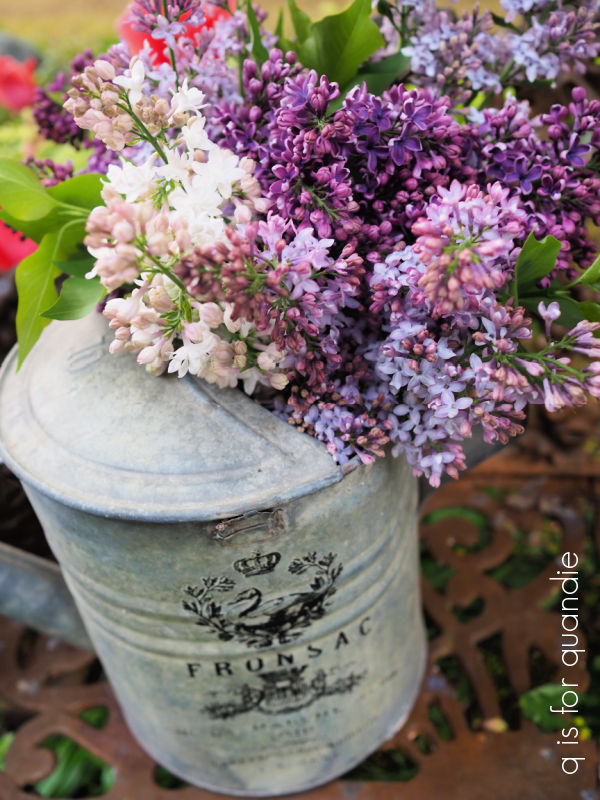
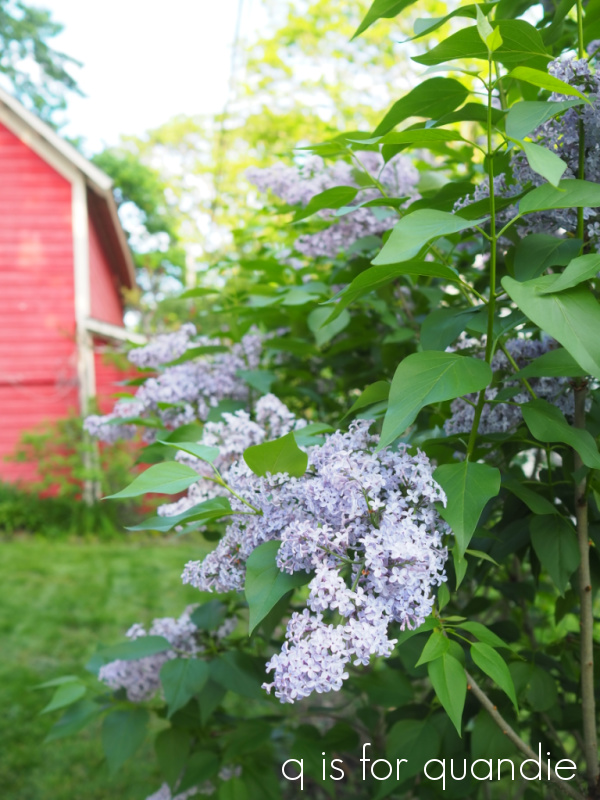
Who doesn’t love a good lilac?

As for the rest of that garden bed cleanup, I just needed to cut back some perennials and clean out fallen leaves.  I tried to be mindful of where I was stepping because I have bulbs coming up!

Wait, what??  Bulbs up in early March?  And actually, most of these were already poking their heads up in late February before I left to visit my mom.  How fun is that?

I have quite a few more garden beds to work on over the coming week, plus I should really get some chicken wire around my emerging tulips.  I don’t want a repeat of last year when deer completely munched on one whole section of new tulip bulbs.

I purchased some more green chicken wire specifically for this purpose, so I should get it in place now since the tulips are starting to come up already!

I’m really looking forward to seeing whether or not my Darwin Hybrid Pink Impression tulips have multiplied.

Darwin hybrid tulips will supposedly naturalize well.  We’ll just have to wait and see.

In the meantime, have you been back out in your garden yet this year?  Leave a comment and let me know!

a brown christmas.

Merry Christmas from the garden!

The probability of a white Christmas in the Twin Cities is somewhere between 70% to 75%, depending on which source you look at.  I’m surprised it’s that low, it really feels like we almost always have a white Christmas.

Last year we definitely had a white Christmas …

and then a white January, and a white February, March and even April!

We got a fresh foot of snow on April 1.

But according to sources online, 2021 was a brown Christmas.  I definitely don’t remember it that way.  I have photos here on the blog that would beg to differ.

But apparently all of that snow melted by Christmas Eve, technically leaving us with a brown Christmas in 2021.

Prior to that both 2018 and 2015 were brown Christmases.

I did get a photo of the carriage house in 2015.

Seeing that picture reminds me of how much I liked having evergreen garland and lights hung all the way across above the doors on the carriage house.  I may have to try that again next year.

While digging out that brown Christmas pic, I came across our family Christmas photo from that year.

That was a fun year, despite no snow.  From the left; that is my sister, my nephew (her son), my mom, me, Mr. Q and my niece (also my sister’s kid).  My nephew was visiting from Philly and my mom was visiting from Las Vegas.  It was so nice to have both of them here.

It must just be that I don’t really remember whether a Christmas was snowy or not, I just remember the fun times spent with friends and family.

That’s lucky because it looks like we’re having a brown Christmas this year.

It may not look as festive, but it certainly makes it easier to spend some time in the garden when there isn’t any snow and/or ice, or sub-zero temps.

I re-visited the idea of a garden Christmas tree this year.  Back in 2021 I put up a faux tree that I’d gotten for free at the curb.

I’d filled it with watering cans and garden implements.

But that tree ended up getting blown over in a storm and the ‘trunk’ was bent so much that it couldn’t be salvaged, at least not if I ever wanted it to stand upright.

This year I decided to purchase a small real tree and put it in a pot in that same spot.

It’s quite a bit smaller though, so the watering cans were a no go.

Instead I used some terracotta pots.  I also added some real winterberry sprigs and some rusty ornaments that I use somewhere outside every year.  I topped it all off with a rusty garden crown.

All things considered, I much preferred the full size tree.  Not only did it make much more of an impact, it was also much cheaper!  That little bitty real tree was $50!  I’m going to be on the lookout for another cheap/free faux tree to use next year.

By the way, did you notice the pair of skates hanging from my Rudolph and Co sign on the deck?

Those are the pair that I was questioning whether or not to paint.  At the time, I suspected I would end up using these outside.  Although paint with a good sealer would hold up outside, I don’t think a rub on transfer would.  So in the end I did not paint this pair for now.

I hope that those of you who celebrate Christmas have a very merry one, whether it’s white or brown.  I’m going to take a bit of a blog break over the next week, but I’ll be back in the New Year so be sure to stay tuned!

will it last?

Good morning from the garden!

I don’t usually spend much time out in the garden in December, but this year has definitely been an exception.  So far we’ve had a lovely warm fall/early winter, and although we’ve had a dusting of snow here or there, it has melted pretty quickly.  We’ve also had some lovely days with sunshine and temps near 50° this past week.

Will it last?

Well, it’s unlikely to last all winter, but for now it has given me plenty of time to get out and rake leaves, clean up wilted hostas and do some extra mulching (we chop up leaves with the lawn mower, and then spread them on the gardens).  I also managed to get some protection set up around my newest lilac bushes in an effort to keep the rabbits away from them this winter.

I purchased a roll of chicken wire at a garage sale for $1 and it was just enough to do my five newest lilacs.  I simply surrounded the lilacs with a length of the chicken wire, and then filled them in with some chopped up leaves.  Fingers crossed that this will be the trick to getting these shrubs established.

Speaking of winter protection, I decided to risk leaving my fairy garden in place for the winter.  I covered it with some chopped up leaves and am hoping that’s enough.

There’s a chance that everything in it will perish, but I’m willing to risk it.  Worst case scenario, I have to buy all new mini plants next year.  But the Alberta Spruce is a zone 3, as are the mini hostas.  The mini Barberry shrub is a zone 4.  The rule of thumb for overwintering perennials in a container is that they should be hardy to two zones below your growing zone.  Since we were just updated to 5a, maybe these things will be OK.

I was also able to fill my window boxes for winter without having to battle rock hard frozen soil this year!  I can’t even remember the last time that’s happened.  I looked back at some of my blog posts from previous years, and even November 9 was too late in 2019!

You may remember that I put some ornamental kale in the front window box for fall, it was still looking so good that I decided to leave it in place for winter.

Will it last?

I really doubt it.  I suspect it will turn into a frozen glob of mush by mid-January at which time it will be frozen in place and impossible to remove, but I thought it was worth a gamble.

In addition to the kale, I filled the front window box with spruce tips and a variety of other evergreens.

Then I added some faux branches of red berries.

I purchased a bunch of these at the after-Christmas sale at Bachman’s last year.  I decided that buying some faux items that I could use year after year in the window box was a good investment.

I think they look fairly realistic mixed in with the real stuff, and they are especially pretty with the dusting of snow that we got yesterday.

I also invested in some faux garland at the same sale, and I used it along with more of the berries to crown the headboard sign on our carriage house.

When I pulled out my Christmas lights this year I found that quite a few of the strings weren’t working.  I’ve always just used white lights in the past, but this time around I decided to add some strings of red and green lights that I found at Home Depot.  So I have a mix of white, red and green both over the headboard and in the front window box.

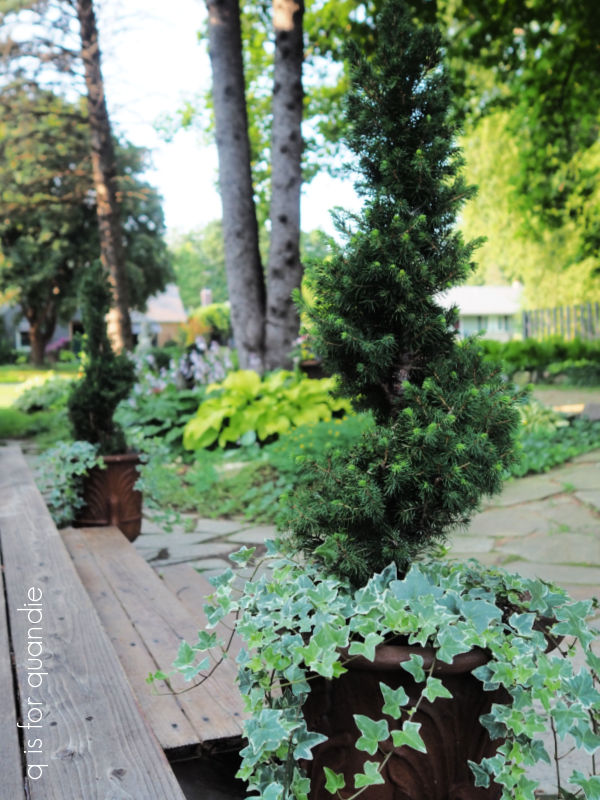
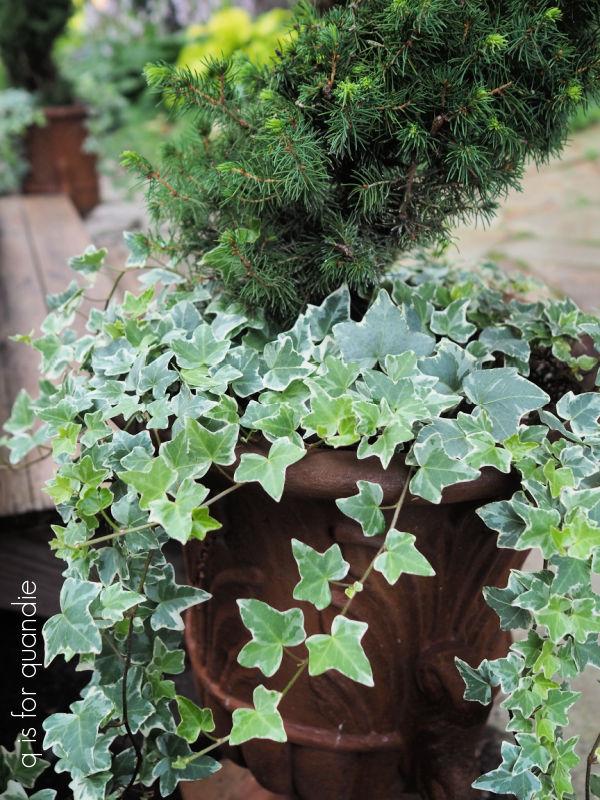
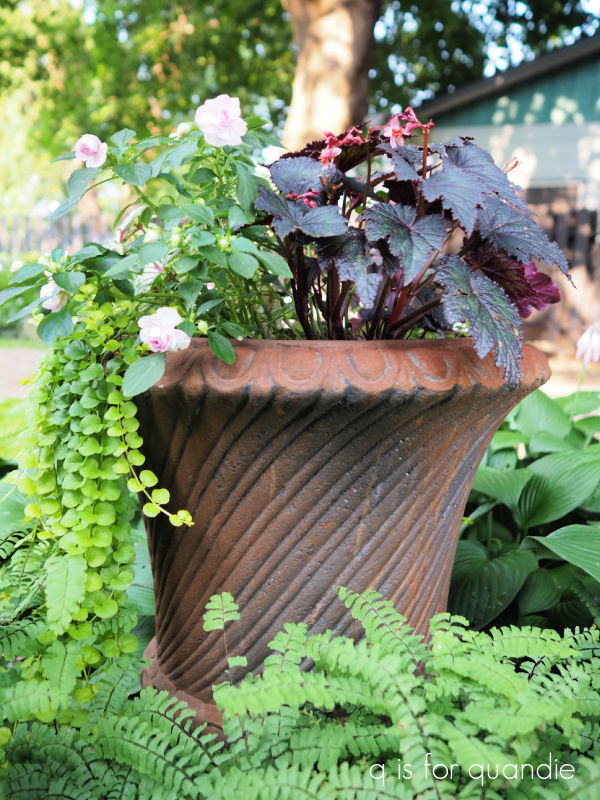
In addition to keeping the kale in place, I also decided to experiment with some ivy.  This past summer I planted ivy in the front window box, and also in the rusty urns next to the deck and like the kale, it was still going strong.

Since ivy is technically evergreen (meaning it doesn’t lose its leaves in the winter), I thought it might be worth keeping in my winter arrangement.

Will it last?

A quick bit of research online tells me that English Ivy is hardy down to around 10°, so no, it likely won’t last all winter.  But here we are in mid-December and it still looks good, so this will be another experiment to see if keeping the ivy is worthwhile or not.

I filled out the rest of those urns with the usual suspects, some spruce tops, a variety of other evergreens, some birch logs and some dried hydrangeas.

Add some lights and a little bit of snow and they look quite magical.

I was beginning to think that there wasn’t much chance of a white Christmas this year, but then we got an inch or so of snow yesterday.

Will it last?

Nope, I don’t think so.  It’s supposed to be in the 40’s here this week so it should all melt.

We’ll just have to wait and see if we get anymore snow before the big day!

overwintering annuals.

Good morning from the garden!

Do you remember last year when I said I was going to attempt to overwinter my caladium?

I went back to read that post and was reminded that we had a ‘feels like’ temp of 12° in October last year!  We are having a much milder fall this year, we had temps near 60° this past week which was delightful.

Anyway, my attempt to save my caladium was a dismal failure.  When I pulled the tubers out of their box in the spring to plant them they were totally dried up.  I totally overdid the ‘keep them dry’ thing.  I should actually have kept them slightly damp, but not too damp, and definitely not completely dry.

Maybe overwintering caladium tubers just isn’t for me.

But I am going to attempt to overwinter a couple of other plants this year, the first being the Streptocarpus Ladyslippers™ Deep Blue Vein that I had in my front window box.

These actually weren’t a great choice for that spot and I considered them to be a bit of a fail.  They were totally swallowed up by the more vigorous annuals planted around them (Dutsy Miller, Diamond Frost Euphorbia, Dark Eyes Fuchsia).

I was quite surprised by how large they had gotten when I dug them out before our first frost though.  They were so buried under those other plants, but they’d still put on a good bit of growth.  I hadn’t planned on keeping them, but they looked pretty good and were still full of blooms.  So I decided to pot them up and see how they perform as houseplants over the winter.

They’ve been blooming like mad since I brought them in.  Some online sources say they will continue to bloom all winter long indoors.  Since they like cooler temps, between 60° and 70° they should be quite happy situated next to our fairly drafty windows in winter.

I also decided to try and save my scented geraniums.

You may remember that I picked up a pair of them at Tangletown Gardens back in July.

I brought these indoors a week or so before I headed off to visit my mom.  They were growing in terracotta pots outside, so I didn’t have to dig them up or anything.

Unfortunately, they didn’t get watered while I was away and I came home to mostly dead looking plants.  After cutting away all of the brown stems, this is what I was left with.

Um, yeah.  Not much.

But they aren’t entirely dead, so I’m still willing to give it a go.

There are multiple ways you can overwinter a geranium.  You can let them go dormant and then hang them upside down, or place them in a brown paper bag, and put them in your basement.  However, if you use this approach you do need to give them some water about once a month.  I’m definitely an ‘out of sight, out of mind’ kind of gal, so I’m pretty sure I would have the same success with this method that I did with the caladium (in other words, none).

You can also take cuttings from your plants and place them in water in a sunny windowsill.  Once they develop some healthy looking roots, you can pot them up in small pots and keep them indoors until spring.  This would have been a great option had the leaves not all fallen off while I was away.

But the option I’m going to try is to just keep them as houseplants over the winter.  I’ve got three more trips planned for this winter though, so we’ll see if they manage to survive.

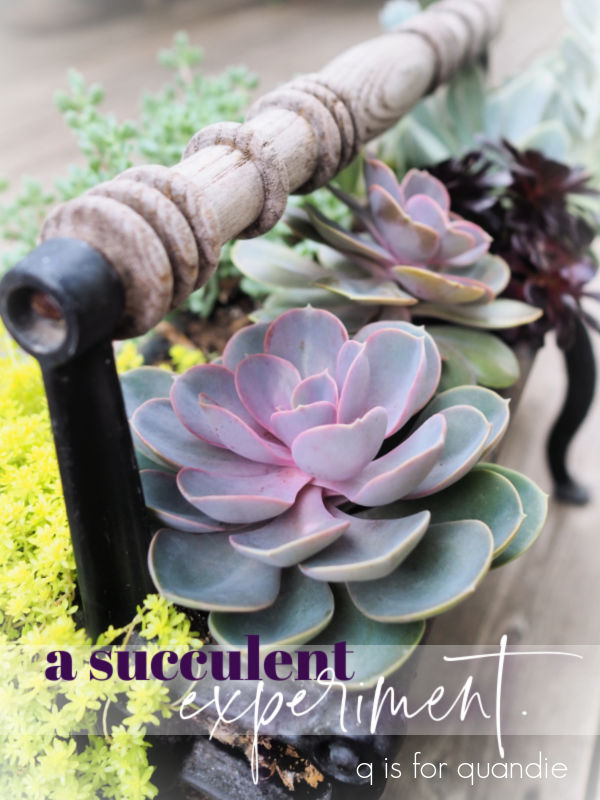
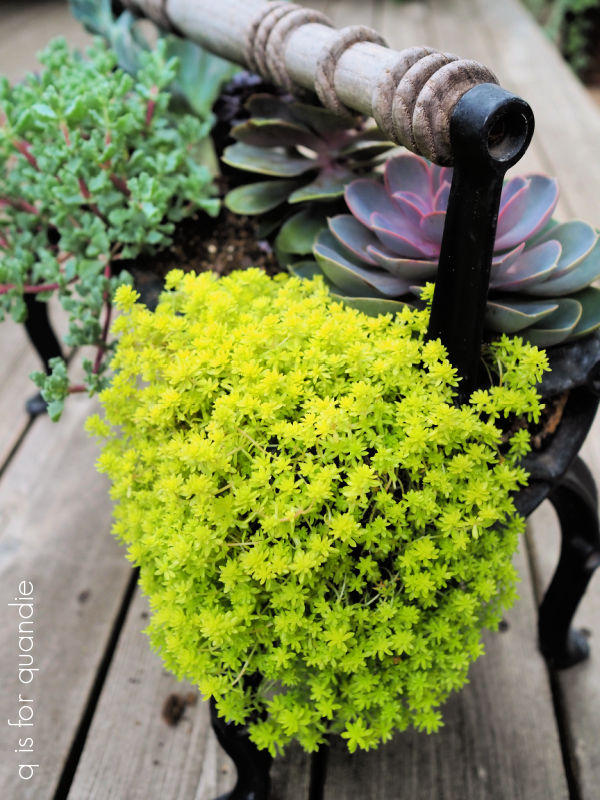
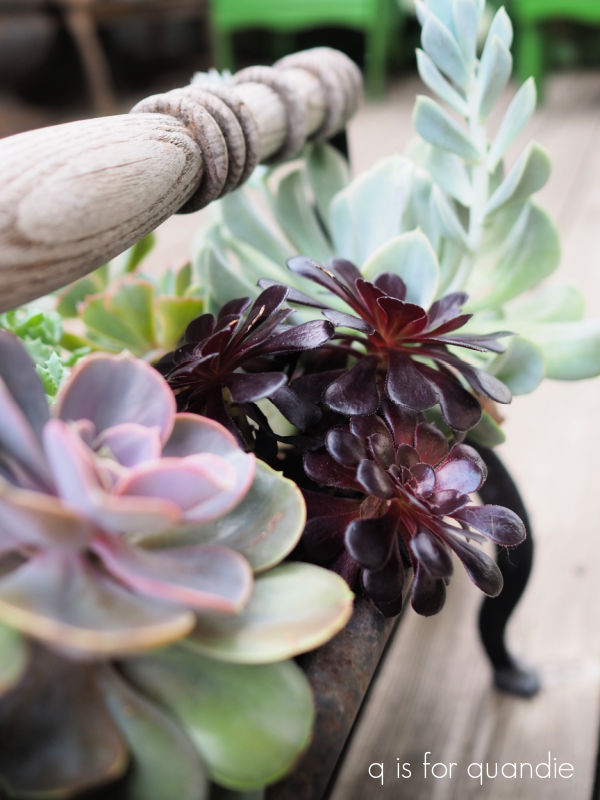
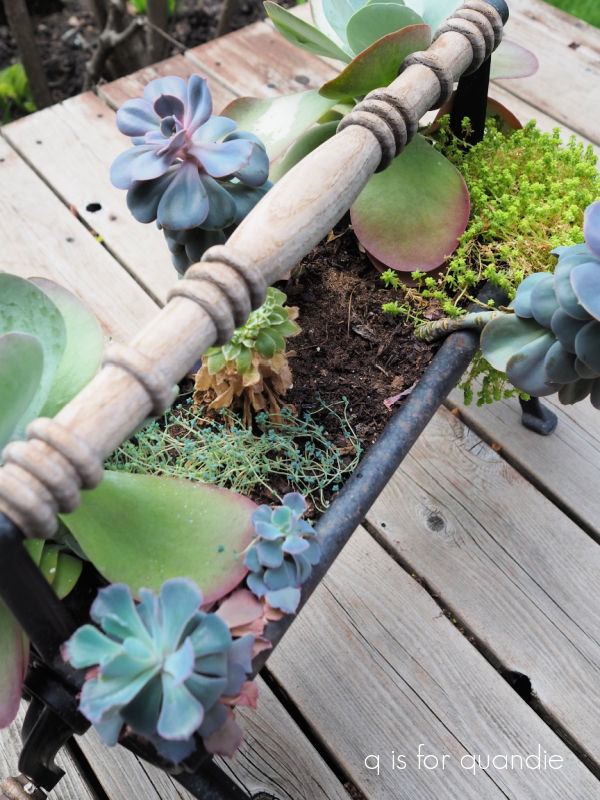
Last up is my newspaper roller full of succulents.

You may remember that I purchased this strange looking item at a garage sale last summer and learned that it was meant for rolling old newspapers into ‘logs’ for a fireplace.

I decided to turn it into a succulent planter, and it worked out beautifully.

I couldn’t bear to just let those succulents freeze, so I brought the entire thing in the house.

I made a spot for it in a sunny windowsill, so we’ll see how it does.

One downside to this arrangement is that the newspaper roller isn’t entirely watertight so I have to use caution when watering and not overdo it.  So far, so good though.

How about you?  Do you have any plants that you attempt to save each winter?  Leave a comment and let me know!