impatiently waiting.

Good morning from the garden!

I know it’s only late April, but I have been patiently waiting all winter for spring to arrive.  Since returning from my mom’s house, where it was in the 80’s and sunny, I’m officially now impatiently waiting.

I’ve also been watching many of my favorite garden YouTube channels (Garden Answer, Hello Garden, The Impatient Gardener and Dig, Plant, Water, Repeat), and most of them are far ahead of my formerly zone 4b/now zone 5a garden.  With the exception of The Impatient Gardener, because she’s in Wisconsin.  But I have a serious case of spring garden envy when I see these videos with hostas already completely leafed out, crabapples in full bloom and masses of tulips and daffodils flowering.

I’ve done pretty much all I can in the garden for now until I can plant annuals, which around here is not until mid-May at the earliest.  However, our average last frost date is May 21, and the official recommendation is to wait until the last week of May to plant.

I rarely follow that advice though.  I definitely can get some pansies in way before that, which is why I went ahead and planted some up this week.

Pansies are pretty cold-tolerant so they will be OK unless we get below 20 degrees or so.  If I see any cold nights in the forecast, I can just cover them up with some old sheets to protect them a bit.

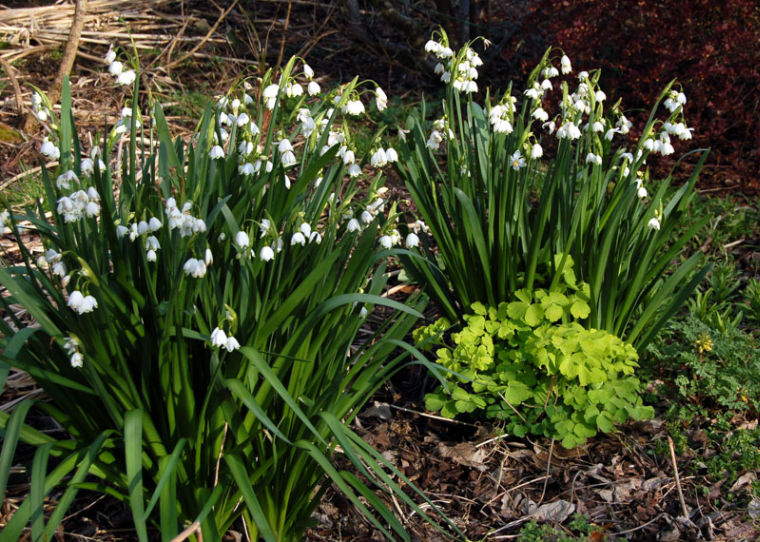
There are a handful of bulbs blooming in my garden already too.  Remember those leucojum’s I planted last fall?
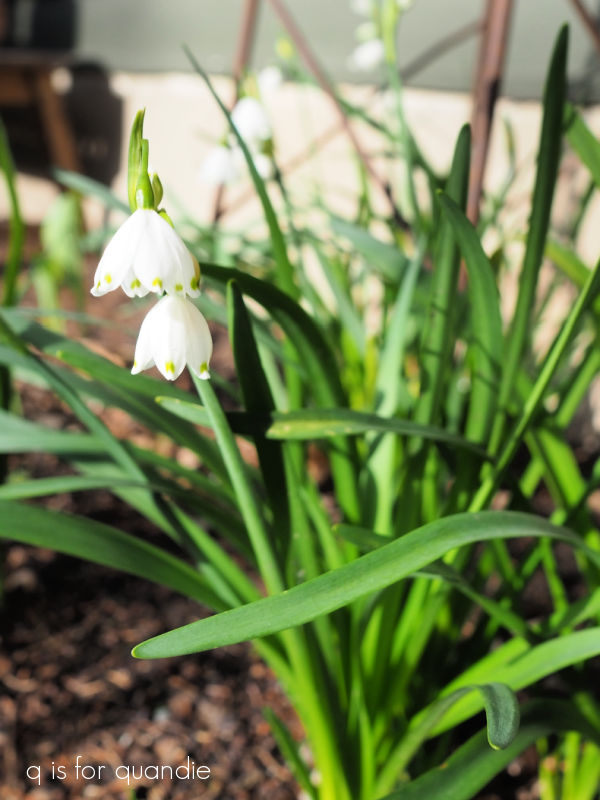
They’ve come up and are pretty sweet.  I’m hoping that they multiply for next year.

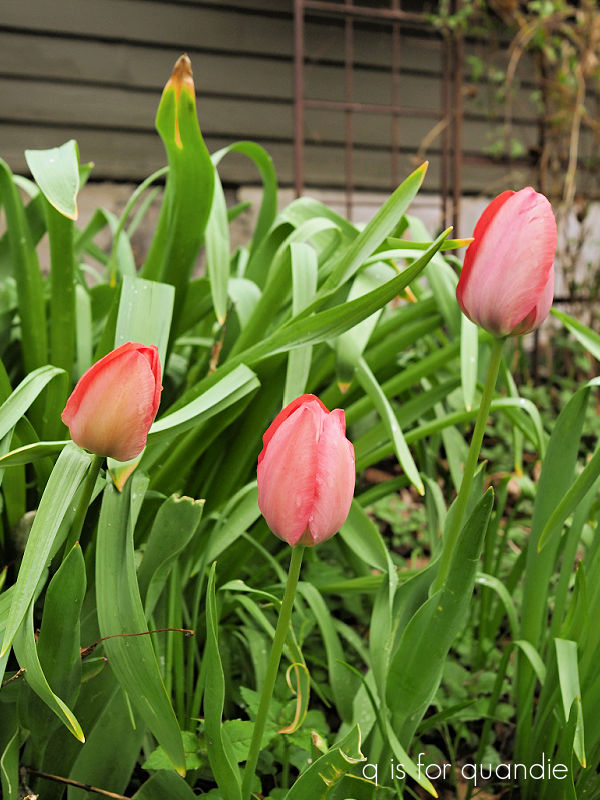
They’ve turned out to be deer resistant too, which is nice.  Especially since once again the deer have munched most of my tulips down to the ground.  I have a couple of groupings that I managed to protect with chicken wire, but the deer got to all the rest.  Please remind me to quit trying to grow tulips, it’s just not going to happen for me.

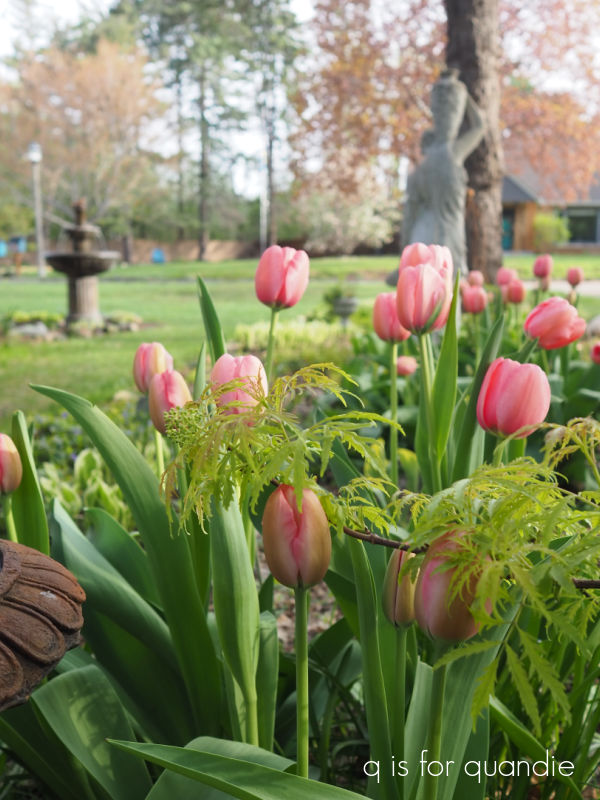
That being said, I have a handful of tulips that the deer missed that are blooming now …
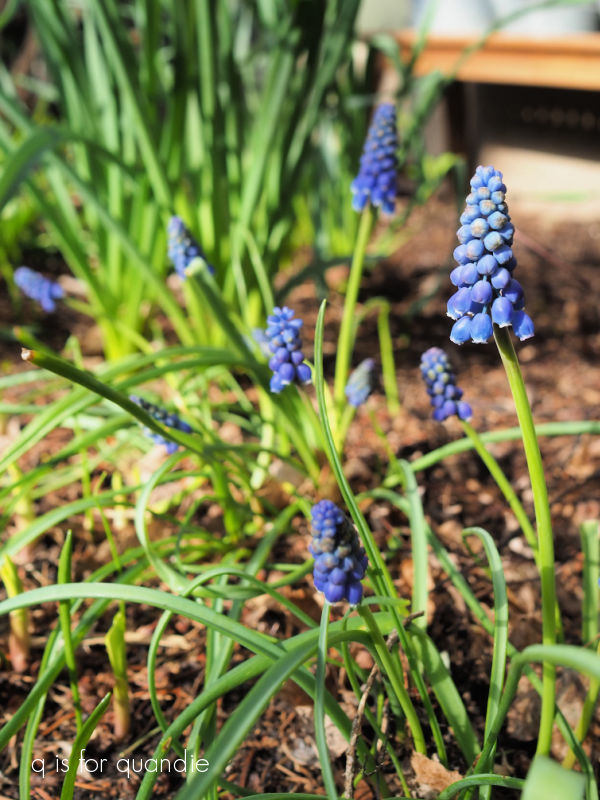
It looks as though grape hyacinths are also a safe bet.  I was pretty excited to see them coming up and blooming for me.

You may remember that I purchased them already potted up and blooming in about mid-May last year.

After using them as a photo prop, I decided to pop them in the ground and see what happened.

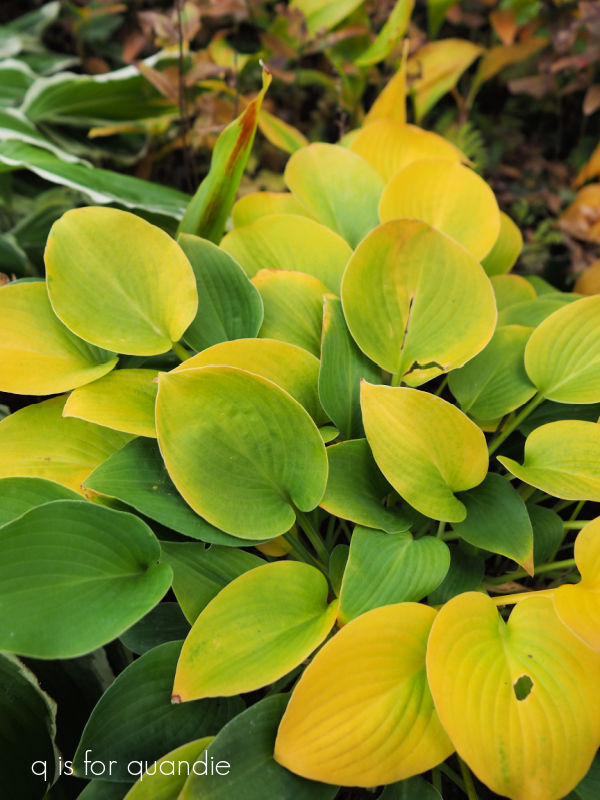
They were perfect right between my Maiden Hair ferns and those small lime green hostas (that I don’t know the name of).

Unfortunately, their normal bloom time appears to be much earlier than mid-May (ie. now), and the hostas and ferns are barely even out of the ground yet.  So the grape hyacinths stand alone this year.
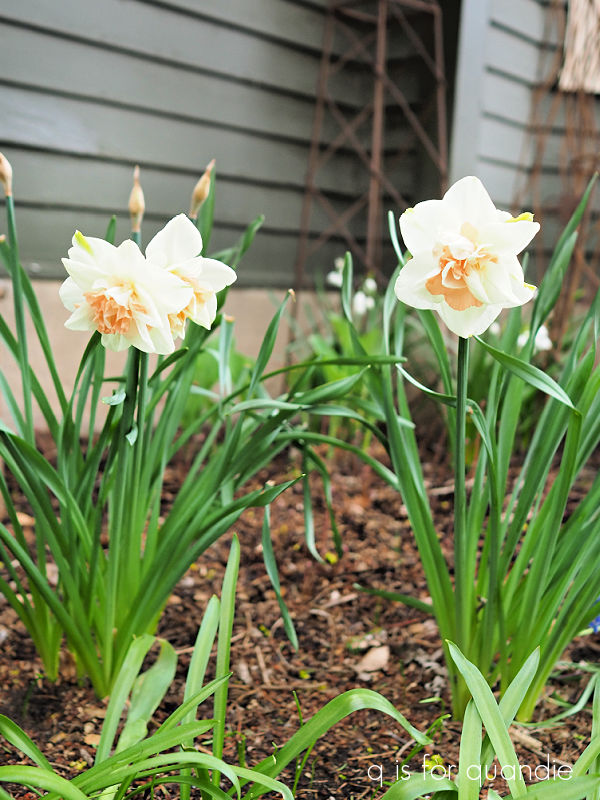
I have just one variety of daffodil blooming this week …
The rest of the daffodils in the garden are up, and they have buds, but they seem far from opening.
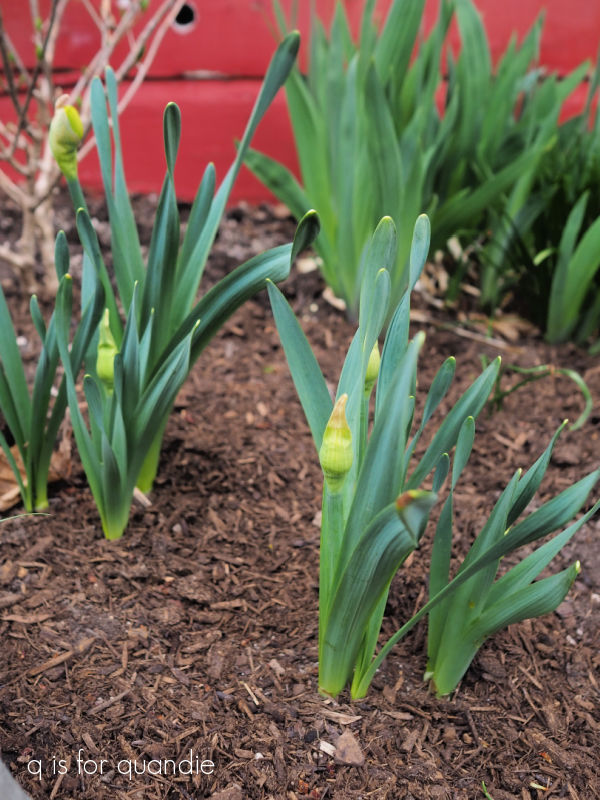
Daffodils are also deer resistant, so maybe I need to add more of them this fall as well.

I do have a few perennials that are already blooming including variegated vinca and bleeding heart.  My fern-leaf bleeding heart is particularly pretty right now.

This type of bleeding heart is a workhorse in the garden because it will keep blooming all summer, unlike the more traditional bleeding heart which blooms early and then pretty much dies back and looks terrible for the rest of the season.

Maybe I should quit feeling sorry for myself.  My gardens may not be completely up and filled out yet, but they are getting started.  What’s up and/or blooming where you are?  Leave a comment and let me know.
a harbinger of spring.

Good morning from the garden!

Actually, as I mentioned on Friday, I’m not really in my garden this morning.  I’m out visiting my mom.  But I just had to get some photos of the first flowers of spring before I left town so I whipped up this quick post for you before I left.

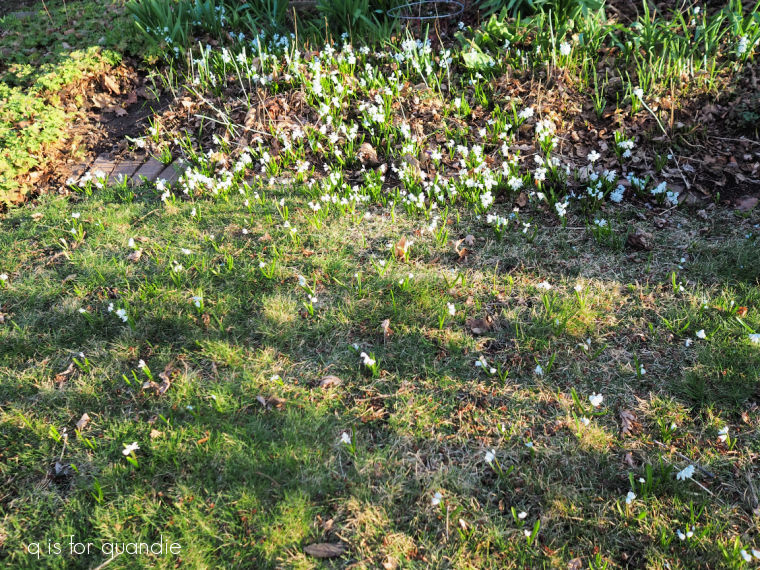
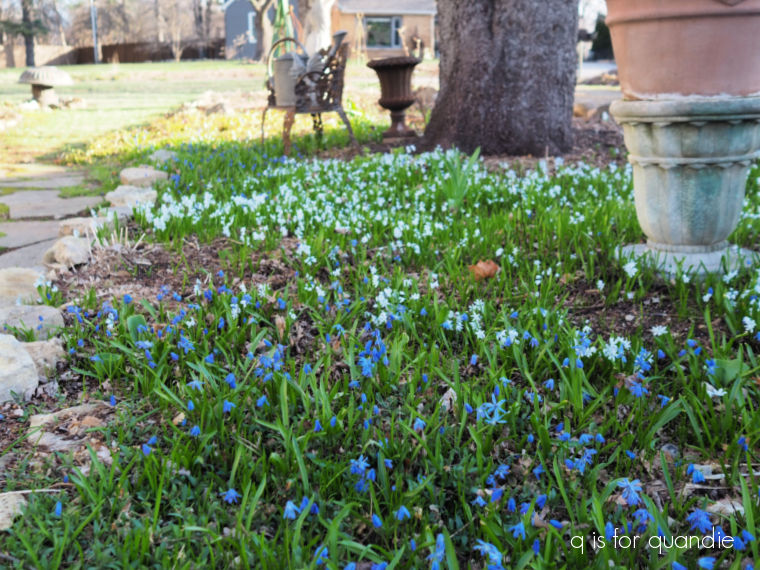
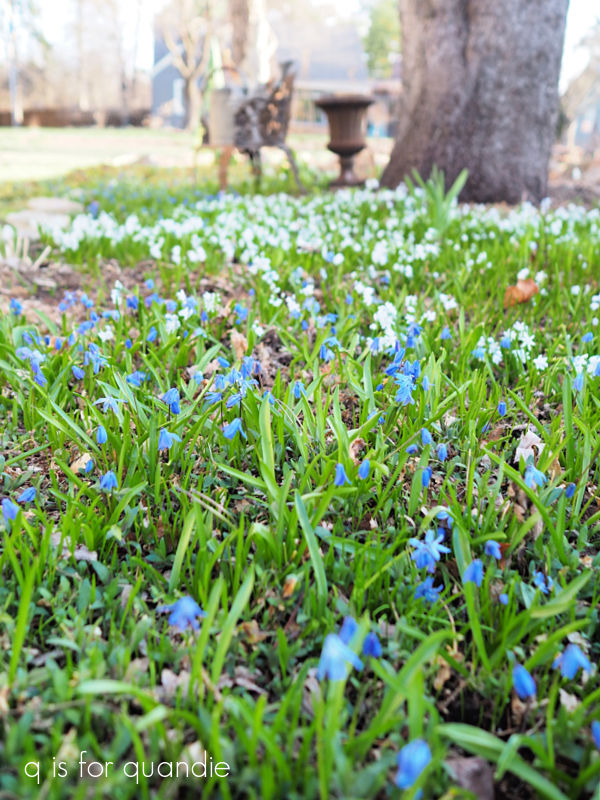
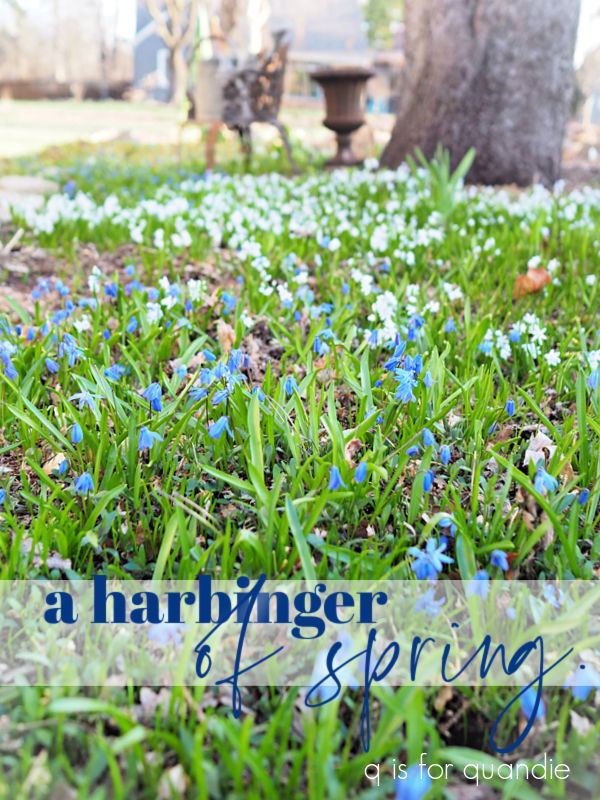
OK, OK, it’s still quite early for a Minnesota garden, but my scilla (Scilla siberica or Siberian squill) are blooming like crazy.

I have two different varieties of scilla, the bright blue one shown above and a white one with blue streaks.

Personally, I love this early harbinger of spring.  But some people consider it invasive and I even read one blog where the author called it ‘nasty’!  That feels a bit extreme to me.

But, I do get it.  This stuff will spread everywhere, and even into your lawn.

I will admit, I do have them popping up everywhere.

But I don’t mind, and in fact, I actually rather like it.  They die back down to the ground quite early in the season and then it’s like they were never there.

And I absolutely adore the carpet of color that I get just outside my kitchen window every April while other plants are barely even popping out of the ground.

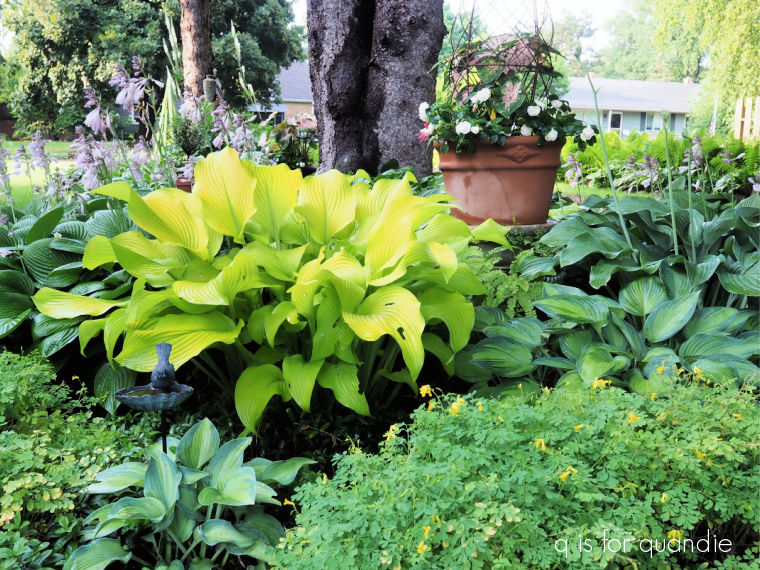
This spot in particular is full of hostas, which are notoriously late breaking dormancy.  By the time the hostas start coming up, the scilla will be done.  By mid-May, this section of garden will look like this …

If you look closely, you can see the foliage of the scilla is starting to die back.  However, my other plants surrounding it, like brunnera and primrose are filling in.

By July you’ll never even know the scilla was there.

As for the scilla in the lawn, that gets mowed over with the first mowing of grass and after a couple of weeks you don’t even see them there anymore either.

I do see two problems with the scilla takeover.  First, it is a little bit of a chore to pull out the yellowed foliage if that’s what you want to do (and I usually do because it is a bit unsightly at that point).  Second, if you are trying to cultivate other very early native spring plants the scilla will compete with them for space.

To me they are worth it for their early spring show though.

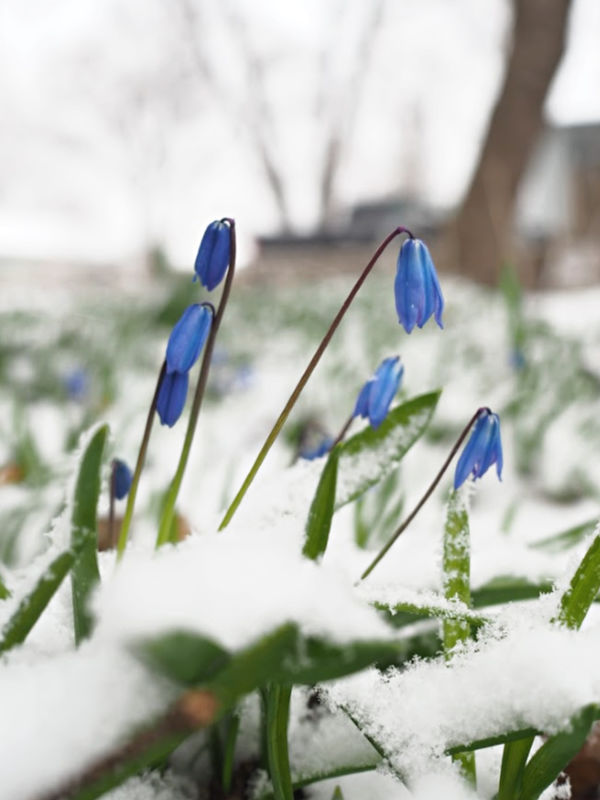
Some years they even start to bloom before the snow melts.

Fortunately that was not the case this year!

I hope to find some daffodils blooming by the time I get home from my mom’s house, but as for the tulips, those darn deer are at them again this year.

When will I learn?  When fall bulb planting season arrives again this year, someone needs to remind me ‘no more tulips!’

As much as I love the look of them …

they aren’t worth the headache of trying to protect them from deer.

Last fall I planted some leucojum (a.k.a. summer snowflake), which are new to me.  They are deer resistant and should bloom around the same time as tulips.  I’m looking forward to seeing if they do well for me or not.  If I like them, I’ll put more of those in the ground this fall instead of tulips.  I’ll be sure to keep you posted.

In the meantime, I hope you are enjoying some spring blooms in your garden today!


gardening in March?!

Good morning from the garden!

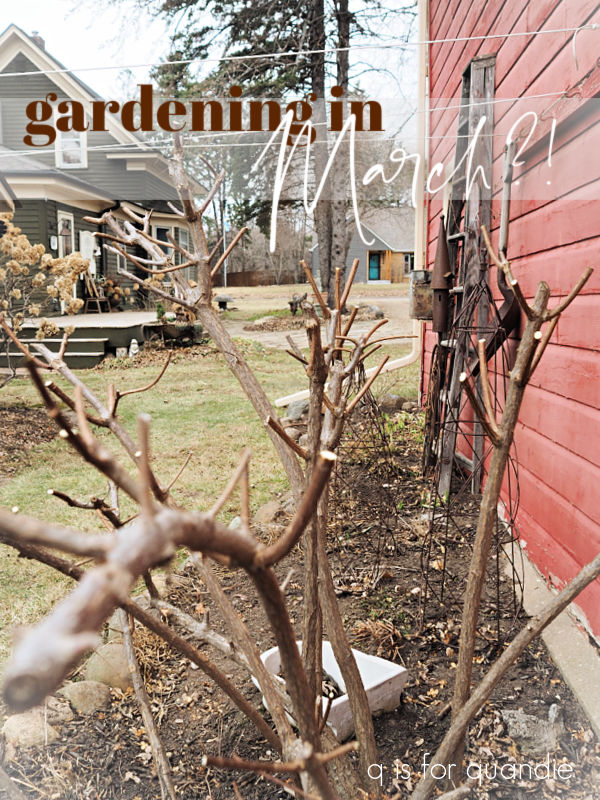
I don’t think I’m back to regular weekly ‘Sunday mornings in the garden’ posts quite yet, but due to our crazy mild winter I was actually out gardening this week.  I can hardly believe it myself.

Gardening in early March, in Minnesota!  Who woulda thunk it?

I am a full month ahead of schedule with pruning the hydrangeas!  Last year I pruned them mid-April, and there were still patches of snow and ice on the ground.

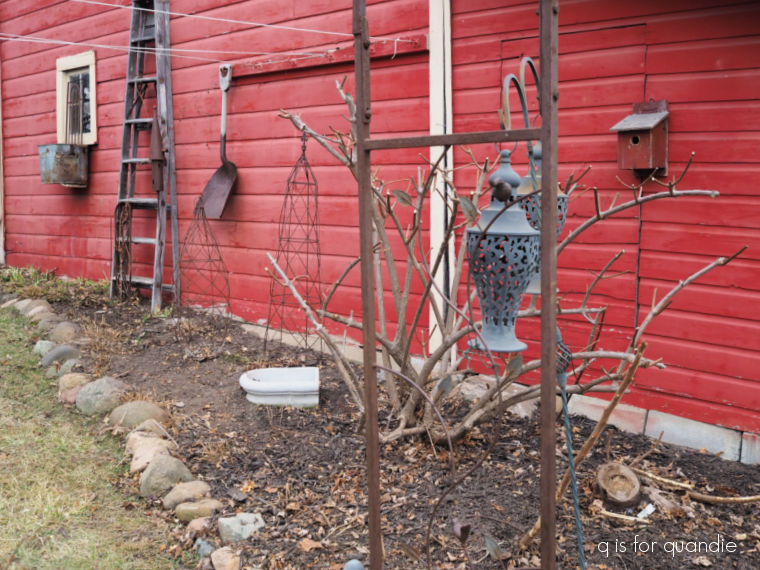
Since I’m so far ahead of schedule this year I’ve decided to take my time and focus on cleaning up one garden bed at a time.  So far I’ve finished the front garden under the window box, the shade garden alongside the house, and now the garden next to the carriage house.

That is the ‘after clean up’ photo, in case you weren’t sure.

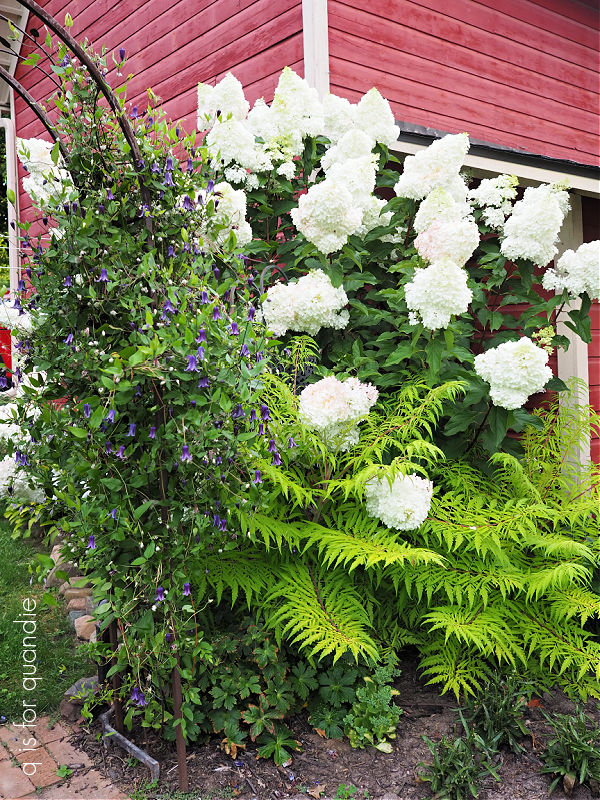
The right corner of that flower bed contains a Vanilla Strawberry hydrangea, a Tiger Eye Sumac and that amazing Roguchi clematis.

I started my clean up with the hydrangea and followed the general panicle hydrangea pruning rules:

  • reduce the overall height of the shrub by about 1/3.
  • remove any dead, broken or weak branches.
  • remove any branches that are rubbing on other branches.
  • prune just above a leaf node.

This photo doesn’t do these trimmings justice …

But they were all at least 3′ long, if not more.

The Roguchi clematis went next.

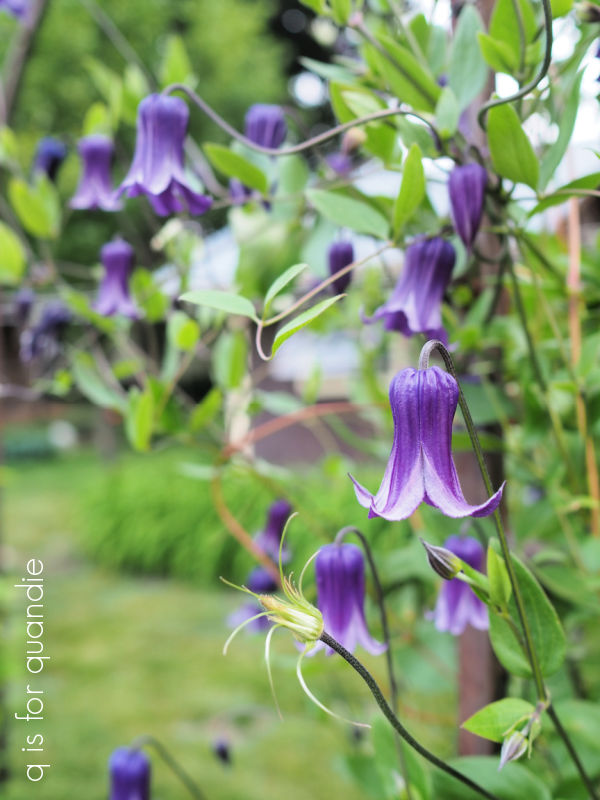
In case you’re new here and haven’t heard me go on and on about this variety, let me just say that right now it’s my favorite clematis.  It blooms from May through October and is absolutely covered in flowers that whole time.  The flowers aren’t particularly showy, but they are pretty sweet.

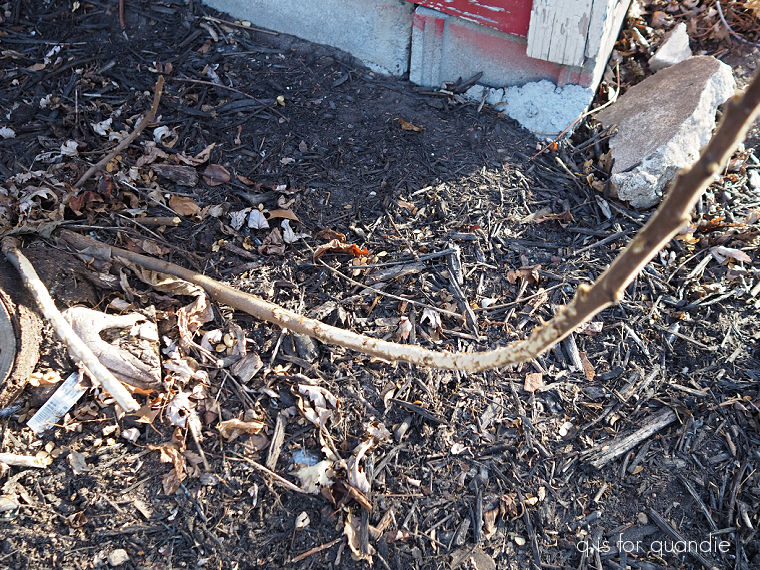
Clematis plants belong to one of three pruning groups, and these groups have different rules.  This one belongs to group 3, which means that you want to prune it right down to about a foot or two from the ground.  In my opinion, this is the easiest sort of pruning job for clematis.  Just prune all of the stems right above a leaf node, about a foot or so from the ground and then discard everything from above that point.

So all of this …

came off and got discarded.

As for that Tiger Eye Sumac, you may remember that I pretty much thought it was dead last year.  It normally doesn’t die back to the ground, but last year it did.  We cut all of the dead limbs off assuming it was a goner, but then it sent up new shoots from the ground.

Unfortunately those ground level shoots seem to have been a rabbit magnet this winter.  The easy way to tell rabbit damage from deer damage is when the damage only goes up to maximum rabbit height.

I’ll just have to wait and see how the Tiger Eye does this year.  I may dig it out and plant a new one in another spot.  It’s competing with the hydrangea in this location anyway.

But speaking of rabbit damage, you may remember my ongoing struggles with creating a lilac hedge.  I started this hedge in 2011, and after much trial and error, I think only one of the original lilacs I planted remains.  All of the others died off and have been replaced.  Currently I have a tall section of hedge in the middle, with two newly planted sections on either end.

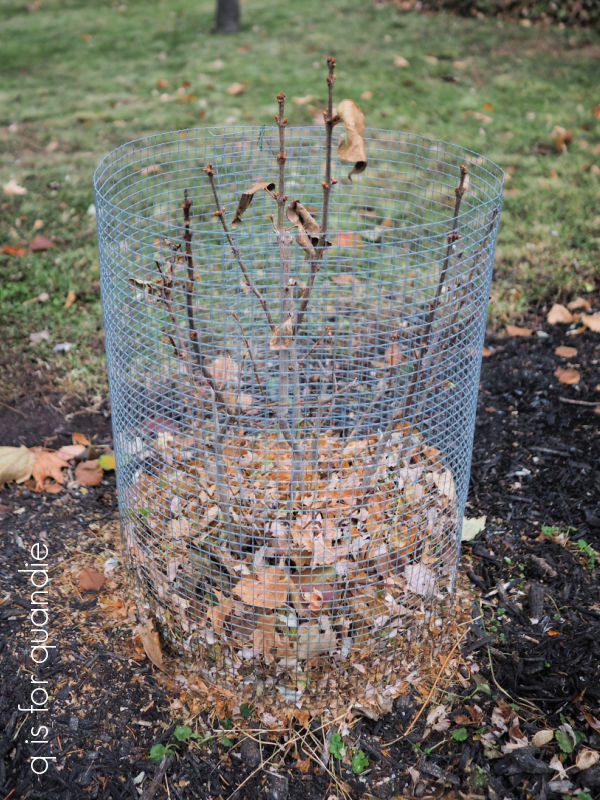
This past fall I decided to go above and beyond with protecting the newer plants from the rabbits by enclosing them with chicken wire filled in with chopped leaves.

And it worked like a charm!  The rabbits weren’t able to get to them, and now they are chock full of buds.  I’m so hoping that their growth really leaps over the next couple of years and they catch up with the rest of the hedge.  Maybe I will finally have a lilac hedge after all!

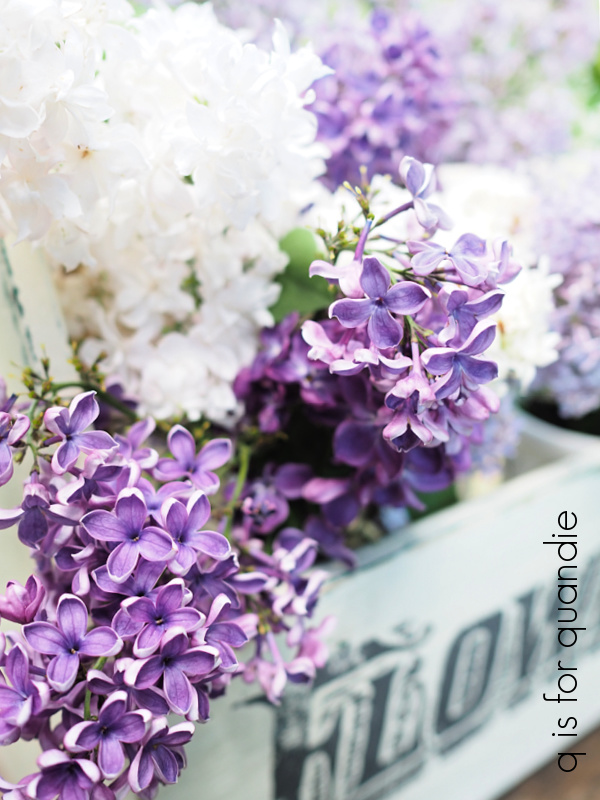
Who doesn’t love a good lilac?

As for the rest of that garden bed cleanup, I just needed to cut back some perennials and clean out fallen leaves.  I tried to be mindful of where I was stepping because I have bulbs coming up!

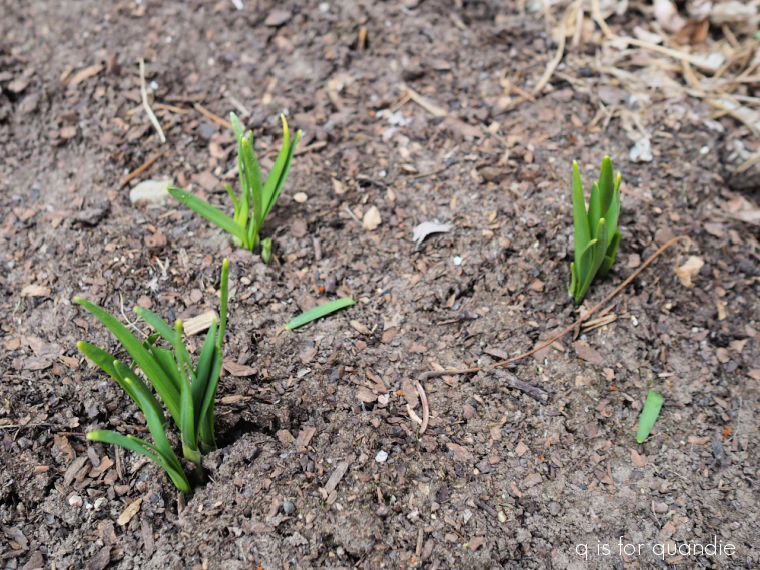
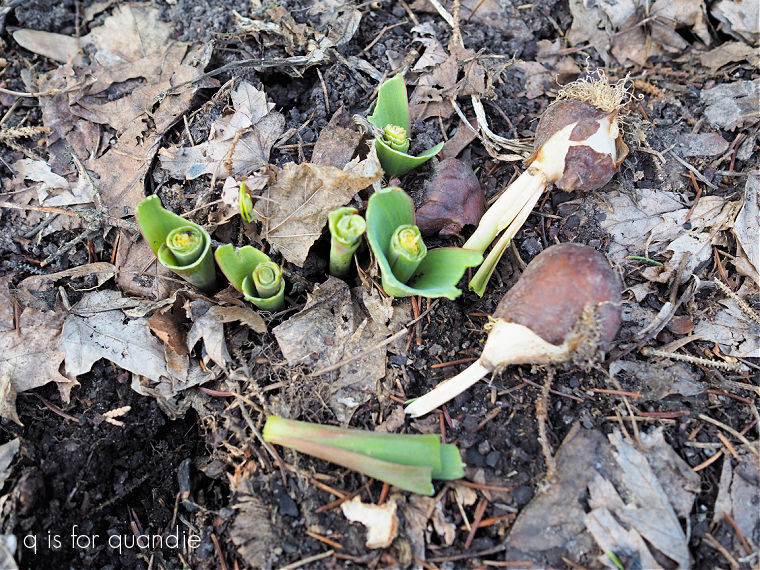
Wait, what??  Bulbs up in early March?  And actually, most of these were already poking their heads up in late February before I left to visit my mom.  How fun is that?

I have quite a few more garden beds to work on over the coming week, plus I should really get some chicken wire around my emerging tulips.  I don’t want a repeat of last year when deer completely munched on one whole section of new tulip bulbs.

I purchased some more green chicken wire specifically for this purpose, so I should get it in place now since the tulips are starting to come up already!

I’m really looking forward to seeing whether or not my Darwin Hybrid Pink Impression tulips have multiplied.

Darwin hybrid tulips will supposedly naturalize well.  We’ll just have to wait and see.

In the meantime, have you been back out in your garden yet this year?  Leave a comment and let me know!

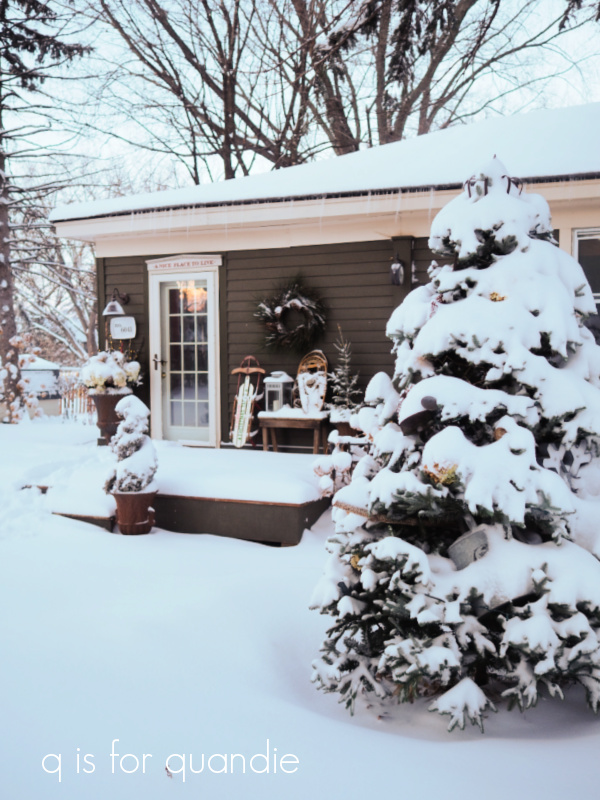
a brown christmas.

Merry Christmas from the garden!

The probability of a white Christmas in the Twin Cities is somewhere between 70% to 75%, depending on which source you look at.  I’m surprised it’s that low, it really feels like we almost always have a white Christmas.

Last year we definitely had a white Christmas …

and then a white January, and a white February, March and even April!

We got a fresh foot of snow on April 1.

But according to sources online, 2021 was a brown Christmas.  I definitely don’t remember it that way.  I have photos here on the blog that would beg to differ.

But apparently all of that snow melted by Christmas Eve, technically leaving us with a brown Christmas in 2021.

Prior to that both 2018 and 2015 were brown Christmases.

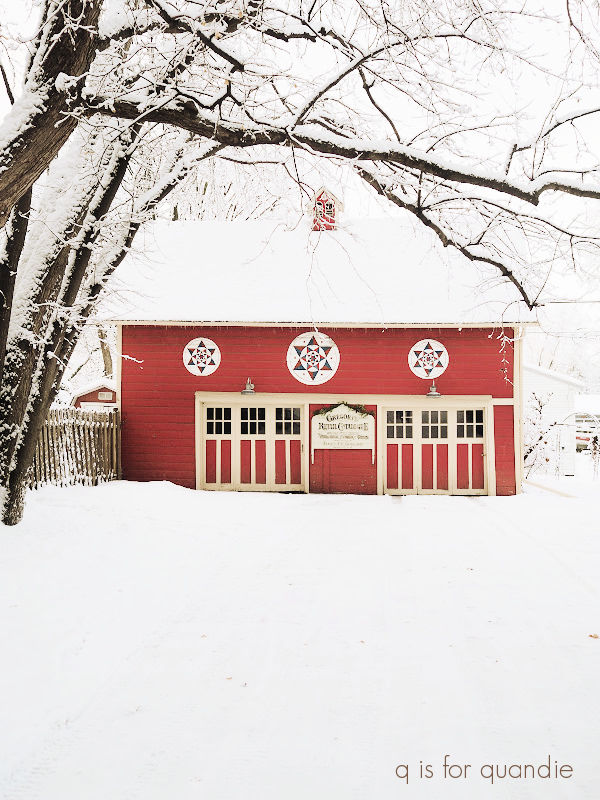
I did get a photo of the carriage house in 2015.

Seeing that picture reminds me of how much I liked having evergreen garland and lights hung all the way across above the doors on the carriage house.  I may have to try that again next year.

While digging out that brown Christmas pic, I came across our family Christmas photo from that year.

That was a fun year, despite no snow.  From the left; that is my sister, my nephew (her son), my mom, me, Mr. Q and my niece (also my sister’s kid).  My nephew was visiting from Philly and my mom was visiting from Las Vegas.  It was so nice to have both of them here.

It must just be that I don’t really remember whether a Christmas was snowy or not, I just remember the fun times spent with friends and family.

That’s lucky because it looks like we’re having a brown Christmas this year.

It may not look as festive, but it certainly makes it easier to spend some time in the garden when there isn’t any snow and/or ice, or sub-zero temps.

I re-visited the idea of a garden Christmas tree this year.  Back in 2021 I put up a faux tree that I’d gotten for free at the curb.

I’d filled it with watering cans and garden implements.

But that tree ended up getting blown over in a storm and the ‘trunk’ was bent so much that it couldn’t be salvaged, at least not if I ever wanted it to stand upright.

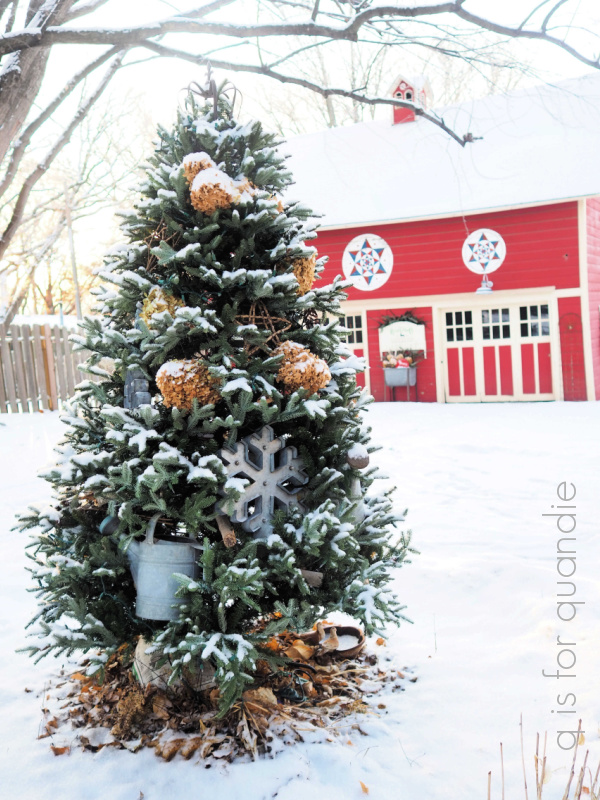
This year I decided to purchase a small real tree and put it in a pot in that same spot.

It’s quite a bit smaller though, so the watering cans were a no go.

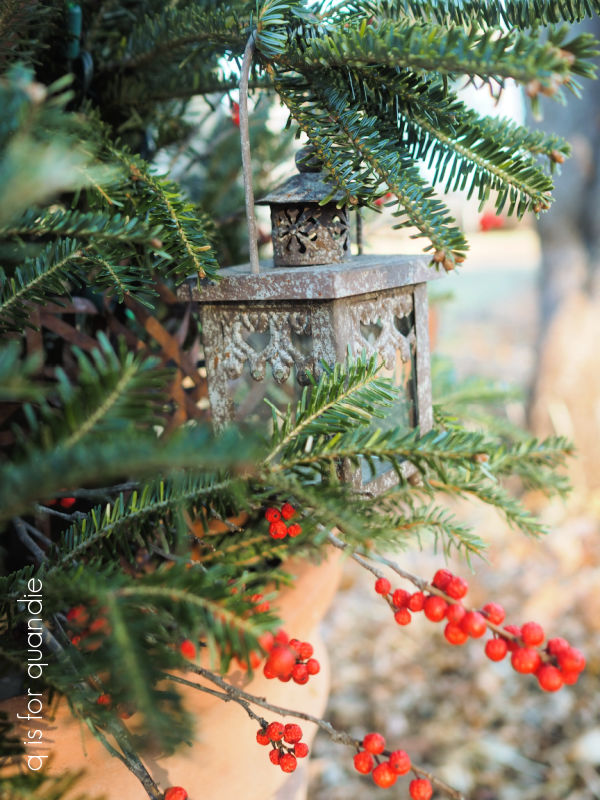
Instead I used some terracotta pots.  I also added some real winterberry sprigs and some rusty ornaments that I use somewhere outside every year.  I topped it all off with a rusty garden crown.

All things considered, I much preferred the full size tree.  Not only did it make much more of an impact, it was also much cheaper!  That little bitty real tree was $50!  I’m going to be on the lookout for another cheap/free faux tree to use next year.

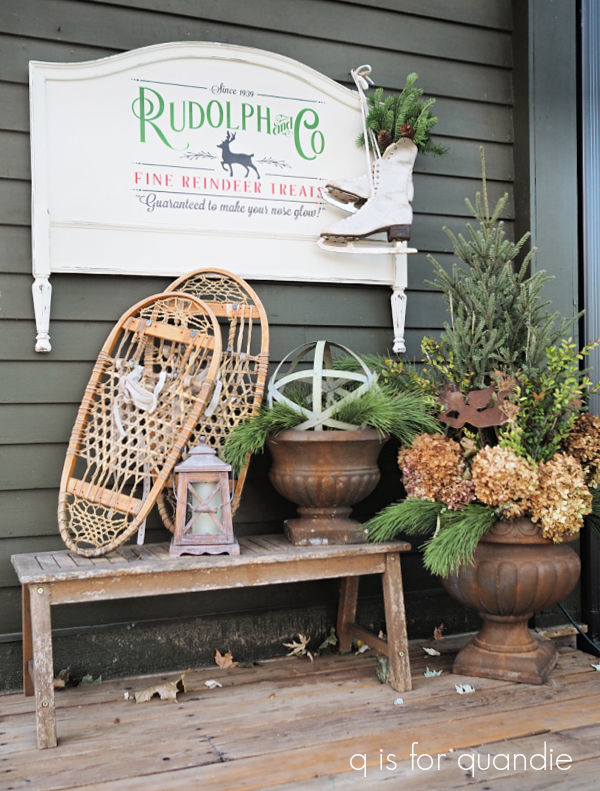
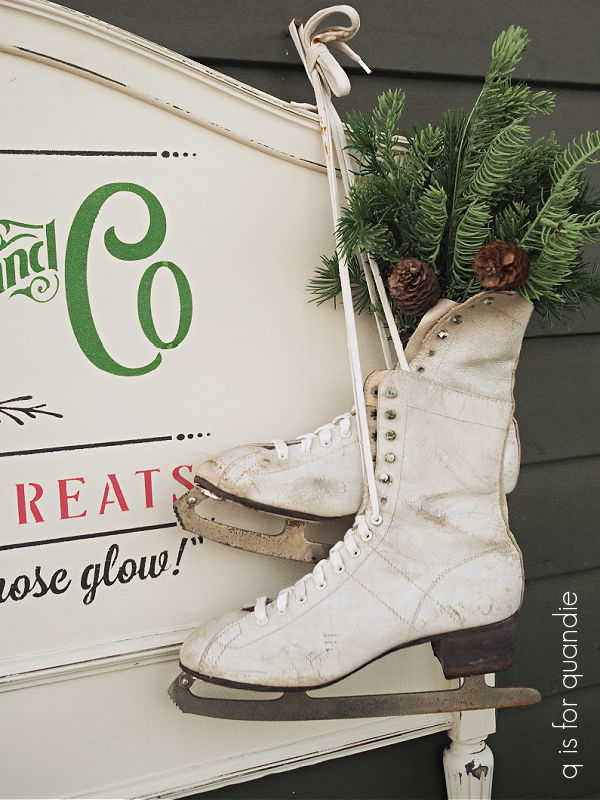
By the way, did you notice the pair of skates hanging from my Rudolph and Co sign on the deck?

Those are the pair that I was questioning whether or not to paint.  At the time, I suspected I would end up using these outside.  Although paint with a good sealer would hold up outside, I don’t think a rub on transfer would.  So in the end I did not paint this pair for now.

I hope that those of you who celebrate Christmas have a very merry one, whether it’s white or brown.  I’m going to take a bit of a blog break over the next week, but I’ll be back in the New Year so be sure to stay tuned!

will it last?

Good morning from the garden!

I don’t usually spend much time out in the garden in December, but this year has definitely been an exception.  So far we’ve had a lovely warm fall/early winter, and although we’ve had a dusting of snow here or there, it has melted pretty quickly.  We’ve also had some lovely days with sunshine and temps near 50° this past week.

Will it last?

Well, it’s unlikely to last all winter, but for now it has given me plenty of time to get out and rake leaves, clean up wilted hostas and do some extra mulching (we chop up leaves with the lawn mower, and then spread them on the gardens).  I also managed to get some protection set up around my newest lilac bushes in an effort to keep the rabbits away from them this winter.

I purchased a roll of chicken wire at a garage sale for $1 and it was just enough to do my five newest lilacs.  I simply surrounded the lilacs with a length of the chicken wire, and then filled them in with some chopped up leaves.  Fingers crossed that this will be the trick to getting these shrubs established.

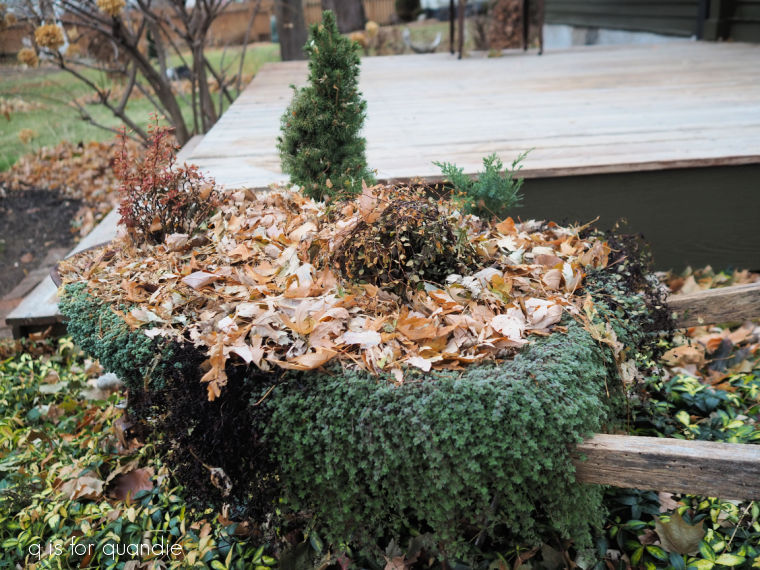
Speaking of winter protection, I decided to risk leaving my fairy garden in place for the winter.  I covered it with some chopped up leaves and am hoping that’s enough.

There’s a chance that everything in it will perish, but I’m willing to risk it.  Worst case scenario, I have to buy all new mini plants next year.  But the Alberta Spruce is a zone 3, as are the mini hostas.  The mini Barberry shrub is a zone 4.  The rule of thumb for overwintering perennials in a container is that they should be hardy to two zones below your growing zone.  Since we were just updated to 5a, maybe these things will be OK.

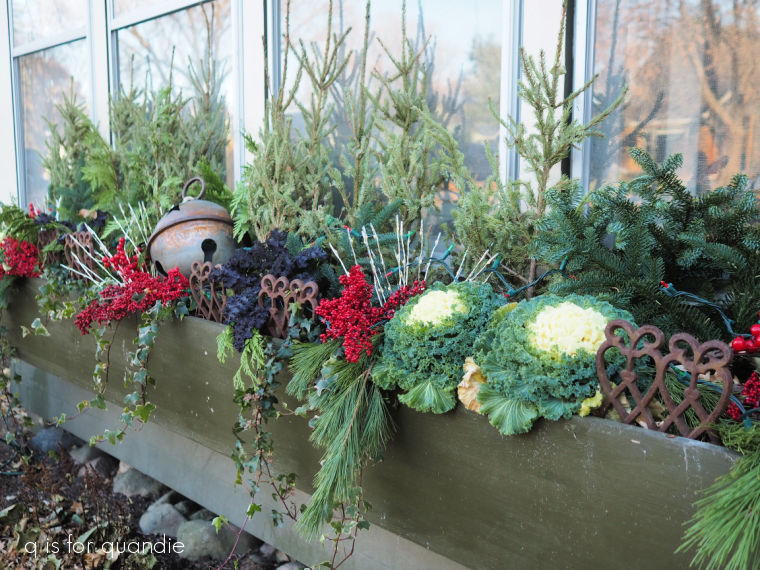
I was also able to fill my window boxes for winter without having to battle rock hard frozen soil this year!  I can’t even remember the last time that’s happened.  I looked back at some of my blog posts from previous years, and even November 9 was too late in 2019!

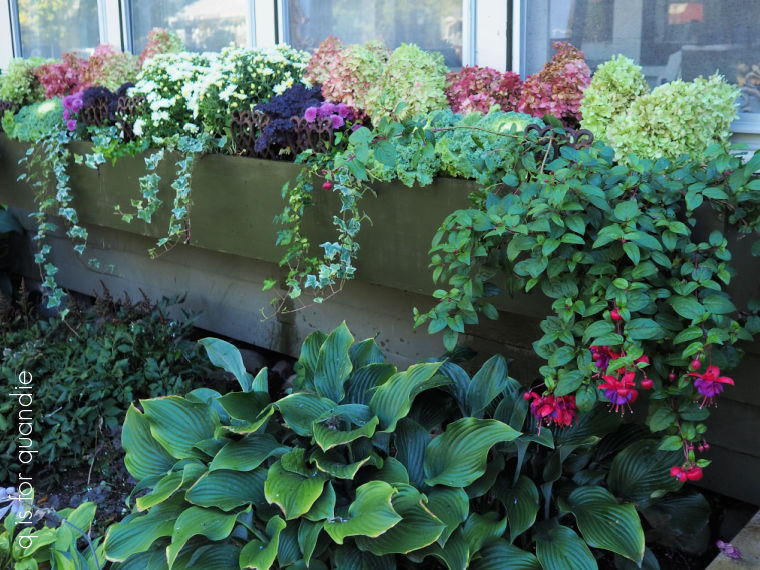
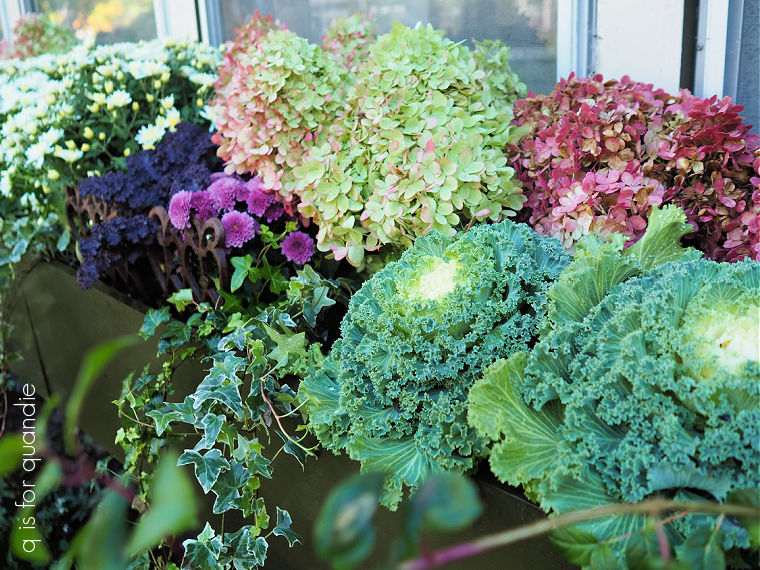
You may remember that I put some ornamental kale in the front window box for fall, it was still looking so good that I decided to leave it in place for winter.

Will it last?

I really doubt it.  I suspect it will turn into a frozen glob of mush by mid-January at which time it will be frozen in place and impossible to remove, but I thought it was worth a gamble.

In addition to the kale, I filled the front window box with spruce tips and a variety of other evergreens.

Then I added some faux branches of red berries.

I purchased a bunch of these at the after-Christmas sale at Bachman’s last year.  I decided that buying some faux items that I could use year after year in the window box was a good investment.

I think they look fairly realistic mixed in with the real stuff, and they are especially pretty with the dusting of snow that we got yesterday.

I also invested in some faux garland at the same sale, and I used it along with more of the berries to crown the headboard sign on our carriage house.

When I pulled out my Christmas lights this year I found that quite a few of the strings weren’t working.  I’ve always just used white lights in the past, but this time around I decided to add some strings of red and green lights that I found at Home Depot.  So I have a mix of white, red and green both over the headboard and in the front window box.

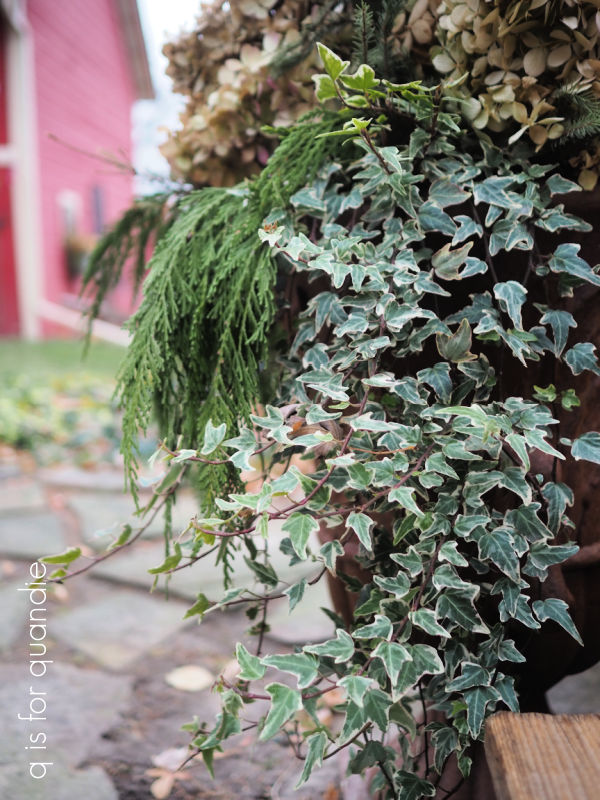
In addition to keeping the kale in place, I also decided to experiment with some ivy.  This past summer I planted ivy in the front window box, and also in the rusty urns next to the deck and like the kale, it was still going strong.

Since ivy is technically evergreen (meaning it doesn’t lose its leaves in the winter), I thought it might be worth keeping in my winter arrangement.

Will it last?

A quick bit of research online tells me that English Ivy is hardy down to around 10°, so no, it likely won’t last all winter.  But here we are in mid-December and it still looks good, so this will be another experiment to see if keeping the ivy is worthwhile or not.

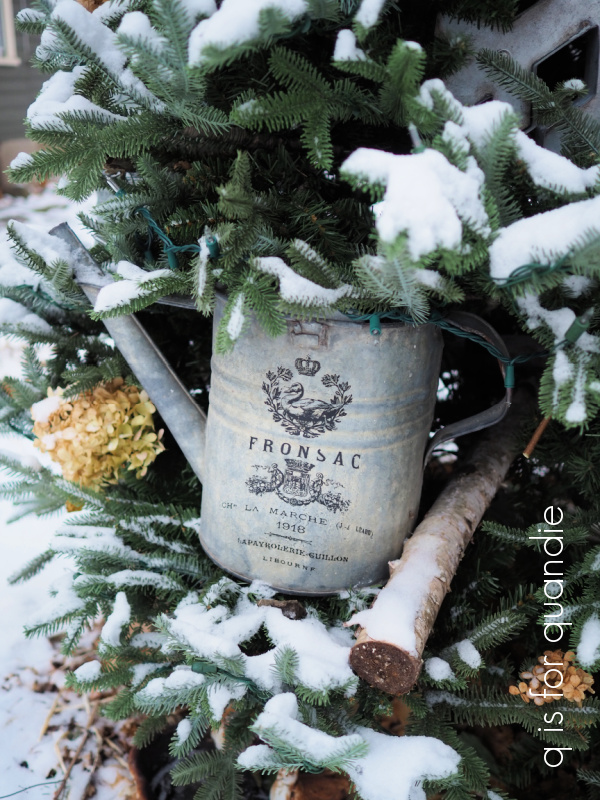
I filled out the rest of those urns with the usual suspects, some spruce tops, a variety of other evergreens, some birch logs and some dried hydrangeas.

Add some lights and a little bit of snow and they look quite magical.

I was beginning to think that there wasn’t much chance of a white Christmas this year, but then we got an inch or so of snow yesterday.

Will it last?

Nope, I don’t think so.  It’s supposed to be in the 40’s here this week so it should all melt.

We’ll just have to wait and see if we get anymore snow before the big day!

overwintering annuals.

Good morning from the garden!

Do you remember last year when I said I was going to attempt to overwinter my caladium?

I went back to read that post and was reminded that we had a ‘feels like’ temp of 12° in October last year!  We are having a much milder fall this year, we had temps near 60° this past week which was delightful.

Anyway, my attempt to save my caladium was a dismal failure.  When I pulled the tubers out of their box in the spring to plant them they were totally dried up.  I totally overdid the ‘keep them dry’ thing.  I should actually have kept them slightly damp, but not too damp, and definitely not completely dry.

Maybe overwintering caladium tubers just isn’t for me.

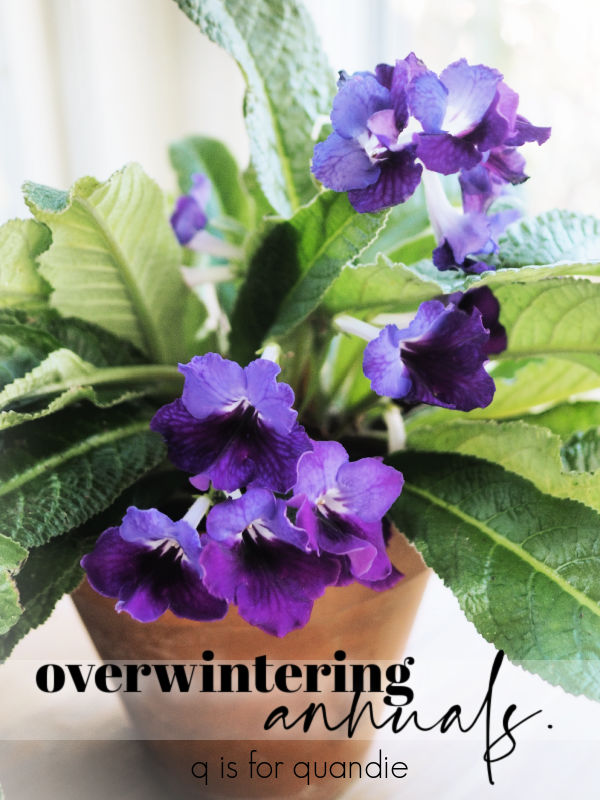
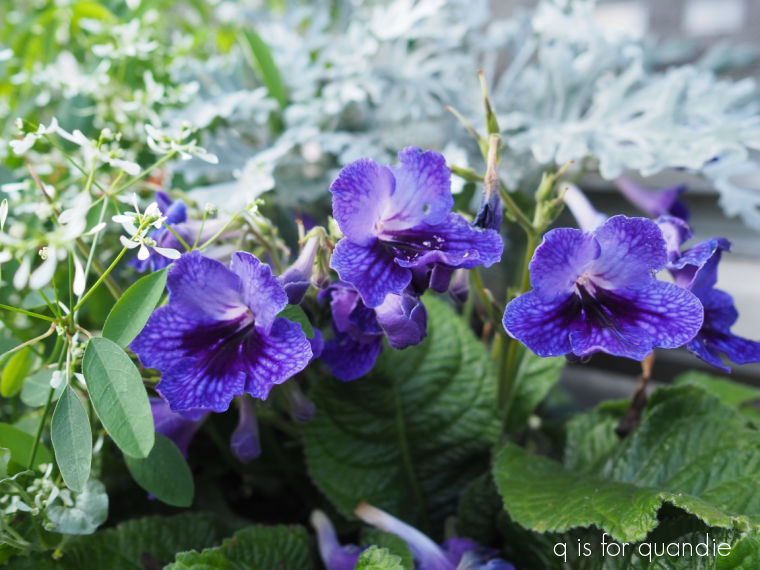
But I am going to attempt to overwinter a couple of other plants this year, the first being the Streptocarpus Ladyslippers™ Deep Blue Vein that I had in my front window box.

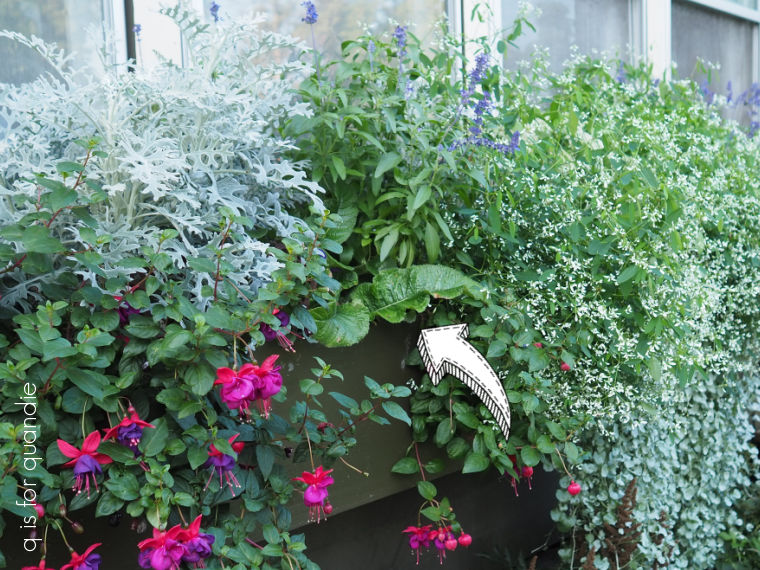
These actually weren’t a great choice for that spot and I considered them to be a bit of a fail.  They were totally swallowed up by the more vigorous annuals planted around them (Dutsy Miller, Diamond Frost Euphorbia, Dark Eyes Fuchsia).

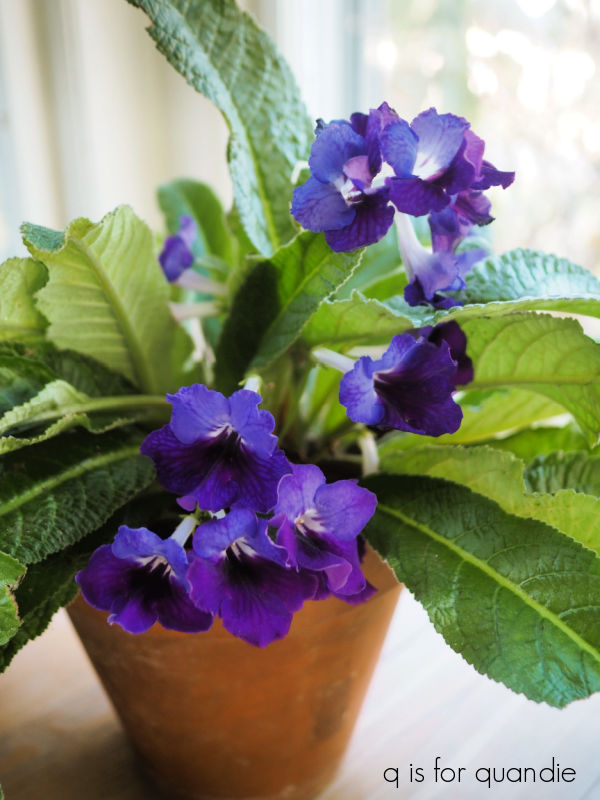
I was quite surprised by how large they had gotten when I dug them out before our first frost though.  They were so buried under those other plants, but they’d still put on a good bit of growth.  I hadn’t planned on keeping them, but they looked pretty good and were still full of blooms.  So I decided to pot them up and see how they perform as houseplants over the winter.

They’ve been blooming like mad since I brought them in.  Some online sources say they will continue to bloom all winter long indoors.  Since they like cooler temps, between 60° and 70° they should be quite happy situated next to our fairly drafty windows in winter.

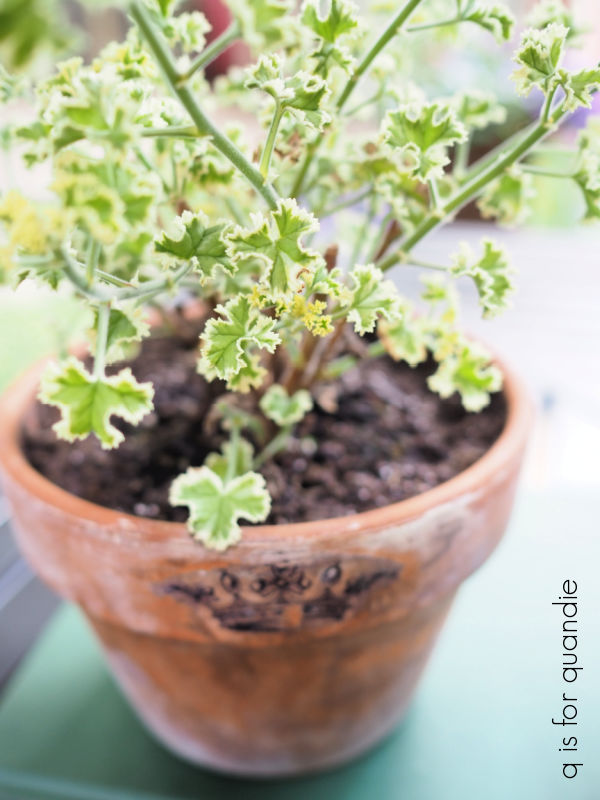
I also decided to try and save my scented geraniums.

You may remember that I picked up a pair of them at Tangletown Gardens back in July.

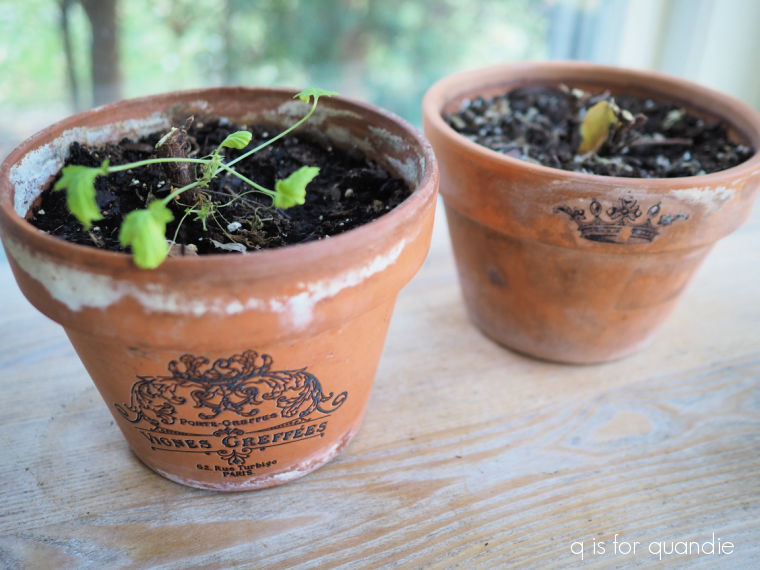
I brought these indoors a week or so before I headed off to visit my mom.  They were growing in terracotta pots outside, so I didn’t have to dig them up or anything.

Unfortunately, they didn’t get watered while I was away and I came home to mostly dead looking plants.  After cutting away all of the brown stems, this is what I was left with.

Um, yeah.  Not much.

But they aren’t entirely dead, so I’m still willing to give it a go.

There are multiple ways you can overwinter a geranium.  You can let them go dormant and then hang them upside down, or place them in a brown paper bag, and put them in your basement.  However, if you use this approach you do need to give them some water about once a month.  I’m definitely an ‘out of sight, out of mind’ kind of gal, so I’m pretty sure I would have the same success with this method that I did with the caladium (in other words, none).

You can also take cuttings from your plants and place them in water in a sunny windowsill.  Once they develop some healthy looking roots, you can pot them up in small pots and keep them indoors until spring.  This would have been a great option had the leaves not all fallen off while I was away.

But the option I’m going to try is to just keep them as houseplants over the winter.  I’ve got three more trips planned for this winter though, so we’ll see if they manage to survive.

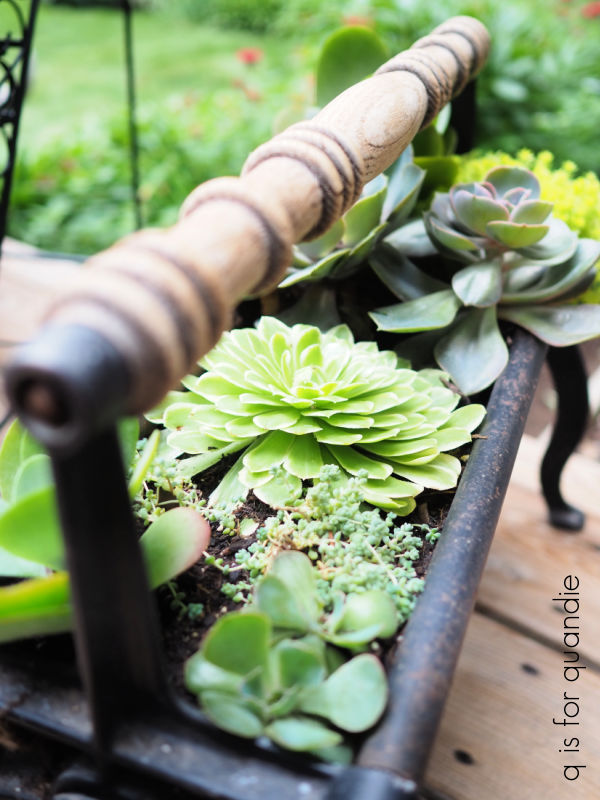
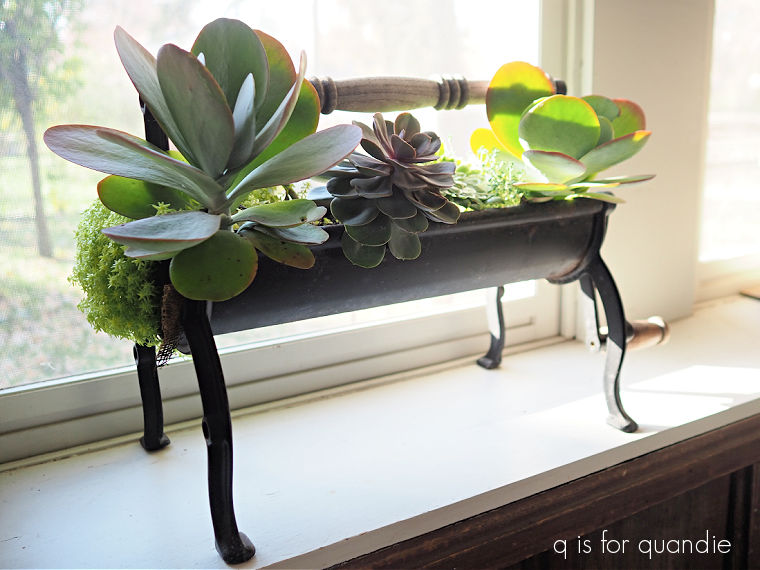
Last up is my newspaper roller full of succulents.

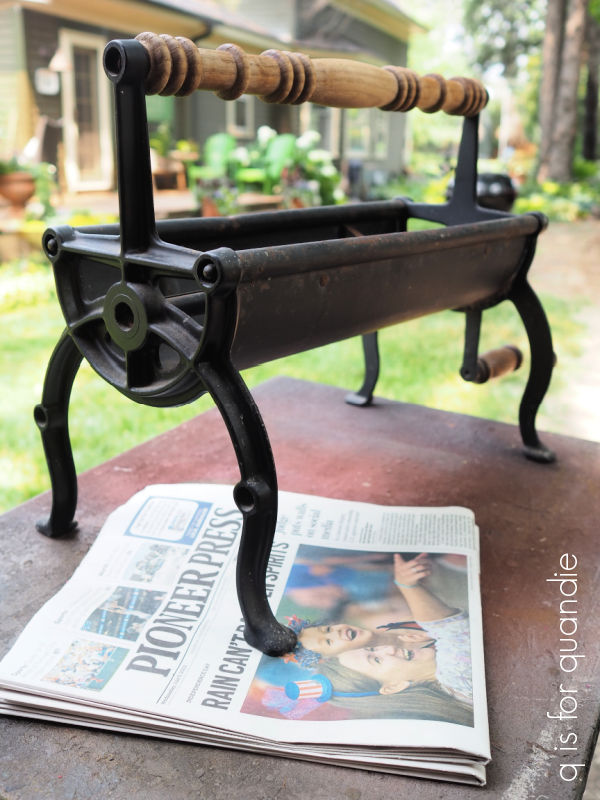
You may remember that I purchased this strange looking item at a garage sale last summer and learned that it was meant for rolling old newspapers into ‘logs’ for a fireplace.

I decided to turn it into a succulent planter, and it worked out beautifully.

I couldn’t bear to just let those succulents freeze, so I brought the entire thing in the house.

I made a spot for it in a sunny windowsill, so we’ll see how it does.

One downside to this arrangement is that the newspaper roller isn’t entirely watertight so I have to use caution when watering and not overdo it.  So far, so good though.

How about you?  Do you have any plants that you attempt to save each winter?  Leave a comment and let me know!

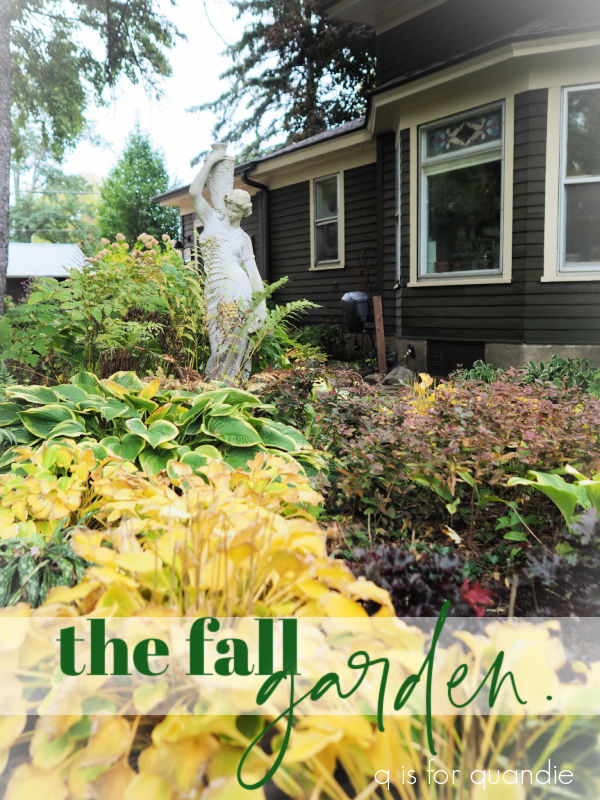
the fall garden.

Good morning from the garden!

This morning I thought I’d take you around for a little fall tour of my garden.

Even though I know my perennials are on the decline and will soon be dying back to the ground, I still think this is one of the most beautiful times of the year in the garden.

Fall can be pretty fleeting here in Minnesota, so you have to be sure to get out and appreciate it while it lasts.  In the blink of an eye the leaves will fall and then everything will be covered in a blanket of snow.

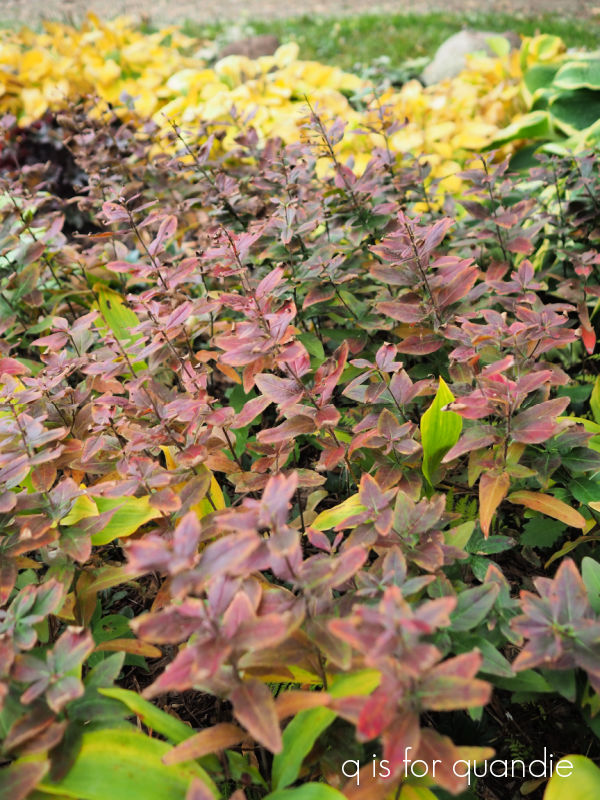
My Vanilla Strawberry hydrangea and Tiger Eye sumac both provide glorious color in the fall.

If you are looking for a shrub to plant for fall color, the Tiger Eye is a fantastic choice.

Of course, paniculata hydrangeas are also a great choice for providing fall color.

The Vanilla Strawberry turn a deep pink, while the Limelights are a little more subtle, but still pretty.

But don’t forget that it isn’t just trees and shrubs that provide good fall color.  I have some perennials that develop fall color too, including the Oenothera biennis, or the common evening-primrose.

The foliage turns a lovely red for fall.  My friend Jodie gave me a chunk of this plant years ago and it has taken off in my garden.  It can be considered invasive, but I find it easy to pull it out when it pops up where I don’t want it.  In the summer it provides a swath of cheerful yellow blooms that are quite pretty.

Another source of good fall color from a perennial that may surprise you is the hosta.

They don’t all turn color for fall, but I recommend searching out one of the varieties that does and putting a couple in your garden for fall.

Unfortunately, that being said, I can’t find a single source online that lists which hostas provide good fall color.  If you can find a list, or you know of a specific hosta with good fall color, please leave a comment and let us all know.

A general rule of thumb for the hostas in my garden is that the ones that aren’t variegated seem to get the most vibrant color in fall.

I had initially not planned on doing a fall display in my front window box.  I’m heading off to visit my mom in another week and by the time I come home from that, it will nearly be time to do a winter arrangement.

But then I stopped off at Home Depot and I couldn’t resist the mums and some huge ornamental kale.

The summer annuals in the front window box were really looking tired, so I was itching to pull them out.

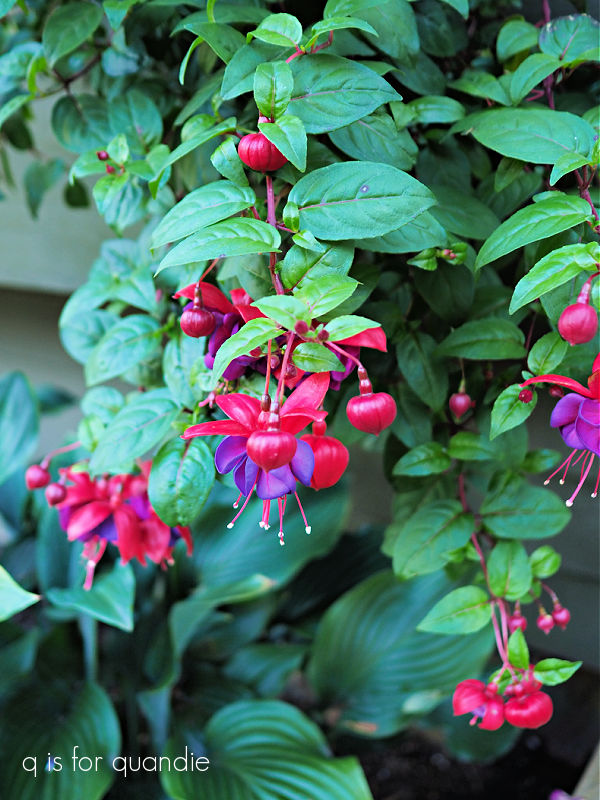
There was one exception, and that’s the fuchsias that I planted on either end.

They were still looking so good I just couldn’t bear pulling them out yet.

So I based my color scheme on keeping them in place, and I’m rather happy with how that turned out even though these aren’t your typical fall colors.

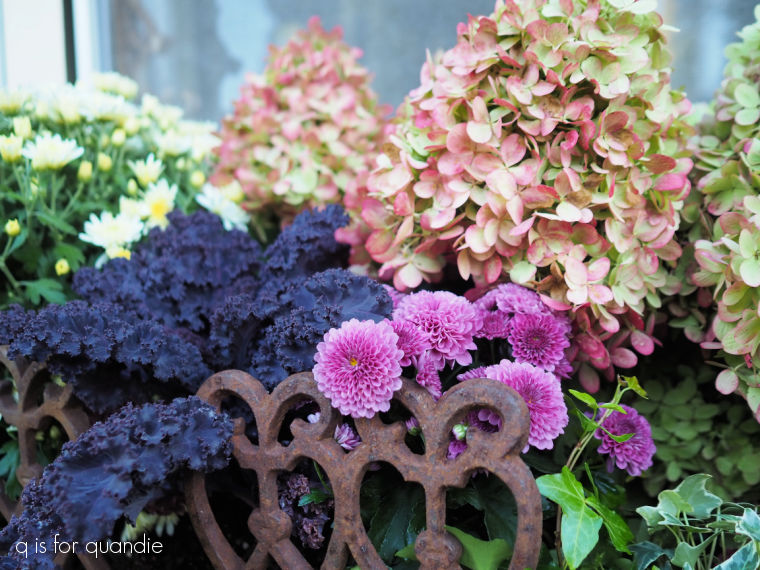
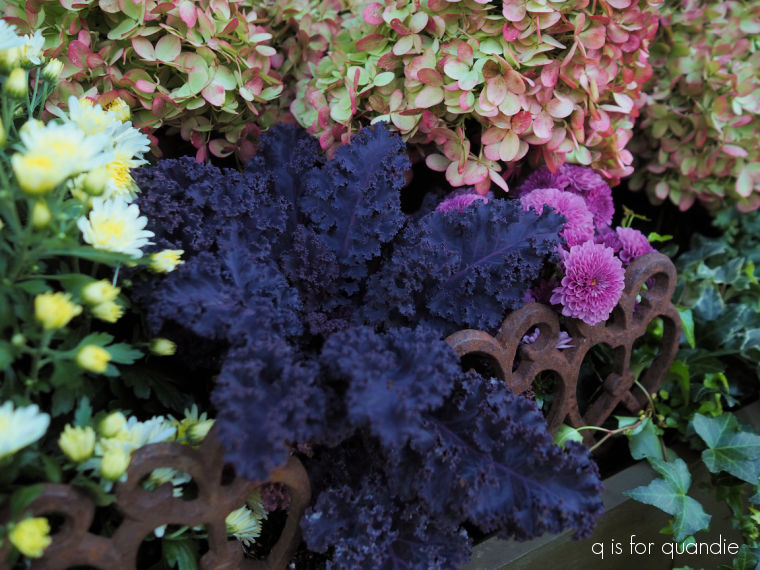
I used some purple mums, and a gorgeous deep purple ornamental kale called Scarletbor.

That color also plays off the color of the Northern Exposure heuchera that I have in the ground just below the window box.

I filled in the background with flowers cut from my various hydrangea bushes, and I pulled some ivy out of my other summer planters to use in the window box.  The ivy will handle a bit of cold, and I recently read that the fuchsias can also tolerate temps in the 30’s.  So I think these will do OK for the next month or so.

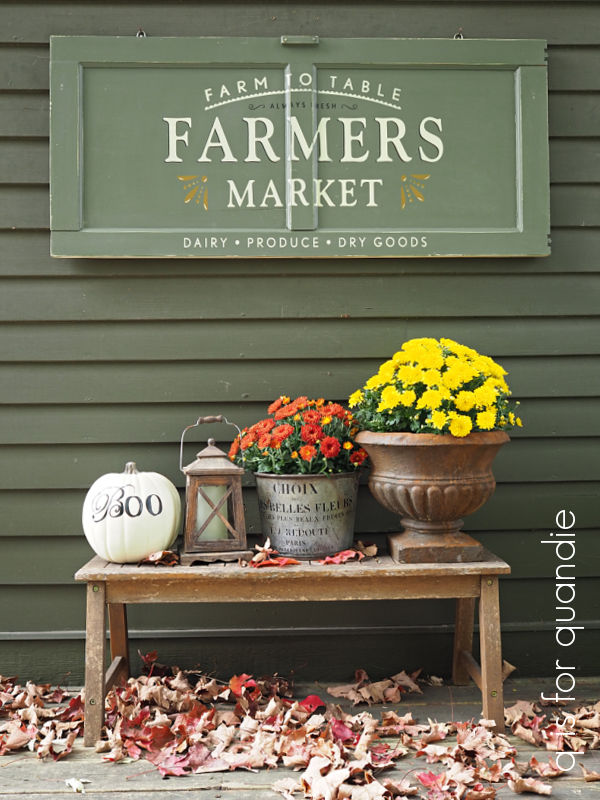
I flipped my Flower Market sign back over to the Farmers Market side for fall too.

The green is a little more muted on this side, and somehow Farmers Market always says fall to me.

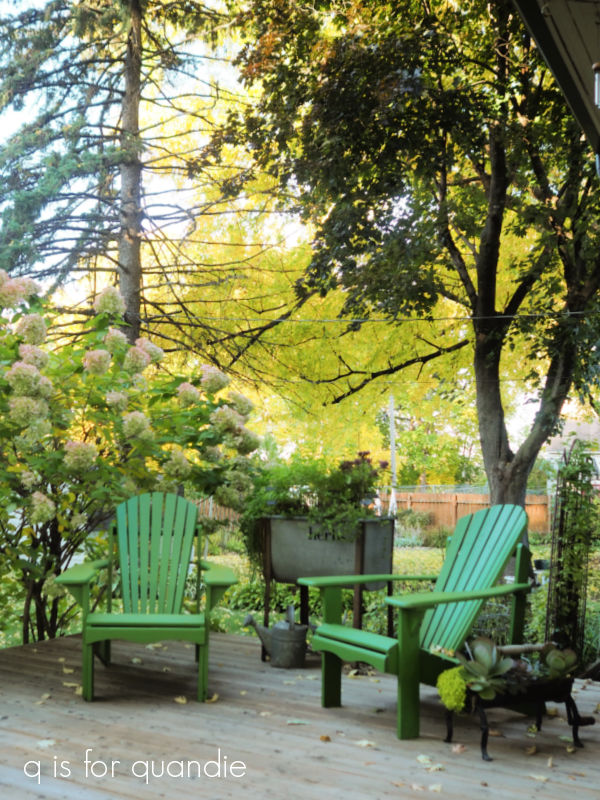
We’ve put away the patio dining set for winter, but we opted to keep the Adirondack chairs out until the snow flies.

It’s nice to have a spot to sit and enjoy our morning coffee while we still can.

I have one last spot in the fall garden to share with you this morning …

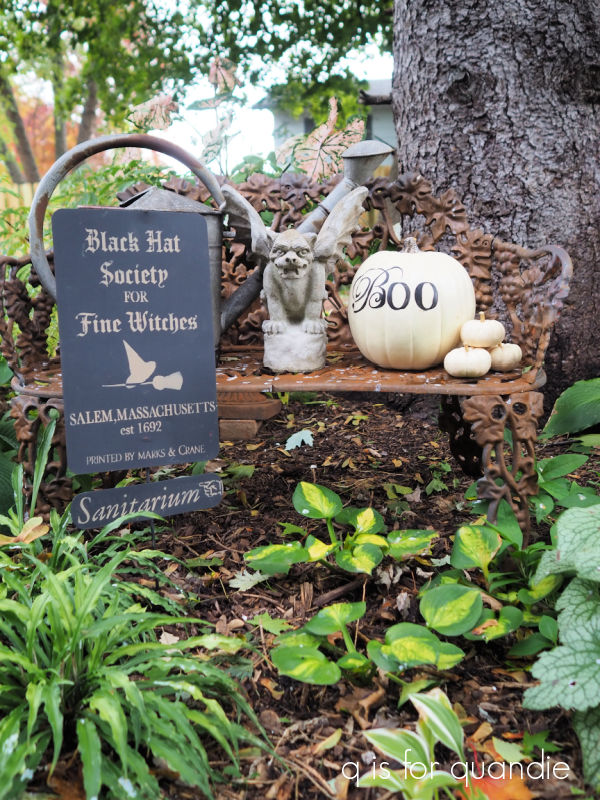
The fairy garden is decked out for Halloween.

OK, I hope you enjoyed this fall tour of my garden.  Now be sure to get out and enjoy those fall colors in your garden this morning!

tulipmania.

Good morning from the garden!

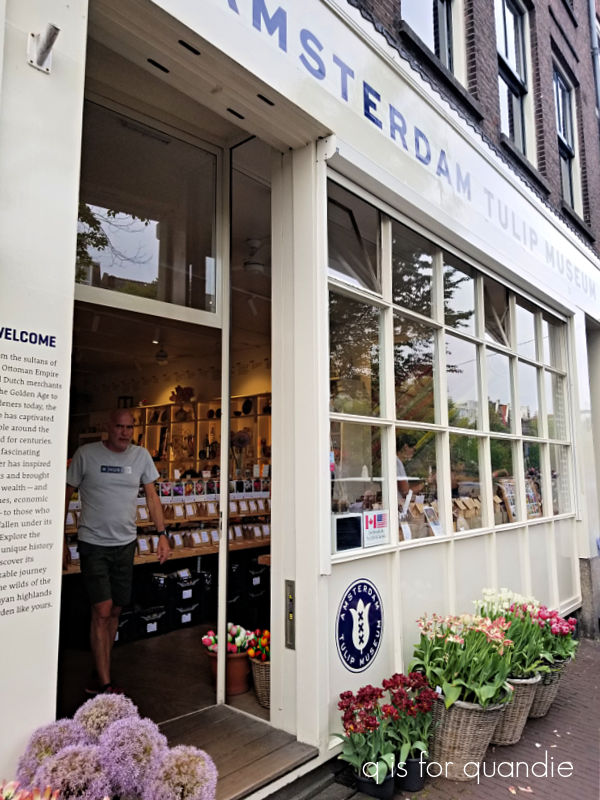
While in the Netherlands last month, Mr. Q and I visited the Amsterdam Tulip Museum.

Since it wasn’t tulip season, I figured this was probably about as close as I was going to get to seeing any tulips while we were in Holland.

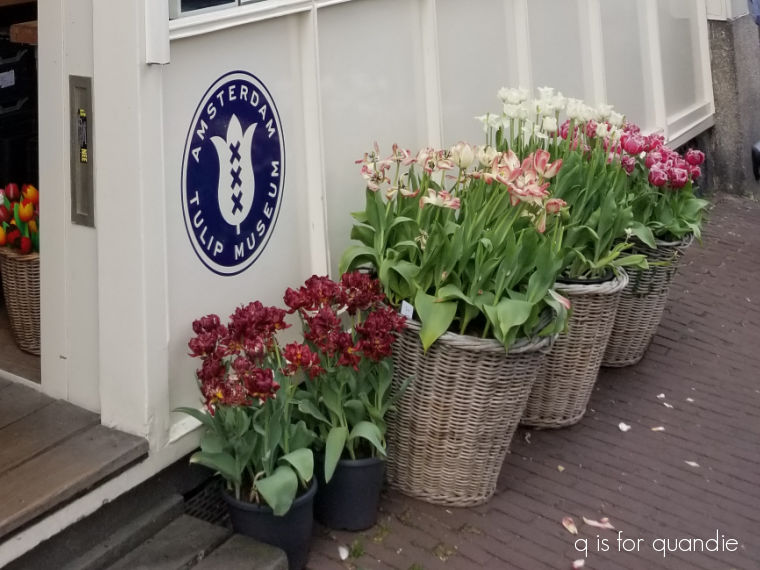
They did force some tulips to dress up the sidewalk …

but these are way out of season.  They also looked pretty sad.  It was an unseasonably warm day for Amsterdam, and I don’t think these tulips were enjoying the weather.  But I really appreciate that the museum went to the effort of providing blooming tulips for their guests.

The museum is fairly small and is located in a former canal house.  There are six rooms that explain the history of tulips starting with an exhibit on tulips in the wild.  Did you know that the tulip is not native to Holland?  It actually comes from the Himalaya Mountains in central Asia.

Room two explains that it was the sultans of the Ottoman Empire who first started collecting and displaying tulips in their palaces.

In the third room you’ll find out that tulips came to Holland around 1600.  During this period Dutch trade was flourishing and Holland was one of the richest countries in Europe.  Traders brought tulips back from their travels.

I’m rather fascinated by the story of Tulipmania that you can learn about in room 4.  In the mid-1600’s speculation drove the prices for tulips to ridiculous levels.  Supposedly at one point a rare tulip bulb sold for what would today be over 1 million dollars (check out this article at bbc.com to read more about it).

I was also interested to learn about broken tulips.  A broken tulip is one of the ones with a striped or flame-like coloration, like this …

That condition is actually caused by a virus infecting the bulb.  You can read more about broken tulips on the Tulip Museum website here.

Rooms 5 and 6 of the museum focus on commercial production of tulips and tulips today.  Did you know that tulip farmers cut the flowers off their tulips as soon as they are in full bloom?

They want to direct all of the plant’s energy into creating big, healthy bulbs.

I’m not sure I could do that job!

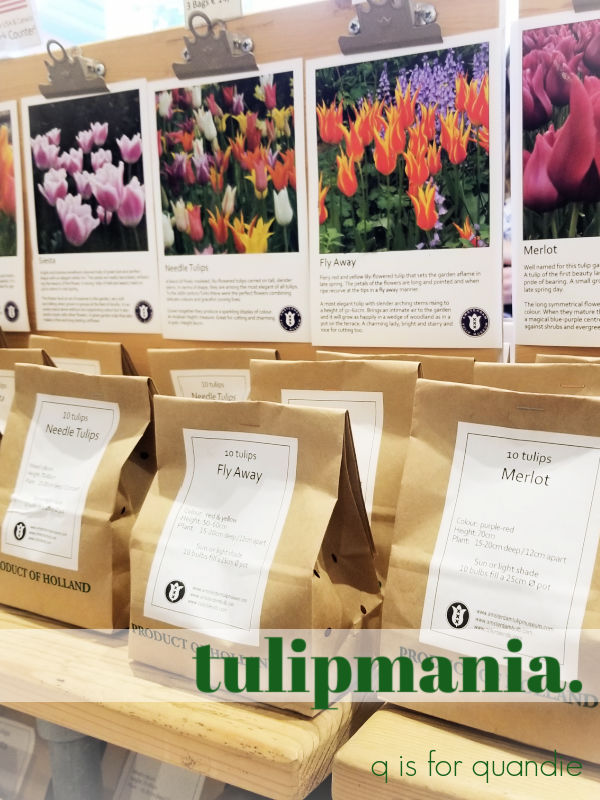
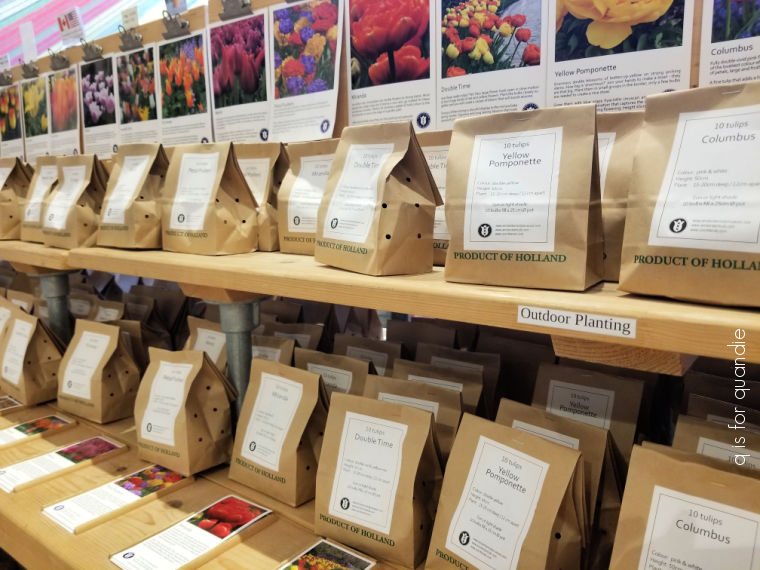
They had a fantastic selection of tulip bulbs on sale in the gift shop and it was fun to see the different varieties available.

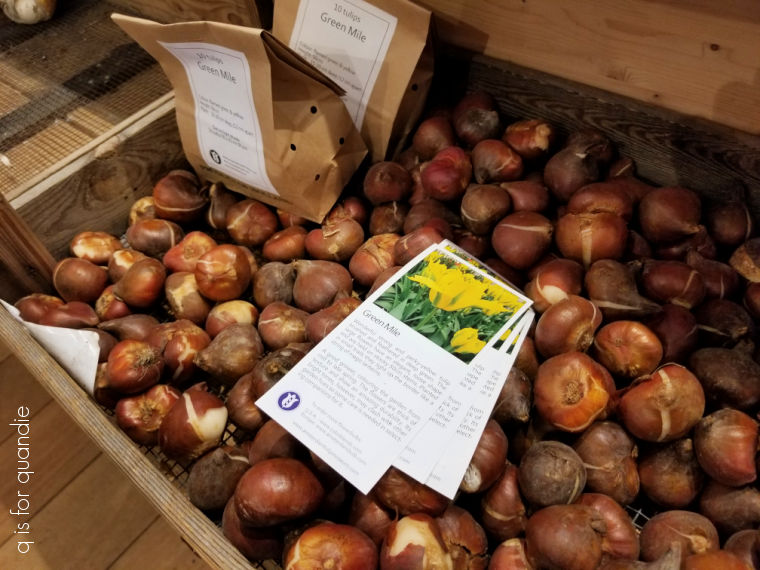
They had the Green Mile tulip, which apparently is a fairly new introduction.

I’m not sure this one would be my cup of tea though.

However, the U.S. limits which bulbs can be brought back into the country.  So I couldn’t have purchased these bulbs and brought them home anyway.  They did have a small selection of bulbs that were approved to bring back to the U.S., but there were only 3 or 4 basic varieties.

But that’s OK, I had already placed an order for my fall bulbs from Longfield Gardens earlier this summer.  And in fact, they were delivered while I was in Amsterdam.

I’m just waiting for the first frost before getting them in the ground.

This year I ordered more of the Darwin Hybrid Pink Impression tulips that I planted last year.  Even though I had to battle the deer to keep them from dining on my tulips, these were so pretty last year that I wanted more.

I also purchased some Double Sherborne Narcissus.

The benefit of daffodils is that deer don’t like to eat them.  They also tend to multiply over time, while not all tulips will do so.

Finally, I also ordered a bulb that is totally new to me, Leucojum Gravetye Giant.

I’ve read that they look like a giant lily of the valley, and also that they are deer resistant.

They are also another bulb that naturalizes (or spreads) easily.  They will grow in sun to part shade, and zones 3 to 9, so they should be hardy enough for my zone 4b garden.  I’m really looking forward to seeing how these perform for me.

How about you?  Are you putting in any new bulbs this fall?  Leave a comment and let me know.

rain, rain, go away.

Good morning from the garden!

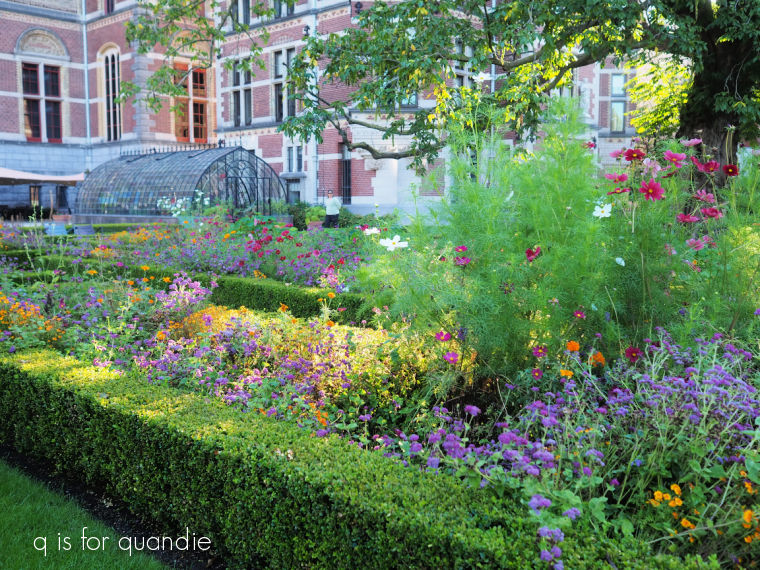
Today I thought I’d share some of the prettiest garden pics I took on our recent trip to Norway and the Netherlands.

First off though, I have to say that I didn’t take nearly as many photos on this trip as I usually do.  Why?  Well, I had this notion that rather than trying to get photos of everything I would just focus on being ‘in the moment’.

But you know what?  In hindsight, I think that was a mistake.  It turns out that photos are my way of remembering the experience.  Now that we’re home, I’m finding myself wishing I had taken more time to get good photos.  It’s certainly something I’ll keep in mind for the next trip!

But in the meantime, I still have a few pretty garden pics to share with you guys.

By the way, have I mentioned that it rained nearly every day of our two week trip?  As you saw last Sunday, it rained while we were touring de Hortus in Amsterdam.

And the rain continued to follow us throughout our trip.  That may have been part of the reason I didn’t get so many photos as well.  It’s tricky to wrangle both an umbrella and a camera, especially when your camera really requires two hands to operate properly.

We did get some sunny weather in Amsterdam, and the sun peeked out from the clouds eventually during our visit to Kristiansand.

But the rest of our Norwegian ports of call were full on rainy.

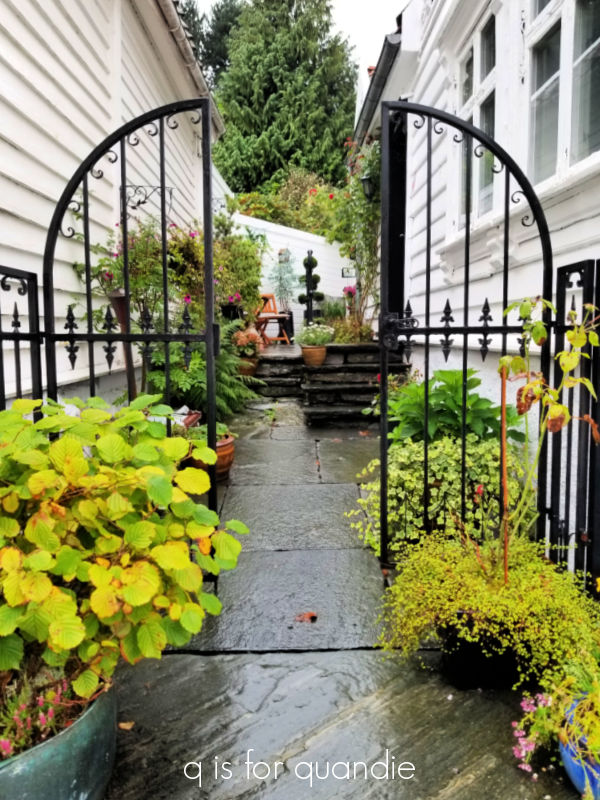
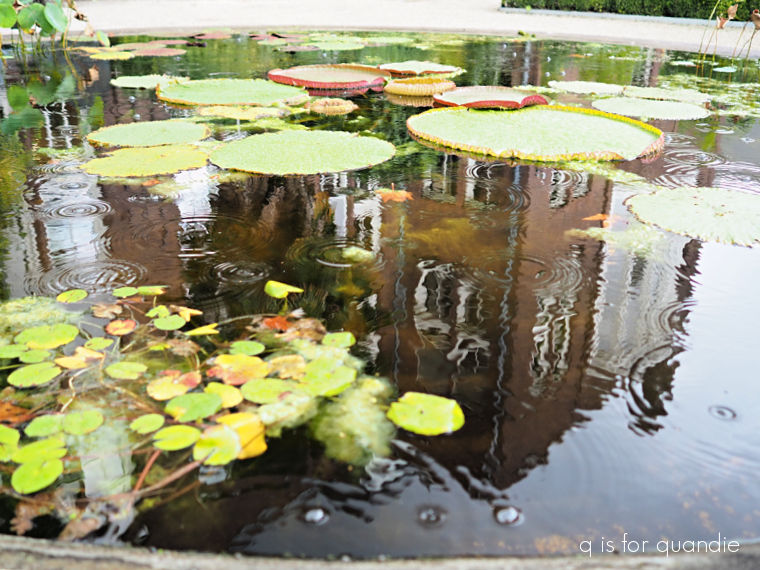
But no matter, things look pretty in the rain too.

And we were prepared with rain jackets, hats and umbrellas.

That being said, we did give up on walking around Oslo earlier than we might have on a sunny day when it really started coming down.

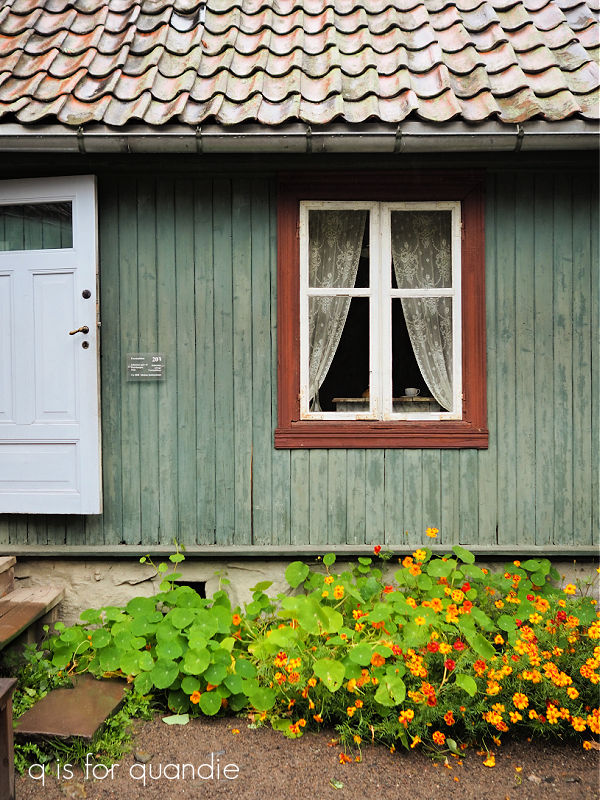
Aren’t those nasturtiums pretty?  I used to plant those in my early gardening days.  Mainly because you can fill in a big chunk of space for the cost of one packet of seeds.  I may have to consider planting them again next year.

Autumn is probably not the best time of year to be touring gardens.

It certainly wasn’t the right time if one wanted to see tulips in Holland.

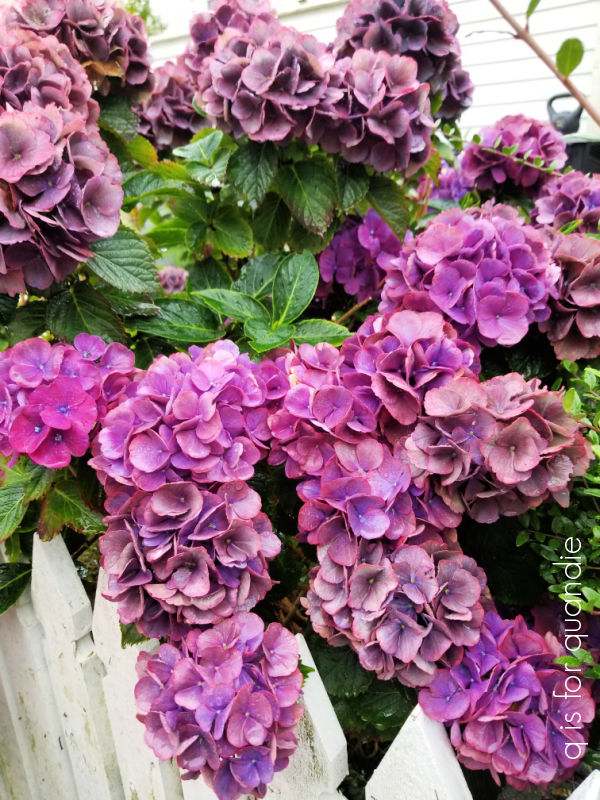
But it was an awesome time to see the hydrangeas.

Apparently even gardeners in Norway can grow magnificent macrophylla hydrangeas.

I’m so jealous!

Holland had their fair share of hydrangeas too.

For the most part, other than those macrophylla’s, the plants in Northern European gardens were very similar to what we can grow in Minnesota.

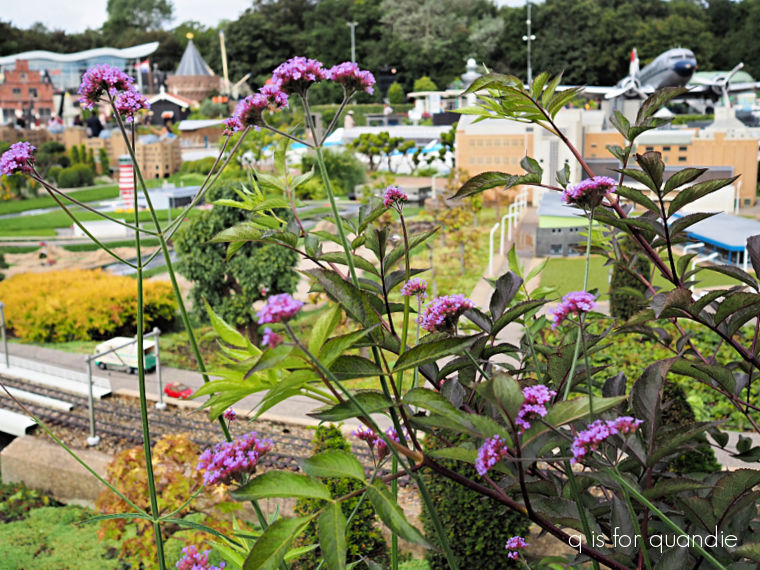
Including lots of cosmos, zinnias, dahlias, salvias, and my new favorite, verbena bonariensis.

I saw tons of verbena bonariensis everywhere we went.

It looks like butterflies like it as much as I do.

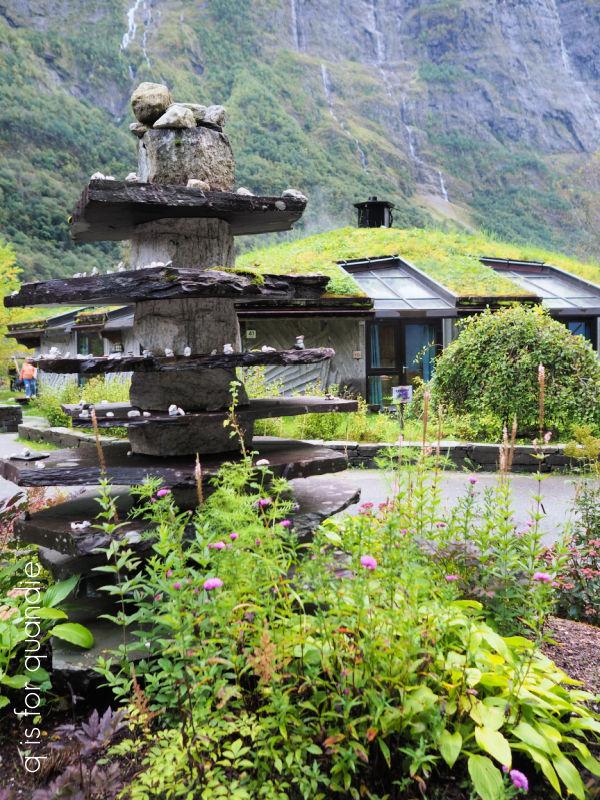
I even found it deep in the valleys of Norway.

You may remember that I searched high and low for that plant this summer and eventually found it at Abrahamson’s Nursery in St. Croix Falls, Wisconsin.

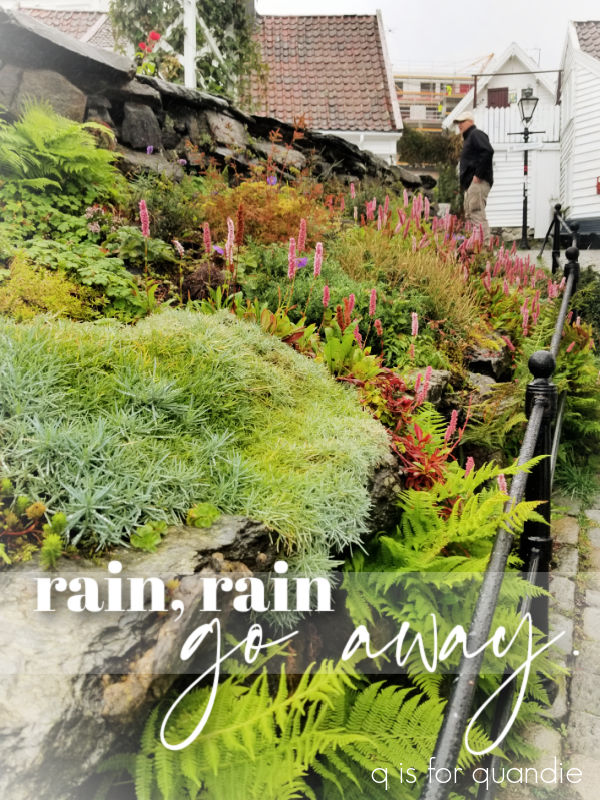
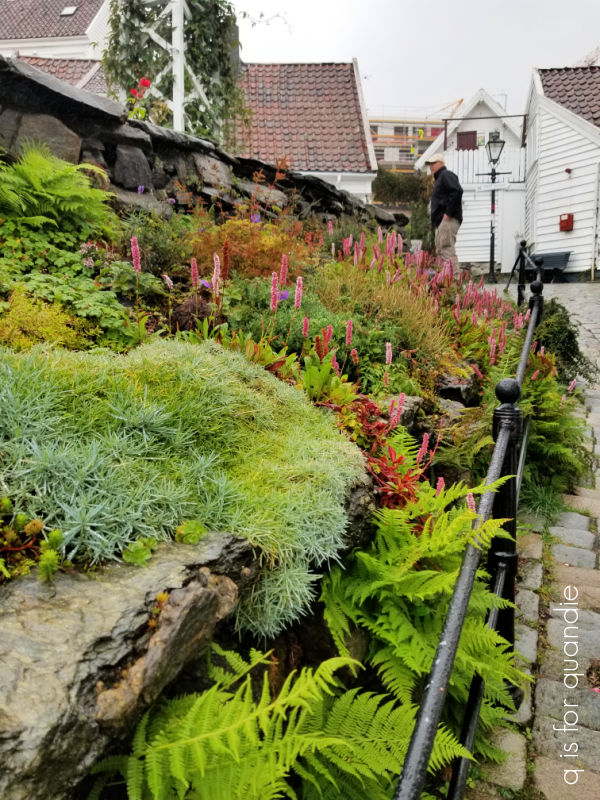
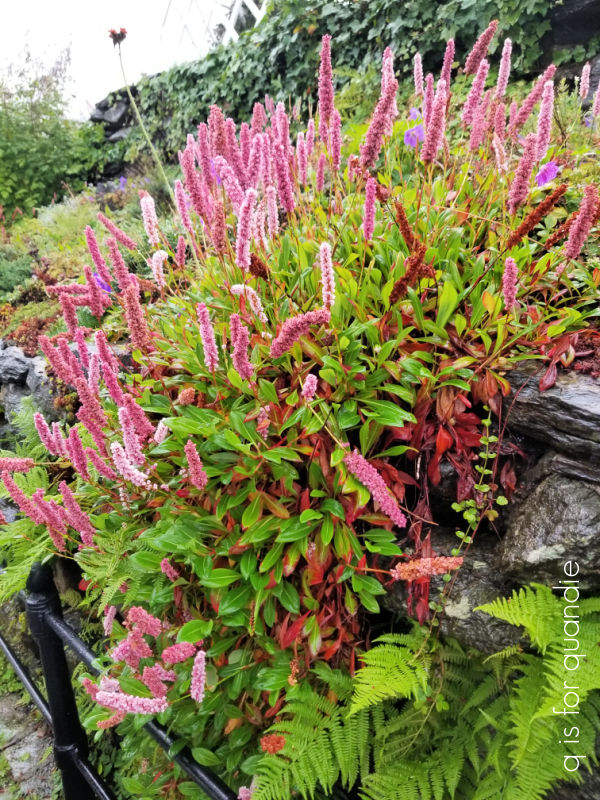
Another plant that I’ve been hearing about lately, and one that I want to find to add to my garden next year is Persicaria.

At least I’m fairly sure that is Persicaria (if any of you know differently, please leave a comment).

Despite all of the rain, I thoroughly enjoyed seeing pretty plants everywhere we visited during our trip.  One of these days I’d love to take a garden themed tour of Great Britain.  How about you?  Are there any garden destinations on your bucket list?  Leave a comment and let me know.
 

de hortus.

Good morning from the garden!

I’m finding that my garden needs a bit of work this morning after being neglected for nearly three weeks spent first traveling, and then recovering from covid (we did recover pretty quickly, thanks for all of your well wishes).

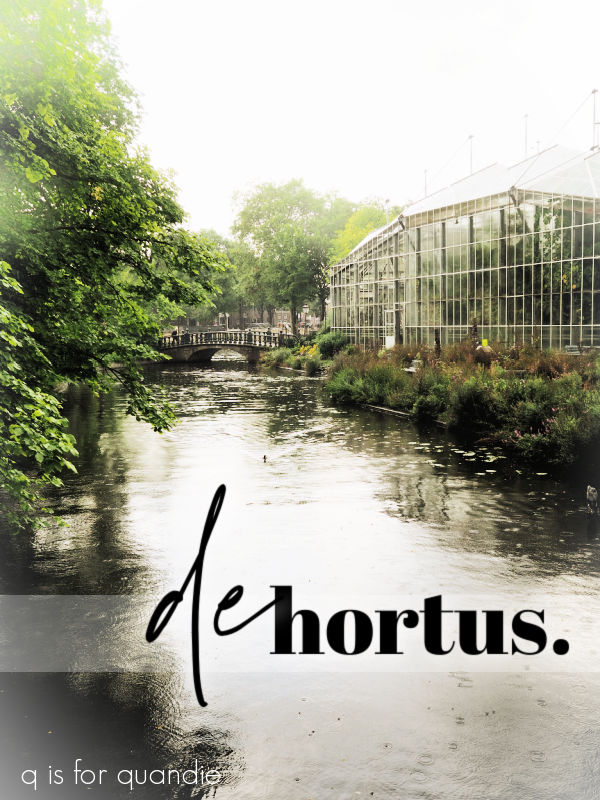
Since my own garden is not nearly in ‘blog-worthy’ condition at the moment, I thought I’d share my recent visit to Hortus Botanicus Amsterdam (or as the locals call it, de Hortus) this morning instead.

Like any good gardener, I always try to check out any local botanical gardens when I travel.  While researching for this trip, I was excited to learn that de Hortus was only about a 20 minute walk from our hotel in Amsterdam.

We had set aside some time on our first full day to check it out.  I’m lucky that all of my traveling companions were willing to humor me and visit a botanical garden for a couple of hours.

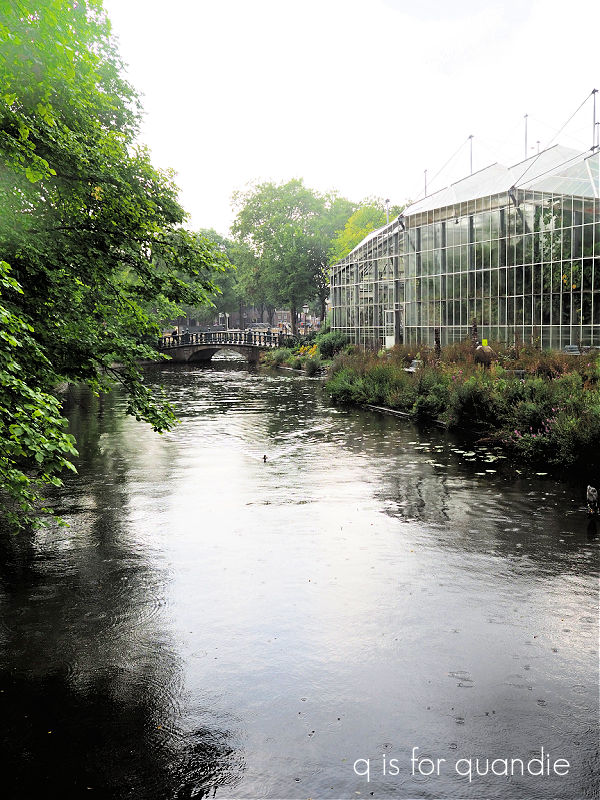
Rain had been holding off for most of the earlier part of the day, but sure enough, nearly as soon as we got to the entrance the skies opened up.

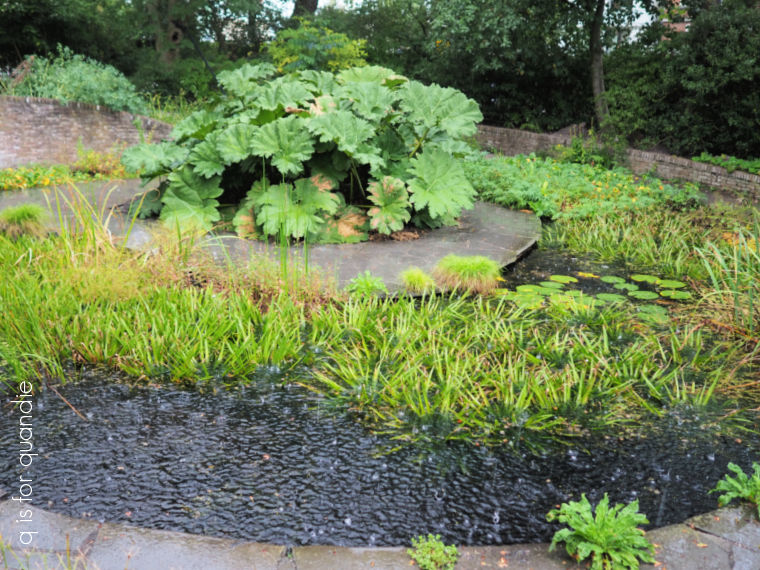
So it maybe wasn’t the best time to be viewing the gardens.  Then again, sometimes I think gardens are prettiest in the rain.

It also was not exactly the best time of the year if one is hoping to see lots of flowers.  But then, that sort of mirrors my own garden.  I focus much more on plants grown for their foliage, rather than for flowers.

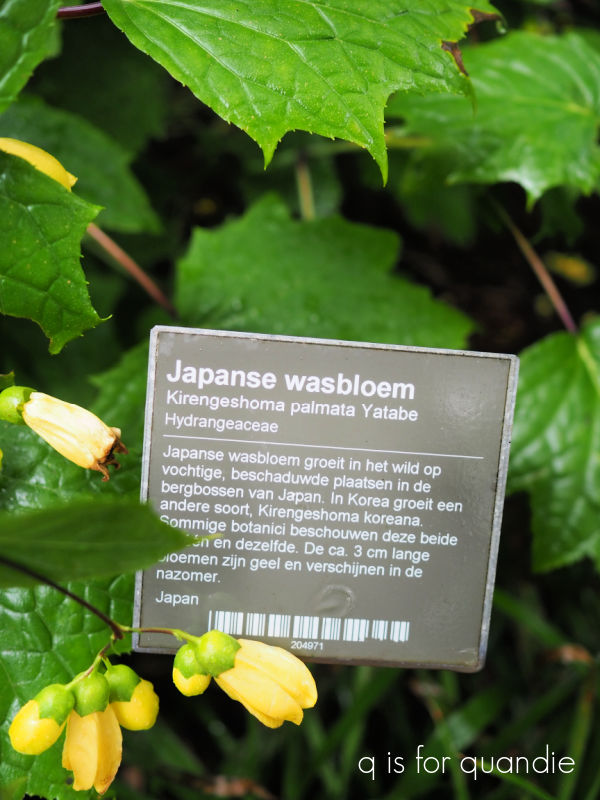
But that being said, there were a few things blooming, like this … hydrangea??

All of the plant signage was in Dutch, so it took some creative translating (sometimes with the help of google) to figure out what the plants were.

I was surprised to read that this plant is in the hydrangea family, since the flowers look nothing like any hydrangea that I grow.  Apparently in the U.S. we typically call this Yellow Wax Bells and it is good for zones 4 to 8, so I could put this in my own garden.  The University of Wisconsin-Madison says that it’s a good addition “to the back of larger shaded beds or borders or in woodland gardens,” and I just so happen to need a plant for those exact conditions in front of my new section of fence in the fern bed.  Hmmmm.  I wonder if I can find it anywhere?
The Hortus isn’t really about flowering plants though.  It was founded in 1638 and is steeped in history.  It was originally developed during the time of the plague to grow plants for medicinal purposes.  These days they have specimen plants from all over the world, many originally brought back by members of the Dutch East India Company.

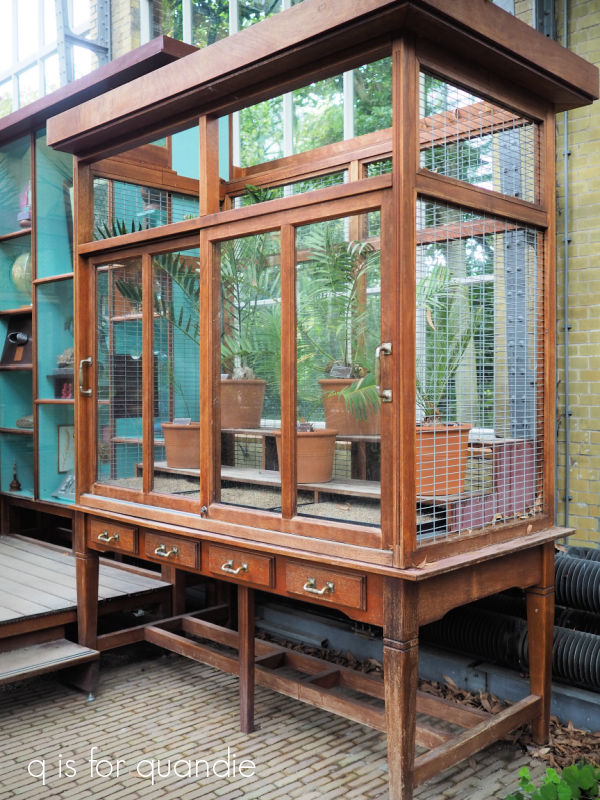
I had to laugh when I walked into their three-climate greenhouse though.

Surely I didn’t go all the way to Amsterdam to see the plants that grow in my mom’s backyard, lol.

They also have a sub-tropical and a tropical section of that greenhouse, and there is a really cool catwalk that you can go up to and walk around in the tree tops.

Sidebar note; Mr. Q and I watch a BBC show called Van Der Valk, which takes place in Amsterdam.  While recovering from our covid last week, we got caught up on the most recent episodes available from Masterpiece Theatre.  We were having fun trying to spot locations that we recognized, and there were a few!  But I was especially tickled when the victim in one episode was pushed off the catwalk in de Hortus!

Fortunately, no one fell to their death during our visit.
The Hortus Botanicus is a bit on the small side at right around 3 acres, especially when compared to the ginormous Minnesota Landscape Arboretum (1,200 acres) that I’m used to, but it was the perfect size for the limited time we had.  It was a peaceful respite from the otherwise quite crowded city surrounding it.  It’s in the Jewish Quarter of the city centre, only a five minute walk from the Rembrandthuis Museum, and quite near the Holocaust Memorial.
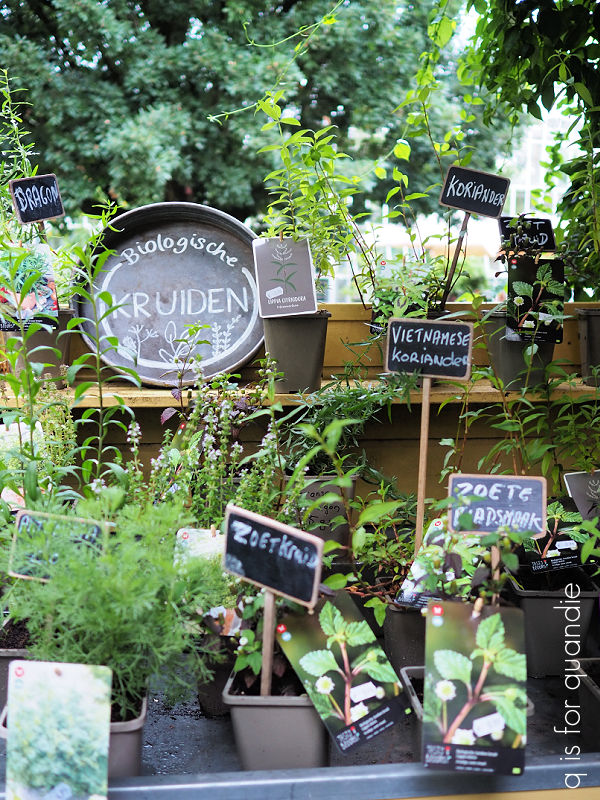
I have to admit, I think my favorite spot in the whole place was the plant area of the gift shop.

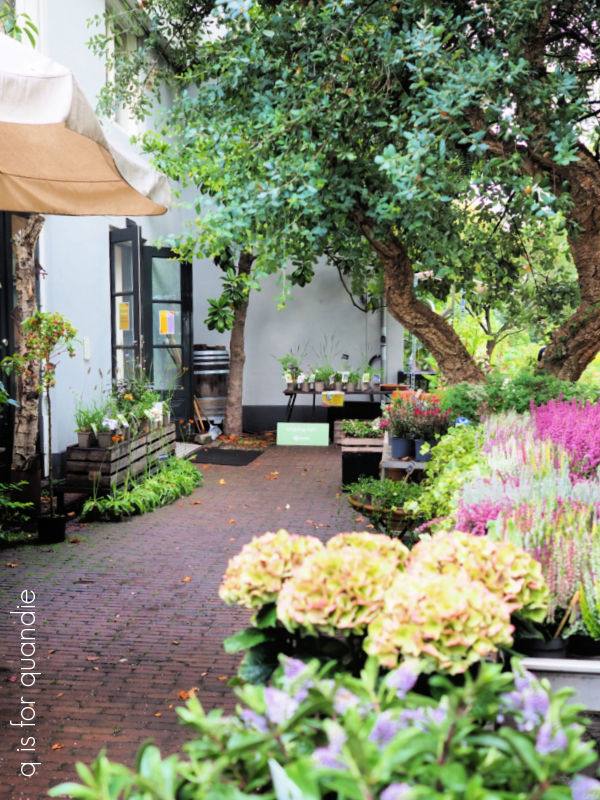
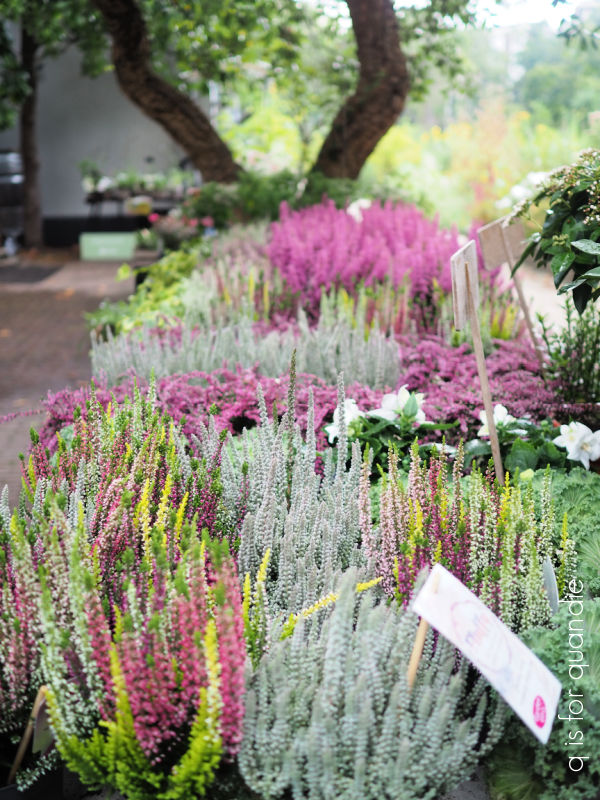
It was just so darn charming.

If only I could have brought some plants home with me!

But no, I’ll make do with bringing home some pretty pictures and some wonderful memories instead.

And now I’d better get back out into my own garden and start tackling three weeks worth of weeds!  But before I go, tell me, have you been to de Hortus?  Or any other fabulously foreign botanical gardens?  Leave a comment and let me know.