a winter garden tour.

Good morning from the garden!

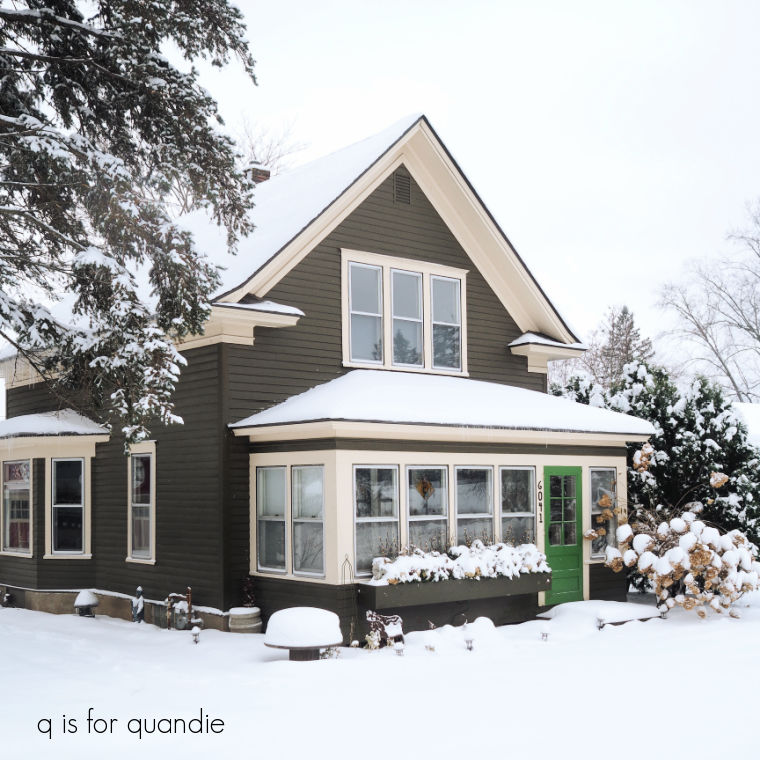
Brrrrr!!  It has been cold here!  Sub-zero temps in December are not my favorite.  However, we had some really beautiful snow earlier this week, so I thought some of you might enjoy a tour of the winter garden.

So bundle up, grab a hot beverage, and let’s go!

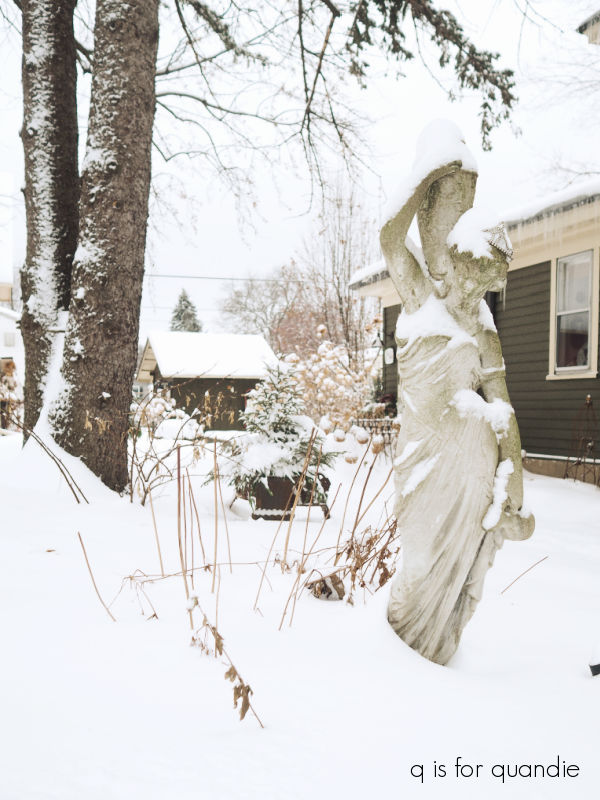
Cossetta (my statue) has her feet buried in snow, but it’s not quite above her knees yet.

Here she is in January 2023 when she had snow up to her waist!

Will we get that much snow this year?  I don’t know, but we’re off to a good start.

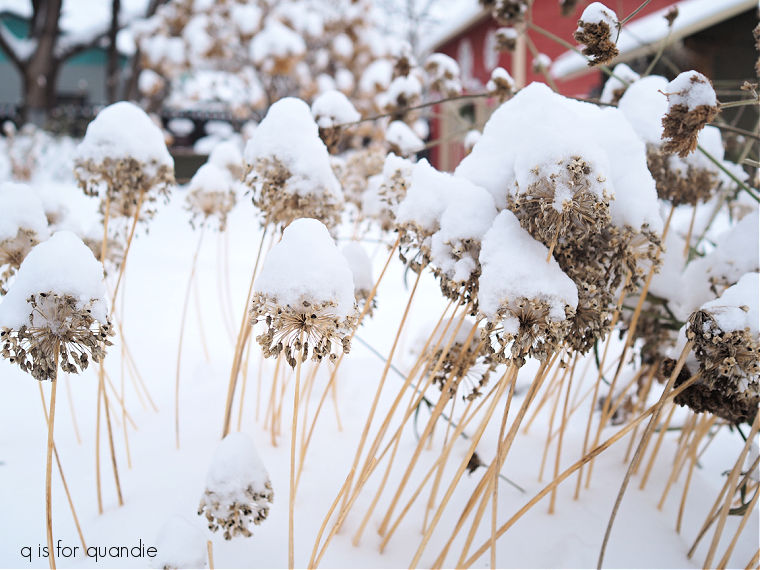
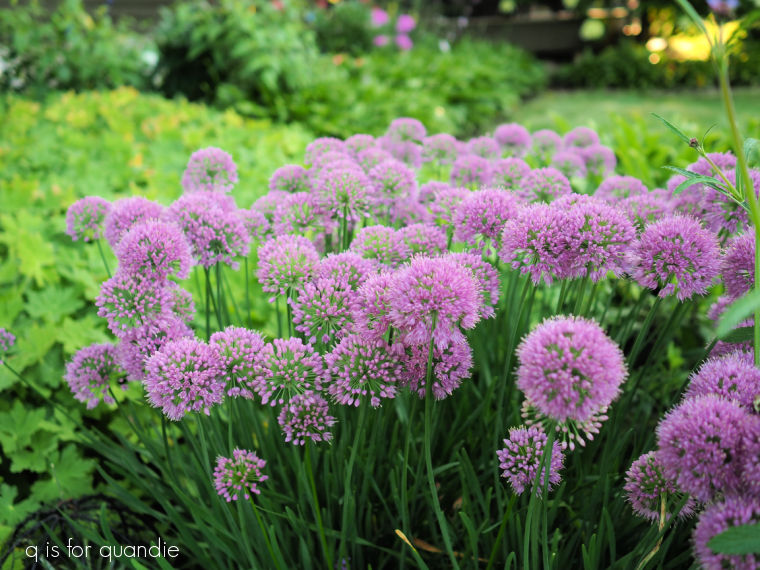
Most of the plants that I left standing in the garden have been buried in snow already, but for now the allium is still standing.  I like how the snow looks like little pointy caps on their heads.

If we get much more snow, they will eventually end up buried as well though.

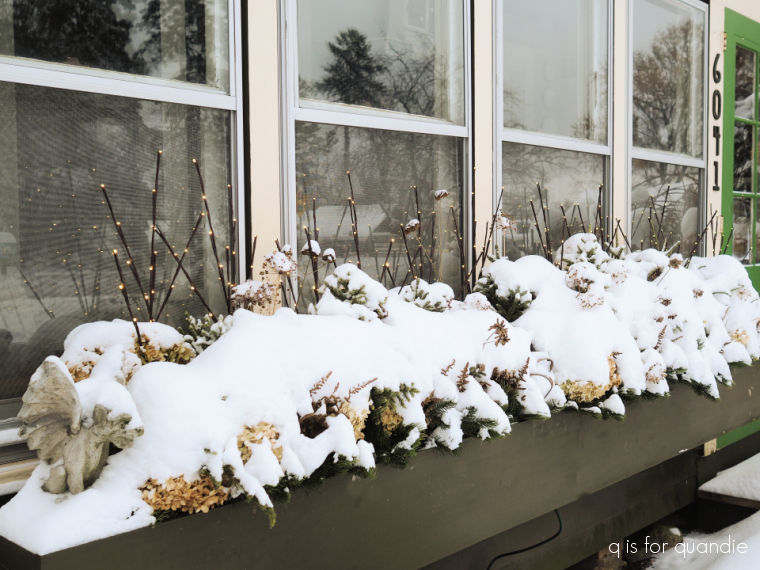
Speaking of buried, sometimes I’m not sure why I bother with winter window box arrangements when they will just end up covered in snow.

Then again, you never know.  Last year we barely had a dusting of snow by Christmas, so I was able to enjoy my winter window boxes much longer.

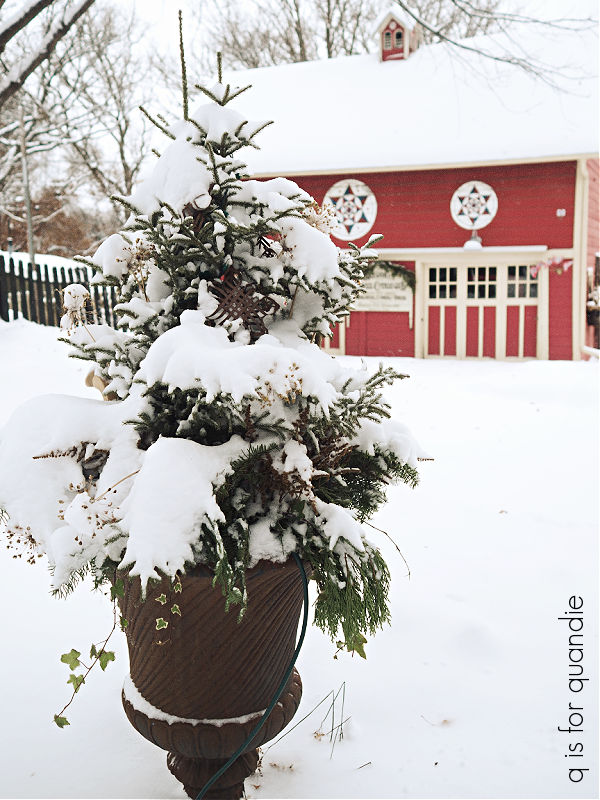
Besides, the spruce tips do look pretty covered in snow …

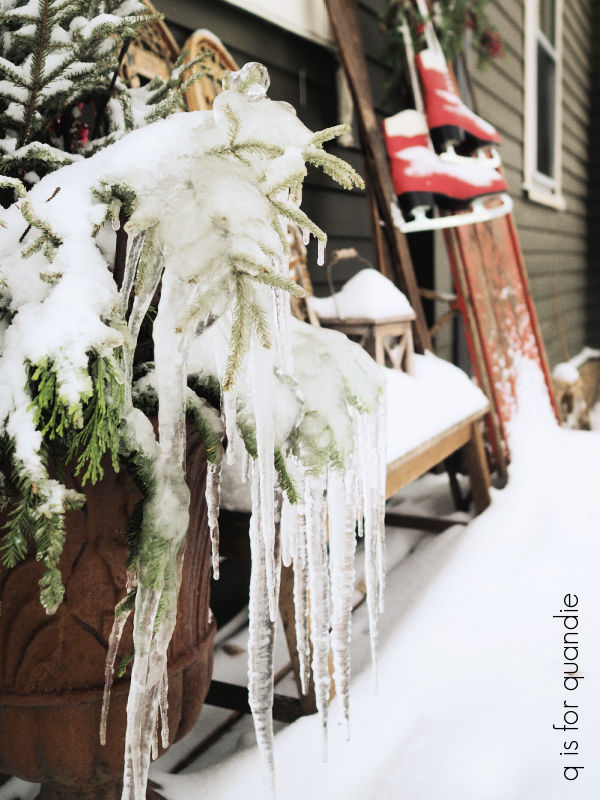
and even in icicles in some cases.

If you remember my post about these winter arrangements, you might be wondering if the ornamental kale and the heuchera that I kept in place are surviving.

I was hoping they would at least last through Christmas, but again, I never expected sub-zero temps this early in the season.  So the answer is no, they didn’t even survive much past Thanksgiving.

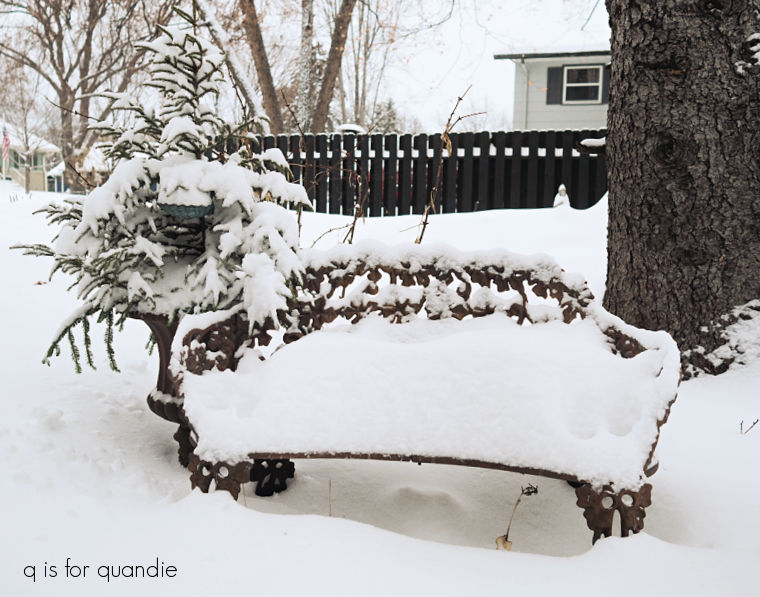
We had a bit of wind with this snowfall, so some areas drifted more than others.

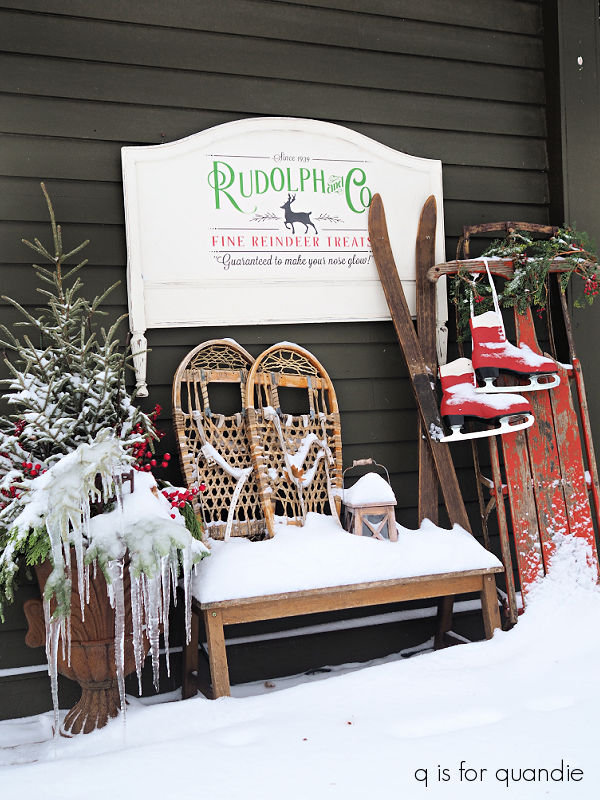
I’m glad I didn’t leave my red and white skates on the bench because they would definitely be buried.

They are still looking good hanging from the chippy sled though.

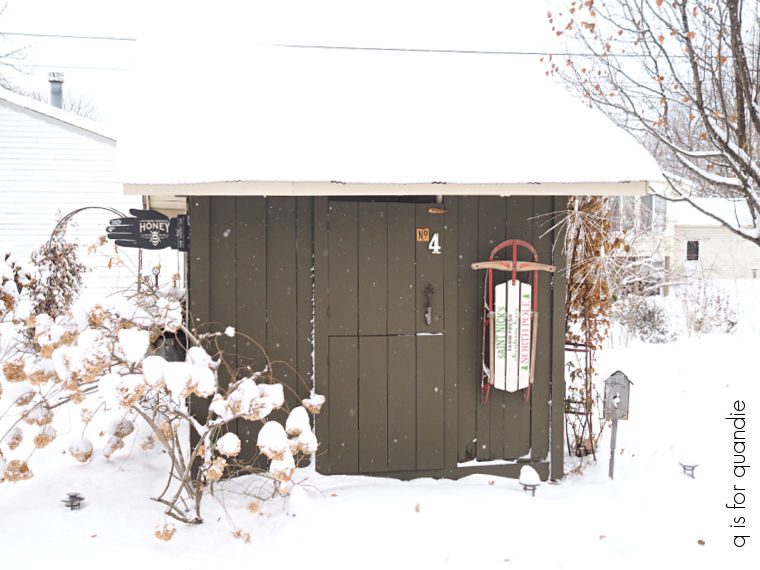
The potting shed is looking festive.

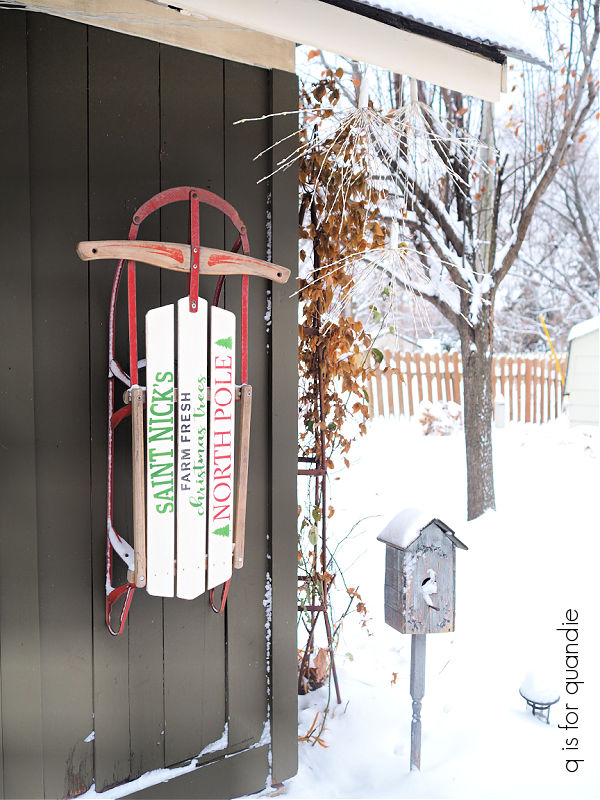
I’ve hung one of my sleds beside the door, and although you can’t see them very well in that photo, I have some star burst lights hanging from the roof on the right.

They do a good job of lighting up the garden after dark.

I had grandiose plans of putting a Christmas tree inside the potting shed this year, but I let it go too long and now it’s far too cold to be out there setting up a tree.  Maybe next year?

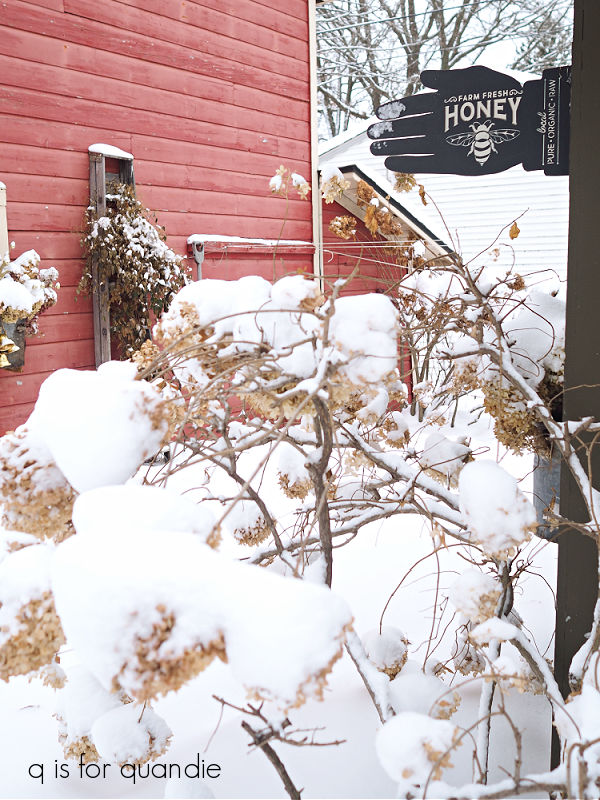
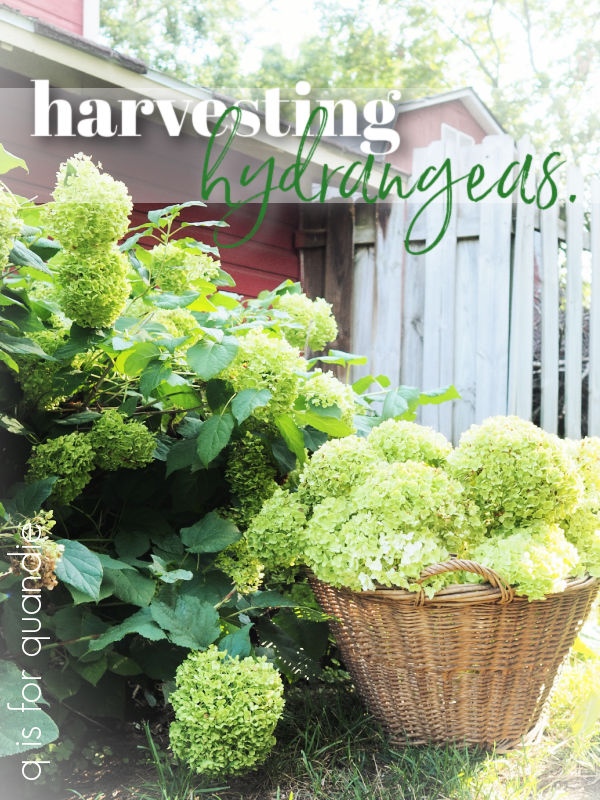
Even though I cut quite a lot of my hydrangea flowers to dry this year, there are still plenty left.  I like to leave them in place for the winter to add some interest to the garden.  They catch the snow quite nicely.

Especially the large Limelight hydrangea to the right of our front door.

It ends up looking like a snowball bush!

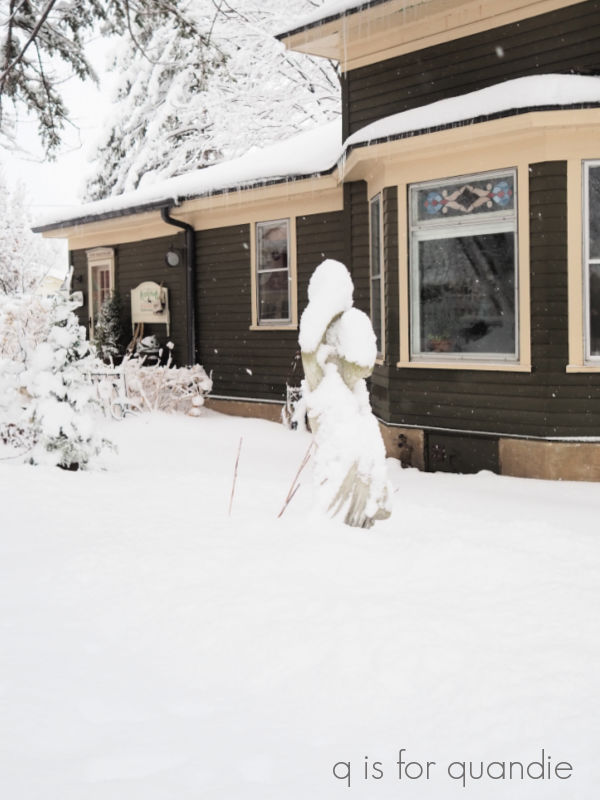
As always, the carriage house provide a festive pop of red in a snowy landscape.

It’s definitely looking like we’ll have a white Christmas this year.

Now it’s time to head back inside to warm up with some hot cocoa.  But how about you?  Have you had much snow where you are?  Leave a comment and let me know.

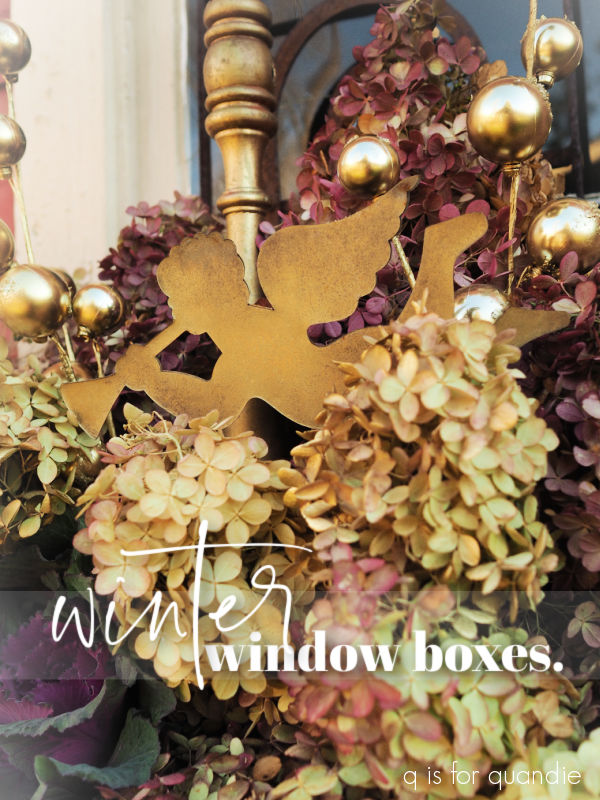
winter window boxes.

Good morning from the garden!

You may remember that a couple of years ago I made the mistake of not cutting and drying any of my hydrangeas before they turned brown.

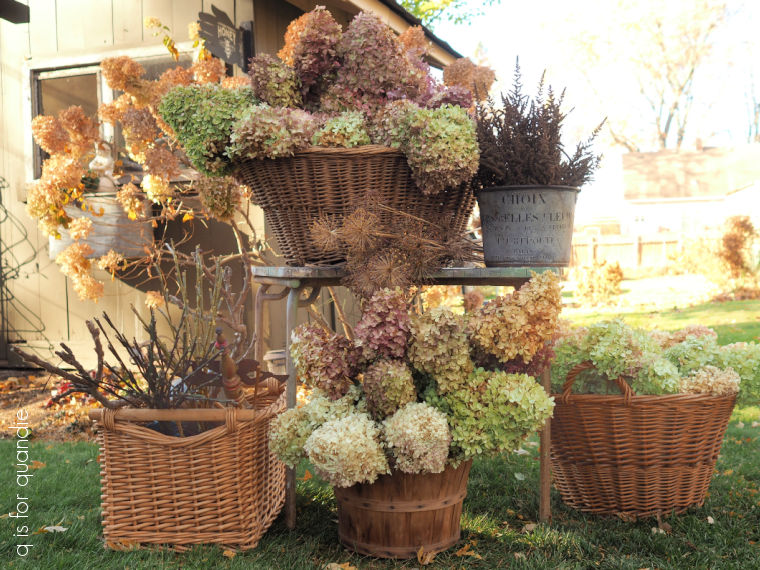
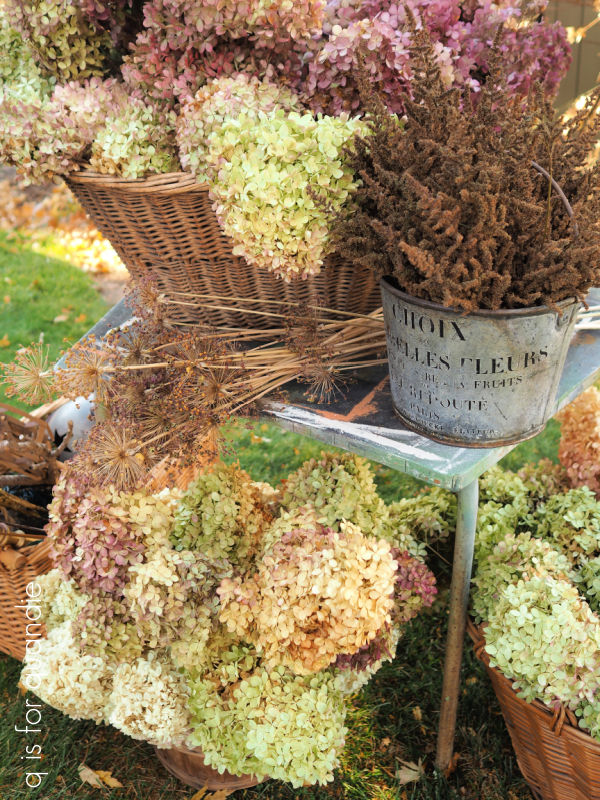
Well, I definitely did not make the same mistake this year.  I had bushels and bushels of hydrangeas drying in the carriage house and in the potting shed.

  I also dried more allium and astilbe flowers this year.

So a week or so ago when we had an unseasonably gorgeous day, sunny and a high of 70°, I took advantage of the beautiful weather and put together my winter window box arrangements.

Honestly, it’s lucky that I have so much dried material to work with because I have a lot of containers to fill outside.  I usually put arrangements in both of my galvanized boiler ‘window boxes’, my two rusty planters at the back door, one or two rusty planters in the shade garden, and my ginormous window box on the front of the house.  If I had to buy everything to fill all of those each winter it would cost a fortune.

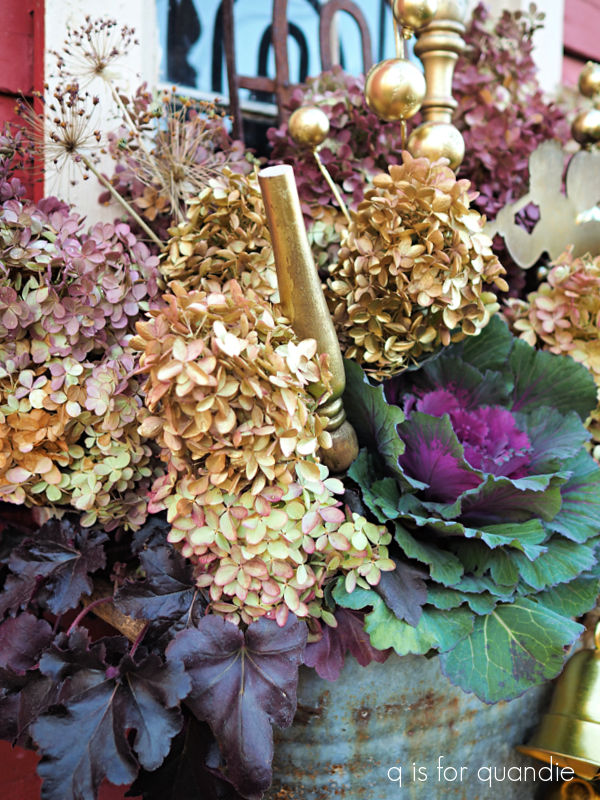
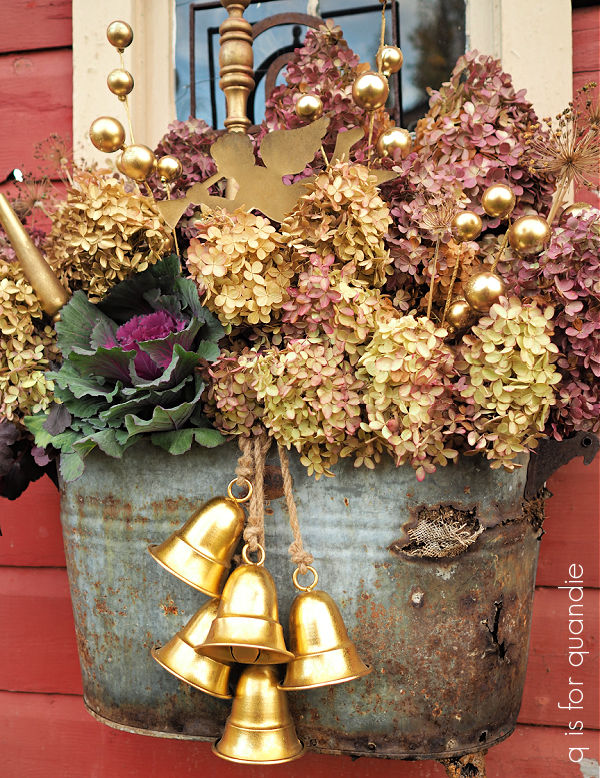
I started with the galvanized boiler window box on the carriage house.  I had done a fall arrangement in that one right before my sale, and although the mum I used had totally bit the dust, the ornamental kale and heuchera still looked pretty good.  So I decided to leave them in place.

The kale can handle temps down to around 5°, so hopefully they will last through Christmas.  In case you are new here, I garden in zone 5a in a suburb of St. Paul, MN.  So yes, we’ll definitely get colder than 5° over the course of the winter.  Eventually they will start to look pretty sad.  As for the heuchera (dark purple foliage at bottom left), so far it seems to handle a bit of freezing weather as well (we have had lows in the 20’s already).

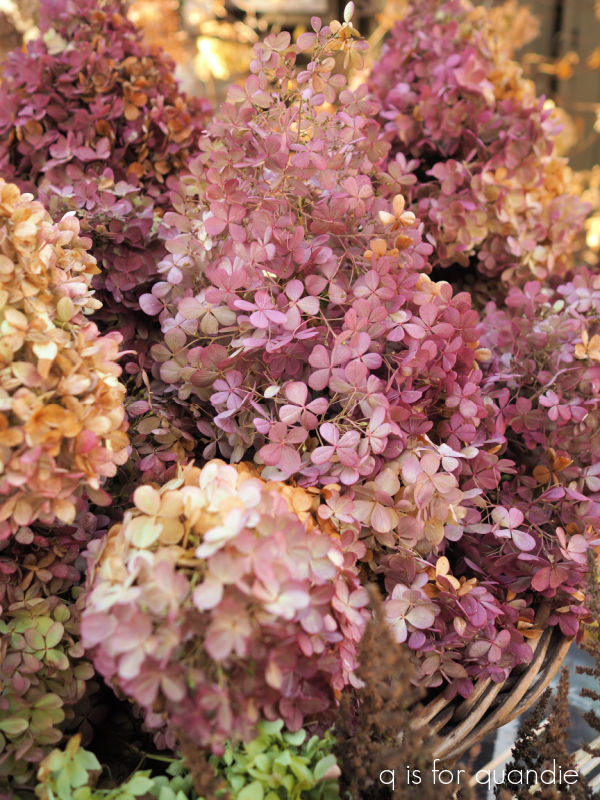
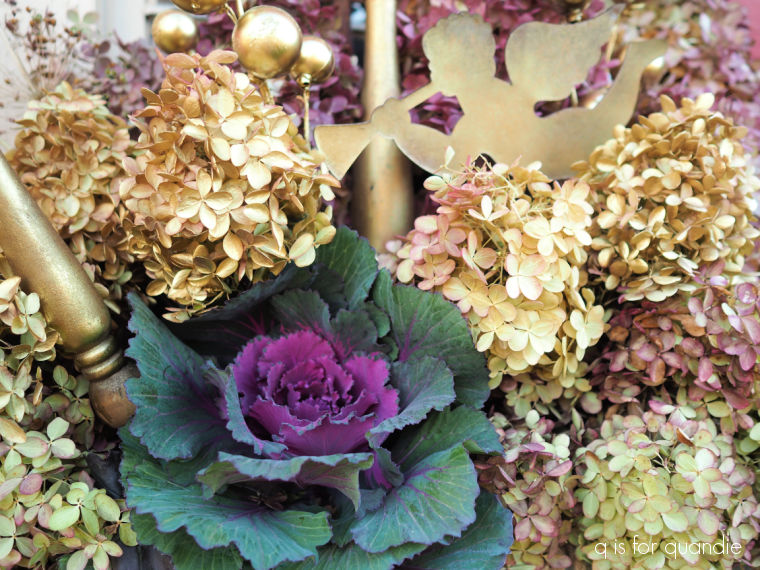
Since I was keeping those deep purple shades, I decided to use the Vanilla Strawberry dried hydrangeas because they dried to nearly that same color this year.

In case you aren’t familiar, the flowers on this variety start out white and then slowly turn  more and more pink as they age.  I waited longer to harvest them this year, so they were pretty dark when I cut them.

After filling in the back of the planter with the Vanilla Strawberry, I used some of my dried Little Lime  flowers in the front.

I then decided to embellish it all with some touches of gold including that bunch of gold bells that I picked up at last year’s Bachman’s after-Christmas sale.

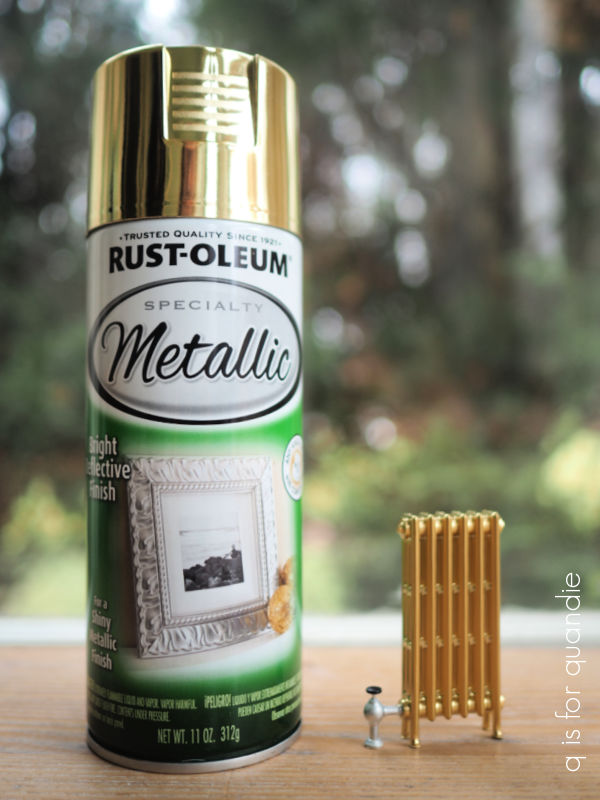
The sprigs of gold balls that I used were initially way too bright for my arrangement, so I sprayed them with some of the Rust-Oleum metallic paint that I had on hand.

I also sprayed a few of my Quick Fire Fab dried hydrangeas and popped them in here and there.  You can see the gold on the hydrangeas much better in person than you can in photos though.

You may remember that I did that last year for my front window box too.

They didn’t hold up all winter, but they did make it through Christmas.

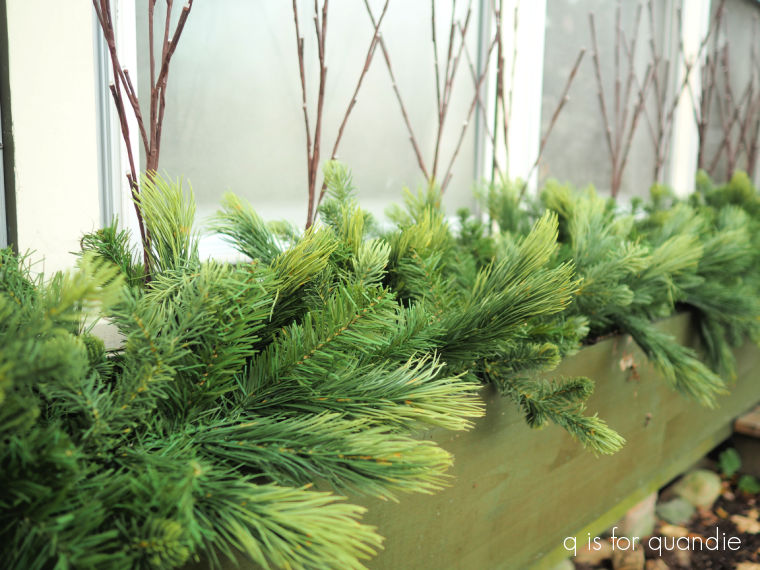
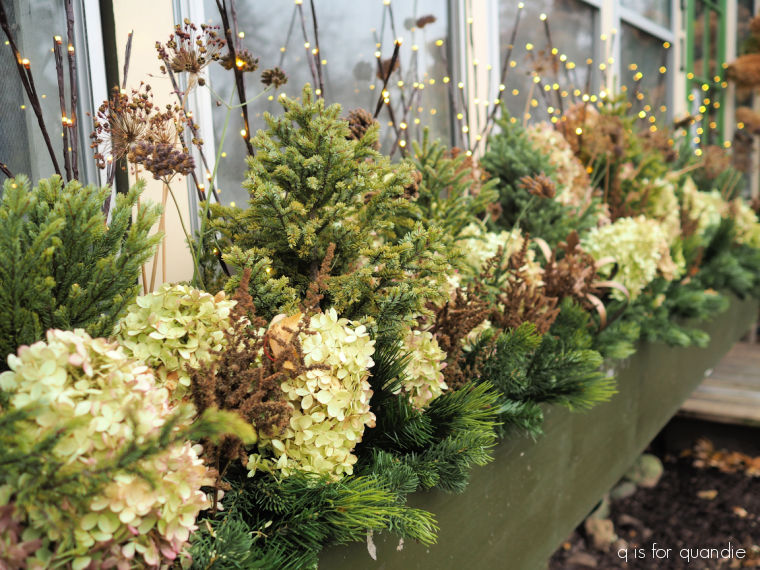
I kept the front window box super basic this year.  I started with a base layer of faux evergreen garland and my twig lights

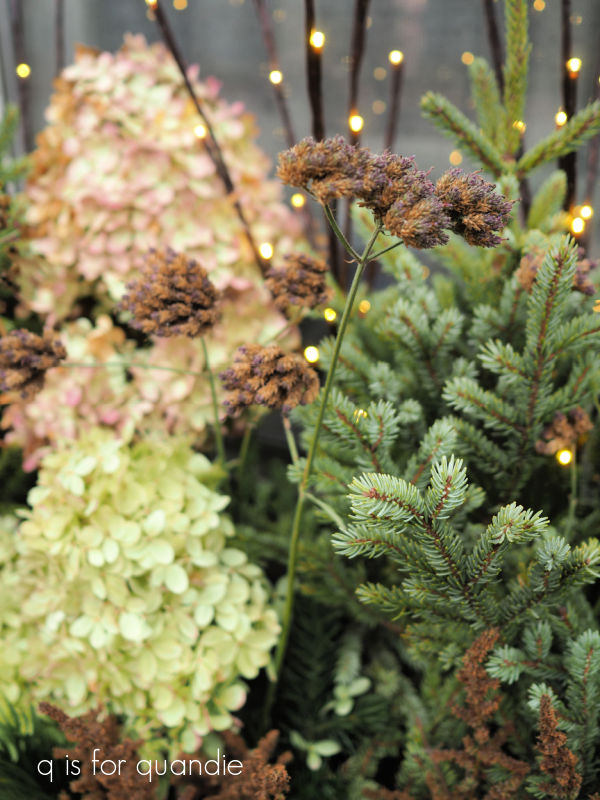
Then after adding some spruce tips from Home Depot, I just filled in with dried hydrangeas, astilbe, and allium.

I also found that my verbena bonariensis dried quite nicely on its own, so I cut some and used it too.

This is definitely a more subdued look than some I’ve tried in the past, but I like it.

I did use some more traditional holiday colors on our deck.

Now all we need is a little snow to brighten things up a bit!

How about you?  Do you decorate outside for winter?  Or do you try to hibernate as much as possible?  Leave a comment and let me know!

should I throw in the towel?

Good morning from the garden.

I just realized that the title of today’s post might come across as a little click-bait-y.

No, I’m not throwing in the towel on blogging.  What I am considering is throwing in the towel on my lilac hedge.

Yep, after 14 years of struggling to grow a proper lilac hedge I want to give up.

Let’s start with a little history on the hedge.

When we purchased our house in 1988 there was a hedge that ran all the way across the back of our property.  I have no idea what type of hedge it was.  You can sort of see it in this photo which dates back to 2009.

See it back there behind the potting shed?  It was a tangled hot mess, and it was next to impossible to prune.  However, it did a great job of providing privacy in our backyard.

I was tired of how messy it looked though, so in 2011 we pulled it out and replaced it with a row of lilacs.

I thought lilacs would be easy.  They grow like weeds, don’t they?  I see them everywhere here.  I know people who have literally cut their lilacs down to the ground and they still bounce back.

They require full sun, which I happen to have along the back property line.  So it should be the perfect spot for lilacs.

I also love the flowers, so a lilac hedge seemed like a no brainer.  A big, fairly low maintenance shrub that would provide privacy in the summer (not so much in the winter when they lose their leaves).

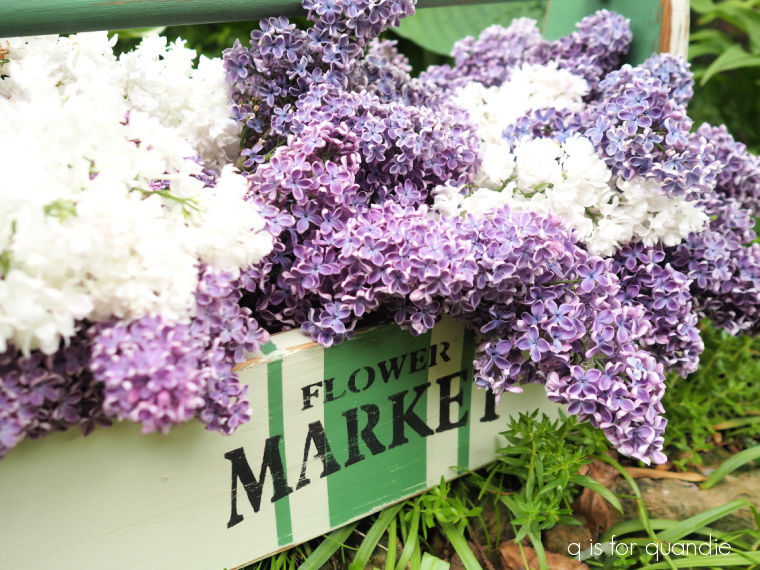
But aside from some lovely blooms in the spring …

I have had exceedingly poor results with mine.

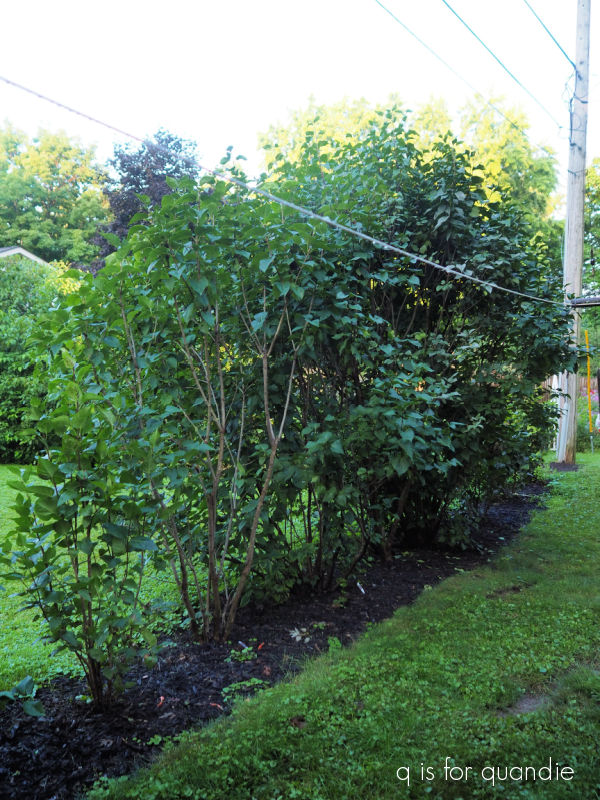
I initially planted around 10 lilacs, and after 5 years, the hedge looked like this …

Really sad, right?

But I was determined.  I kept pulling out the scrawny lilacs and replacing them.  I decided that maybe the problem was the hybrid (ie. fancy) lilacs that I was choosing.  Maybe I needed a basic common lilac to get the result I wanted.

So I put in two of those, and they did quite well for a while.  Here they are last summer when I thought maybe this lilac hedge was going to work out after all.

As an experiment, I planted three clematis to grow up amongst the lilacs last summer.  Clematis take a few years to really fill out, but I did get a handful of blooms this summer on the two that made it through last winter.

Unfortunately towards the end of last summer the lilacs ended up with leaf spot fungus and once again looked awful after losing most of their leaves.

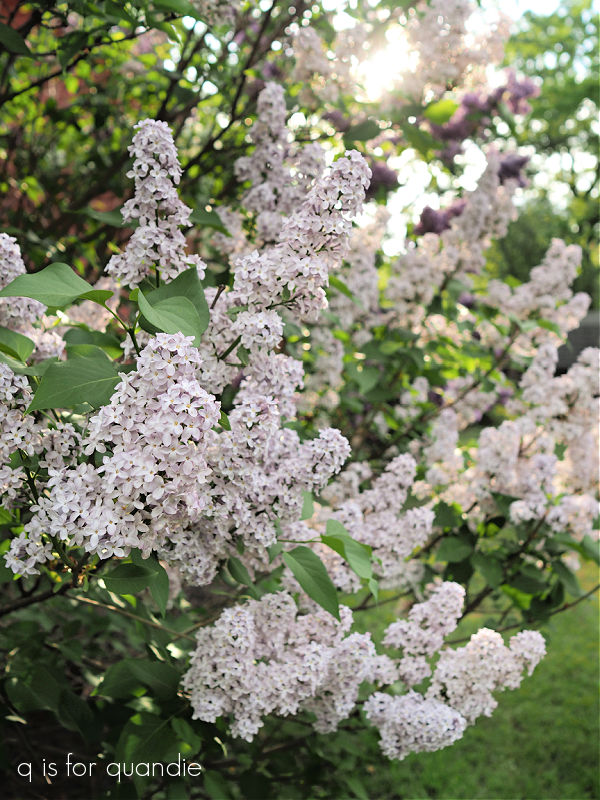
They only recovered somewhat this spring.  I had plenty of flowers.

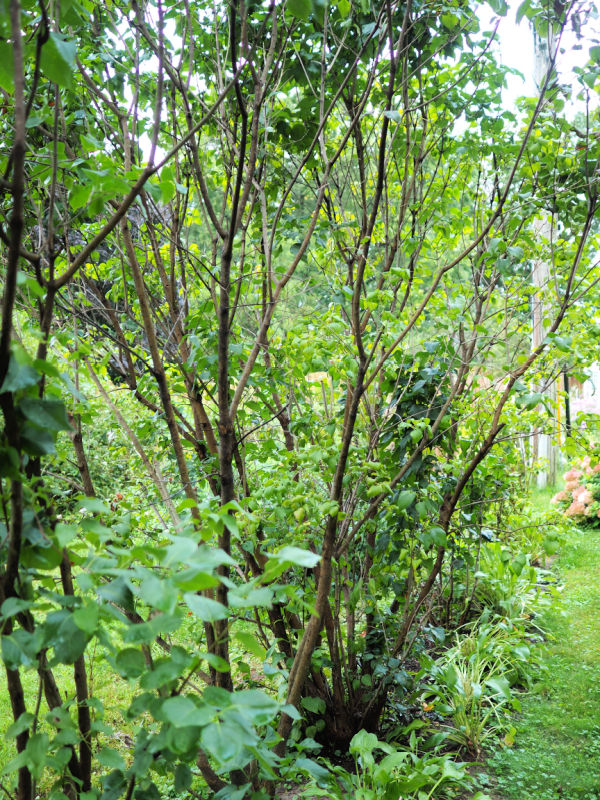
But the leaves never really filled in well.

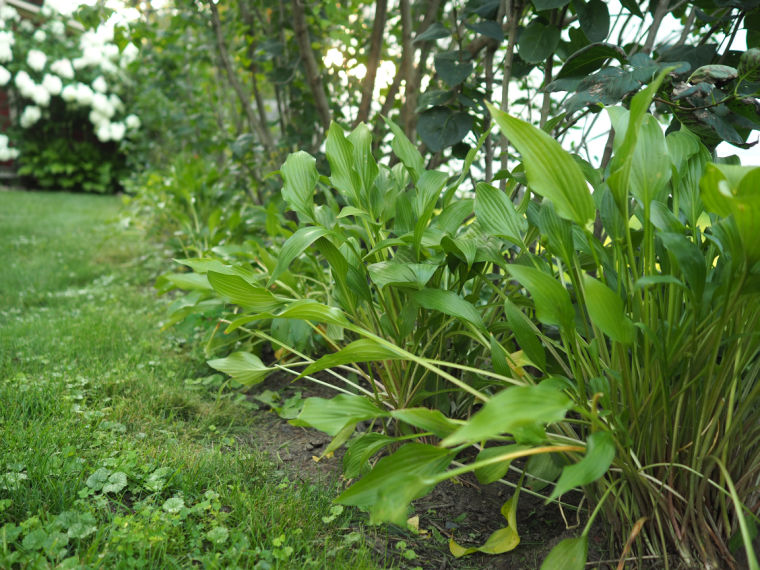
To try and add some bulk down low, I decided to try to underplant the lilacs with some hostas a month or so ago.

I divided these from a row of hostas that I have in another area.

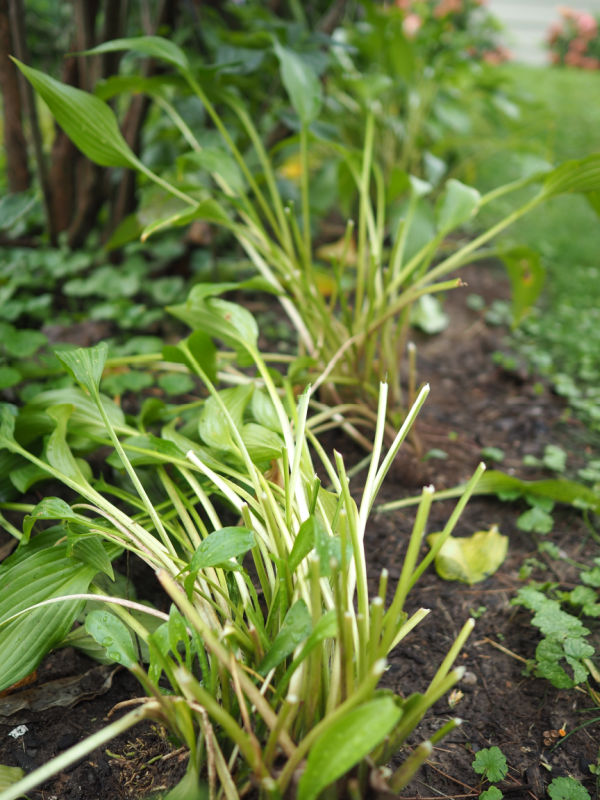
Hostas always look a bit sad after being divided, and to make matters worse, something is eating them now (I suspect deer, but it could be rabbits).

But they should look much better next year if I can keep them from being eaten.  I think I’m going to have to resort to using a deer/rabbit repellant spray.

However, once again this summer we have had lots of rain and humidity, the conditions that allow leaf spot fungus to proliferate.  So once again my lilacs again look pretty pathetic.

Every year I waste on trying to baby these lilacs is another year that a different shrub could have been growing to maturity.

So now what?  Do I throw in the towel?  Pull everything out and start over?

Or do I give them one more year?  Wait and see how it looks as my clematis and hostas fill in?

What would you do?  Leave a comment and let me know.

all the buzz.

Good morning from the garden.

It seems like planting pollinator friendly plants is getting all the buzz these days (pardon the very bad pun).

I have to admit that I’ve never planted anything just because it’s good for pollinators.  That quality is way down on the list of things I look for in a plant.  I figure any flowering plant is better for the environment than just having a lawn, right?

I do sometimes choose things specifically to attract hummingbirds though, like Salvia guaranitica, or Black & Blue Salvia.

After all, who doesn’t enjoy seeing a pretty hummingbird in the garden?  I can verify that yes, the hummingbirds definitely love this one.

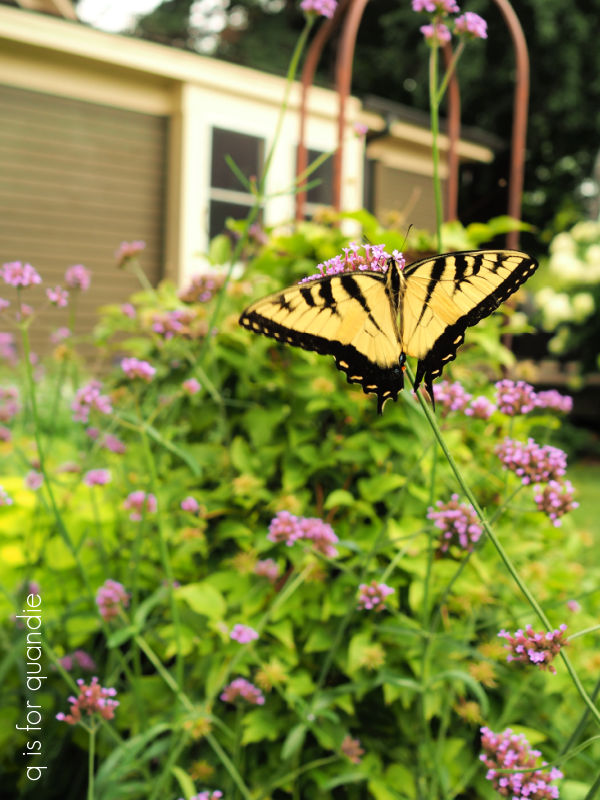
This year I’ve discovered that the Swallowtail butterflies really like my verbena bonariensis.

As do the bees.

So that’s an added bonus to growing it, but I would grow it anyway because I love the look of it.

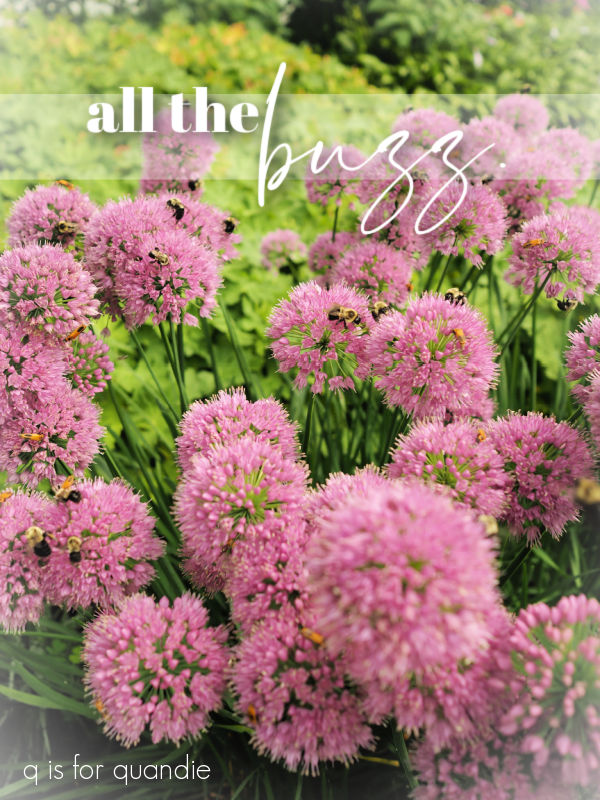
And that brings me to my Serendipity Allium.

I planted these about three years ago, and this is the first year that they’ve really looked fantastic.  That’s about right, the first year they sleep, the 2nd year they creep, etc.  This is their year to leap!

I also had 4 or 5 seedlings sprout up around the main plant this spring, so although they aren’t especially known to re-seed freely, mine definitely is.

I have to say, these things are bee magnets!

Look closely at the photo.  Do you see how many bees are on there?!

Although the big fat bumble bees aren’t particularly aggressive, they still would prefer that I not mess with them in the garden.  I’ve never been stung by one, but they do chase me away by buzzing around my face and bumping into me which is just as effective.

So I’m pretty much avoiding weeding in this area for the time being and just letting the bees have their fill.

But to be honest, I’m just blaming my lack of weeding on the bees because they are a convenient scapegoat.  I usually get a little tired of gardening about this time of year.  It’s probably lucky that I live in zone 4b/5a because I don’t think I’d enjoy having a longer gardening season.  Even our short growing season is a bit too long for me.

One last thing, while we’re talking about bugs, over the last couple of years I have been approached by at least half a dozen door-to-door sales people trying to get me to sign up for their pest control services.

They always catch me while I’m out in the garden, and they always use the same tactics mentioning that they are only in the neighborhood because my neighbor John Doe (insert actual neighbor’s name here) uses their service.  The latest saleswoman was very charming, mentioning how amazing my gardens were and appreciating how much work they must entail.  And wouldn’t I like to get rid of those pesky spider webs?

I always say that I’m trying to encourage pollinators, not kill them.  The I’m told, ‘oh, but our product is plant based’ … um, yeah, but it still kills insects right?

Anyway, I recently did some research and found a press release from the MN Attorney General’s office warning people about door-to-door pest control scams (you can find that here).  Apparently they are running rampant in the Twin Cities.  So if you are local, or if this is also happening where you are, just be warned.  Send those door-to-door salespeople packing, no matter how charming they might seem.

I’d love to know which plants in your garden are the biggest pollinator attractors.  Leave a comment and let me know.

made in the shade.

Good morning from the garden.

This morning I thought I’d share a quick tour of the mid-August shade garden.

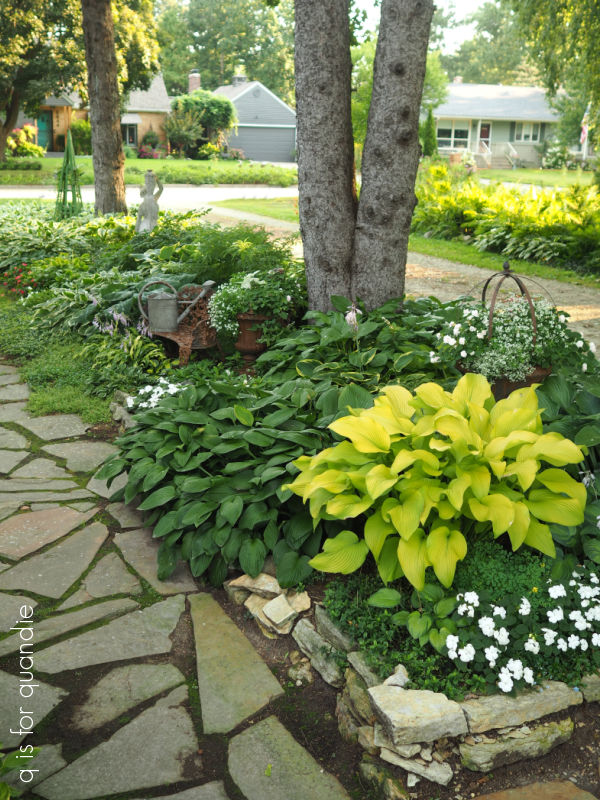
This shade garden runs between the house and the driveway.  It is just a basic rectangle without any fancy curves or anything, but I consider it my favorite of all my garden beds.

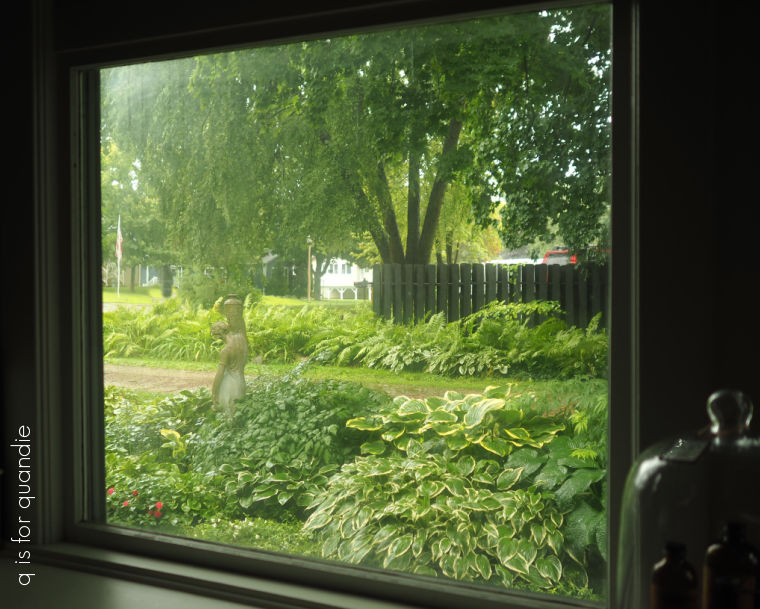
It’s also the one that is most visible from inside the house, so on rainy weekends like this one I can still enjoy the garden.

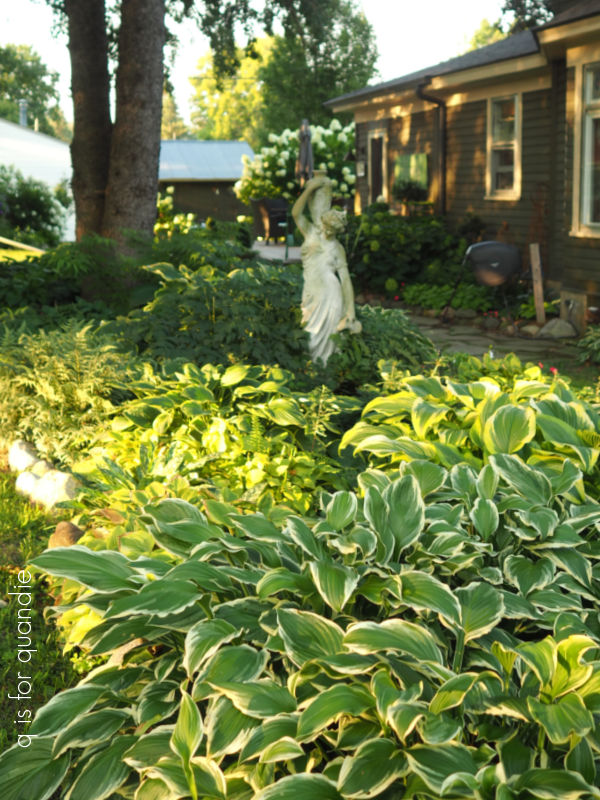
It contains some of the most well-established plants that I have, especially since the Hosta albomarginata was here when we bought our house 37 years ago.

It’s the hosta in the foreground of this photo …

I consider it one of the old standby traditional hostas that every foundation planting had 40 years ago.  It’s a basic green with white margins, and it’s probably … no … definitely my least favorite hosta in the garden.  That being said, it’s also a tremendous workhorse.  I’ve divided mine so many times over the years that I now have dozens of them, and they are huge.  So removing them and replacing them would be quite the project.

Sadly, it’s also the most susceptible to both hail damage and insect damage because the foliage is not as sturdy as some of the newer varieties.  However, so far this summer we haven’t had any hail (knock on wood), and I’ve been using Sluggo Plus to take care of the slugs and earwigs and that’s working really well.

I just discovered Sluggo Plus this year (ordered from Amazon).  I used to use the regular Sluggo which contains iron phosphate, which is effective against slugs and snails.  Sluggo Plus, contains both iron phosphate and spinosad, a natural insecticide which is effective against earwigs and pill bugs.  Last summer was pretty wet and the earwigs did lots of damage to my hostas, so I wanted to stay on top of that problem this year and it’s lucky I did because this summer continues to be fairly wet as well.

It’s nice to have hostas that still look good in mid-August.

That bright green hosta is Sun Power, and it just glows in the shade.

Another of my favorites is Lakeside Dragonfly (center front below).

It’s perfect for the front of a shady garden bed.

I’m still finding plenty of jumping worms in my garden, and I can tell that they have had an impact on the texture of my soil, especially in the shade garden.  The top couple of inches of soil look very granular, and it dries out quickly.  Fortunately we’ve had plenty of rain this summer, but I’m keeping a close eye on the garden and watering regularly if it gets too dry.  I’m also adding nutrients in the form of both bagged compost and Espoma’s Plant Tone.  There is conflicting info out there on whether or not using an organic fertilizer makes the problem worse by also feeding the worms, but I can’t find any better suggestions for keeping my plants well fed.

I would say that my well established perennials are doing just fine despite the worms, including my Japanese painted fern.

The annuals that I planted this year don’t seem to be struggling either.  Some of you may remember that I filled in some empty spots with Impatiens.

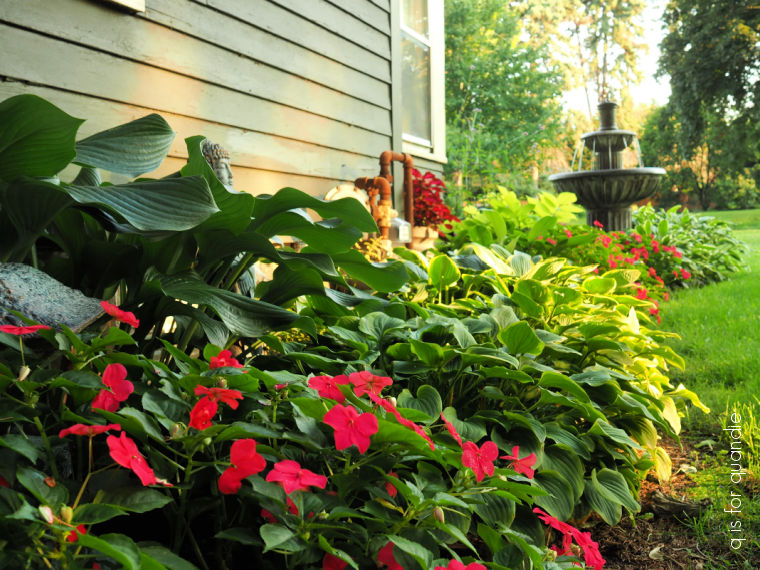
They filled in quite nicely and add a bright pop of color to my otherwise mostly green garden.  The bright pink of the Lipstick impatiens is pretty, but it isn’t really my vibe though.

Perhaps next year I will use the Apple Blossom double impatiens instead.

They are looking quite lovely in my planters and are more in line with my personal aesthetic.

In the spring I mentioned that one section of my shade garden had completely died out over the winter including my Aralia cordata ‘Sun King’.

  I replaced the aralia with one I purchased at Home Depot, and also added in a couple of new hostas, bleeding heart and astilbe.

They are all doing well, and the astilbe is blooming for a 2nd time!

This is Astilbe Younique Ruby Red and everything I’ve found online says this plant does not rebloom so I don’t know what to make of it.

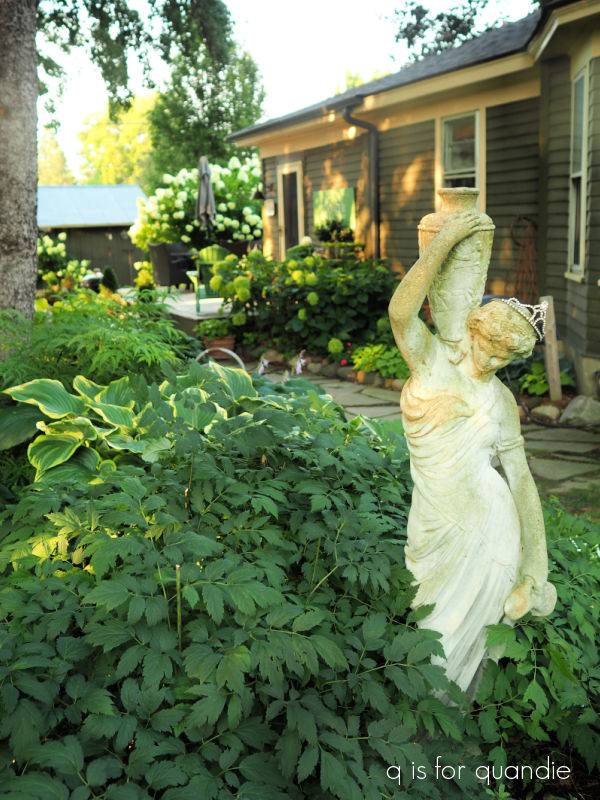
The Fairy Candles (or Black Cohosh, but seriously, isn’t Fairy Candles a way better name?) that I got from my friend Jackie are doing great growing around Cossetta’s feet.

Cossetta is the statue that I purchased at a garage sale that was right behind Cossettas Italian restaurant in St. Paul.  That was such an amazing find.  I never seem to find things like this at garage sales anymore, what a bummer.

But anyway, the Fairy Candles are done blooming now, but here’s how they looked in bloom a few weeks ago.

And with that I’ll bring this tour of the shade garden to a close.

I hope you enjoyed seeing my shade garden and that it inspired you in some way.  Leave a comment and let me know what your favorite element is in this garden!

early bloomers.

Good morning from the garden.

Well, we’ve had some exciting times in the garden lately.  We had severe thunderstorms blow through, two nights in a row a week or two ago.

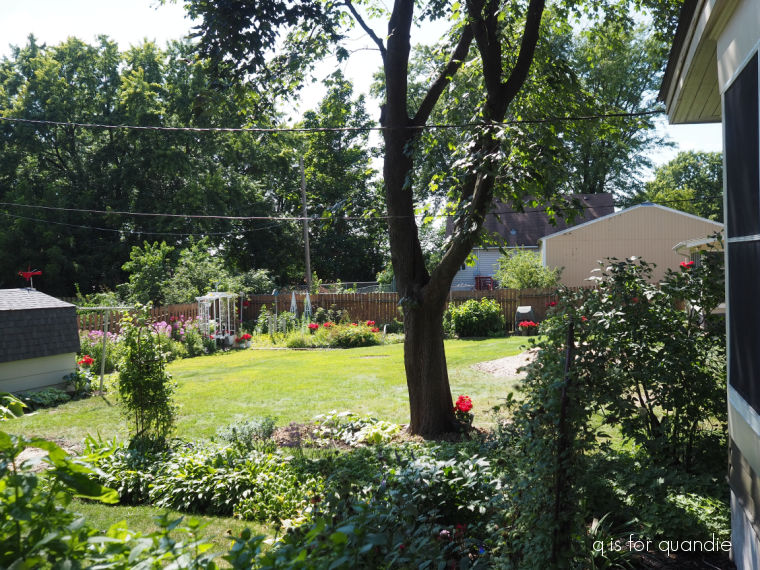
We survived the first storm with just a few small branches strewn about, but the second one took down a sizeable limb from our neighbor Ken’s remaining tree.

If you’ve been following me for long, you’ll remember that Ken had a very large tree in his backyard cut down last year because he was worried it would come down in a storm.

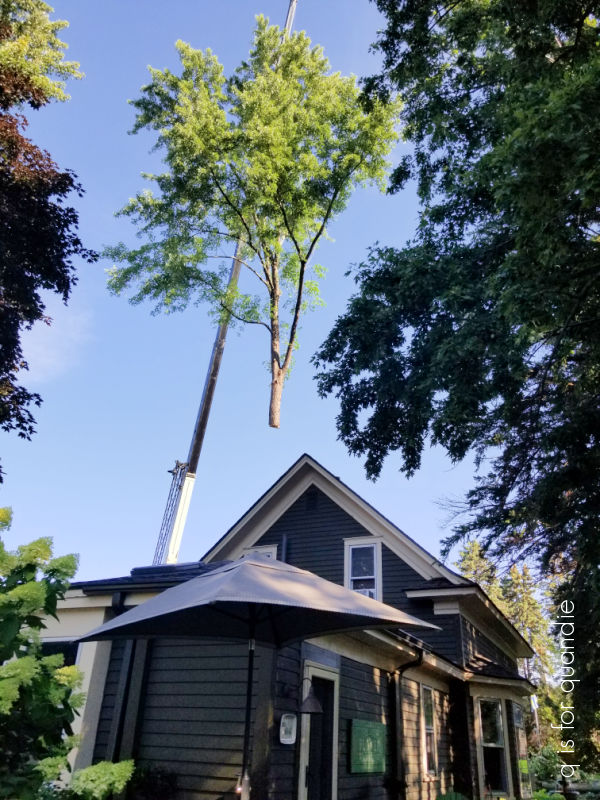
They cut it into sections and then lifted it out (right over the top of our house) using a crane.

At the time he also had some deadwood cut out of his remaining smaller tree.

So in an ironic turn of events, he lost a big branch from that smaller tree in the 2nd storm.

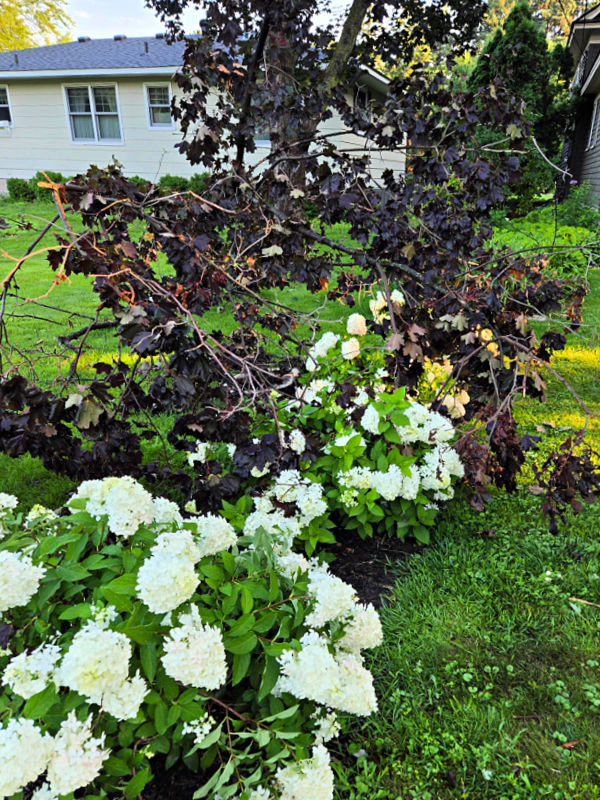
And of course, the branch fell right onto the new hydrangea hedge that I planted last summer after Ken had that larger tree removed.

Fortunately it didn’t really do any damage.

The hydrangeas bounced right back.

These are Quick Fire Fab hydrangeas.  So far my hedge is only about 3′ tall, and according to Proven Winners they will max out at 6′ to 8′.  However, they also say that about Limelight hydrangeas and my Limelights are easily 10′ tall or more.  So I’m hoping to end up with a tall hedge here.

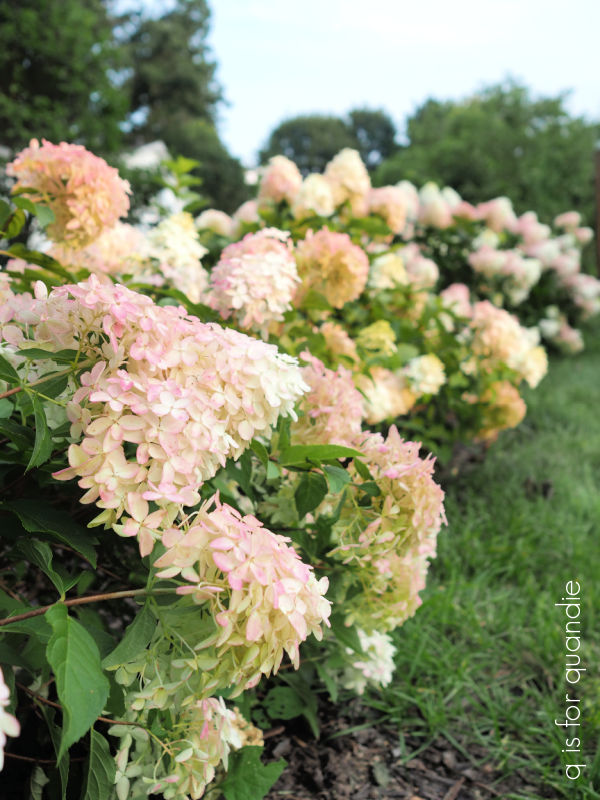
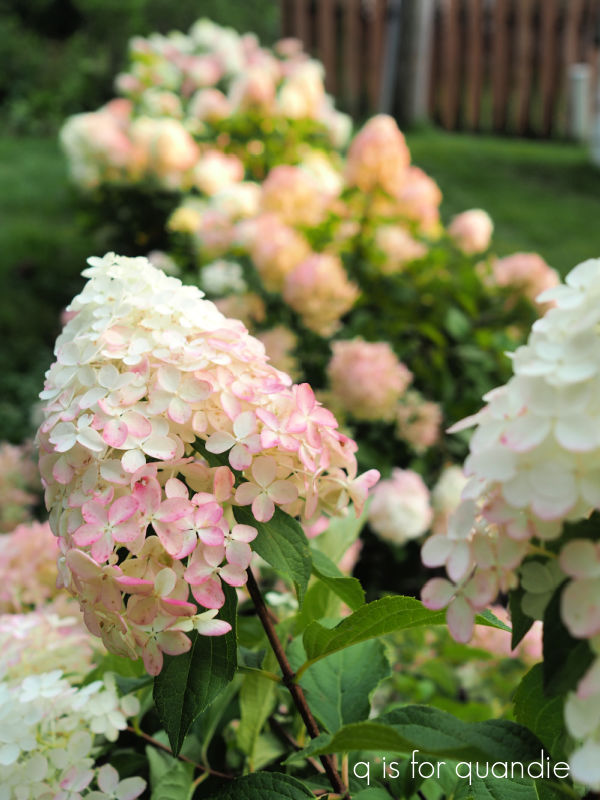
The Quick Fire Fab are the earliest to bloom of the panicle hydrangeas.  The flowers start out white (as you can see in the photo with the branch on them), and then slowly go from white to pale pink to bright pink to deep red by fall.

I think the color they are right now is my favorite.

In comparison, Limelight hydrangeas are the latest of the panicle hydrangeas to bloom.  The flowers on mine are only just barely starting to open up.

And they are still the pretty lime color that gives them their name.  They will gradually fade to white, and then start to turn a pretty coppery sort of pink for fall.

I absolutely love the Limelight hydrangea, but when I was deciding what hydrangea to use for my new hedge last year I thought it would be nice to have a hydrangea that blooms a few weeks earlier to extend hydrangea season.

For those of us who garden in a cold climate (I’m in a suburb of St. Paul, MN, zone 4b to 5a), a panicle hydrangea is definitely the way to go.  So far I have found them to be pretty much impervious to a cold winter.  As I’ve mentioned before, our last winter was pretty hard on plants.  We had some days with temps well below zero, but hardly any snow.  We need that snow to protect the plants that are in the ground.  I lost quite a few things in my gardens, but the new hydrangeas came through with flying colors even though I had only planted them in August.

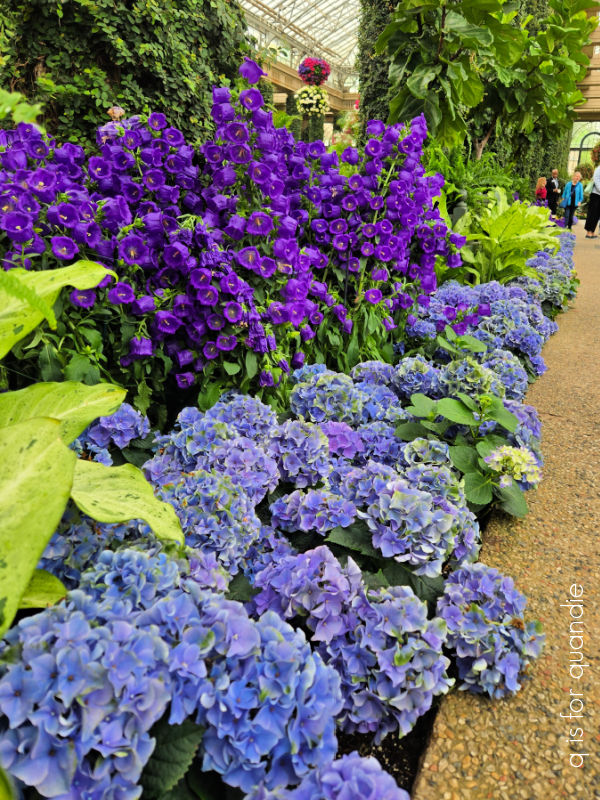
I wish we could get those gorgeously vibrant macrophylla hydrangeas to bloom reliably here.  You know, the ones that are bright pink …

Or blue …

But I’ve never had any luck with them, including the Endless Summer varieties (I took the two photos above at Longwood Gardens in Pennsylvania).

I’ll just have to settle for the more subtle look of the panicle hydrangeas in my garden.

Earlier this week I decided to try a bit of an experiment to see how well the Quick Fire Fab hydrangeas will hold their color when dried.

So I cut a few and popped them into a bucket with about 2″ of water at the bottom.

Next I’ll put them in a cool, dark, dry location and let them dry out.

It’s possible that it’s too early to successfully dry these, I usually wait until the flowers have started drying out just a bit on their own before cutting them to dry the rest of the way.  But these Quick Fire Fabs will have turned red by then (and of course, I’ll also dry some then), so I hope I can preserve some in this pretty blush pink.

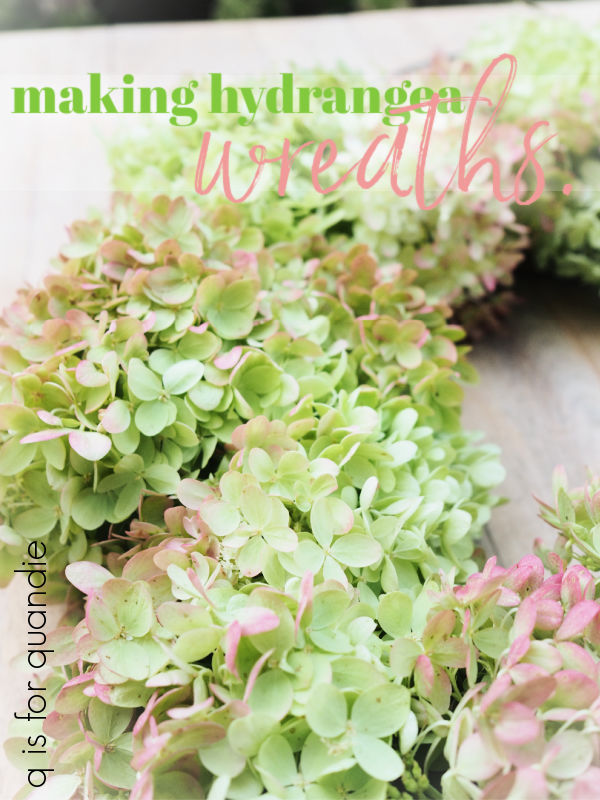
If you’re a fan of dried hydrangeas, you may want to go back and check out my post on how to make a dried hydrangea wreath.

Or for more details on drying hydrangeas, check out this post.

Are you able to grow hydrangeas where you are?  If so, which ones are your favorites?

Leave a comment and let me know.

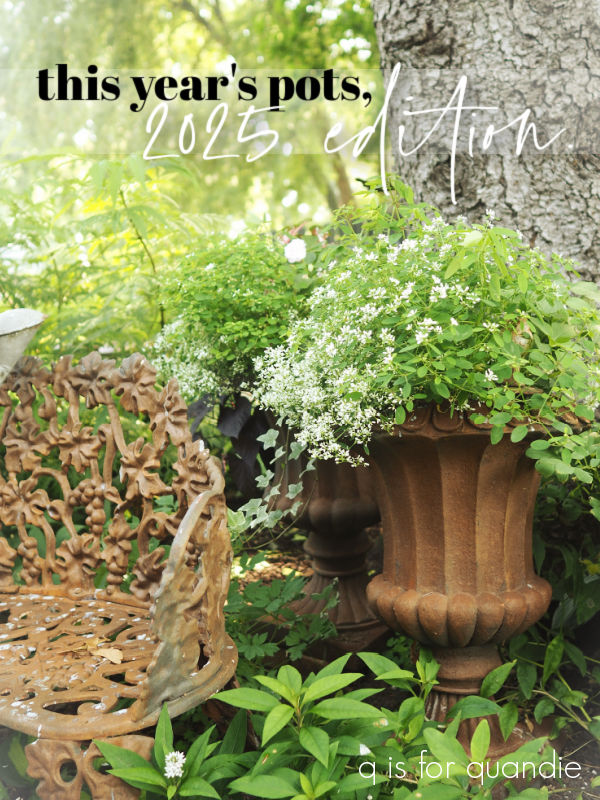
this year’s pots, 2025 edition.

Good morning from the garden.

Today I thought I’d share how my container plants have turned out this year.  Quite honestly, I really mostly write this blog post for myself each year.  It’s an easy way for me to go back and see what I did in previous years, what I liked and disliked.  But I hope some of you will find it interesting, or maybe get inspired for your own pots for next year.

So let’s get started with the two pairs of pots on our deck.  There is a taller pair that flank the stairs, and a shorter pair that sit on either side of the door.

Some of you may remember that last year I put Alberta Spruce spirals in these pots …
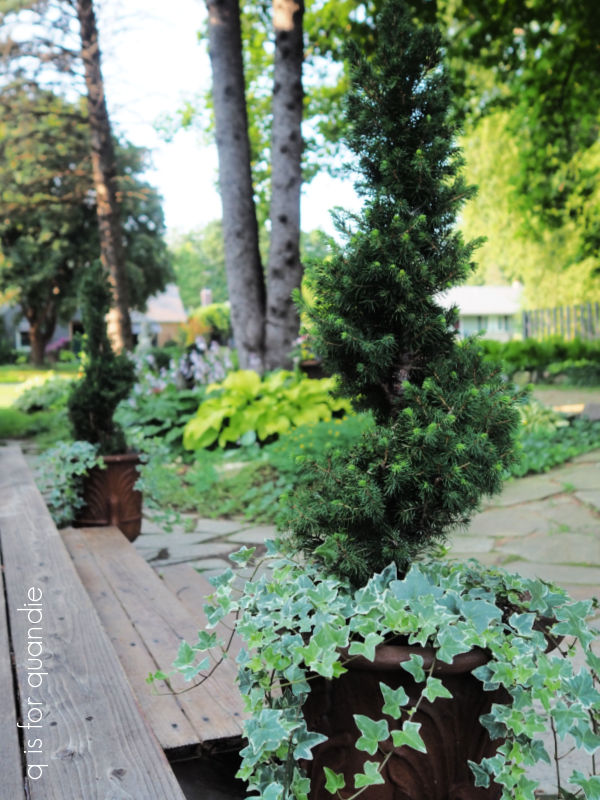
I was hoping to be able to overwinter those in place, but that didn’t work out.

So I pulled them out and replaced them with Eugenia pyramids underplanted with more variegated ivy.  I also added some creeping wooly thyme alternating with the ivy.
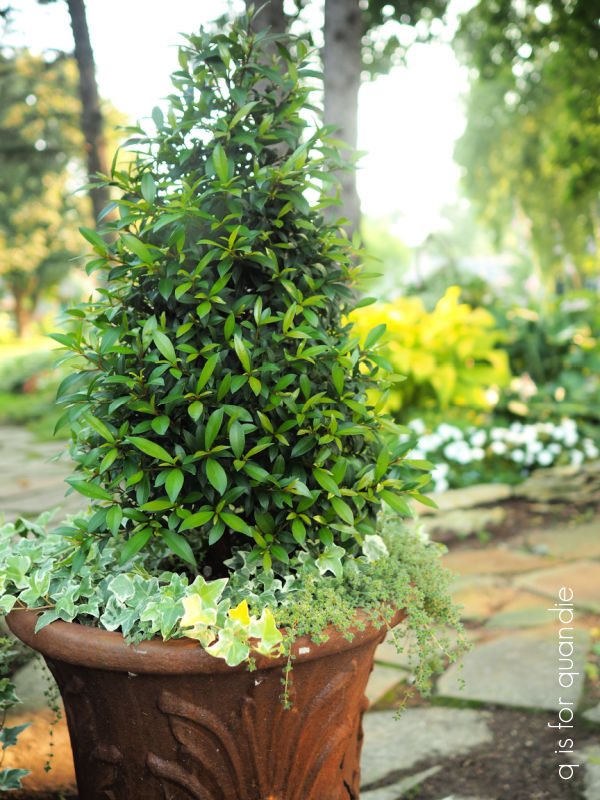
I have a couple of other Eugenia topiaries that I’ve saved over several winters now by bringing them inside as a house plant …
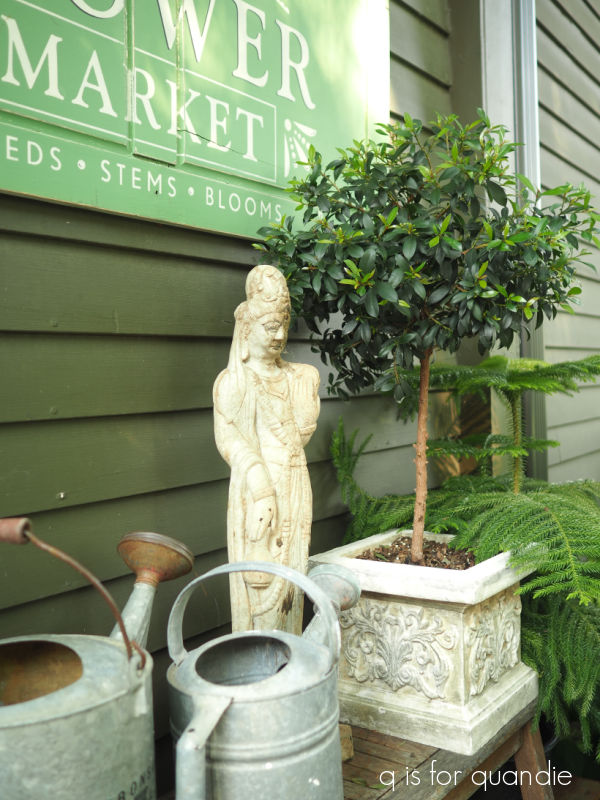
so I plan to do the same with these pyramids.

I love the classic simplicity of this look.  I also love that these pots are super low maintenance.  Since we’ve had plenty of rain so far this summer, I’ve only had to water them a handful of times and otherwise I do nothing with them.

As for the pair of planters flanking the door, this year I decided to fill them with mostly perennials.
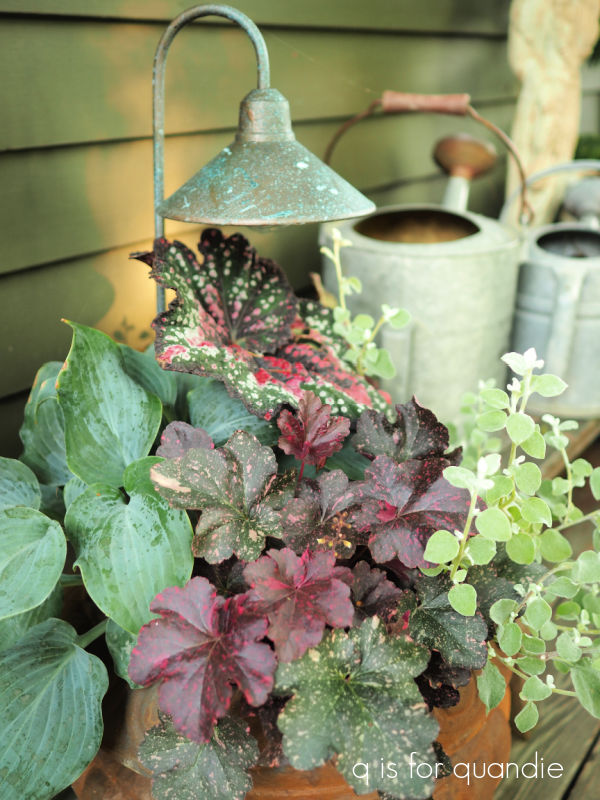
On the left is a Blueberry Muffin hosta, at the back is a Rex begonia, in front is a Midnight Rose heuchera, and on the right is the White Licorice helichrysum from Prover Winners (this last one is an annual).

This is also a very low maintenance option for a planter.  I have had to cut back the helichrysum a couple of times to encourage it to fill out a little.  I’ve also had to cut off the hosta flowers when they were spent, but that’s about it.

I plan to move the perennials out into the garden in early September and replace them with a fall combo of some kind.

All four of these planters are on (or near) our deck, which is pretty shady these days.  I had to give up planting flowering annuals that require full sun here because they just don’t perform well for me.

Luckily, I like combinations of plants with interesting foliage like these.

By the way, if you’re noticing a lovely golden glow to my photos, that’s because we’ve been under an air quality warning for most of the past week due to Canadian wild fires.  The air quality is bad for just about everything except it makes for lovely photos.  No need to wait for ‘golden hour’.

Also, FYI, I have painted all four of the pots shown so far using Dixie Belle’s Patina Paint.  I’ve got a post coming up soon with details on this process, so stay tuned if you’re interested in that.

I don’t always go with non-flowering plants in my containers.  I like to attempt to add colorful blooms to some of them, like the ‘window boxes’ made out of old galvanized boilers on my carriage house and potting shed.

This year I planted them with Proven Winner’s Supertunia Mini Vista Indigo, Superbena Cobalt and a short annual salvia that I don’t remember the name of.

They look great in the planter on the carriage house, but the one on the potting shed gets less sun.
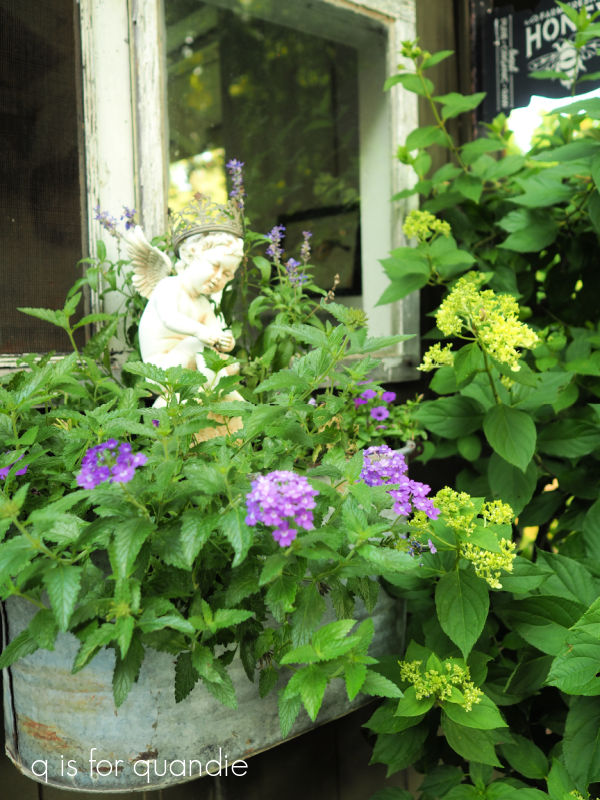
Less sun definitely equals less flowers with these plants.  I need to remember this for next year.

I also like to use some flowering plants in the trio of planters that are placed in my shade garden.
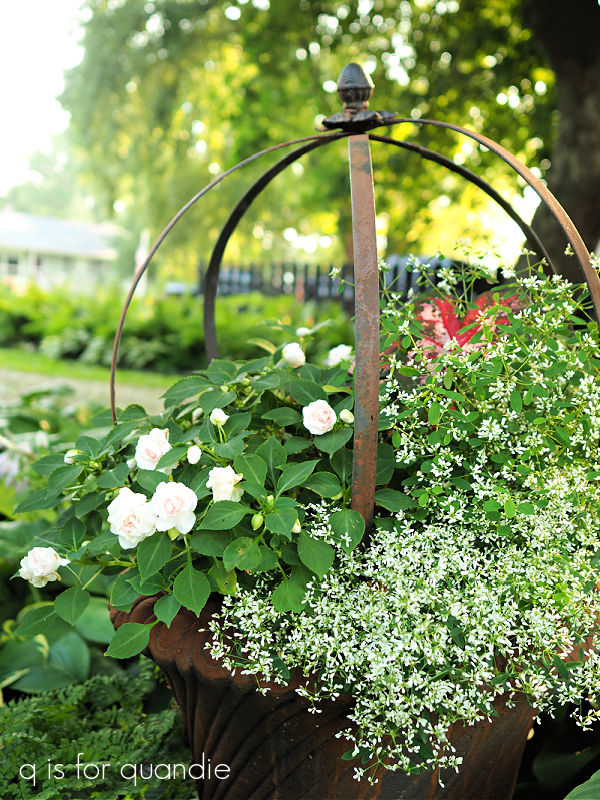
Once again, these planters are in what would be considered ‘full shade’ (less than 4 hours of direct sunlight per day).  So I try to choose flowering plants that like the shade.  In this case I’ve used an old favorite, Proven Winners® Double Impatiens Rockapulco Appleblossom.

The flowers look like miniature roses to me, and they are the prettiest delicate shade of pale pink.

I also added some of the Proven Winner’s Diamond Snow euphorbia.
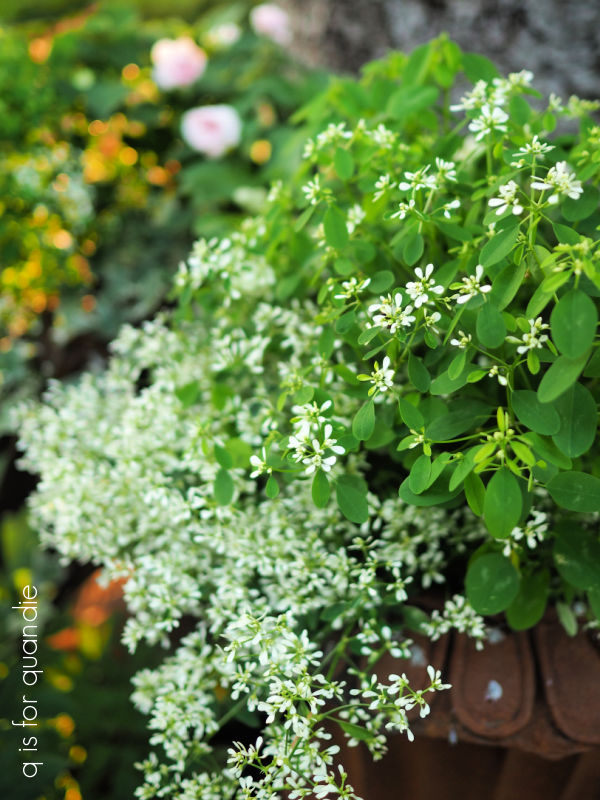
In past years I’ve used the Diamond Frost euphorbia in shade planters and it has performed really well.  But this year I switched to the Diamond Snow because it is supposed to be more compact and not as airy as the Diamond Frost (check out this page for a comparison of the three euphorbias offered by Proven Winners).  Initially that was definitely true, and I really liked the Diamond Snow, but now it has sent out new foliage that is taller than the original plant, and has much fewer flowers.
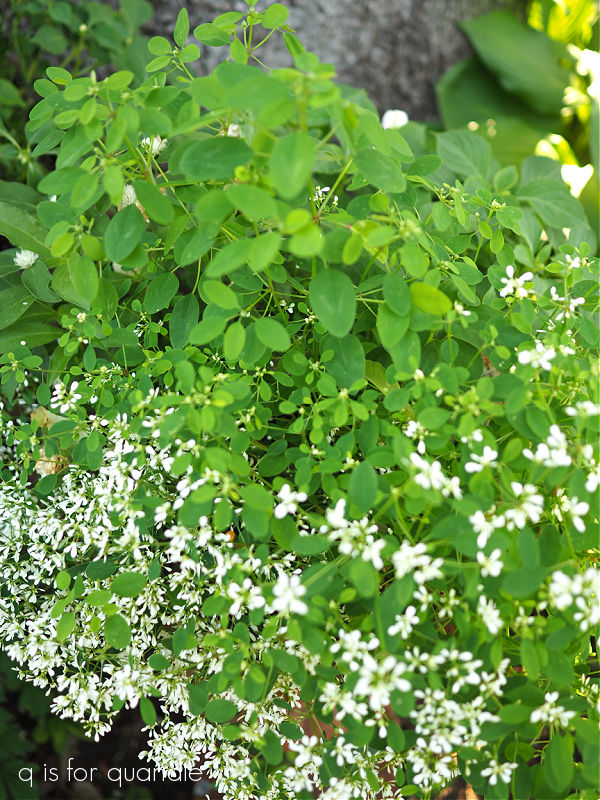
It really looks rather odd now.  I may try cutting it back and then waiting to see what happens.

I also popped some caladium in these shade planters, but they aren’t performing at all for me this year.
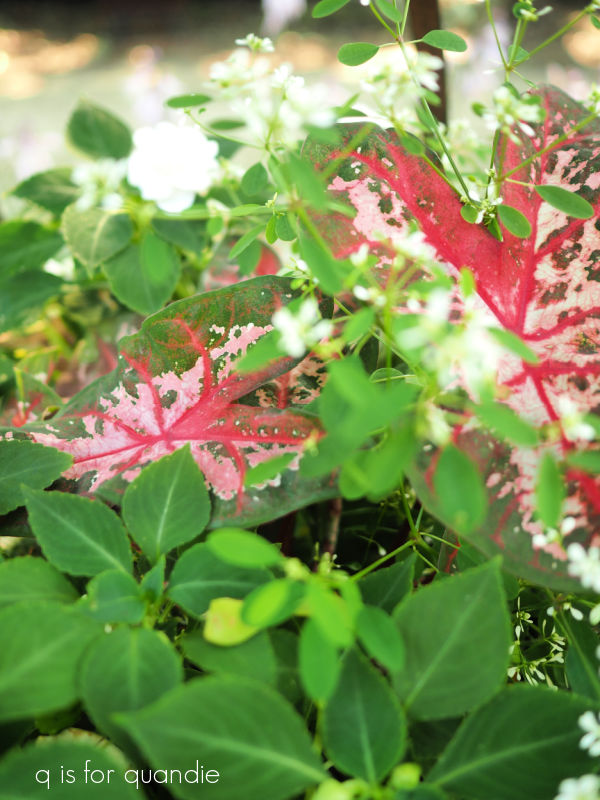
They’ve barely put on any new growth and are hardly even peeking out from behind those impatiens and euphorbia.

One of these days I will realize that we just don’t have the hot, steamy climate here that caladiums love.  Sure, we get a handful of hot, steamy days, but it’s not the norm for us.  This summer in particular has just not been hot enough for the caladium to thrive.

The same can be said for the white caladium that I put in the front window box.
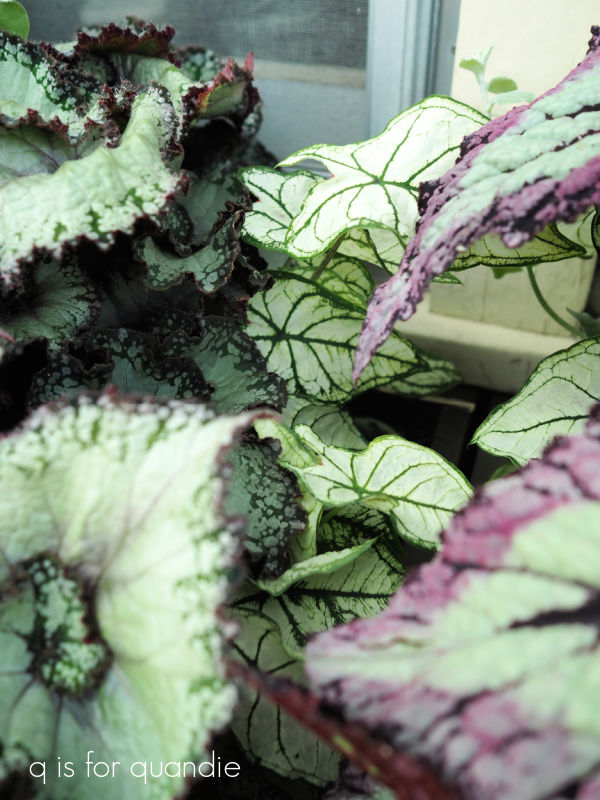
It has been totally overtaken by the Rex begonias.  In fact, when I’m done writing this blog post I’m going to pull them out of there and find another spot for them.

That brings me to the front window box.
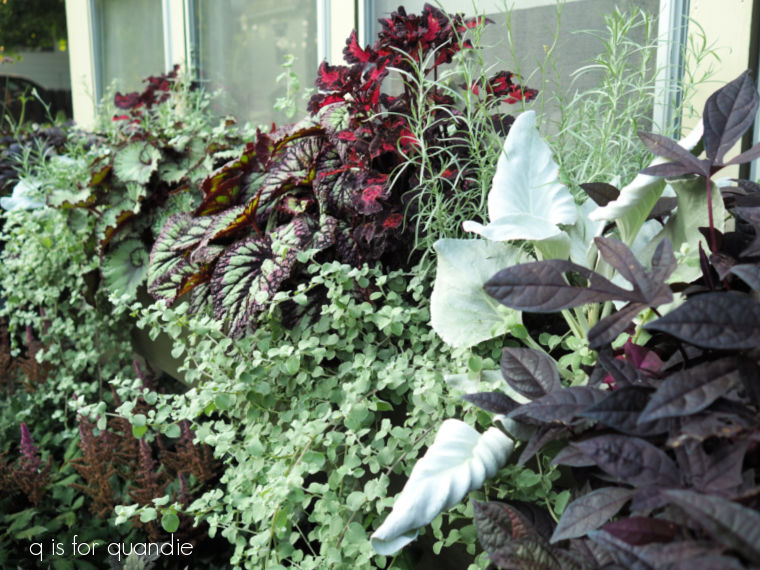
It is a monster this year!

I started out by putting the two Rex begonias that I saved over the winter in the center (along with those two caladium that you can’t even see now).
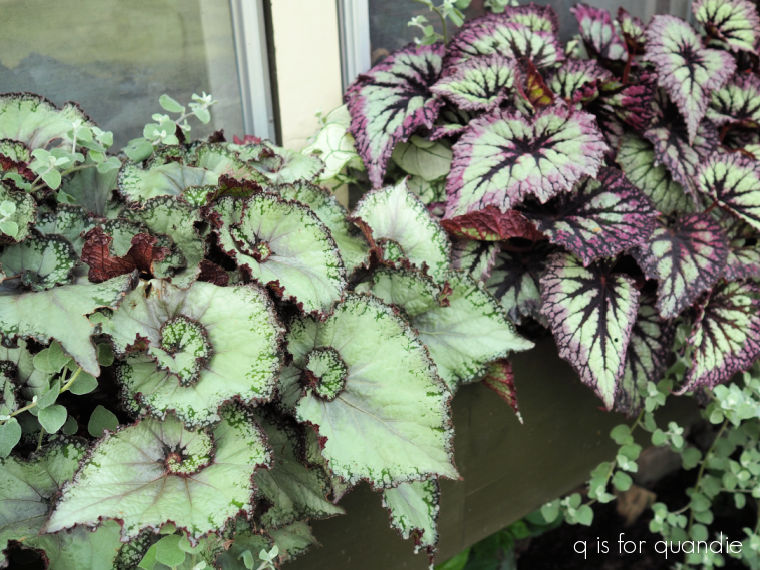
All of the other plants were chosen to play well with the begonias.

I added two dark sweet potato vines at either end.
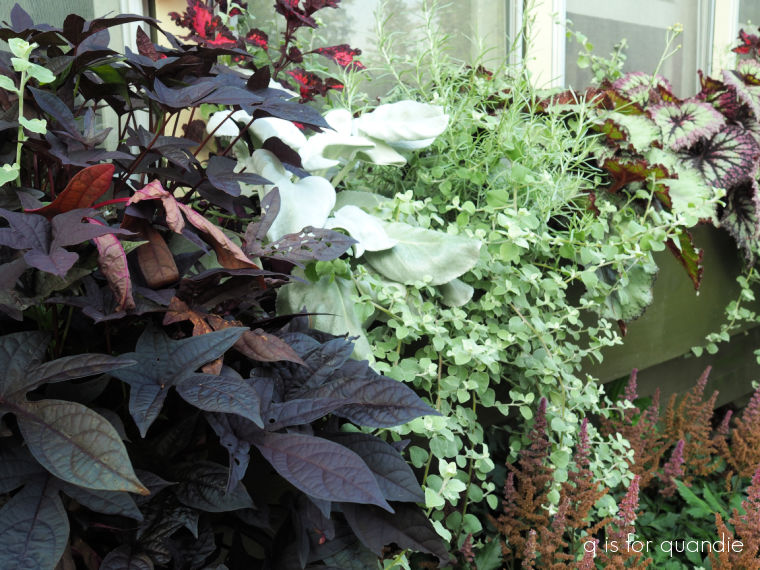
I then planted an Angel Wings senecio next to those, which created a fantastic contrast.
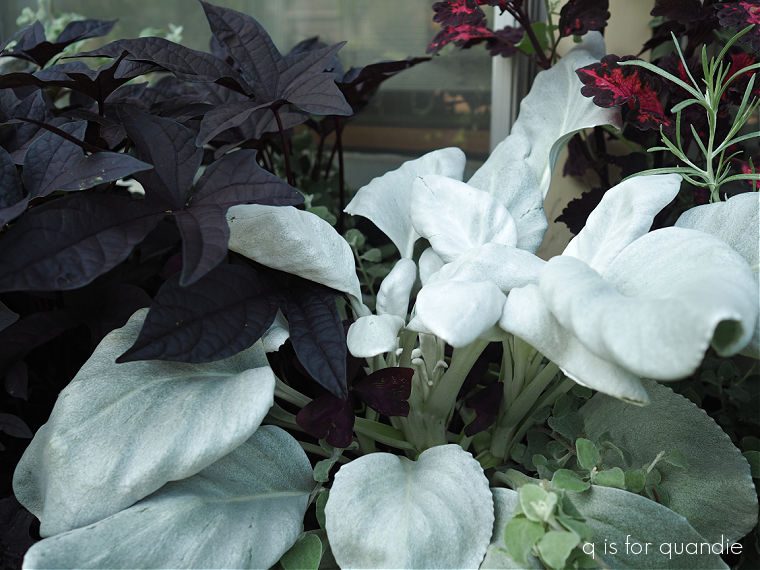
I filled in between with Icicles licorice plant, and more of the White Licorice helichrysum that I also used in the pots on the deck.
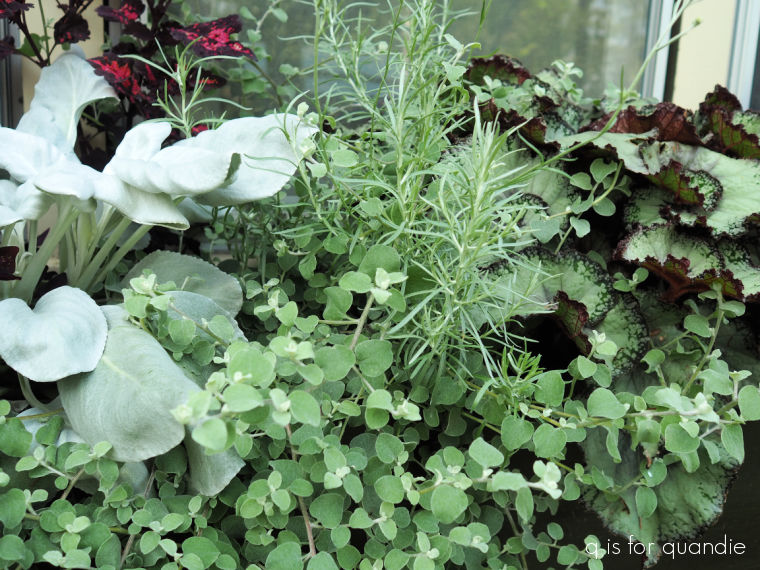
 There are also a couple of coleus in there, and some dark purple oxalis that you can’t see anymore either.

Overall I’m happy with how the front box turned out this year.  I’m definitely going to save the Rex begonia again this winter.  I may change things up next year and put them in the shade garden planters instead, and then come up with something entirely new for the front.

But that’s a long way off, so for now I’m just going to enjoy how it looks this year.

Now, how about you?  Do you have good luck with caladium where you are?  Have you ever tried using perennials in your containers instead of annuals?  And what are your thoughts on choosing plants for their foliage rather than flowers?  Leave a comment and let me  know!

wildflowers.

Good morning from the garden!
Last Sunday I shared the interesting desert plants that were along the Harry Reid Union Pacific Railroad Trail near my mom’s house in Henderson, Nevada.  So today I thought I would tell you about the beautiful wildflower garden along the railway trail that Mr. Q and I walk on near our house here in the Twin Cities.

Illinois and Wisconsin started turning abandoned railway lines into hiking/biking trails back in the 60’s, but the movement didn’t become really widespread until the late 80’s.  According to the Rails to Trails Conservancy, there are now over 26,000 miles of rail-trails in the U.S.

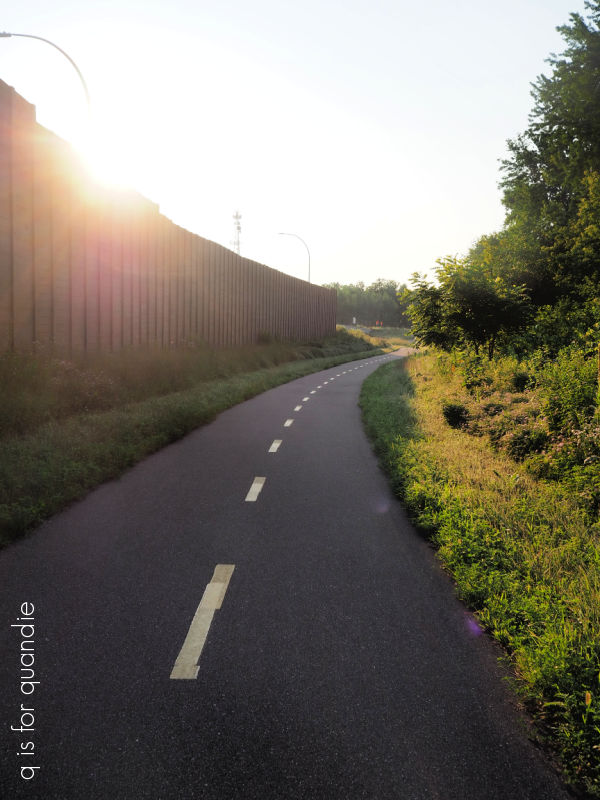
The Gateway Trail was built along the former Soo Line Railroad and goes from St. Paul to Stillwater.  The first segment of the trail was completed in 1993.  So Mr. Q and I have been walking on this trail for probably around 30 years.  Well … actually … back in the day we biked on it more than we walked on it, but these days we are walkers.

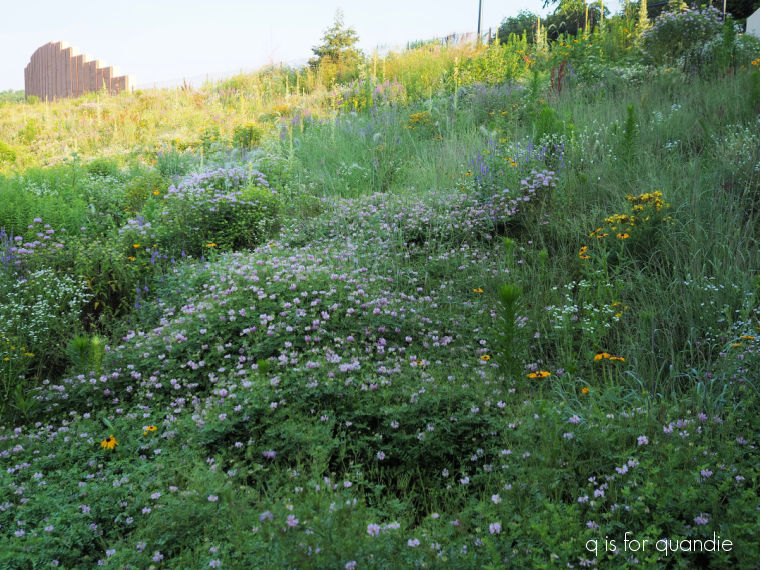
It’s unfortunate that the section of the trail nearest our house also happens to run alongside a very busy highway (because there is a lot of traffic noise).  However, back in 2020, as part of a project to replace a stoplight, they re-worked this area of the trail adding a tall sound barrier wall between the highway and the trail.

They also must have purposely planted wildflowers all along that stretch of the trail at the same time, but I can’t find any definitive info about that online.  It feels like it had to be deliberate though.

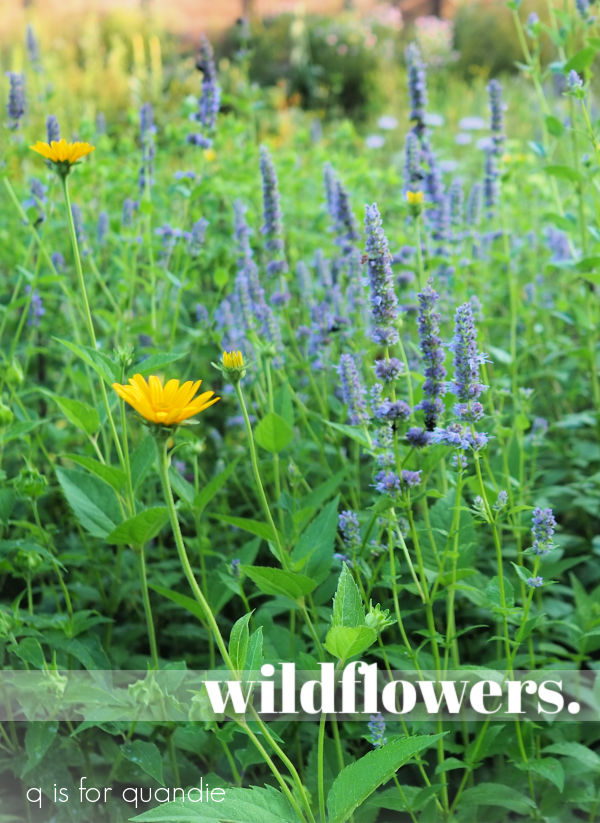
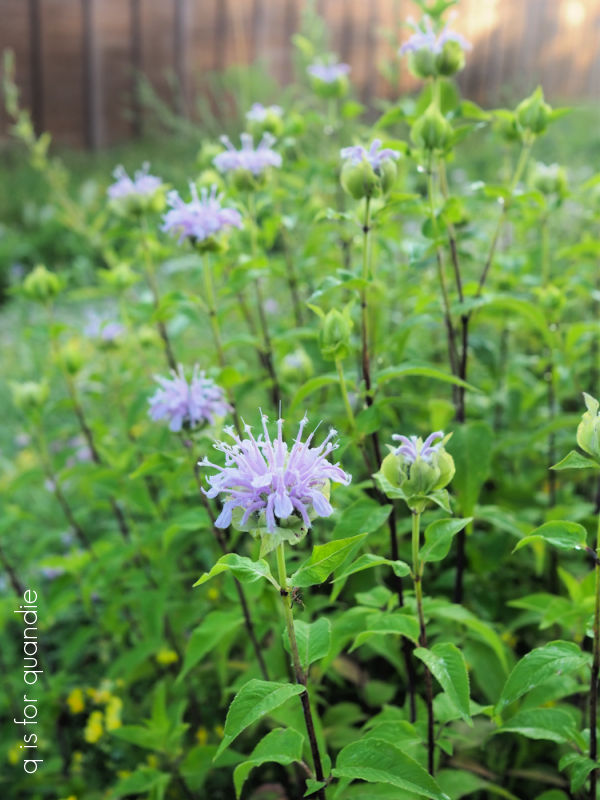
As it turns out, I’m not that good at identifying local wildflowers.  I recognize some of them, like the bee balm.

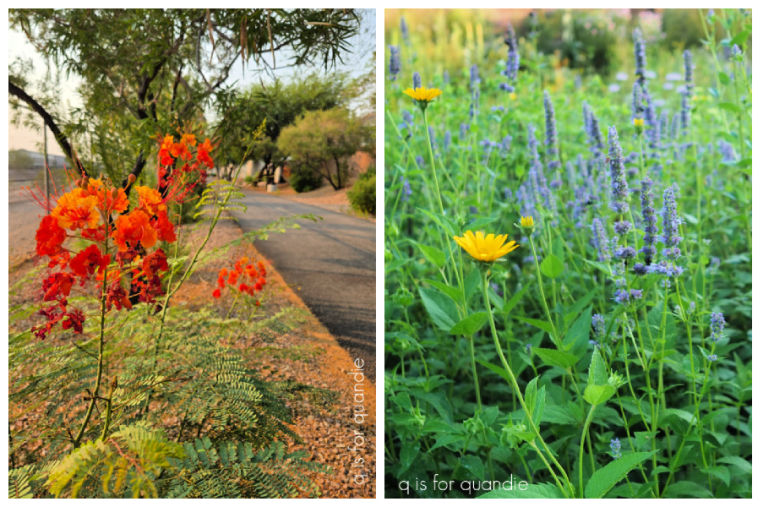
And I believe this next purple one is Blue Giant Hyssop.

I’ve always called this next one Black Eyed Susan

I did a little research and this wildflower is found in all of the lower 48 states, plus all 10 Canadian provinces.  So it’s pretty common.

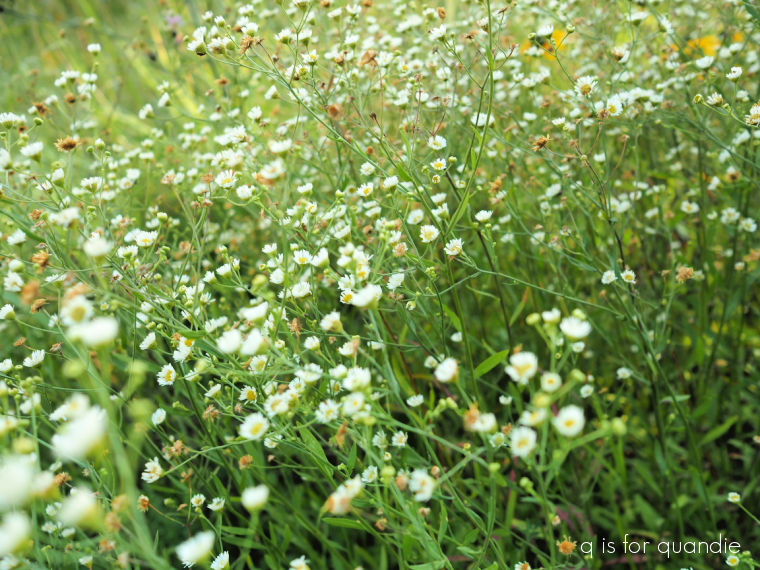
I had to look this next one up, and I think it must be Prairie Fleabane.

So called because it was once thought that the dried flowers would repel fleas.

I tried to find this next wildflower on the Minnesota Wildflowers website, but without even a clue as to its name I tried to look it up by color alone.  However, there are 278 varieties of purple wildflowers in Minnesota.  I just didn’t have the patience to sift through them all.

If any of you know what this one is, please leave a comment.

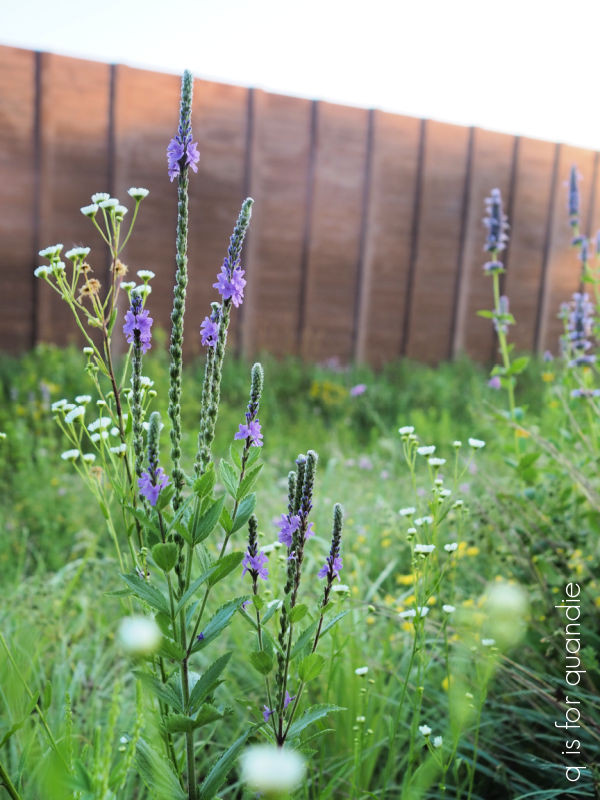
As for this next purple flower, I thought it looked as though it must be in the verbena family so that gave me a starting point.

I found Hoary Vervain, and I’m pretty sure that’s it.

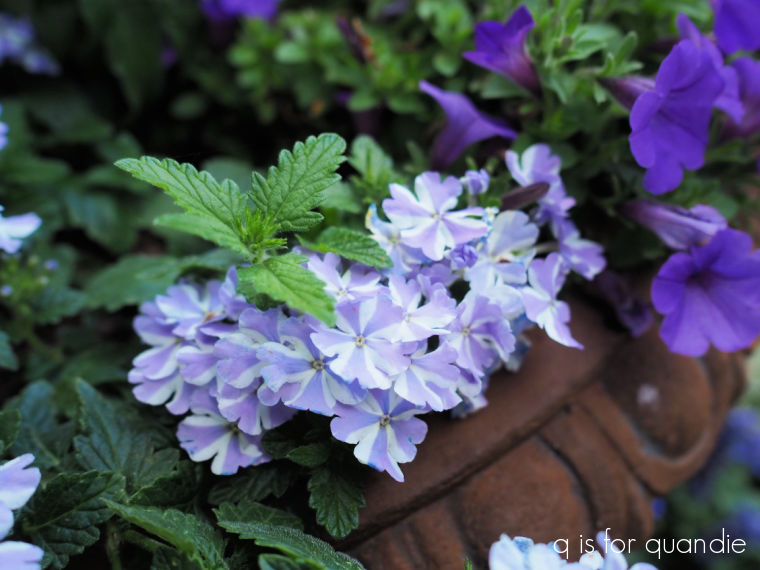
It’s amazing how many flowers are in the verbena family, all the way from Verbena bonariensis to the Proven Winner’s Superbena Cloudburst that I used in my planters a couple of years ago.

Even lantana, which is grown as an annual here in Minnesota and as a perennial in my mom’s area, is in the verbena family.  Who knew?

Although we can grow some of the same plants, like the lantana, there is definitely a vast difference between the landscape in Southern Nevada and the landscape in Minnesota.

But I enjoy walking on each of these trails and looking to see what sort of wildflowers I might find along the way.

How about you?  Do you have a favorite spot for wildflowers where you are?  Leave a comment and let me know.

hot, hot, hot.

Good morning from the garden!
Well, sort of.

My sister and I snuck in a quick trip to visit our mom last weekend.  As many of you probably know by now, our mom lives in a suburb of Las Vegas.  And as many of you probably also know, it’s hot there in the summer.  July in particular is their hottest month of the year on average.

So why in the world did we plan a visit in July?  Well … it was really the only time that my sister and I could go together until possibly next spring.

Plus, it has been super hot the last two times my sister and I visited.  Last October they had record highs over 100° while we were there, and during our visit this past April the temps were in the upper 90’s (and average temps are usually in the upper 70’s to low 80’s in April).  So we figured it couldn’t be much worse.

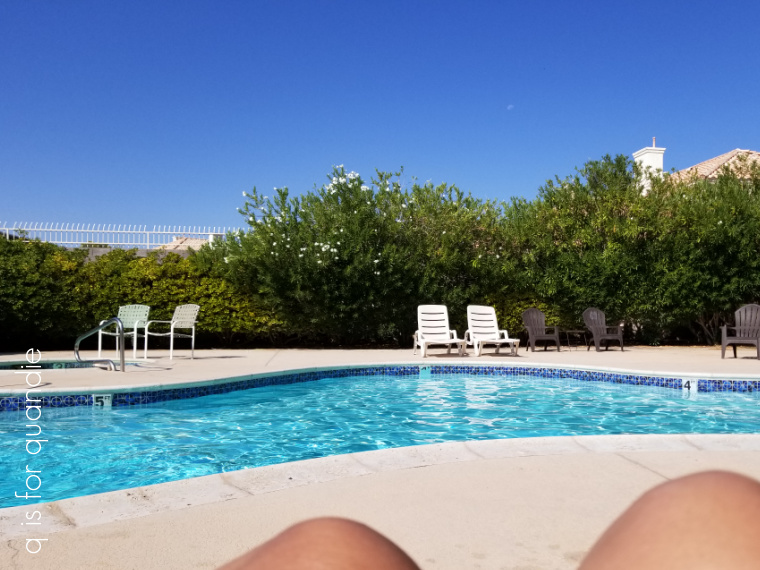
In addition, at least in July the pool at my mom’s townhome complex is open!

We knew we wouldn’t be able to do much outside other than float in the pool, but we could certainly visit with mom in the a/c when we weren’t in the pool.

As it turned out, once again we were there for another above average hot spell.  The temps went from 109° on our first day to 112° on our last day.  And sure, it’s a dry heat.  But even a dry heat at 112° feels ridiculously hot!  Although, to be fair, it was quite comfortable floating in the pool.

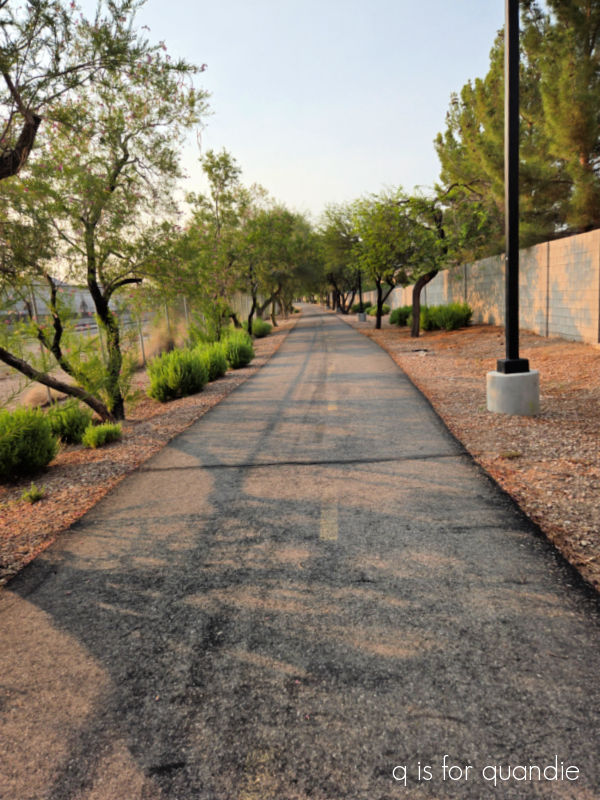
My sister and I also got up each morning around 6 a.m. and went for a walk on the Harry Reid Union Pacific Railroad Trail and that brings me to why I’m categorizing this post as a ‘sunday mornings in the garden’ post.

A couple of years ago, my sister and I stumbled across the one small segment of this trail that offers some shade.

For any of you who may want to try and find this spot while in Henderson, NV, take Boulder Highway east to the Wagon Wheel exit.  At the light for Wagon Wheel, take a right and you’ll be on Nevada State Drive.  Head down Nevada State Drive towards the college.  There will be a small parking lot to the right just before you get to the railroad tracks.

Park there and head to the right (ie. west) down the trail and you’ll find yourself in this area.

The trail here is lined with trees …

and this may have been the first time I’ve ever seen this particular tree in bloom.

I’m not very familiar with the plants that don’t grow in my zone 4b/5a garden, but I’m fairly sure this is a Chilopsis linearis, or Desert Willow.  The hummingbirds seem to love this one, and looking around the area it appears to re-seed itself quite freely.

I have to admit I was amazed to find that there were quite a few other things in bloom along this section of the trail as well.

I saw what I thought was a buddleia, or butterfly bush, but it turns out that this is a Vitex, or Chastetree.

Proven Winners has a variety of this plant called Rock Steady, and I had to laugh when I read this about it on their website:

“Commonly known as the chastetree, Vitex agnus-castus was in ancient times thought to be an aphrodisiac. According to Wikipedia, the leaves and stems were once used in ladies’ bedding to “cool the heat of lust” when the men were off to war, thus the name chastetree. We’re not sure if this works or not, but we do know that it makes a wonderful landscape plant that is highly deer and drought resistant.”

It grows in zones 5 to 9 and is obviously heat and drought tolerant.

I also spotted this Angel’s Trumpet, or Datura innoxia.

And again, I’m pretty sure that’s what this is, but I’m not 100% certain.

But if so, this plant is extremely toxic so if you ever see it growing somewhere just leave it alone.

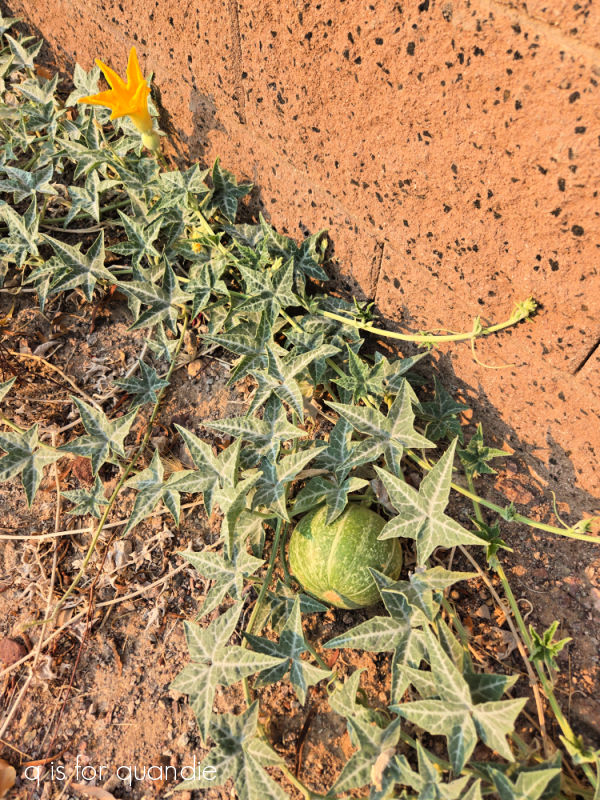
I think I was most amazed to find this though …

Is it a watermelon?  Or some other type of melon?  Or is it some kind of squash?  I’m not sure, but how in the world is it growing in this dry climate?

I should note that there is dripline irrigation provided to the trees and plants along this section of trail, so perhaps there is an errant drip emitter that this plant is taking advantage of.

Clearly gardening in the hot, dry climate of the Las Vegas area is something I know little about.  I came home last Tuesday evening, and when I woke up on Wednesday it was rainy and 50°.  I have to confess, I prefer 50° to 112° any day (I’ll try to remember that in January when it’s 10° below here, and 50° there).

How about you?  Are you a warm weather person, or a cool weather person?  Leave a comment and let me know.

verbena bonariensis.

Good morning from the garden.

I’ve been a fan of the British gardening show Gardener’s World for many years, do any of you watch it?

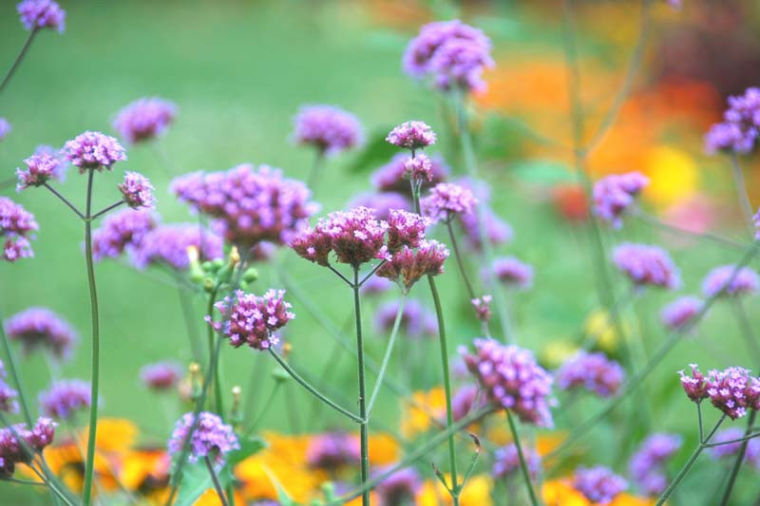
I’d often notice tall, wispy sprays of purple flowers in the gardens they feature and I’d always wondered what they were.  Eventually I figured out that they were verbena bonariensis.

I badly wanted some verbena bonariensis in my own garden, but never could seem to find it here in Minnesota.  It got to the point where my neighbor, nnK, got tired of hearing me say the words ‘verbena bonariensis’ every time we visited a garden center (so of course I said it even more).

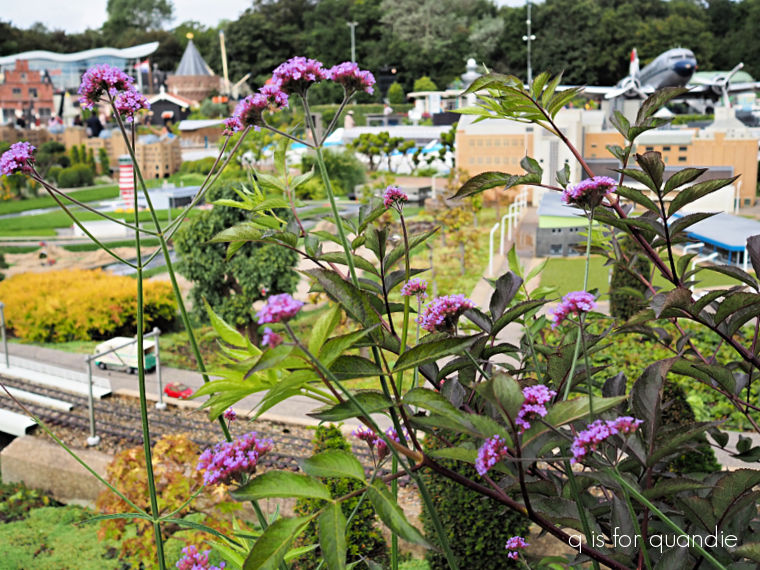
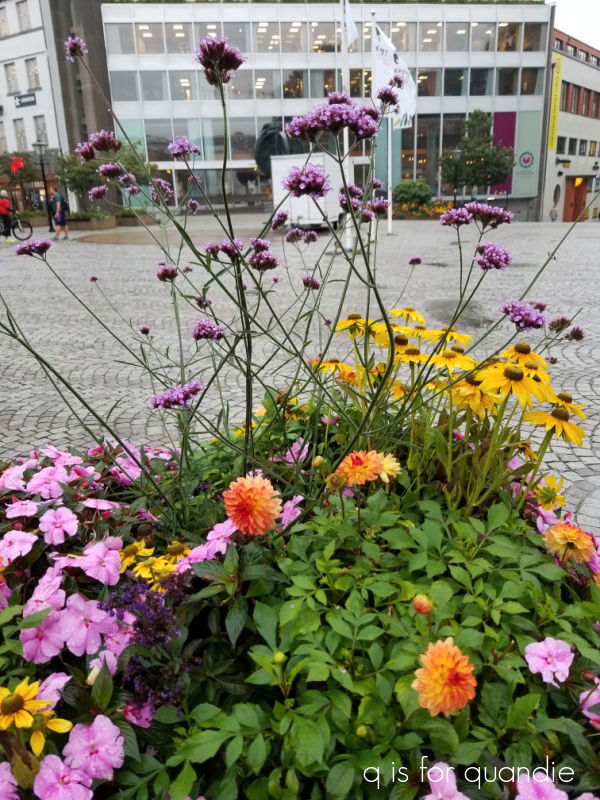
Every time I saw some of them on our trip to Europe in 2023, I took a photo and texted it to her saying “look, they have verbena bonariensis in Amsterdam!”  and “look, they have verbena bonariensis in Norway!”

I spotted them at Madurodam in the Netherlands …

and at Zaanse Schans near Amsterdam.

I also spotted them in Stavanger, Norway.

But I still wasn’t able to find them at any of our garden centers here.

Then, lo and behold, nnK and I were at a garden center out near her parents house in Wisconsin last summer and what did I spot?  Verbena bonariensis!  They had it.

I purchased a couple of them and put them in my garden near the carriage house.  They need 6 – 8 hours of sun to bloom well, and they didn’t quite get it in that spot.  They performed OK, but they weren’t spectacular.

However, as you may know, my neighbor Ken had a huge shade tree removed from his backyard late last summer.  As a result, I now have one section of garden that gets full sun.  So I was on the hunt for more verbena bonariensis this year so that I could try them in that spot.

I did find it at my local Bachman’s where one plant was $14.95!  Thank goodness I didn’t buy it there, because when nnK went back to that nursery in Wisconsin where I found them last year, they had them for $2.95 each.  So I had her pick up six of them for me.

Now, I will point out that I’m pretty sure the version at Bachman’s was the Proven Winners Meteor Shower, and I imagine that price is because of the Proven Winners branding.

I believe the plants nnK found were probably grown in house from seed.  When nnK was purchasing them the nursery owner mentioned wishing that more gardeners in our area knew about this plant.  It looks so unassuming and really rather unattractive on the shelf at the nursery, so they don’t sell particularly well.

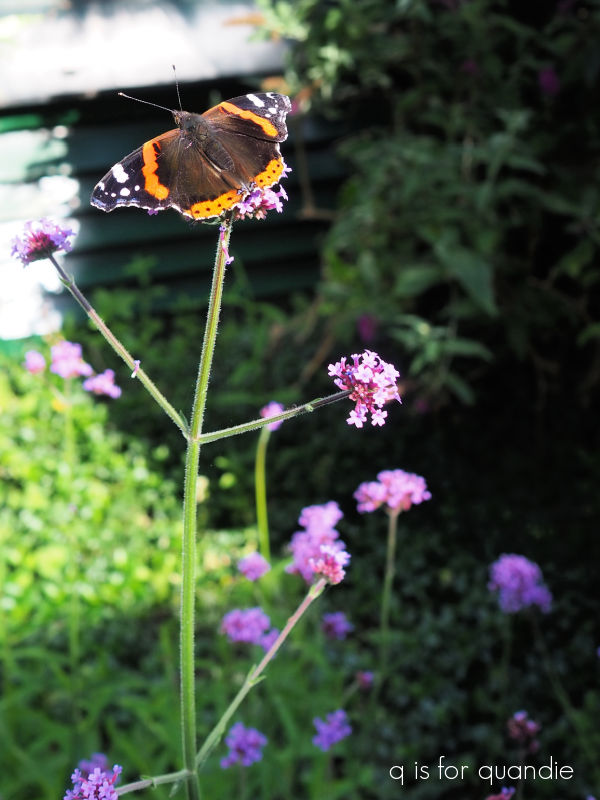
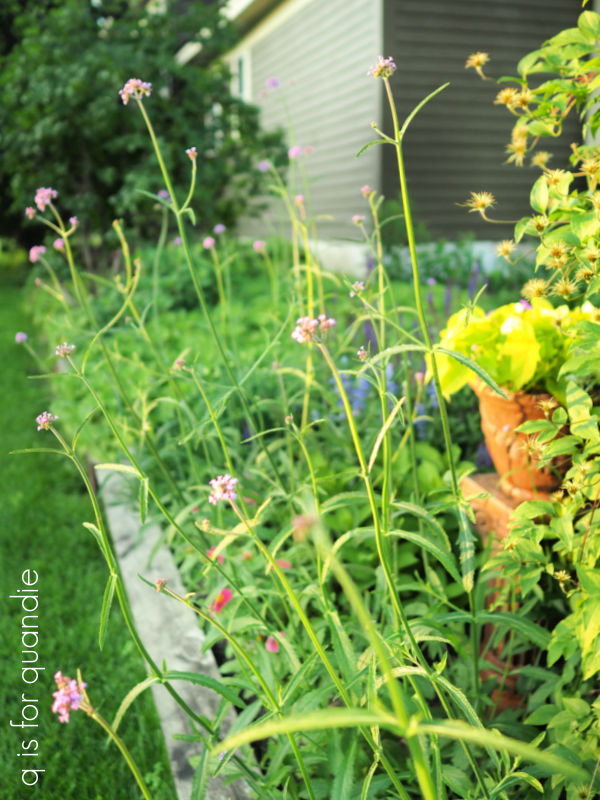
But here we are in early July and mine are finally starting to bloom and look like I hoped they would.

Unfortunately, I found it nearly impossible to capture them in photos.

Let me try to describe them for you.  They grow quite tall, I would say that mine are at least 4′ to 5′ tall now.  They aren’t especially attractive looking plants at the base, but they are perfect for the back of the border where they can be seen poking just their flower stalks above everybody else in the garden.

They do re-seed freely, and at first I thought that was a bit of a myth, but last week I realized I did have some seedlings where I planted the two plants last year.  They are about 3″ tall so far, so I don’t think that I could rely solely on re-seeding to have more verbena bonariensis next year.  I’ll be lucky if those seedling start to look good by the end of August.

But I sure do hope I can continue to find verbena bonariensis at the garden center in the coming years because I definitely have a place for them in my garden.  How about you?  Have you ever grown it?  Or, have you not even heard of it before?  Leave a comment and let me know.